How Does PODS Work? A Complete Guide to Moving With PODS

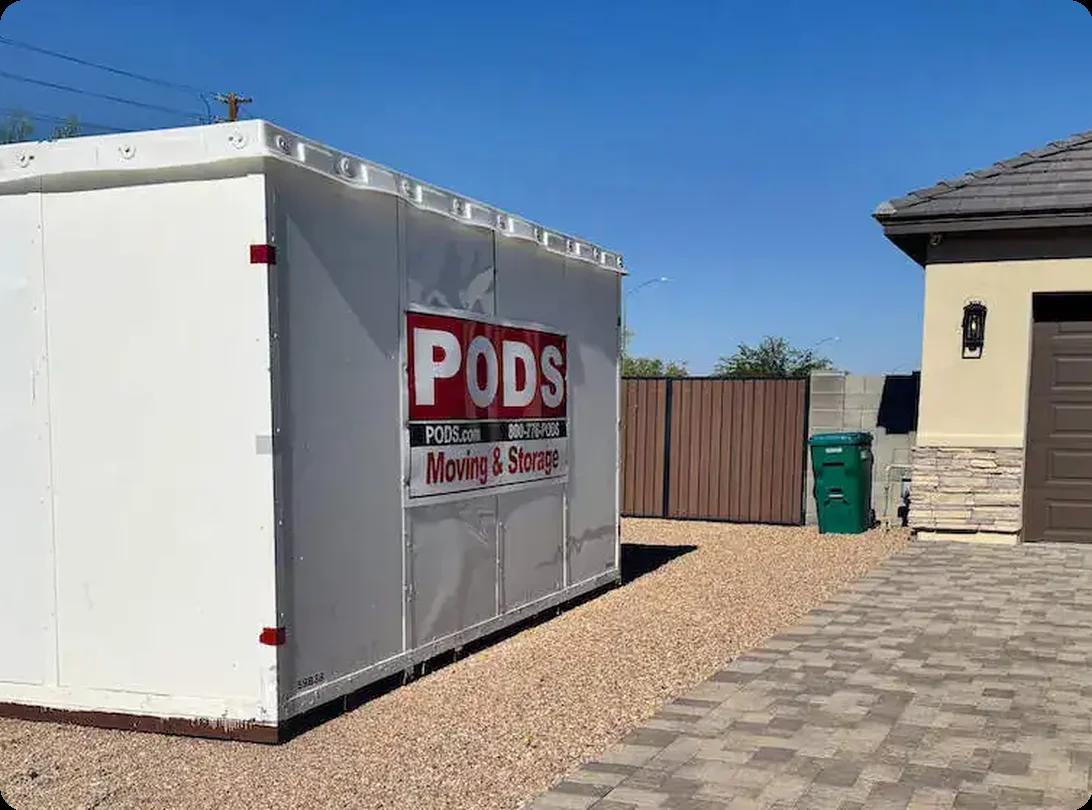
A PODS portable storage container parked in a residential driveway being loaded with furniture

Loading and driving a large rental truck can make moving pretty stressful, but an easy alternative is to use a PODS container for your move. The way a PODS container works is that the company delivers a portable storage container straight to your driveway, and you get to load your belongings entirely on your own schedule. Once you finish packing, a professional driver picks up the unit and transports it safely to your new home or a local storage facility. Basically, PODS functions as a moving truck and a storage unit combined into one incredibly convenient service.

At HireAHelper, we've seen and helped families with all kinds of moves, including those with PODS containers. Keep reading to explore real timelines, container placement rules, and a detailed cost breakdown. We will walk you through all the details so you can plan a completely stress-free relocation.


Last updated: Jun 25, 202610 min read
Melanie Morris
Written byMelanie Morris

Key Takeaways

  • PODS drops off a portable container at your home so you can pack at your own pace without having to drive a moving truck.
  • You can choose an 8-foot, 12-foot, or 16-foot weather-resistant container based on your home's size.
  • Prices usually land somewhere between a DIY truck rental and a pricey full-service moving company.
  • You should always check your local rules and HOA guidelines to verify you have the right clearances and permits for driveway or street placement.
Melanie Morris
Author

Melanie Morris

Melanie Morris is an editor, writer, and one of the sharpest moving experts at HireAHelper. Seven years spent answering readers' toughest questions and demystifying a process most people dread has made her an authority on what movers actually need to know — and how to explain it without the jargon. Her own relocations around the Southwest and up and down the West Coast give her the firsthand experience to back it up. Whether you're crossing the country or just moving down the block, Melanie makes sure the advice you get is accurate, trustworthy, and easy to act on.

How PODS Works in 7 Steps

How does a moving container service work? Typically, you book a container online, pack it up, and let the company handle the driving. Here is exactly how the entire process unfolds.

  1. Book a container: You can go online or call to reserve the right-size unit and choose your desired delivery date.
  2. Container is delivered to your home: A driver safely drops off the empty unit right in your driveway or designated parking spot.
  3. Load on your own schedule: You get to take your time filling up the space over days or weeks.
  4. PODS picks up the container: Once you finish loading and lock the doors, a driver will return to pick up the unit.
  5. Transport to new home or storage facility: The company drives your belongings locally or across the country.
  6. Container delivered to destination: Your unit arrives safely at your new address or at a secure facility for more long-term storage.
  7. Unload and schedule pickup: You unpack everything at your own pace and call the company to haul away the empty container.

Example Timeline of a PODS Move

The timeline for how long a PODS move takes varies based on your specific needs, but you generally enjoy a lot of flexibility. The schedule includes container delivery, packing, pickup, transport, optional storage, final delivery, and unloading. Here is a look at a typical timeline.

PODS TimelineAction
Day 1Container delivered
Days 1-4You pack the container
Day 5Pickup
Days 6-10Transport
Days 11-30Storage (optional)
Day 31Delivery to the destination
Days 31-35Unload and schedule pickup

How Are PODS Transported Long-Distance?

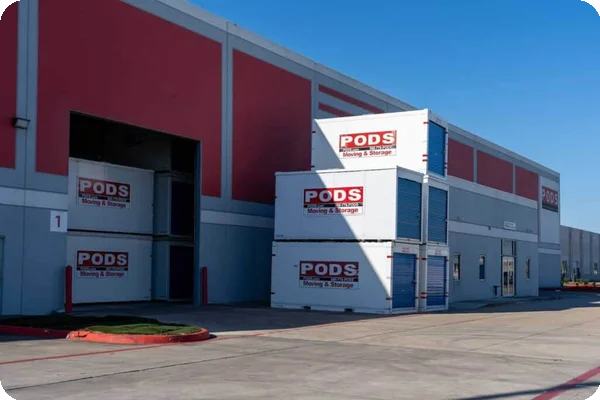
PODS storage containers are stacked inside and outside a covered warehouse unit

To move long-distance, your locked container travels through a secure logistics network using trucks, and sometimes even trains or cargo ships, to reach your new home safely.

Many people worry about their belongings during a cross-country move, but one of the benefits of using PODS is that your items stay inside the same container for the entire trip. You put your own lock on the door, and only you keep the key. This completely eliminates the need for anyone to unload and reload your stuff along the way. Be sure to review the Federal Motor Carrier Safety Administration guidelines for interstate moves to understand your rights when shipping goods across state lines.

Here is what happens behind the scenes during a long-distance transit:

  1. Container pickup: A professional driver picks up your fully loaded and locked unit from your home.
  2. Local PODS storage center transfer: The driver transports your container to a secure local facility where it gets prepped for the long haul.
  3. Delivery scheduling: The logistics team coordinates the long-distance freight travel and schedules the final delivery to your new address.

The company handles all the heavy lifting and route planning so you can focus on traveling to your new destination comfortably.


Where Can PODS Containers Be Placed?

A moving container needs some space to be placed near your home. You can safely park one on any flat, level surface like a paved driveway. Here are the main placement rules you must consider before delivery day:

  • Driveway placement: Your standard driveway handles the weight of a moving container perfectly. Just pick a firm spot off the grass and clear of any ground obstructions.
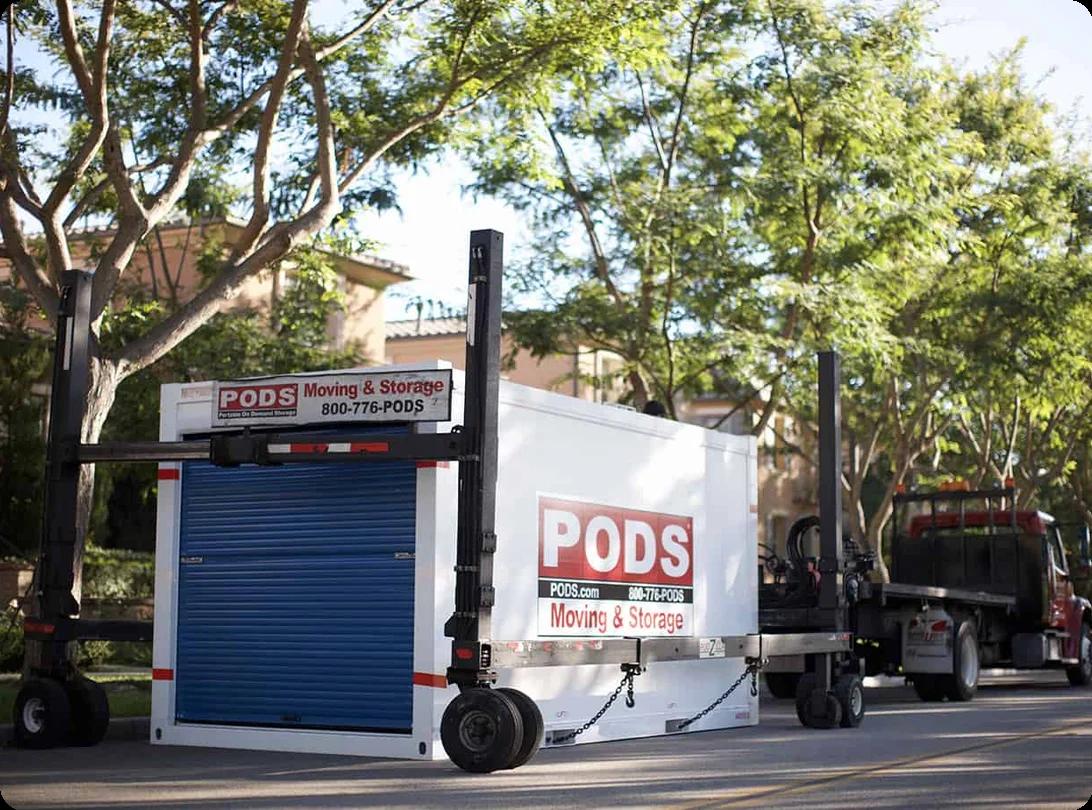
  • Clearance requirements: The delivery truck uses a specialized hydraulic lift to lower your unit. This machine requires about 15 feet of overhead clearance, so watch out for low tree branches or power lines.
  • Street permits: PODS can be parked on a street, but placing a container on a public road usually requires a city parking permit.
  • HOA rules: Check with your Homeowners Association before you book. Many neighborhoods enforce strict rules detailing exactly how long a storage unit can sit visibly on your property.

How to Choose the Right PODS Container Size

There are three PODS container sizes available. When choosing the right container, consider how many rooms you need to pack and how much heavy furniture you own. Efficient packers might easily squeeze more items into a smaller unit, but estimating on the higher side is always a safe bet if you're unsure. It's typically always cheaper to go a size up than have to get a second container.

This simple chart breaks down the dimensions and capacity of each container size to help you decide.

Container Size and DimensionsInterior Space (cubic feet)Ideal Home SizeWhat Items Typically Fit
8 foot (~8' x 7' x 8')~448Studio or dorm (up to 500 sq ft)Twin or queen mattress, small couch, dresser, several boxes
12 foot (12' x 8' x 8')~7681-2 rooms (500-800 sq ft)Sectional sofa, multiple beds, dining table, boxes
16 foot (16' x 8' x 8')~1,0243-4 rooms (~1,200 sq ft)Large furniture sets, major appliances, numerous boxes

8-Foot PODS Container

PODS containers on the smaller end include the 8-foot unit, the smallest option available, which holds roughly 448 cubic feet. This unit works perfectly for college students moving out of a dorm or anyone relocating from a small studio apartment.

You can easily fit a twin or queen mattress, a small couch, a dresser, and several heavy boxes inside. However, this compact size will not fit a fully furnished one-bedroom apartment or a move involving large kitchen appliances.

12-Foot PODS Container

The 12-foot container provides a fantastic middle ground for modest household moves. Providing 768 cubic feet of space, this unit easily holds the contents of a standard one-bedroom home. You can comfortably load larger items such as dining tables, multiple mattresses, and bulky armchairs.

"A moving container typically costs between $150 and $300 per month after your initial 30 days expire."

People often find this size advantageous when they downsize or move locally, especially when the eight-foot option feels just a bit too tight. Keep in mind that a fully furnished two-bedroom home with large bedroom sets will likely exceed the capacity of this single unit.

16-Foot PODS Container

The sixteen-foot unit is the largest size most people rent for residential moves. Offering 1,024 cubic feet of interior space, it holds enough items to fill a small house or a lightly furnished three-bedroom home. You can successfully pack major appliances, large living room sets, and plenty of moving boxes.

However, sprawling family homes will certainly require more room. If you live in a large house or own a garage full of heavy equipment, you will definitely need to rent multiple containers to get the job done right.

How Much Does PODS Cost for Moving?

The cost to rent a PODS container depends on your moving distance, the number of containers you rent, the season, and how long you need the unit. There is no universal flat fee for this service; however, local moves usually range from $600 to $1,000, and long-distance moves typically cost between $3,000 and $7,000.

Your quote generally includes the first month of container rental and all transportation fees. Keep in mind that extra costs may apply if you keep the container longer or decide to tip the PODS driver. You can explore our complete PODS moving cost guide for a deeper dive into even more real pricing examples.

Here is a quick look at typical costs based on standard moving distances.

Move TypeTypical Cost
Local move (around 25 miles)$600-$1,000
Regional move (around 250 miles)$1,500-$3,000
Long-distance move (1,000+ miles)$3,000-$7,000

How Much Do Moving PODS Cost Per Month?

A moving container typically costs between $150 and $300 per month after your initial 30 days expire. Of course, the monthly fee depends on the container size you select, your location, and current seasonal demand.

Your initial moving quote almost always includes the first month of rental time. However, if you need the unit for even one extra day beyond that first month, the company will charge you for an entire second month, because they do not prorate partial months. Always watch your calendar closely to avoid this charge.

5 Ways to Save Money on PODS

Relocating gets expensive quickly, but you can keep your budget on track with a few smart planning strategies. Here are five easy ways to save money when you use a portable storage container.

  1. Book early: Reserving your unit several weeks ahead of time locks in a better rate and guarantees availability.
  2. Move during off-peak seasons: You will secure much lower prices if you plan your move for the fall or winter instead of the busy summer months.
  3. Pack efficiently: When loading the POD, maximize every inch of your space, so you can avoid renting a second or third container. You can do this by packing things vertically and not just front to back in the unit. Also, consider decluttering before your PODS arrival. If you donate, sell, or get rid of enough of your items, you might be able to opt for a smaller unit.
  4. Minimize your storage time: Try to load and unload within your first 30 days so you do not have to pay for an additional month of rental time.
  5. Compare multiple quotes: Always check prices from a few different moving container companies to ensure you get the absolute best deal available.

How Does PODS Compare to Other Moving Services?

PODS offers a reasonable middle ground between doing everything yourself and hiring a full-service moving company. You gain the convenience of ground-level loading, and you completely skip the stress of navigating a bulky vehicle through traffic. Plus, having built-in storage right on your driveway makes staging a home or managing a delayed move-in date a breeze.

However, this route does have a few minor drawbacks. The service typically costs more than a standard DIY truck rental, and you have to handle all the loading and unloading yourself, unless you decide to book labor-only moving help. For a more detailed breakdown of your options, take a look at our comprehensive guide comparing moving trucks and moving containers.

Key PointPODSMoving Truck RentalFull-Service Movers
Best forFlexible timelines and built-in storageBudget-friendly DIY movesHands-off, stress-free relocations
Typical cost range$$$$$$
Who packs the itemsYouYouThe movers (optional add-on)
Who loads/unloadsYou (or hired moving labor)YouThe movers
Who drives/transportsPODS handles the drivingYou drive the truckThe moving company drives
Who provides storage if neededPODSN/A (must rent separate unit)The moving company
Time Allotted for Packing30 days includedTypically 1 to 5 daysUsually one day
Convenience levelHighLowVery High

PODS vs. Moving Trucks

When you choose a portable container, you get to avoid driving a rental truck on the highway, and you get to pack your belongings at your own pace. Alternatively, renting a truck usually saves you money, but you must finish the job much quicker — often the same day.

PODS vs. Full-Service Movers

Full-service moving provides the ultimate convenience because professionals handle the loading, driving, and unloading for you, but this service comes with a higher price tag. PODS gives you a much more affordable option, but you will need to load the boxes yourself or hire labor-only moving help.

PODS vs. Moving Containers

How does PODS stack up against other moving containers on the market? PODS generally provides excellent weather resistance and highly rated customer service. However, competitors might offer slightly lower prices or different container sizes, so compare quotes from multiple container providers to find the perfect fit for your specific relocation.


Frequently Asked Questions

Recent Articles

PODS moving and storage container placed in front of a home

UPack vs. PODS: Which Container Should You Rent?

Container Moves

Moving containers have become a popular alternative to rental trucks and full-service movers. They offer flexibility, storage options, and a way to move without having to drive a big vehicle. But which container... Read More

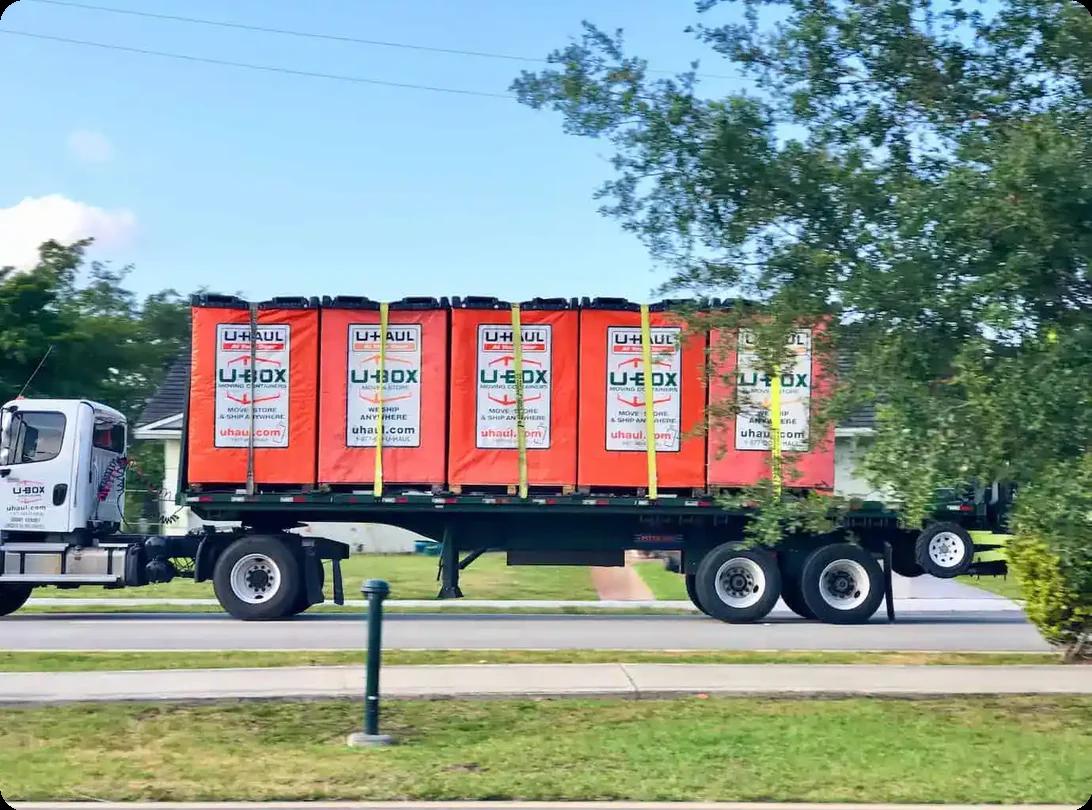
U-Haul U-Box moving containers loaded on flatbed truck for transport

U-Box vs. PODS: Which Container Should You Rent?

Container Moves

Portable moving containers have become a go-to alternative to rental trucks and traditional movers. Instead of rushing through a move in a single day, you can instead load at your own pace and let the company... Read More

An image of four U-box units set in a row on a curb

Upack vs. U-Box: Which Container Should You Rent?

Container Moves

Moving containers are a flexible alternative to rental trucks and full-service movers, giving you more control over your timeline and budget. Among the most popular options are U-Pack, known for its ReloCubes and... Read More

A PODS moving and storage container placed in a residential driveway

PackRat vs. PODS: Which Container Should You Rent?

Container Moves

In general, our research shows PODS is the best container solution for most households, but both PODS and PackRat are legitimate, popular options for portable storage. Both companies will deliver a... Read More

A PODS moving and storage container in residential area

PODs vs. a Moving Company: Do You Need Both?

Container Moves

Moving takes time, money, and plenty of decisions, starting with how you’ll actually get your things from one home to the next. Should you hire a traditional moving company, try something else like a PODS... Read More

U-Haul moving truck parked beside a PODS moving container in a residential neighborhood

Moving Trucks vs. Moving Containers: Which Do You Need?

Container Moves

Between trucks, containers, and everything in between, sorting through moving options can feel overwhelming. It’s tough to know what’s worth your time and money. Both moving trucks and moving containers like PODS... Read More