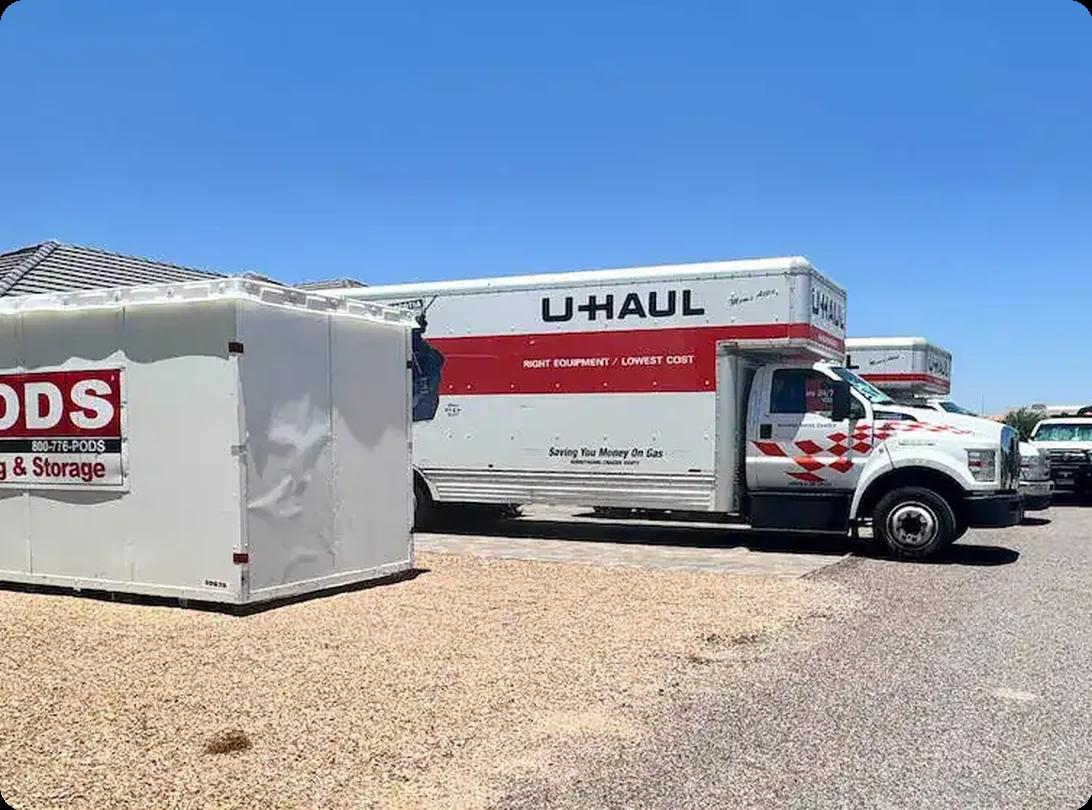
What Is a Moving Container?
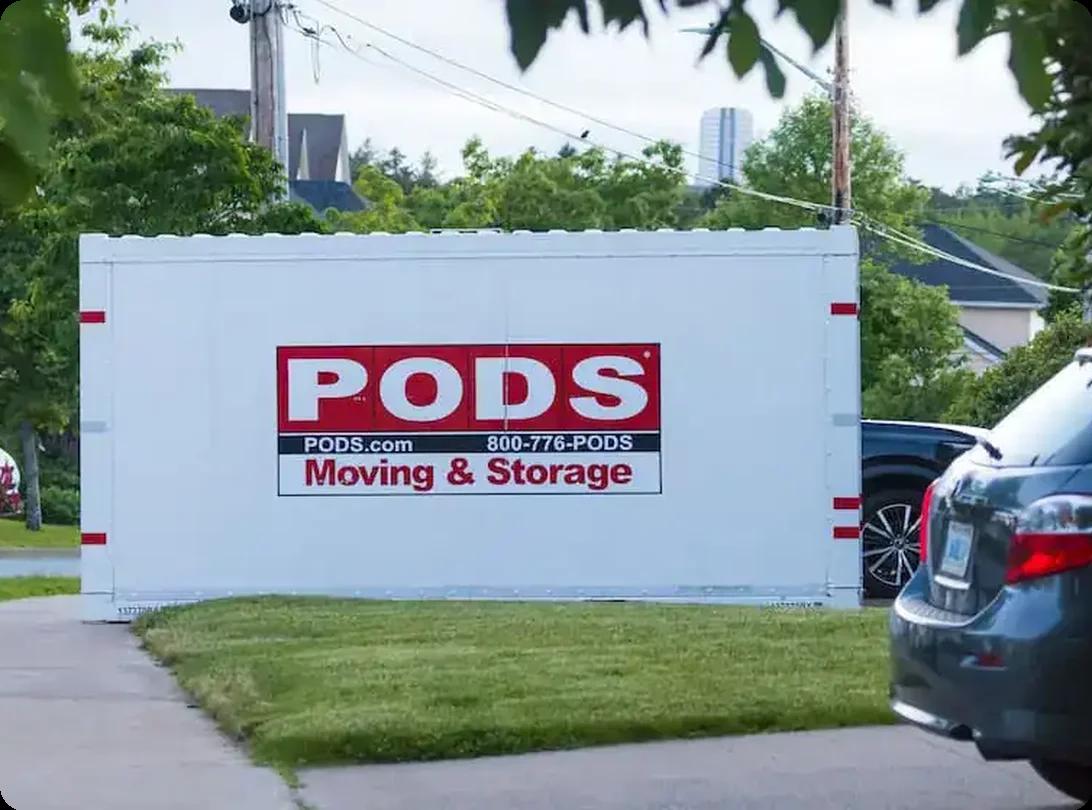
A moving container is a portable storage unit delivered to your home that you load at your own pace. Once it’s packed, the rental company either stores it temporarily at their facilities or transports it to your new address. These containers are used for both local and long-distance moves, as well as temporary storage during home renovations or staging.
Unlike a traditional moving truck, a moving container sits on your property for a few days, or even weeks, giving you more flexibility for loading and unloading. And unlike a full-service move, you are still in charge of the packing and loading unless you hire moving labor separately.
The big things to compare are brand, size, container material, delivery rules, storage options, and how much work you actually want to do yourself.
Common Moving Container Brands
There are several companies offering container rentals, each with its own types, sizes, and area of service. Here are some of the options:
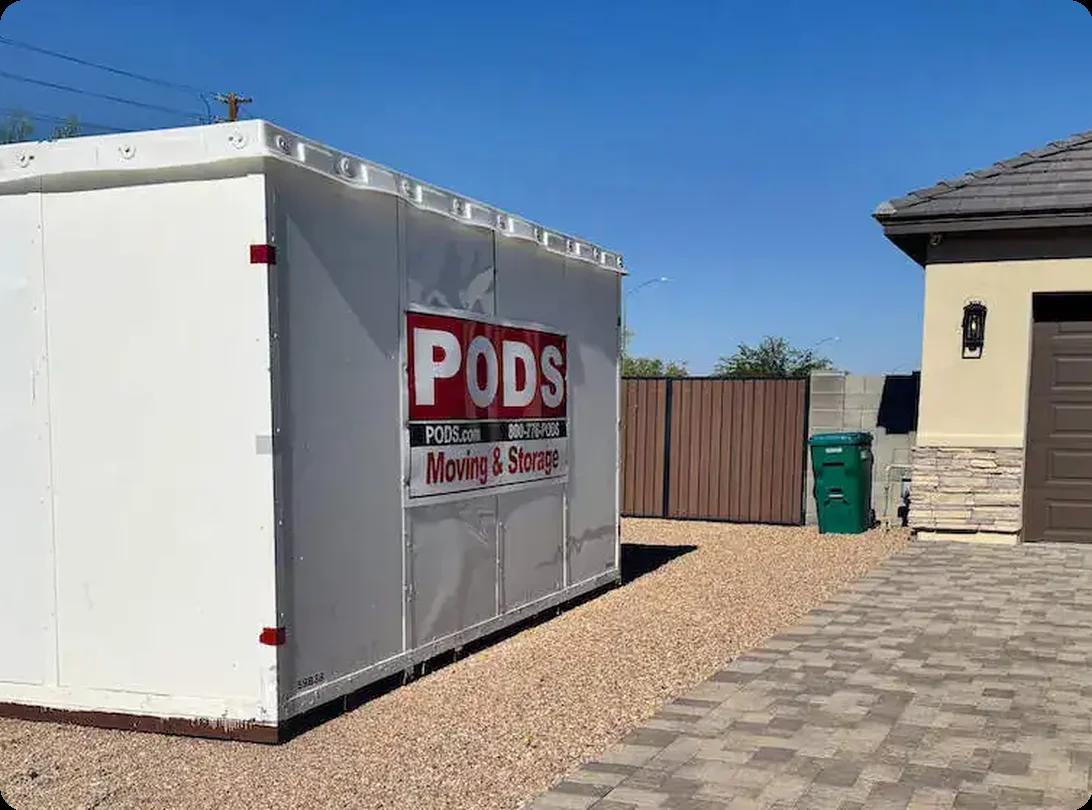
- PODS: One of the best-known container companies, with 8-, 12-, and 16-foot weather-resistant containers.
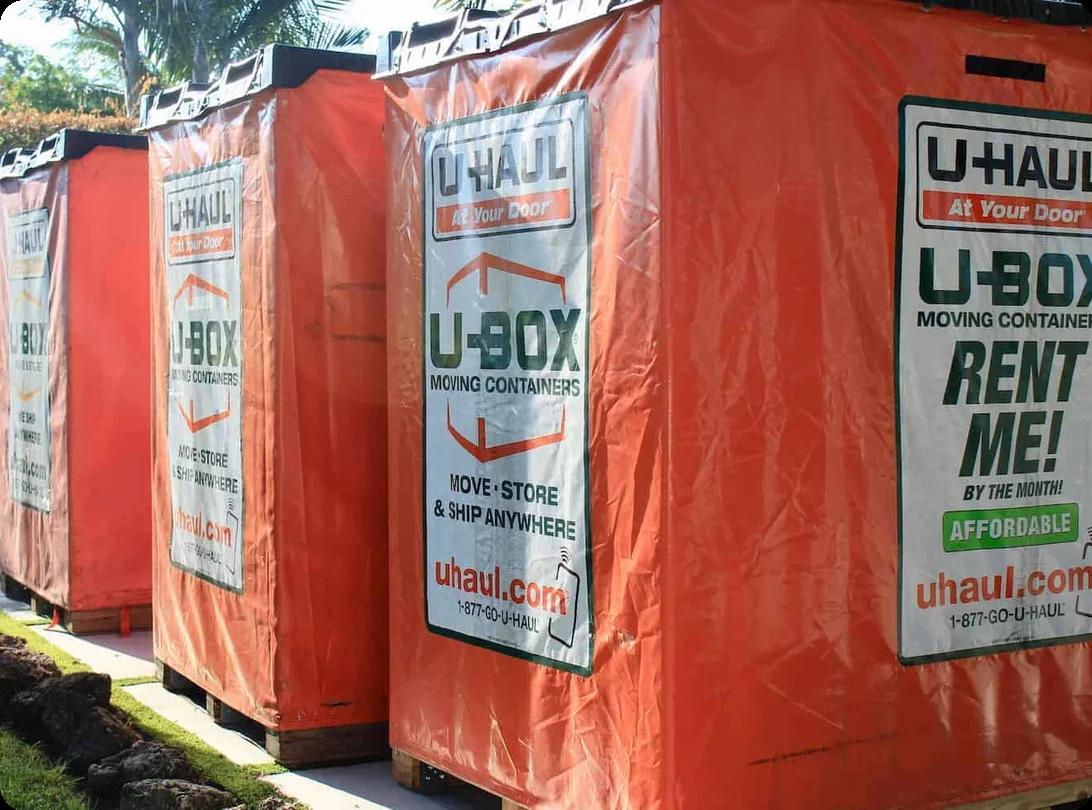
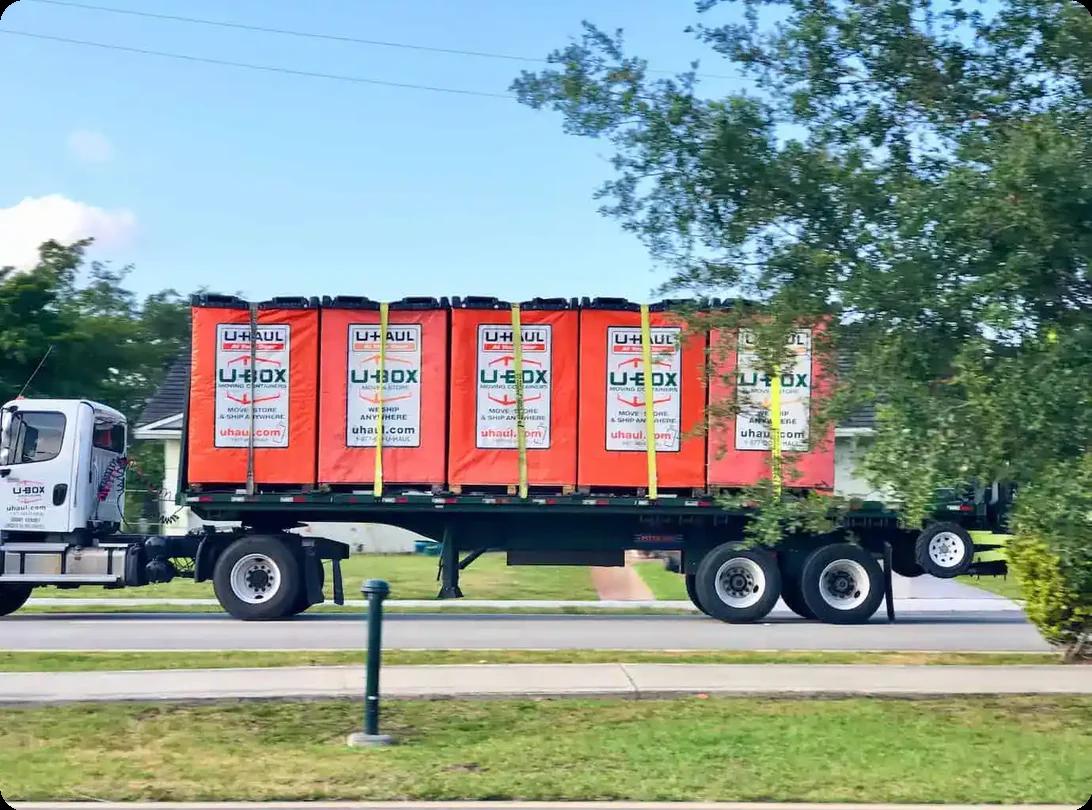
- U-Box by U-Haul: A smaller container option with wide availability, often used for studio, dorm, and small-apartment moves.
- 1-800-PACK-RAT: Offers 8-, 12-, and 16-foot all-steel containers, along with storage and long-distance moving options.
- Zippy Shell: Uses a street-friendly trailer setup that can work well for some city moves.
- U-Pack: Offers ReloCube containers for long-distance moves, with each cube holding about one room of furniture and boxes.
- UNITS: Offers 12- and 16-foot containers with ground-level loading and interior tie-down systems.
- Go Mini’s: Offers 12-, 16-, and 20-foot containers in many markets, which can be useful if you need a larger portable storage unit.
Each brand handles delivery, storage, and pricing a little differently, so it’s worth getting more than one quote before you book.
Container Sizes and Materials
Most moving containers are made from either steel or weather-resistant composite materials. They come in multiple sizes, typically ranging from 8 feet to 16 feet long. A 16-foot container generally holds about 2–3 rooms’ worth of furniture, similar to a 15-foot moving truck.
Comparable Moving Container Sizes
| Size | Capacity | Comparable truck |
|---|
| 8 ft | Studio/1 bedroom | 10 ft truck |
| 12 ft | 2–3 rooms | 12–15 ft truck |
| 16 ft | 3–4 rooms | 15–20 ft truck |
Containers vs. Trucks vs. Full-Service Moves
Moving containers sit in the middle of the moving-service cost spectrum. A rental truck is usually the cheapest option, but the tradeoff is that you have to rent, load, drive, and unload it yourself. Full-service movers are the most hands-off and handle practically everything about your move, but they cost the most. A moving container gives you more flexibility than a truck rental, without the full price of a traditional mover.
The catch is that someone still has to load and unload the container. That can be you, friends and family, or labor-only movers.
Moving Method Comparison| Moving method | Do you drive? | Who loads/unloads? | Flexibility | Storage option |
|---|
| Rental truck | Yes | You, or hired help | Moderate | No |
| Full-service movers | No | Movers | Low | Limited |
| Moving containers | No | You, or hired help | High | Yes |
Using a container gives you the most flexibility with the additional benefit of professional transport for your belongings. If needed, most moving container companies also offer optional storage, which is handy if you can't get to your new home right away. All of this makes moving containers a practical middle-ground option.


 Karen BodkinAug 28, 2026