Moving Containers Overview
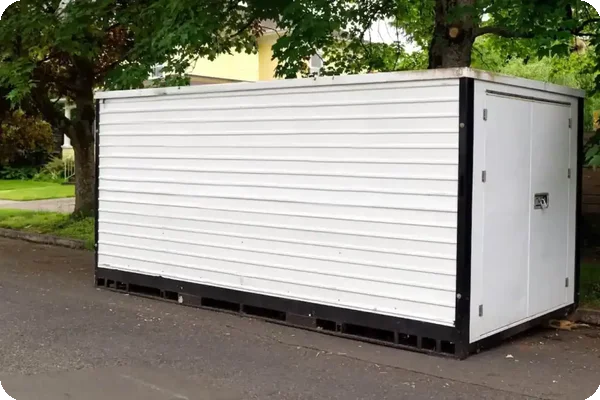
Moving containers like PODS are the middle ground between renting a truck and going full-service. A container gets delivered to your driveway, you load it on your schedule, and the company hauls it to your new home. That convenience means you don’t have to worry about driving a bulky vehicle long distances, but you’ll pay more upfront than for a truck rental.
For many moves, especially long-distance ones, containers strike a balance between cost, flexibility, and less stress. Here’s a snapshot of what you can expect:
Average Moving Container Costs
Container pricing looks higher at first glance, but it usually bundles in transportation and at least a month of storage. The averages below come from PODS, Pack-Rat, and U-Haul U-Box quotes, giving you a sense of what to expect at different distances.
- Local: ~$589
- Regional/next state over: ~$665
- Cross-country: ~$4,531
These numbers will depend on container size and count, market availability, season, storage duration, access/re-delivery, permits for street placement, and distance.
Moving Container Overview
A moving container is about as simple as it sounds. You set up a delivery date, and the company drops the container outside your home. It stays there for several days — sometimes longer — so you can load it when you have time and at your own pace. When you’re ready, the company comes back, picks it up, and either drives it to your new place or stores it until you need it again.
Costs usually cover the delivery, pickup, and transport. Many companies also include the first month of storage, which is helpful if you’re between homes. Just like with a truck, you can load everything yourself or hire movers to do the heavy lifting. That flexibility is why prices can swing so much. A small apartment move may be fairly affordable, while a big cross-country move with storage can get expensive fast.
Major Moving Container Companies
Several companies dominate the container market:
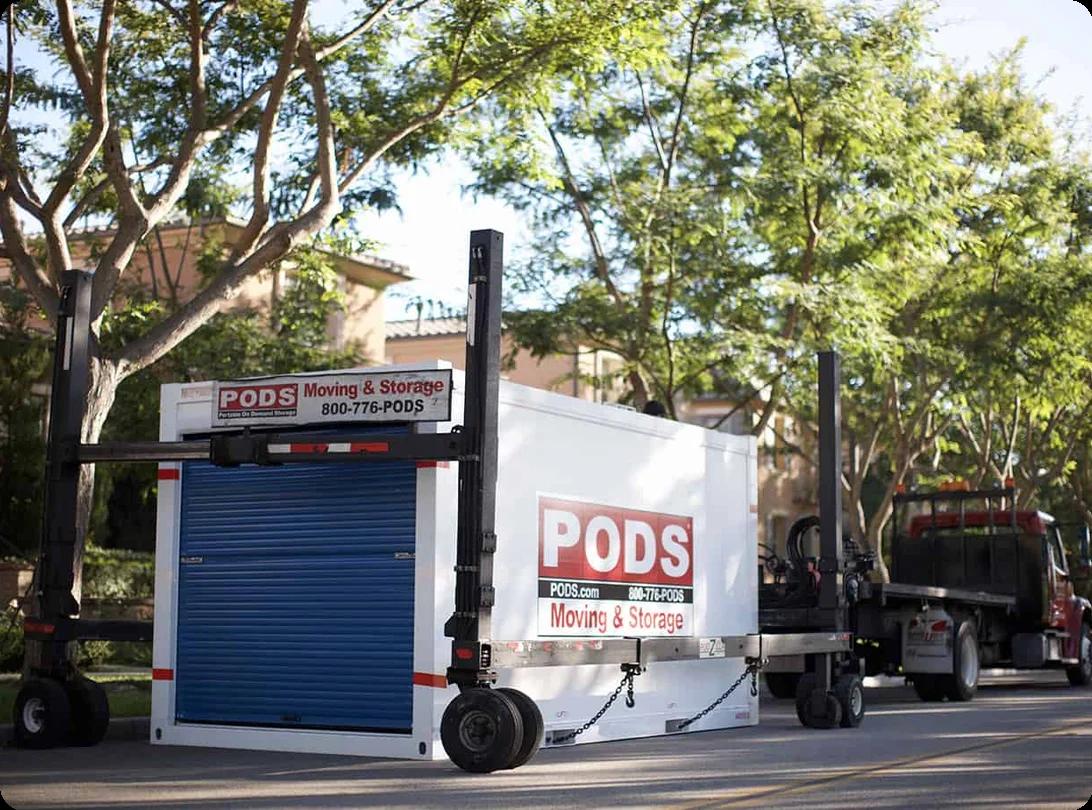
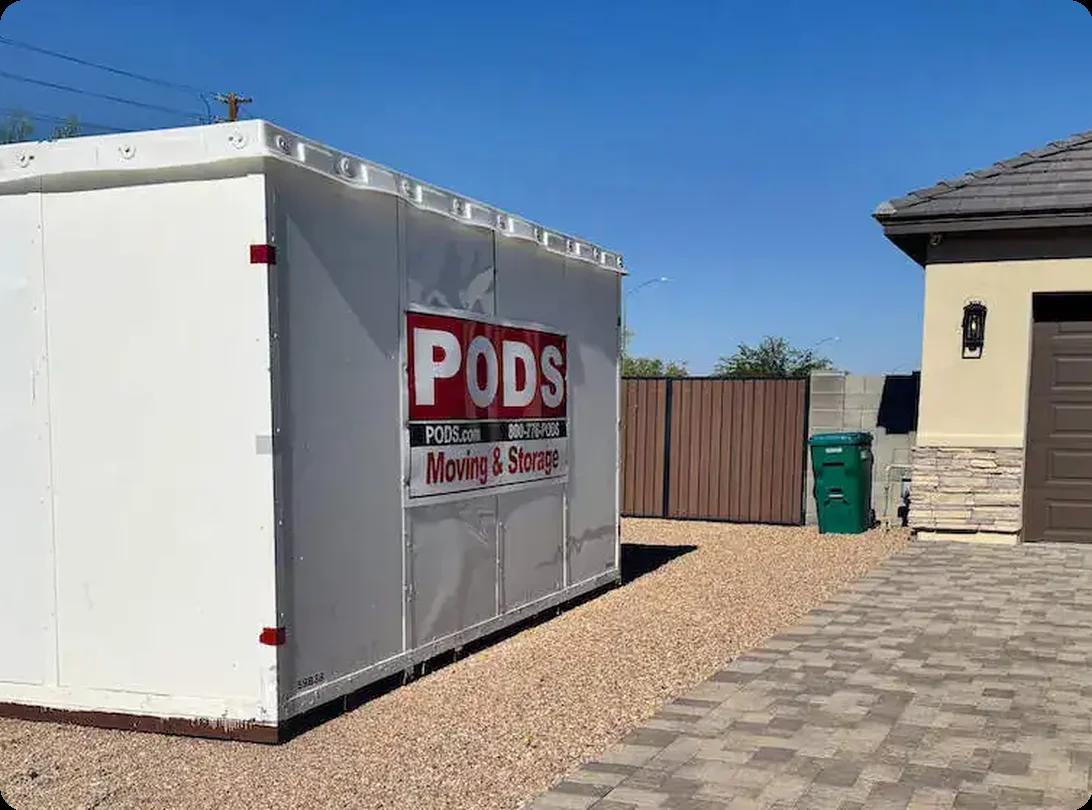
- PODS: The name most people know. Steel containers, lots of coverage, solid reliability, and usually on the higher end of the price range.
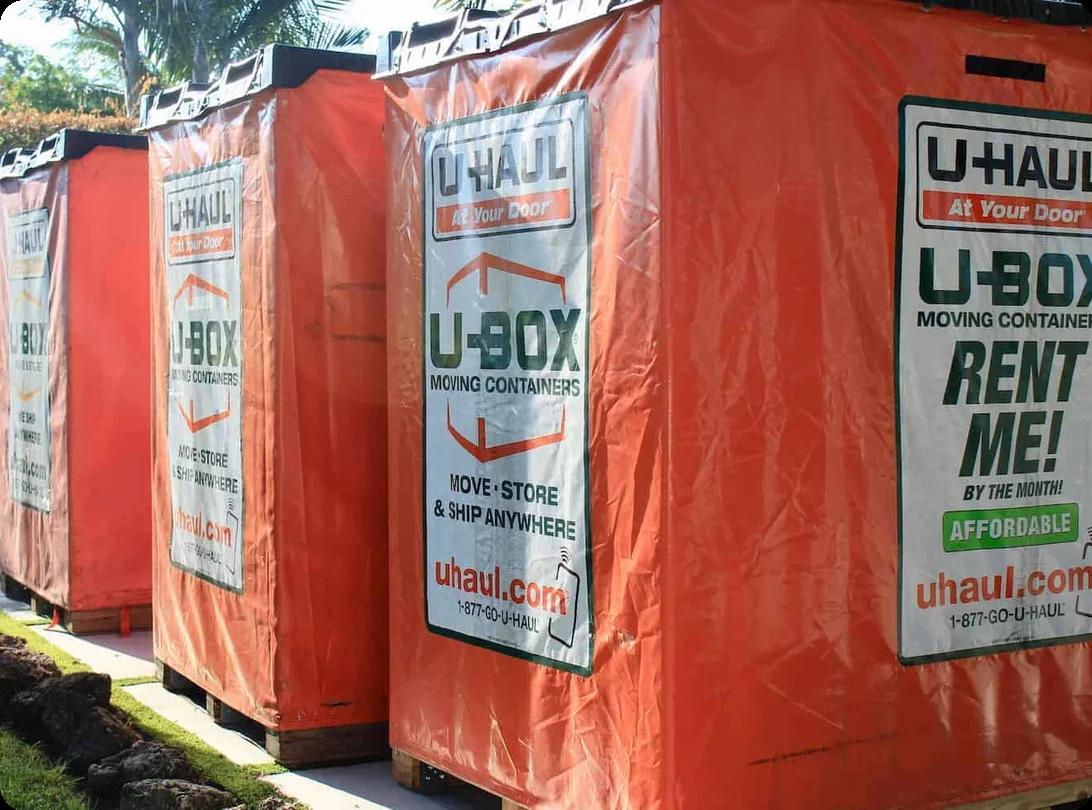
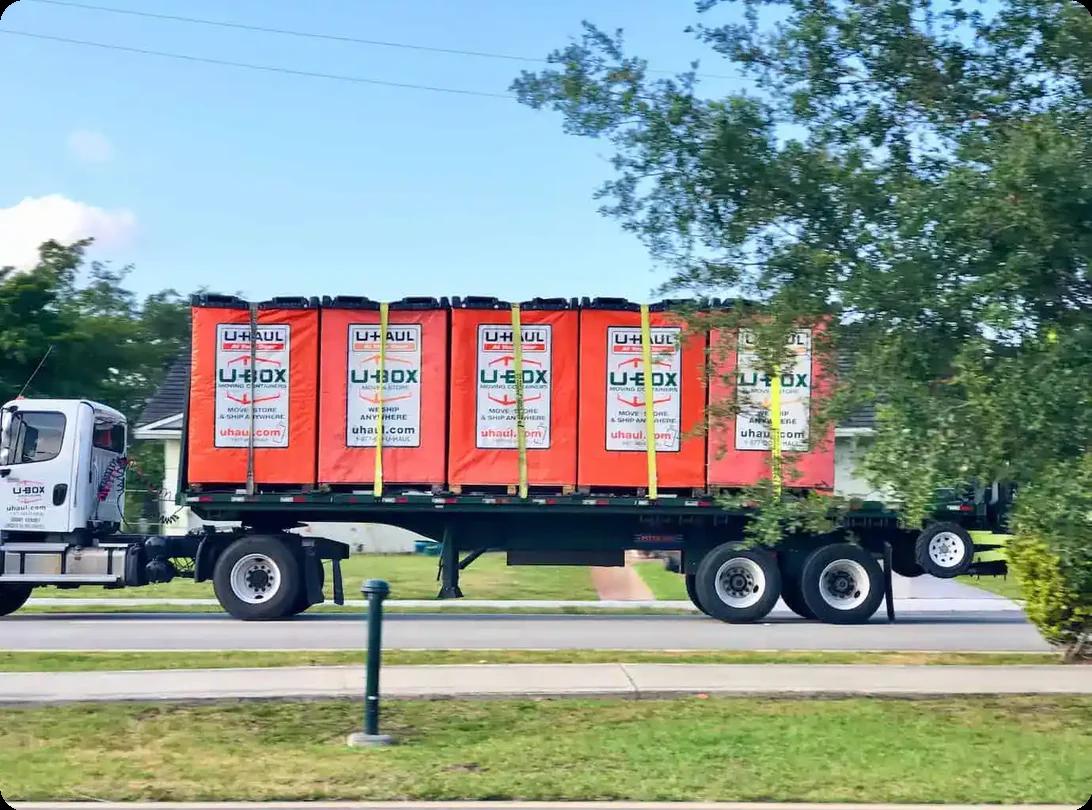
- U-Haul U-Box: Cheaper upfront and easier to book for smaller moves. Containers are made of wood, which not everyone likes.
- 1-800-PACK-RAT: Similar to PODS but often a little less expensive. Availability is hit-or-miss depending on where you live.
Across the board, reviews are mixed. Customers often mention billing issues or unclear fees, though the service itself is fairly consistent. The biggest differences are in container durability, price, and where each company operates. Curious about PODS in particular? We’ve got a full PODS 101 guide that walks through container sizes, pricing, and policies.
Pros of Moving Containers
- Delivered to your door: You don’t need to drive or return anything.
- No driving required: The company does all the hauling, even cross-country.
- Pack on your schedule: You usually get days, sometimes weeks, to load.
- Storage included: Many plans come with a month of storage at no extra charge.
- Good for long-distance: Less stress than driving a truck, and fewer chances for damage.
- Expandable: You can order more than one container for larger homes. Labor help available: Hire movers just to load and unload if you want a middle ground.
For more details, here’s our roundup of the cheapest moving container companies and what to know before booking.
Cons of Moving Containers
- Higher cost: More expensive than renting a truck, especially for local moves.
- Limited availability: Bookings fill up quickly in the summer.
- Parking space required: You’ll need a driveway or city permit.
- Delivery windows: Timing isn’t always exact.
- Extra charges: Additional storage, reschedules, or multiple pickups add up.
- Size limits: Easy to underestimate how much space you’ll need.
- Less control: Once it’s gone, you’re on the company’s schedule.



 Karen BodkinAug 28, 2026