What Are Your Car Shipping Options?
The first thing you'll need to do when you start looking into how to ship your car is to pick a carrier type. Next, decide how you want the company to handle pickup and delivery. These choices can have a big impact on your shipping costs and convenience. They also determine how your car is protected — which is especially important if you’re shipping a high-value vehicle.
Open vs. enclosed carriers
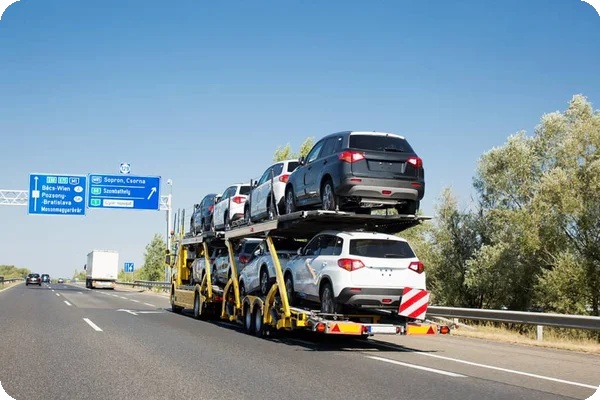
Open carriers are the most popular type of car shipping. You've probably seen them on the highway before — they usually have two open-air decks loaded with cars. This budget-friendly option works well, but keep in mind your car will be exposed to the weather. It’s usually best for standard or lower-value vehicles.
But if you have a rare, vintage, or luxury vehicle, an enclosed carrier is probably the better option. Your car will be transported in an enclosed box trailer, so you can rest assured that it's safe from people, flying debris, and weather.
Terminal-to-terminal vs. door-to-door
With terminal-to-terminal shipping, you'll drop your vehicle off at a transportation terminal. Drivers will load it onto a truck and move it to a terminal close to your destination. If you’re close to terminals — and don’t mind handling drop-off and pick-up yourself — this option can save you some cash.
If you want something more convenient, you can also opt for door-to-door shipping services, where the carrier drives right to your pickup location and drops off the car at an address that works for you. This type of shipping can also be a good choice if you live in a rural area without a terminal nearby.
Domestic vs. international shipping
If you're shipping a car within the country, your shipper will probably use a truck. For international shipments, the journey could involve a ship, a truck, a train, or some combination. International shipping usually costs more and takes longer than domestic shipping, so be sure to plan ahead if your car is crossing borders.




 Lauren ThomasAug 24, 2026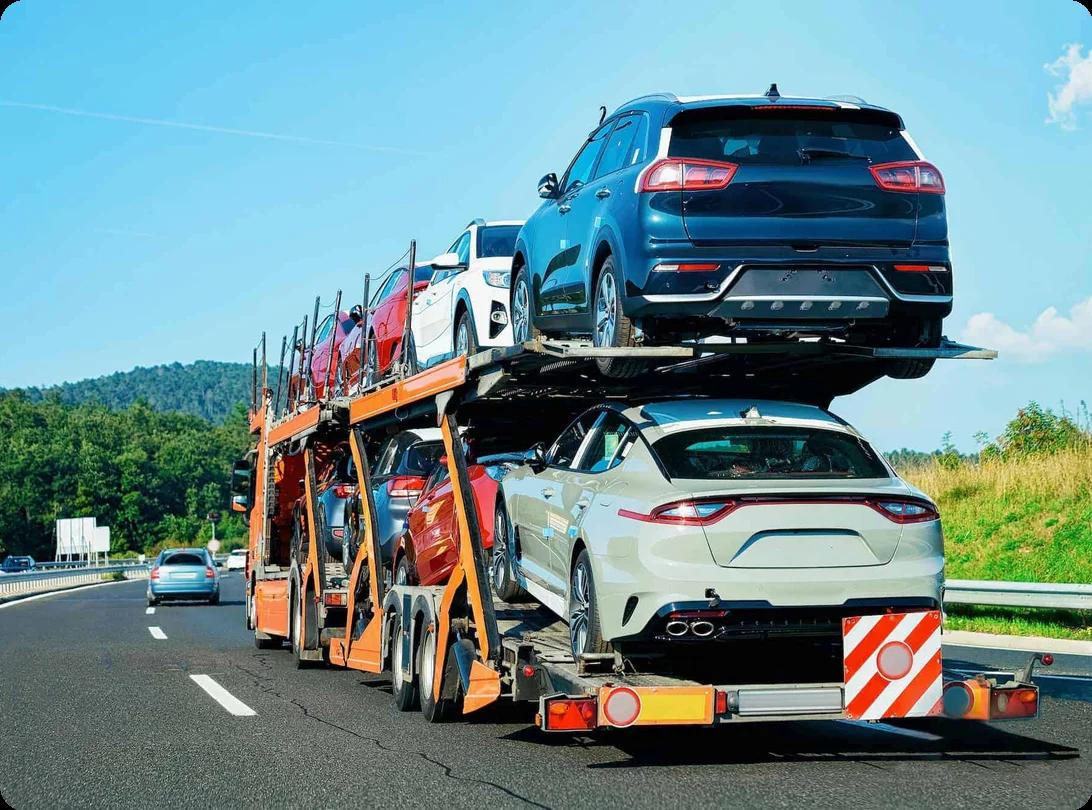





.png&w=64&q=75)