Cargo Van vs. Moving Truck: Which Do You Need?

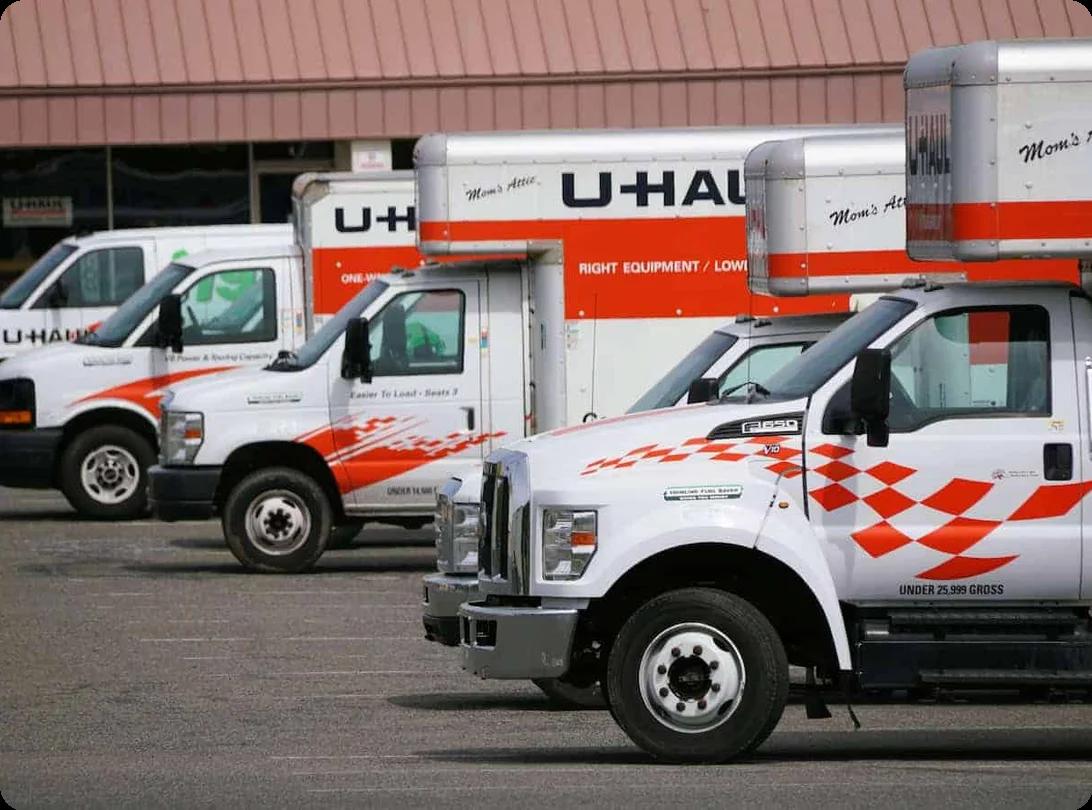
A semi truck and a cargo van parked side by side

Which vehicle you should choose for your move comes down to capacity, overall cost, and drivability. A cargo van is the better choice for studio and one-bedroom apartment moves, while a moving truck (box truck) is necessary for two-bedroom homes and larger. If you opt for something too big, you’re paying for unused space. But if you rent something too small, you might be forced to take (and pay for) multiple trips.

HireAHelper connects people with trusted movers on our marketplace. We’ve connected people with professional moving help for over a decade, and over that time, we collected and analyzed thousands of rental truck transactions to bring you real data. In this guide, we cover what you need to know about size, fuel efficiency, and real rental costs so you can make the right vehicle choice for your next move.


Last updated: Jul 06, 20267 min read
Karen Bodkin
Written byKaren Bodkin

Key Takeaways

  • Cargo vans hold roughly 230 to 250 cubic feet and can carry up to 4,000 lbs, making them ideal for a studio or small one-bedroom apartment.
  • Moving trucks range from 10 to 26 feet and carry significantly more cargo, so choose your truck based on your total home size.
  • Cargo vans are more affordable to rent, get better fuel mileage, and are easier to park for local moves.
  • Moving trucks give you much more cubic space and payload capacity, which you need for full-household moves or long-distance relocations.
  • You do not need a commercial driver's license (CDL) for standard cargo vans or most rental moving trucks under 26,000 lbs Gross Vehicle Weight Rating.
Karen Bodkin
Author

Karen Bodkin

Karen Bodkin is a writer at HireAHelper who's passionate about helping people navigate their moves with less stress and more confidence. She empowers readers by turning the many overwhelming parts of moving into clear, actionable guidance.

Karen draws from a broad writing portfolio that includes home improvement, health, and travel. Her work reflects a deep understanding of life's transitions and a genuine drive to make moving feel more manageable for everyone.

Cargo Van vs. Moving Truck: 3 Key Differences

Moving trucks and cargo vans both offer great options for a move, since they haul your belongings safely to your new place. However, they feature a few key differences that determine which vehicle makes the most sense for your situation.

What Is a Cargo Van?

A cargo van is an enclosed, full-size van with a cargo area of approximately 230 to 250 cubic feet and a payload capacity of around 3,500 to 4,000 lbs. Unlike a truck, it does not have a separate box, and the cargo area is built right into the vehicle body. These vans typically offer 10 to 12 feet of cargo length inside. Common rental models include the Ford Transit, Ram ProMaster, and Mercedes Sprinter.

Cargo vans are perfect for studio apartments, college dorm moves, small local trips, or delivering single items. The biggest advantage is that they drive like a large SUV, so you can park, maneuver, and navigate narrow city streets with very little stress. Plus, you only need a standard driver's license to rent and operate one.

What Is a Moving Truck?

A moving truck (also called a box truck) is a vehicle with a separate, enclosed cargo box mounted on the chassis. These trucks are available in sizes ranging from 10 to 26 feet long. They feature a rear roll-up door and offer much more room, giving you anywhere from 400 cubic feet up to over 1,600 cubic feet of space, and they can handle payload capacities of 10,000 lbs or more.

These larger vehicles are best for multi-room apartments, full homes, long-distance relocations, and moves involving large furniture and appliances. The major benefit is the large amount of space, so you can usually complete most household moves in a single trip. You can drive most moving trucks with a standard license, though some fully loaded 26-foot trucks start to approach commercial license weight limits depending on their rating.

Cargo Van vs. Moving Truck: 3 Key Differences

The main differences between a cargo van and a moving truck come down to size, fuel efficiency, and how you load your belongings. While both vehicles get your items from point A to point B, their features cater to very different moving needs.

Here is a breakdown of the key features for both vehicles:

Comparison of Cargo Vans and Moving Trucks
FeatureCargo VanMoving Truck (Box Truck)
Cargo Space~230 to 250 cu ft~400 to 1,600+ cu ft
Payload Capacity~3,500 to 4,000 lbs~3,100 to 10,000+ lbs
Fuel Economy~15 to 18 MPG~8 to 12 MPG
Rental Cost (avg)~$70 to $90 total local~$100 to $130 total local
Best ForStudio or 1BR, local moves2BR+ homes, long-distance
Parking and ManeuverabilityEasy to fit standard spacesHarder and needs clearance
Loading HeightLow step-in accessHigher and may need a ramp to access
License RequiredStandardStandard (CDL for some 26')

Difference #1: Size and Capacity

A standard rental cargo van offers about 230 to 250 cubic feet of cargo space. This is enough room to pack up a studio apartment or a small one-bedroom with minimal furniture. In contrast, a 10-foot moving truck gives you nearly double the cargo space of a van at roughly 400 cubic feet. Truck sizes go up from there, with 15-foot trucks holding about 750 cubic feet for two-bedroom homes, 20-foot trucks holding 1,000 cubic feet for three bedrooms, and 26-foot trucks holding 1,600 cubic feet for four or more bedrooms.

Difference #2: Fuel Efficiency and Drivability

Cargo vans get noticeably better fuel economy than box trucks. A standard cargo van typically gets around 15 to 18 MPG, compared to just 8 to 10 MPG for a 15-foot moving truck. This makes a big difference in fuel costs during a long drive.

Cargo vans also have better drivability and feel similar to a large family SUV. You can park and navigate city streets with ease. Moving trucks require a lot more caution. You have to take wider turns, monitor height clearances for bridges and parking garages, and spend extra time backing into tight spots.

Difference #3: Loading and Access

Cargo vans feature a lower loading floor right at step-in height. This low clearance makes it easier to load boxes and furniture without needing a ramp. You also get the benefit of both side and rear doors.

Moving trucks, on the other hand, sit much higher off the ground. Most 10-foot to 12-foot trucks come with a slide-out loading ramp, while trucks 16 feet and larger often feature a hydraulic liftgate. If you are moving heavy furniture by yourself, a van is physically easier to manage. However, a truck with a ramp or liftgate is a lifesaver when you need to load heavy kitchen appliances or large couches on a dolly.

Cargo Van vs. Moving Truck Cost

Cargo vans are generally cheaper to rent than moving trucks. On average, you can expect base rental rates of $20 to $30 per day for a van, compared to $30 to $40 a day for a 10-foot or 15-foot truck.

Here are some of the factors that affect your final bill:

  • Rental Rate: Vans have a lower daily base rate than trucks.
  • Mileage Fees: Most local rentals charge per mile. Mileage rates often sit between $0.79 and $1.19 per mile for both, but the combined base rate makes the van cheaper.
  • Gas Costs: The better fuel economy of a van keeps your fuel costs down, especially if you have to sit in local traffic.

A cargo van is almost always the most affordable choice for small local moves. But keep total cost in mind. Trucks become much more cost-effective if renting a van forces you to make three or four back-and-forth trips. If you’re still not sure about what your move will cost, you can check out the HireAHelper Moving Cost Calculator before you get a quote. It’s a simple way to see data-backed estimates for your unique move.

Which Should You Choose for Your Move?

Choose a cargo van if you are moving a studio or a small one-bedroom apartment locally, with mostly boxes and a few small pieces of furniture. A van is perfect if you want an easier driving experience and need to keep your budget as low as possible. It is also great for short trips or picking up a few items from a local store.

Choose a moving truck if you have two or more bedrooms, large furniture, heavy appliances, or are planning a long-distance move. A truck gives you the space to fit everything into one trip. For edge cases, such as a large one-bedroom with a lot of oversized furniture, you should rent a 10-foot truck. If you have a small two-bedroom apartment with minimal stuff, a cargo van might work if you are willing to make two trips.

Not sure you want to load everything yourself? HireAHelper lets you find and book local moving labor, where a professional team comes and takes care of getting all your boxes and furniture into whatever vehicle you choose.

Why Trust HireAHelper

HireAHelper has helped hundreds of thousands of people move. Our Rental Truck Cost Database tracks real-world pricing data from thousands of completed rental truck transactions. We base our cost and capacity insights on actual customer experiences, not generic online quotes that often underestimate the final price.

Want the complete dataset? Reach out to our press team at press@hireahelper.com, and we will gladly provide the information you need.

Frequently Asked Questions

Recent Articles

A red gasoline can sits on a lawn next to packed moving boxes – an example of what not to load

Things Not Allowed on a Moving Truck

Moving Trucks

There are several categories of things moving companies won't move, including hazardous, perishable, and valuable items. As packing for a move is already a big job, it helps to know what movers will not move before... Read More

a car with a moving trailer hitched to it sits in a driveway. the trailer is full of furniture.

Moving Trailer Rental Cost Guide

Moving Trucks

There is no rental trailer that works for everyone or every move, but U-Haul wins for household moves because they offer enclosed cargo trailers and one-way trips. Other companies, like Home Depot or Lowe's, are... Read More

A view of the Home Depot sign above one of its stores

Home Depot Trailer Rental Cost

Moving Trucks

Deciding on the right trailer for your project depends on what you are hauling and how far you are going. If you need a budget-friendly option for a quick local job, Home Depot is the winning choice. They offer... Read More

gas rental truck uhaul

Moving Truck Gas Mileage Guide: MPG & Fuel Costs

Moving Trucks

The average moving truck gets between 10 and 12 miles per gallon, while smaller cargo vans average around 18 miles per gallon. Gas is one of the biggest expenses on a long-distance move, but you can lower your fuel... Read More

A rental moving truck driving carefully on a snow-covered highway with winter conditions and reduced visibility

How to Survive Driving a Rental Truck in the Snow

Moving Trucks

Winter driving can be hazardous, and that risk rises if you're in a moving truck. However, you don't have to be afraid of moving in the snow if you plan ahead, load the truck properly, and familiarize yourself with... Read More

Penske

Penske Truck Rental Prices and Reviews

Moving Trucks

Penske is a national leader in truck rentals, known for high-quality, newer trucks and offering unlimited miles on one-way trips. In 2026, a Penske truck typically costs between $1,200 and $1,700 for a two-bedroom,... Read More