How to Survive Driving a Rental Truck in the Snow

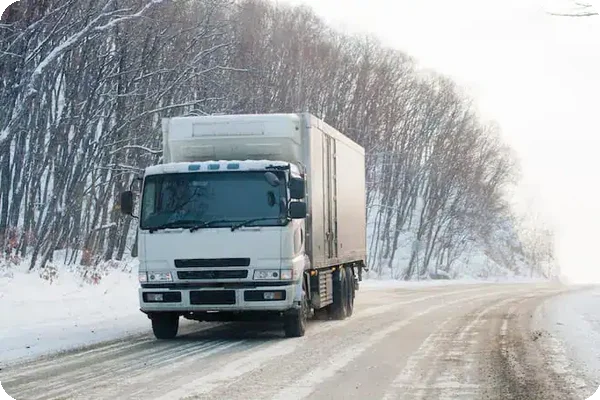
A rental moving truck driving carefully on a snow-covered highway with winter conditions and reduced visibility

Driving a moving truck when you're not used to operating a big vehicle can be overwhelming, if not downright scary. Then you add snow to the mix, and that might have you rethinking your whole move altogether. Fortunately, driving a truck in the snow doesn't have to halt your plans, especially if you’re well-prepared and take it slow and steady on the road.

At HireAHelper, we've helped countless people set off on their moves without a hitch, and we're ready to guide you successfully through this process, too. By the end of this article, you’ll feel confident knowing how to prep your truck, what to pack, and how to get back on the road if you get stuck.


Last updated: Jul 25, 2025 7 min read

Key Takeaways

  • Snow + an unfamiliar large truck is intimidating, but with prep it's manageable for most drivers
  • Prepare the truck: check fluids and antifreeze, verify tire condition, pack chains if required, and stock an emergency kit
  • Load for winter driving: weight forward for traction, secure cargo so it doesn't shift, and clear all snow/ice off the truck before driving
  • Safe snow driving: slow speed, large following distance, gentle acceleration and braking, no cruise control, and stay calm in slides
  • If you get stuck: don't spin the wheels, use sand/cat litter for traction, dig out around the tires, and call for help if the road is unsafe
Thomas O'Sullivan
Author

Thomas O'Sullivan

Thomas O'Sullivan is the Senior Manager of Service Operations at Porch Moving Group, where he oversees the post-booking customer experience for HireAHelper. His expertise is the part of a move most people never see — the logistics, coordination, and accountability that turn a booking into a finished move.

Thomas has spent six years in the moving and relocation industry, starting in corporate relocation and long-distance logistics before stepping into his current role. He's supported more than 130,000 moves across local labor, full-service, commercial, and long-distance work — experience he draws on to make sure HireAHelper content reflects how moves actually go.

Should You Drive a Rental Truck in the Snow?

Rental truck driving on a snow-covered road surrounded by trees in winter conditions.

 Winter driving is inherently more dangerous, particularly when it snows. Reduced mobility, icy roads, and drivers who don't know how to operate their vehicles in such conditions can make it hazardous for even the most seasoned truck driver.

With that said, whether it's safe for you to drive a rental truck in the snow depends on a few factors:

  • Is snow on the ground or just in the air? If it's not sticking, you're probably fine to drive.
  • Are the roads icy? Black ice, slush, and compacted snow can make even straightforward stretches dangerous, especially for heavier vehicles like moving trucks.
  • How confident are you in your winter driving abilities? If you're used to mountain or winter driving, operating during mild to moderate snowfall likely isn't an issue.
  • Do you need to cross a mountain pass or other steep inclines? If so, and the weather is expected to be particularly severe, it might be better to wait.

Check rental company policies about weather-related cancellations so you can be prepared. Ultimately, you know your driving ability and comfort level. If you feel safe driving the truck in the snow, use your judgment. However, if you have any hesitations, it's probably best to reschedule.

Or, skip the hassle altogether by booking full-service movers on HireAHelper. The pros handle all the loading, transportation, and unloading. If you live somewhere that gets plenty of snow, local movers have the experience of driving moving trucks safely in winter weather.


How to Prepare to Drive in the Snow

Taking a few extra steps can go a long way in making your winter move safer, especially when snow is a factor. Even if you're confident driving in wintry conditions, it's worth reviewing some simple precautions to help keep your trip safe and on track.

Research Your Route

One of the best things you can do for your move is to plan out your route well before you embark. Google Maps is a great starting point and can show you major highways and mountain passes.

If snow is on the forecast for moving day, pay close attention to your state's Department of Transportation alerts page. They may recommend or mandate the use of chains during your travels, and if you’ve already planned out your route, you can tell at a glance if you’ll need them where you’re headed.

You may also notice weigh stations on your route. While you're on the DOT page, double-check if your state requires rental trucks to be weighed. Some states want nearly every truck to stop at weigh stations.

Inspect and Ready Your Vehicle

A person checking the engine fluids, antifreeze, and wiper fluid on a rental moving truck before a winter trip

 In an ideal world, every rental truck would roll off the lot ready for all weather. In reality, it's better to check before you drive off the lot to avoid unpleasant surprises. Ensure you do the following:

  • Confirm antifreeze and wiper fluid levels are where they should be. Get them filled if they're not.
  • Double-check that your truck has a spare tire, jack, and tire iron.
  • Have flares and reflective triangles on hand. They improve visibility and warn other drivers if you break down or get into an accident at night. Plus, in a pinch, you can start a fire with a flare.
  • If you're driving through a mountainous region, tire chains are recommended if the snow is severe. Check with your state's DOT for up-to-date information on whether they're required.

If it’s already snowing by the time you’re ready to hit the road, start by warming up your vehicle. Then, clear any snow or ice, paying special attention to the windows, mirrors, lights, and steps. Don't forget to sweep the roof and sides so all that snow doesn't blow onto the unsuspecting car behind you.

Pack Supplies

Getting stranded while traveling is never convenient, but during snowy weather, it comes with far more complications. Keep these items on hand just in case:

  • Good boots
  • Warm clothes (with extras in case something gets wet)
  • Sunglasses (don't count on hats to help when the sun reflects off the snow)
  • Food, water, and a first aid kit
  • Flashlight, batteries, and emergency blankets
  • Ice scraper
  • Toolkit with basic tools
  • Matches (Keep them in a sealed plastic bag. They're useless if they're wet.)
  • Wiper fluid, windshield deicer, and a jug of antifreeze.

Get Emergency Equipment

In all likelihood, your move will go off without a hitch. But it's better to be safe than sorry, so you should carry some emergency equipment just in case. Plus, these could come in handy if you find another driver stranded in the snow. Be sure you have a shovel, a bag of sand, jumper cables, and tow straps onboard.

Tempted to throw down some rock salt in a snowdrift? Don't be. If you get stuck and need traction, you want sand instead. Rock salt does melt snow, but not instantly. If you use it, you could be waiting around a while until it works.

Should I Get Chains for a Moving Truck?

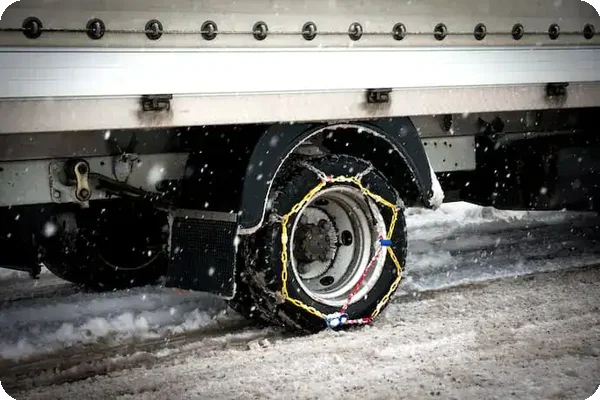
Close-up of snow chains installed on a rental truck tire for safe winter driving.

This depends on the type of roads you're driving and the current weather conditions. Chain laws vary by state, and just because you don’t own the vehicle you’re driving doesn’t mean you’re exempt from using them.

Some rental agreements ban chains

Check your rental agreement. Some expressly prohibit attaching chains to your tires because they can cause damage, especially if you don't put them on correctly.

What to do if chains are required

If your agreement bans chains and they're required on the roads you're driving, stop and contact your rental company. They can make recommendations, but it’s likely you won’t be able to proceed.

“If snow is on the forecast for moving day, pay close attention to your state's Department of Transportation alerts page. They may recommend or mandate the use of chains during your travels…”

However, if you add chains against your user agreement, you risk voiding your insurance coverage and racking up extra fees. And if you try to drive without chains, you put yourself and other drivers at risk or face traffic citations. So your best bet is to wait out the snow if there's no other choice.

If you're allowed to use chains

If you’re required to use chains and your rental agreement doesn't prohibit them, make sure you put them on as instructed. Since they can be tough to find last minute, try checking with local auto parts stores, tire shops, or even some rental locations ahead of time to see if they sell or rent snow chains. It’s worth getting a set in advance if there’s a chance a heavy snowfall is on the way.


How to Load Your Truck for Safe Winter Driving

Loading your truck safely is always a top priority. During the winter, it's even more crucial to ensure your truck is evenly balanced and items don’t shift.

If it's snowy while you're loading your truck, take these precautions:

  • Use salt or sand around the loading zone to minimize ice formation and increase traction.
  • Don't skip the grippy boots if it's wet, snowy, or icy. Choose a pair rated for snow or ice, and double-layer your socks if necessary to keep your feet warm and dry.
  • Distribute the weight evenly as you load. This improves traction and balance as you drive, which is especially important on roads wet with snow.
  • Don't overload the truck. Avoid stacking top-heavy piles that could tip if your truck slides.
  • Ensure all items are tightly secured so they won't shift around and throw off the truck's balance.

Tips for Safe Snow Driving

A driver scraping ice off the windshield of a moving truck on a cold winter morning during a long-distance move

Driving in snow is all about caution and preparation. These tips will help you stay in control, protect your truck (and yourself), and avoid common cold-weather hazards on the road.

  • Speed: Slow down. You might need to go slower than you'd expect. Your loaded rental truck won't stop on a dime, especially if the roads are icy or you're going downhill.
  • Space: Leave plenty of extra room ahead of you. Other drivers might try to stop quicker than your truck can, and in ice and snow, that’s extra dangerous.
  • Attention: Pay attention to icy spots, snow buildup, and other drivers. Not everyone adjusts their driving to the road conditions.
  • Line of Sight: Keep your lights and mirrors clear of ice, frost, and fog. Pull over and clear them if you have to.
  • Fuel: Don't drain your gas tank! If you drop to about half-full, stop and refuel. Low gas levels can lead to water condensation in the fuel lines.
  • Phones: Minimize your phone usage. Cold weather causes batteries to drain quicker, and when it's freezing or you're driving long distances, you want as much power as possible.
  • Weather: Keep an eye on weather conditions and forecasts. It might be sunny on one side of a mountain pass but snowy on the other.

What to Do if You Get Stuck

If you find yourself stuck in the snow in your rental truck, proceed carefully. It might be tempting to hit the gas pedal to the floor, but you'll find yourself going nowhere fast. Follow these tips instead:

  • Confirm there's no snow blocking the exhaust pipe.
  • Clear snow from around the tires. Then try to move the truck. If it won’t budge, rock it gently forward and backward, shifting between drive and reverse in small increments.
  • Add traction if needed. Spread sand or kitty litter around the tires. No traction supplies? Try using your floor mats for extra grip.
  • Call for help if you're still stuck. You could get the attention of another driver kind enough to pull over. Otherwise, call roadside assistance.

Recent Articles

Penske

Penske Truck Rental Prices and Reviews

Moving Trucks

Penske is a national leader in truck rentals, known for high-quality, newer trucks and offering unlimited miles on one-way trips. In 2026, a Penske truck typically costs between $1,200 and $1,700 for a two-bedroom,... Read More

A U-Haul moving truck parked outside displaying the classic $19.95 rental sign

Paying for U-Hauls: How It Works and How to Save

Moving Trucks

U-Hauls can be found just about anywhere, creating a wide network of easily accessible moving trucks across the nation. You can pick one up in California and drive it all the way to New York, then return it to your... Read More

A couple happily walks up the stairs carrying boxes and plants into their new city apartment

What to Know Before Moving Into a City Apartment

Moving Trucks

Moving to a new apartment isn't always easy. Tight spaces, unclear rules, and even hidden fees can quickly derail your carefully laid plans.

To help you avoid any moving-day surprises, we’ve put together this guide... Read More

U-Haul truck parked

U-Haul vs. Hiring Movers: Do You Need Both?

Moving Trucks

For most people, planning a move means deciding between renting a U-Haul and hiring full-service movers. The choice typically comes down to time vs. money. While renting a U-Haul and DIYing your move is a lot of... Read More

A red gasoline can sits on a lawn next to packed moving boxes – an example of what not to load

Things Not Allowed on a Moving Truck (and Why)

Moving Trucks

Packing for a move is already a big job without the need for last-minute surprises, which is why it helps to know what is not allowed on a moving truck before you accidentally pack a prohibited item. Some banned... Read More

weigh station truck

Rental Trucks and Weigh Stations: Do You Need To Pull Over in a U-Haul?

Moving Trucks

If you’re driving a rental truck for your move, you may have a question crop up as you're planning your route down the highway: Do U-Hauls have to stop at weigh stations? The answer to your question depends on what... Read More