Things Not Allowed on a Moving Truck

A red gasoline can sits on a lawn next to packed moving boxes – an example of what not to load

There are several categories of things moving companies won't move, including hazardous, perishable, and valuable items. As packing for a move is already a big job, it helps to know what movers will not move before you accidentally pack a prohibited item. Some banned moving items are restricted for safety or legal reasons, while others just aren't covered under insurance if something goes wrong.

HireAHelper has been in the moving business for over a decade, so we know all the rules and policies. Below, we've put together a guide that explains what can't go on a moving truck and why, along with a few smart tips to help you pack with confidence, avoid last-minute delays, and keep your belongings safe from start to finish.


Last updated: Jun 30, 20268 min read
Kevin The Mover
Written byKevin The Mover
Melanie Morris
Reviewed byMelanie Morris

Key Takeaways

  • Moving companies won't move hazardous, flammable, and otherwise high-risk items because they can cause safety and liability issues.
  • Items such as alcohol, plants, and firearms aren't banned in every jurisdiction, but your moving company may still refuse to transport them.
  • Valuables, irreplaceable possessions, and other personal items can usually be moved on a truck, but you might want to keep them with you to prevent damage or loss.
  • Donating or disposing of unwanted items or arranging specialty transportation in advance reduces the risk of unexpected costs or delays.
  • Knowing what items your moving company will and won't handle allows you to avoid packing restricted items, making moving day less stressful.
Kevin The Mover
Author

Kevin The Mover

Kevin Kato is a travel and home services writer with over 20 years of experience as a professional mover.

Having been both a professional mover and a crew leader, Kevin has seen it all in the world of moving: hectic moves, unique packing, bizarre accident claims, truck mishaps, or just run-of-the-mill moves as advertised; there is virtually no situation Kevin hasn't managed. Today, Kevin provides his insights as Kevin The Mover for professional movers and "movees" everywhere.

Why Moving Companies Won't Move Certain Items

Moving companies have to follow federal regulations and Department of Transportation (DOT) guidelines that restrict or prohibit them from transporting certain items.

These laws and guidelines usually restrict any items that could cause a fire, explosion, or toxic fumes. Prohibiting moving companies from moving these items protects the community, your property, and the environment.

"To transport valuable and irreplaceable items safely, consider keeping them with you and moving them in your personal vehicle."

Moving insurance often excludes restricted items, which means that losses caused by these items are often unrecoverable. For example, insurance may not cover the damage if a can of gasoline catches fire on your moving truck and destroys your belongings. Declining to move high-risk items protects you and your moving company against uncovered losses.

What Can And Can't Be Transported By Movers

CategoryExamples
Hazardous and toxic-Medical waste
-Pesticides
-Solvents
-Antifreeze
-Bleach
Perishable food-Frozen food
-Fresh fruits and vegetables
-Meat, poultry, and seafood
-Dairy products
-Open food containers
Explosives and flammables-Gasoline
-Propane tanks
-Fireworks
-Kerosene
Corrosive materials-Pool chemicals
-Rust removers
-Battery acid
-Descaling chemicals
Pressurized containers-Scuba tanks
-Fire extinguishers
-Aerosol cans
-Oxygen tanks
Personal and valuable items-Cash
-Collectibles
-Laptops and tablets
-Irreplaceable personal items

Items Movers May Refuse Depending on the Company

Some items aren't strictly forbidden, but many moving companies still refuse to transport them because they are hazardous or put the company at legal risk. Policies can vary significantly between companies, and different rules may apply when you cross state lines, so clarify which items your movers won't move in advance.

Here are some items that moving companies may decline:

  • Plants: Houseplants can carry pests and diseases. They also might cause a mess in the truck.
  • Large safes: Large safes can be extremely heavy and require specialized equipment to move.
  • Pets: Moving pets requires special licenses and equipment, which many movers don't have. It's also dangerous for them to be in the back of a moving truck.
  • Open liquid containers: Partially used liquids can leak during transportation, potentially damaging belongings and equipment.
  • Guns: Strict state and federal laws restrict the movement of firearms, and rules can vary between states.
  • Candles: Candles can melt in a hot moving truck, causing damage to nearby items.
  • Alcohol: Laws prohibiting the interstate transport of alcohol tend to be less restrictive, provided it's for personal consumption. However, since the rules vary and there's a possibility of spillage if the bottles break, many moving companies won't handle alcohol.

To be clear, some items may or may not be forbidden, depending on your location and moving company. So it's always best to ask for the rules and policies when you're renting your truck.

7 Types of Items Moving Companies Won't Move

While most household items are safe to move, there are 7 main categories that moving companies usually restrict. Below are the most common things moving companies won't move due to safety, legal, or liability concerns.

1. Perishable Items

a box of vegetables including bell peppers, squash, potatoes, cucumbers, and zucchini

Aside from the risk of spoiled food, transporting perishables can attract pests. This is why movers typically won't allow them. When packing your kitchen for a move, knowing what items you can and can't take helps you plan which items to use up, pack, and toss out.

Perishable items movers typically refuse to move include:

  • Frozen foods
  • Refrigerated foods
  • Open or half-used foods
  • Most kinds of produce

Tip: If you've got some perishable food you won't finish in time for your move, why not donate it? Give any unopened food to a local charity pantry or food bank before you pack.

2. Explosive and Flammable Items

Movers won't transport explosive or flammable items because they carry a high risk of damage. Even small fires or other incidents can cause serious injuries, property damage, and legal issues, so most moving companies consider these items to pose an unacceptable risk.

Plenty of items fall into this category:

  • Perfume
  • Gasoline
  • Paint and pool chemicals
  • Fertilizers
  • Pesticides and weed killers
  • Aerosol cans
  • Kitchen cleaners
  • Nail polish remover
  • Propane tanks
  • Oxygen tanks
  • Ammunition

If you're moving with a major van line, check the company website for what is and isn't allowed.

3. Hazardous and Toxic Items

Some household items can cause health problems through exposure or fume inhalation. Leaks can also contaminate other belongings or the inside of the moving truck. For these reasons, moving companies usually refuse potentially hazardous items in order to protect employees and customers.

Examples of hazardous and toxic things movers won't move include:

  • Pesticides
  • Herbicides
  • Fertilizers
  • Paint thinners
  • Solvents
  • Antifreeze
  • Pool chemicals
  • Rust removers
  • Medical waste

While many of these items can be moved legally by using other methods, they require special handling. Most moving companies won't have the training and equipment to move them safely.

4. Corrosive Items

Corrosive substances can damage belongings or cause chemical burns when they come into contact with skin. Spills may lead to property damage or injuries, which is why most movers don't allow corrosive items on their trucks.

Several common household substances are corrosive:

  • Bleach
  • Drain cleaners
  • Oven cleaners
  • Toilet cleaners
  • Pool chemicals
  • Battery acid
  • Rust removers
  • Ammonia
  • Descaling chemicals

Similar to toxic items, any company moving corrosive materials must comply with strict handling regulations. They cannot be packed with household goods and require expertise beyond that of most moving companies.

5. Pressurized Items

Pressurized items contain gases or other materials stored in containers under high pressure. Movers typically refuse to handle these items because temperature changes, impact, and incorrect handling can cause containers to leak or even explode during transit. Any ruptures could seriously injure people nearby and damage your belongings.

Pressurized items include:

  • Propane tanks
  • Fire extinguishers
  • Aerosol spray cans
  • Scuba tanks
  • Oxygen tanks
  • Helium tanks
  • Refrigerant cylinders

Transporting these items requires special arrangements. Companies handling pressurized substances must follow handling regulations and transport them separately from other household goods. Because of this, movers typically don't have the equipment or manpower to safely handle these items.

6. Valuables, Antiques, and Irreplaceable Items

an image of hundred dollar bills falling out of part of a cardboard box

This category includes items that either have a high sentimental value or are difficult and time-consuming to replace if lost during the move.

Some moving companies avoid handling items in this category because they're often excluded from moving insurance. Even with insurance, you may not receive full coverage for these items, and getting reimbursed can often prove challenging and lengthy. Many of these items, like antiques or expensive electronics, are also more prone to damage during a move, making them much riskier to transport.

This category includes:

  • Financial items: Checkbooks, credit cards, cash, ATM cards, insurance cards, and policies
  • Official documents: birth/marriage certificates, social security cards, passports, visas, and residence cards
  • Valuable and irreplaceable items: Sentimental items, antiques, jewelry, works of art, and family heirlooms
  • Records and paperwork: Bank statements, financial records, mortgages, stocks/bonds, and tax returns
  • Medical items: Medical/dental records, medications, and prescriptions
  • Electronics and work-related items: Laptops, PCs, tablets, work-related documents, and research papers

To transport valuable and irreplaceable items safely, consider keeping them with you and moving them in your personal vehicle. For larger objects like antique furniture, specialty shipping and additional insurance can help protect items against damage while providing extra protection against losses.

There are also specialty movers who have the equipment, expertise, and insurance coverage to move these valuables, but they often cost more.

7. Lawn Mowers

Lawn mowers are one of the most common items that trip people up on moving day. Many people assume that their moving company will move their mower as-is. While moving them isn't illegal, most movers will refuse to transport lawn mowers without the right preparation.

"Policies can vary significantly between companies, and different rules may apply when you cross state lines, so clarify which items your movers won't move in advance."

The gas or oil used to power your lawn mower can cause fires, injuries, or property damage if it leaks during transit. Batteries can also raise safety concerns without correct handling.

Most moving companies will expect you to take the following steps to prepare your mower for transportation:

  • Draining the fuel tank
  • Removing or stabilizing the oil
  • Disconnecting the battery
  • Cleaning and drying the mower thoroughly

Lawn mower policies can vary significantly between movers, so it's important to check in advance. While many movers will handle mowers if you follow the above steps, some refuse them outright.

What To Do With Items Movers Won't Transport

If your movers won't move some of your belongings, you'll need to make alternative arrangements. Fortunately, you can transport or dispose of most items safely with a little planning and preparation.

Here's how to handle things your movers won't move:

  • Hazardous materials: Dispose of chemicals, cleaners, and other potentially harmful materials at your local hazardous waste facility.
  • Perishable food: Stop purchasing perishable food 5 to 7 days before your move and use up your existing items. Consider donating unopened, in-date food to a food bank or nonprofit organization.
  • Valuables: Carry sentimental or high-value items with you in your personal vehicle.
  • Restricted items: Arrange specialty shipping with a licensed carrier for firearms, antiques, and other restricted items.

Bear in mind that item restrictions can vary significantly between companies and locations. If in doubt, ask your movers whether they can handle specific items and request a full list of prohibited belongings. Knowing exactly what your movers can and can't handle reduces the risk of delays and extra costs for a stress-free moving day.

Frequently Asked Questions

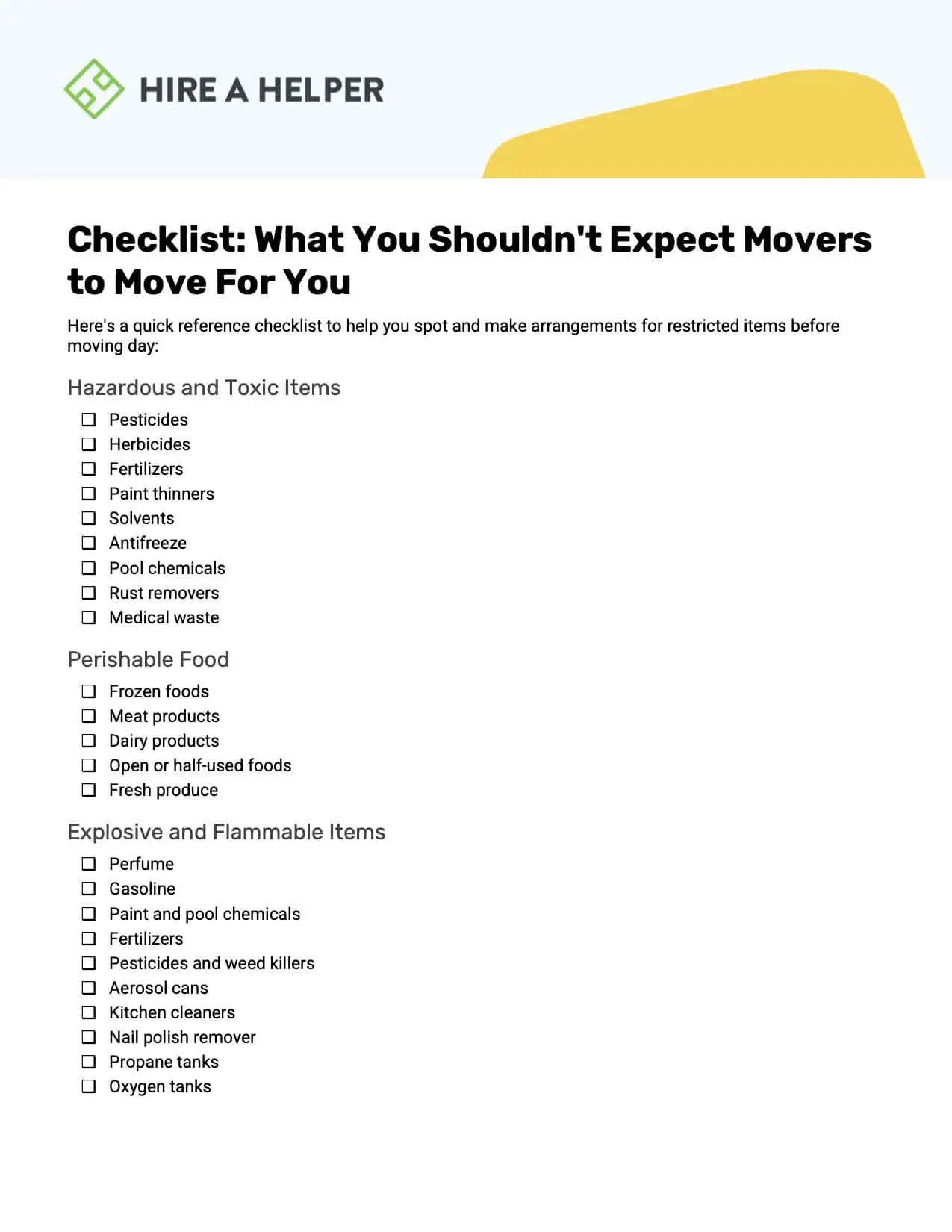
Checklist: What You Shouldn't Expect Movers to Move For You

Here's a checklist you can use as you go through your stuff to help you spot and make arrangements for restricted items before moving day:

HAH_Checklist_Items_Movers_Wont_Move.webp

Recent Articles

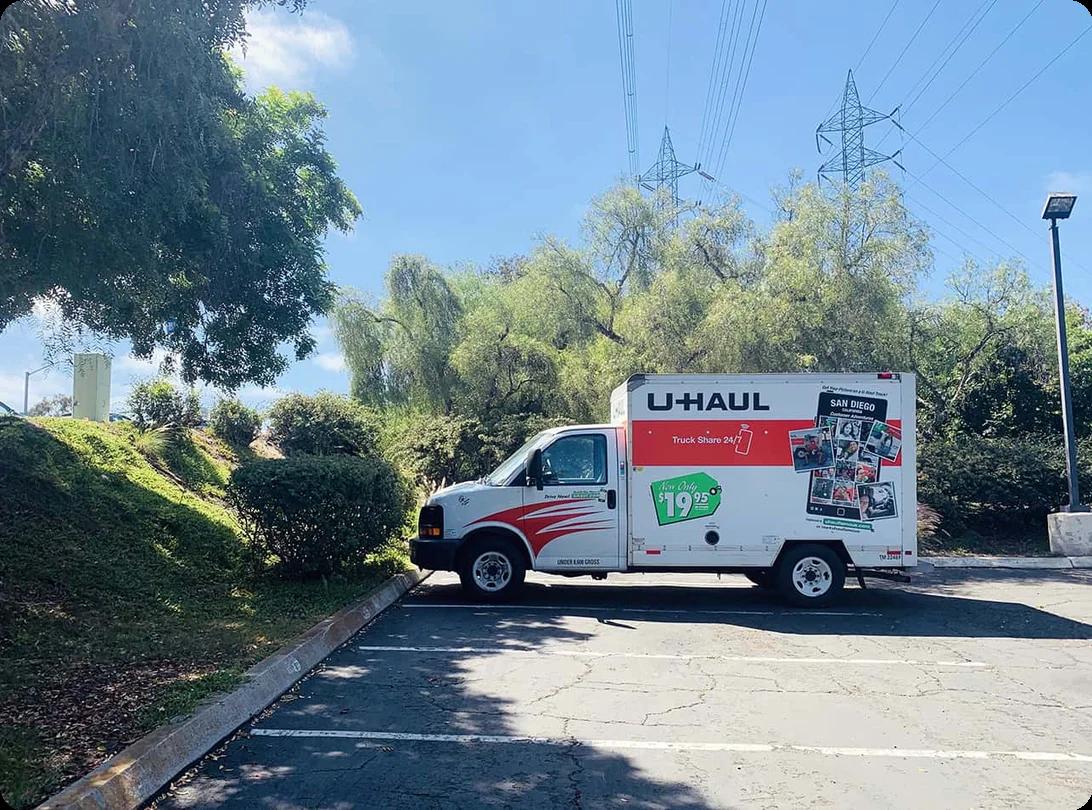
A U-Haul moving truck parked outside displaying the classic $19.95 rental sign

Paying for U-Hauls: How It Works and How to Save

Moving Trucks

Renting a U-Haul is usually straightforward, but the final cost depends on more than handing over your card and driving off with a truck. In short, U-Haul usually does not ask for a deposit if you pay with a major... Read More

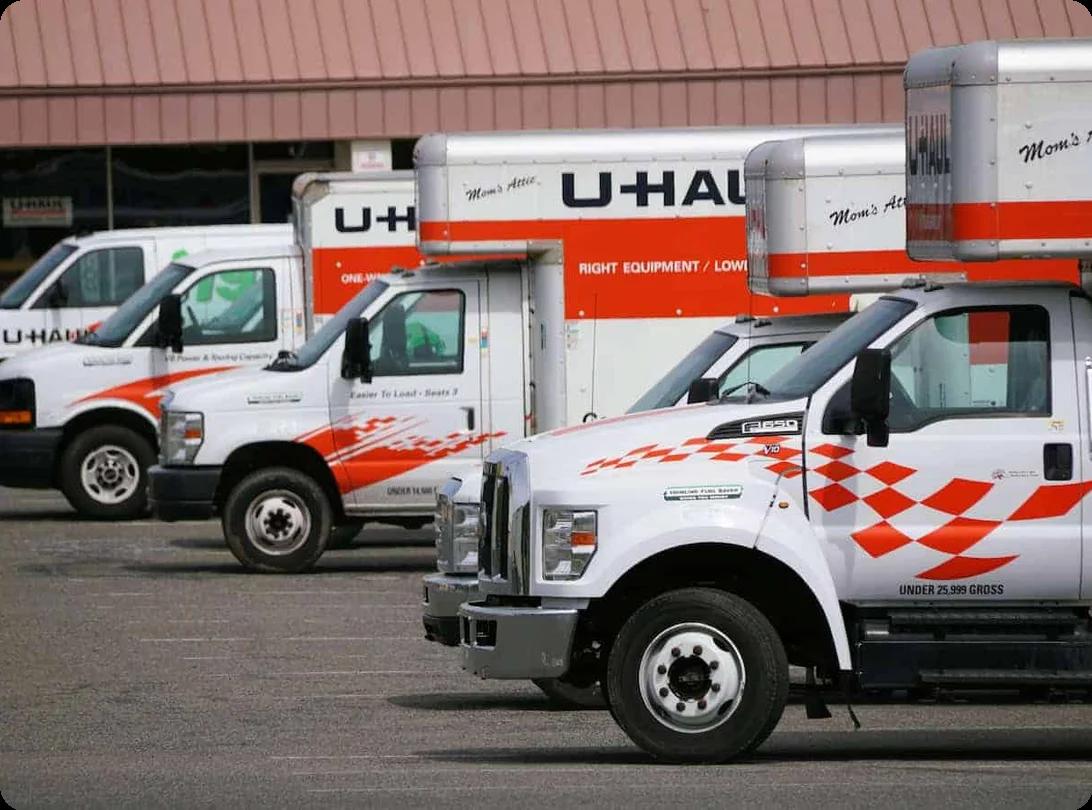
Uhaul trucks of different sizes are parked in a row in a lot

Best U-Haul Alternatives in 2026: Competitor Prices, Reviews and More

Moving Trucks

The best U-Haul alternative depends on what kind of move you’re doing. For a long-distance move, Penske is a great first place to check because the trucks are known for being comfortable on longer drives, and most... Read More

the front facade of a home depot. Product displays and the entrance can be seen.

Home Depot vs. U-Haul Truck Rental: Which Is Better?

Moving Trucks

Choosing between Home Depot and U-Haul for your moving truck depends on the kind of move you’re making. U-Haul is usually the better choice for most local moves, especially if you need more truck sizes, a one-way... Read More

A U-Haul moving truck parked in front of a home with the orange-and-white branding visible

How Much Does a U-Haul Really Cost in 2026? We Found Out

Moving Trucks

U-Haul truck rentals start at $19.95 a day, but that’s just the advertised rate and does not include the full cost of getting your belongings from one home to another. Your real total depends on the truck size,... Read More

The AAA logo set on the side of a AAA-affiliated building

Do AAA Members Get Discounts on Moving Trucks?

Moving Trucks

Yes, AAA members can get discounts on moving truck rentals — often as high as 12% — when booking through select partner brands such as Penske or Budget. These deals are designed to give members added value through... Read More

A car loaded on a car carrier trailer

Tow Dolly vs. Trailer: Which Should You Choose for Your Move?

Moving Trucks

Towing your own car behind a moving truck helps you avoid the cost of a professional auto transport company and saves you from putting extra miles on your personal vehicle. For most DIY movers towing a typical... Read More