Does Renters Insurance Cover Damages When Moving Out?

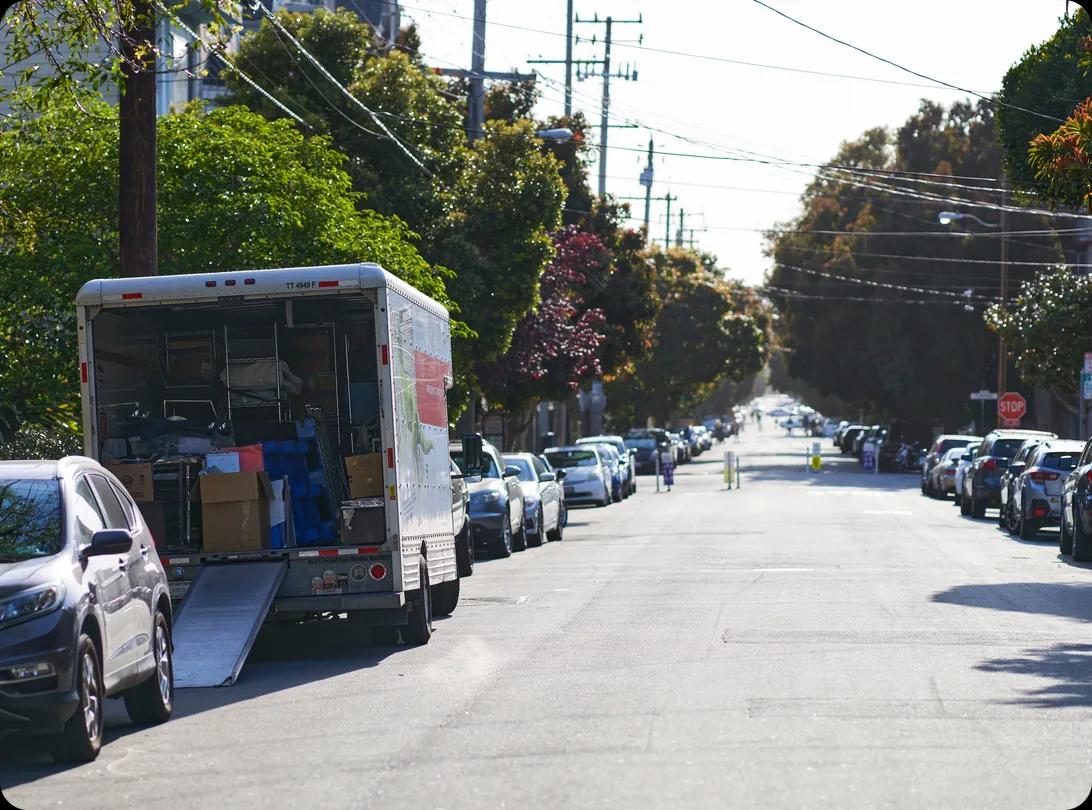
Two people lifting a torn cardboard box beside a moving van

One of the things renters tend to miss about renters’ insurance (also known as tenant insurance) is that it may cover your belongings when you move out if they’re damaged by a covered peril, but it generally does not cover damage to the apartment, normal wear and tear, or items dropped or mishandled during the move. And moving is one of the easiest times to scratch a floor, crack a mirror, lose a box, so you shouldn’t assume your policy covers more than it really does when you start your planning.

HireAHelper helps people find and book trusted local moving labor for packing, loading, and unloading, so we know where move-day damage tends to happen. This guide explains what renters insurance may cover, what it usually does not, and how to avoid a coverage gap when you move.


Last updated: Aug 06, 20268 min read
Karen Bodkin
Written byKaren Bodkin

Key Takeaways

  • Renters’ insurance may cover your belongings during a move if the damage is caused by a covered peril, such as fire, theft, or certain weather events.
  • Renters’ insurance usually does not cover apartment damage, normal wear and tear, or items dropped by you or your movers during the move.
  • Your renters' insurance policy is tied to the address listed on the policy, so you need to update, transfer, or replace it when you move.
  • Do not cancel your old policy until your belongings have arrived and your new policy is active.
  • Moving company valuation coverage or third-party moving insurance can help fill gaps that renters' insurance leaves.
Karen Bodkin
Author

Karen Bodkin

Karen Bodkin is a writer at HireAHelper who's passionate about helping people navigate their moves with less stress and more confidence. She empowers readers by turning the many overwhelming parts of moving into clear, actionable guidance.

Karen draws from a broad writing portfolio that includes home improvement, health, and travel. Her work reflects a deep understanding of life's transitions and a genuine drive to make moving feel more manageable for everyone.

Does Renters' Insurance Cover Your Belongings During A Move?

Renters insurance can cover your belongings during a move when the loss is caused by a covered peril, not simply because the move damaged them. Personal property coverage often protects your items away from home, but only within your policy’s limits, exclusions, and deductible.

"Canceling [your renters’ insurance] too early can create a gap right when your stuff is split between places, sitting in a truck, or temporarily stored."

For example, your policy may help if someone steals boxes from your locked car, a fire damages your belongings in the moving truck, or a covered storm damages items while they’re in transit. However, it ultimately depends on what happened and what your policy says.

Loss-of-use coverage, also called additional living expense coverage, is a separate piece of the policy. It may help pay for temporary housing if a covered loss makes your rental unit unlivable. That is helpful after a fire or covered water loss, but it is not the same as move-day protection for dropped boxes or scratched floors.

What "Covered Perils" Means During A Move

Covered perils are the specific events your policy agrees to insure against. Renters' policies often use named perils, which means your belongings are covered only when the damage comes from one of the listed causes in the policy.

Common covered perils may include:

  • Fire or smoke
  • Theft
  • Vandalism
  • Windstorm or hail
  • Lightning
  • Explosion
  • Certain water damage
  • Falling objects
  • Electrical surges

During a move, your policy might help if your bags are stolen from your car, your boxes are damaged in a fire, or a covered storm ruins your packed items. But it usually will not help if something breaks because it was dropped, bumped, or packed the wrong way.

What Is Not Covered While Moving

Renters' insurance usually does not cover damage caused by the act of moving itself. This is a gap that often surprises people.

Common moving-related exclusions include:

  • Movers, or you, dropping and breaking items
  • Boxes crushed from poor packing
  • Furniture scratched while being carried
  • Normal wear and tear
  • Scuffs, fading, worn carpet, or small dents
  • Mechanical breakage caused by the move itself

For that kind of damage, your best move is to consider mover valuation coverage, third-party moving insurance, or other protection options available through your moving provider.

But the best way to avoid move-day damage is to have your things loaded carefully in the first place. HireAHelper lets you compare reviewed local movers, so you can book help from people who load, unload, and move heavy items all the time.

Does Renters' Insurance Cover Damage to The Apartment When You Move Out?

Renters' insurance usually does not cover everyday move-out damage to the apartment. Your landlord’s insurance typically covers the building, while your renters' policy is mainly there for your belongings and certain liability situations.

There are some exceptions, though. If you accidentally cause sudden, serious damage, like starting a kitchen fire, your liability coverage may help. But it usually will not cover the smaller stuff that happens during a move, like scratched floors, scuffed walls, nail holes, stains, or dents from furniture.

That means most security deposit deductions are not renters' insurance claims. If a wall gets scraped, the floor gets gouged, or furniture leaves marks behind, it is usually handled through your lease, your deposit, the mover’s damage process, or out of pocket.

What Happens to Your Renters' Insurance When You Move Out?

When you move out, your renters' insurance does not automatically become full coverage for your new apartment unless the policy is updated or replaced. The address on the policy matters because it tells the insurer where you live and where your main coverage applies.

You usually have three options:

  • Update the address on your current policy
  • Transfer the policy to the new rental, if your insurer allows it
  • Cancel the old policy and start a new one

Some policies give limited coverage at a new residence for a short moving window, but this varies by insurer and policy. Do not assume the old address, new address, moving truck, and storage unit are all covered at the same time. Call your insurer before move day and ask exactly when coverage starts and ends at each location.

When Should You Cancel Your Old Renters' Insurance Policy?

You should cancel your old renters' insurance policy only after your belongings have arrived, your new coverage is active, and you no longer need coverage tied to the old rental. Canceling too early can create a gap right when your stuff is split between places, sitting in a truck, or temporarily stored.

A safer approach is to keep the old policy active through move day and for at least long enough to confirm your items have been delivered. Then call the insurer and set a cancellation effective date. If you prepaid your premium, ask whether any unused portion can be refunded.

It’s a good idea to check your lease, because some landlords require renters' insurance through the end of the lease term, even if you physically move out earlier.

When Should You Start Your New Renters' Insurance Policy?

You should start your new renters' insurance policy on or before the day you get the keys or begin moving belongings into the new place. That way, your new rental isn't left uncovered while boxes, furniture, and electronics are already inside.

Most insurers let you choose a future effective date when you buy the policy, so set it up before moving day if you can. If your move takes several days, a short overlap between the old and new policies can be useful. It gives you time to move without having to guess which address is protected and risk your items at either end of the move.

Don’t count on backdating coverage after something goes wrong, either. Ask your insurer to confirm the start date in writing well ahead of your move date.

How to Handle The Coverage Gap Between Policies

A gap is a period when neither policy clearly covers your belongings. When it comes to renters’ insurance and moves, it’s usually safer to have an overlap of policies rather than a gap. Otherwise, you’ll be risking your items while they are in transit, split between two rentals, or in temporary storage.

A simple timing plan looks like this:

  1. Set the new policy effective date on or before move day.
  2. Keep the old policy active until your belongings have arrived.
  3. Ask whether items in temporary storage are covered, and whether lower limits apply.
  4. Confirm the new policy is active before canceling the old one.
  5. Cancel the old policy only after delivery and final move-out tasks are done.

Storage is worth asking about directly. Some renters' policies cover stored belongings only for certain losses, time periods, or dollar limits. If your items will sit in a storage unit or moving container, ask the insurer what applies before you rely on the policy.

Renters Insurance vs. Moving Insurance vs. Valuation Coverage

Renters insurance, moving insurance, and valuation coverage all sound similar, but they do not cover the same things. Renters insurance may help if your belongings are damaged by something your policy covers, like fire or theft. But it won't help if a box gets dropped, a dresser is scratched, or something breaks because it was handled during the move.

Here are the basic differences between the three options:

  • Renters insurance: Covers your belongings when the damage is caused by a covered event, like fire, theft, or certain weather damage. It usually does not cover damage from carrying, loading, unloading, or poor packing.
  • Mover valuation: Covers the mover’s responsibility for items they handle. For interstate moves, movers must offer Released Value and Full Value Protection, but valuation is not the same as insurance.
  • Third-party moving insurance: Gives you separate protection for belongings during the move. Coverage depends on the policy, so read the exclusions and claim rules before move day.

Renters Insurance, Valuation Coverage, and Moving Insurance Compared

OptionWhat it coversWhat it does NOT coverBest for
Renters insuranceCovered perils, such as theft or fireDamage from the moving processDamage caused by covered events
Moving company valuationMover liability for items they handleEvery loss, every item value, or policy exclusionsDamage tied to mover handling
Third-party moving insuranceProtection in transitAnything excluded in the policyExtra protection during the move

Why Trust HireAHelper

HireAHelper is a moving-labor marketplace that connects people with vetted, reviewed movers for loading, unloading, packing, and other moving labor. With more than 1,700 vetted movers in its nationwide network and over 1 million moves completed, HireAHelper has practical insight into where moving damage tends to happen and how renters can reduce those risks before moving day.

Frequently Asked Questions

Recent Articles

break up checklist

How to Move Out After a Breakup: A Complete Checklist

Move Planning

If you're moving out because of a breakup, you're probably trying to deal with the logistics and heartbreak at the same time, and that can be overwhelmingly difficult. The best approach is to start with the things... Read More

Health insurance paperwork during an interstate move

How to Get Health Insurance When Moving to Another State

Move Planning

Many people don't realize that they may need new health insurance when moving to another state, and this crucial task is easy to overlook when you're juggling packing, housing, and managing movers. Whether you need... Read More

Setting up internet and cable service after a move

How to Transfer Your Internet and Cable Service When You Move: Step-by-Step Guide

Move Planning

To transfer internet service when you move, first check whether your provider serves your new address, then schedule setup and keep the old service active until the new connection is working. The main thing to... Read More

moving in with partner

The No-Stress Moving In Together Checklist (Including the Money Stuff)

Move Planning

Moving in together is exciting, but it works best when you talk through the practical stuff before the boxes come out. Before you sign a lease or merge households, you’ll need to discuss money, chores, boundaries,... Read More

A person checking off items on a moving inventory clipboard next to a row of labeled cardboard boxes

How to Create a Moving Inventory List and Why It Matters

Move Planning

Moving day gets confusing fast when every box looks the same, and no one remembers where the coffee maker, chargers, or bedding is. A moving inventory list helps you track what you packed, where it is, and what... Read More

Mother and daughter organizing clothes into boxes in a bedroom

What To Store vs. What To Sell Before a Move

Move Planning

The easiest way to decide what makes the move to your new home and what stays behind is to follow this rule: If it costs more to move an item than it does to replace it, sell or donate it. For all other items, you... Read More