What to Know Before Moving Into a City Apartment

A couple happily walks up the stairs carrying boxes and plants into their new city apartment

Moving to a new apartment isn't always easy. Tight spaces, unclear rules, and even hidden fees can quickly derail your carefully laid plans.

To help you avoid any moving-day surprises, we’ve put together this guide on what to know before moving into a city apartment. By the end, you’ll know how to avoid the unexpected costs of moving into an apartment, understand your building’s lease terms and regulations, and learn how to avoid fines.


Last updated: Jun 6, 20254 min read
Kevin The Mover
Written byKevin The Mover

Key Takeaways

  • Confirm move-in dates, times, and quiet hours — many apartment communities restrict moving to specific weekday windows to keep noise down
  • Plan parking and permits before move day — city streets often need a parking permit for the truck, and loading docks may have strict time limits
  • Ask about the building's unloading and disposal rules — staging areas, egress paths, box and packing material disposal, and elevator reservations all vary by building
  • Most buildings require a COI from your mover — request it as soon as you book, since it can take several business days to issue
  • Take floor protection seriously — Masonite or floor runners may be required for hardwood, marble, and shared hallways to avoid damage fees
Kevin The Mover
Author

Kevin The Mover

Kevin Kato is a travel and home services writer with over 20 years of experience as a professional mover.

Having been both a professional mover and a crew leader, Kevin has seen it all in the world of moving: hectic moves, unique packing, bizarre accident claims, truck mishaps, or just run-of-the-mill moves as advertised; there is virtually no situation Kevin hasn't managed. Today, Kevin provides his insights as Kevin The Mover for professional movers and "movees" everywhere.

Know What Date and Time You Can Move In

a couple happily walks up the stairs carrying boxes and plants to move into their new apartment

Moving can be disruptive, and apartments aren't particularly known for being soundproof. Even if you’re mindful, you can make a lot of noise coming back and forth with boxes or rearranging furniture. Quiet hours often apply in apartment communities, so you may have to plan around them.

Traffic, noise ordinances, and general rules can also affect your move-in. If your building uses an elevator, there may be specific hours or days that management allows you to book it.

Depending on your complex, you may have to move in on a Saturday. Others might specify that you have to move on a weekday when foot traffic is lighter. Check your building's move-in policies in advance if you have time constraints for getting everything moved in.


Plan the Best Places to Park Your Moving Truck

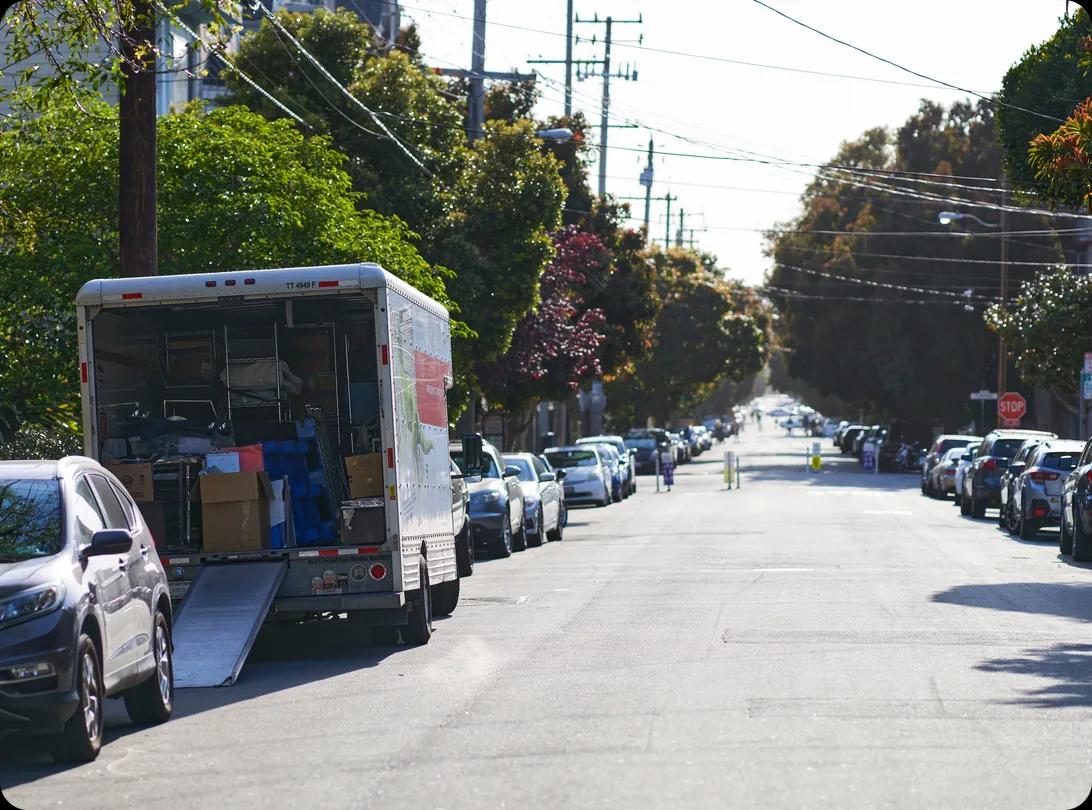
a white moving truck is parked outside of an apartment building

Moving into an apartment is often more complicated than relocating to a house with a clear driveway. And if you live in the heart of a big city, it can be even harder. Ask your management office about hours, time limits, permits, and where you need to park. If you need a permit, apply as soon as possible so processing times don’t delay your move-in.

Some buildings offer a rear service entrance or loading dock. This can make things easier since you have a designated place to park, but you may have to schedule a block of time to use it.


Ask About Your Apartment's Unloading Policy

Before moving day, ask your building management about how and where unloading works. Some apartment complexes require you to unload onto a staging area and move your truck away from the loading dock or service entrance as quickly as possible.

"A COI is a Certificate of Insurance. It lets your apartment complex know that your moving company is insured and provides important coverage details, such as policy limits, effective dates, and other key details."

Others won't allow you to leave items out, or they'll require you to keep clear paths for egress. Don't forget to inform your moving team of any rules or requirements.

Bonus Tip: Know Where to Dispose of Boxes

Many buildings set specific rules for how to dispose of moving boxes and packing materials. Even if a recycling bin is available, they may ask that moving debris not be placed there to prevent it from filling up too quickly.

Your building manager can tell you the preferred way to dispose of boxes. You can also try giving away empty boxes on social media. Or, if you unpack quickly, the movers might be willing to haul the boxes away for you.


Take Floor Protection Seriously

An apartment's floor is protected as a kitchen is remodeled for a move-in

Many buildings require floor protection to prevent damage in shared areas, especially those with hardwood or tile flooring. For example, an area with nice hardwood or marble flooring may require Masonite: wooden hardboards that can prevent damage to the floor while you’re shifting furniture. If you need it, make sure your movers have one on hand. Some buildings may have hardboards available to lend you, so ask ahead of time.

And don't stop at protecting just the floor. Some management companies require additional protection in doorways and stairwells.


Familiarize Yourself With Your Movers’ Insurance

Most licensed moving companies have to provide basic liability insurance. However, some buildings in big cities require proof of moving insurance or even the purchase of extra policies. That way, if an accident happens, they can recoup the cost quickly. Without insurance, you could be left with hidden apartment move-in fees.

"Even if you’re mindful, you can make a lot of noise coming back and forth with boxes or rearranging furniture. Quiet hours often apply in apartment communities, so you may have to plan around them."

If you need proof of insurance, tell your moving company as soon as possible. They'll need time to get a COI form from the office and return it with all the necessary paperwork from their own insurance company. The building may not let you move in if you don't have the proper paperwork filed, so check carefully.


Review City Apartment Moving Rules

There's plenty more to know to make your move seamless. Check with your apartment complex about common rules like:

  • Building move-in hours: Confirm whether there are set moving hours listed in the lease.
  • Elevator reservations: If you need an elevator reservation, familiarize yourself with the process in advance. Make sure you book the reservation early to get the best date and time for moving day.
  • COI requirements: A COI is a Certificate of Insurance. It lets your apartment complex know that your moving company is insured and provides important coverage details, such as policy limits, effective dates, and other key details.
  • Noise and disturbance levels: Evenings and weekends may be subject to noise restrictions. While you shouldn't be particularly loud while moving, you also want to avoid a costly fine for violating regulations.
  • Fire safety regulations: While you move, avoid any fire safety violations. Ensure that you never obstruct fire exits or safety equipment.
  • Parking: Know where to park your moving truck (and where guests should park if friends or family are coming to help you).

Prepare for a Smooth City Move

Ready to make your move as smooth as possible? Check out our moving checklist to make sure you have all the necessary supplies, such as dollies, stretch wrap, and moving blankets.

Additionally, if you're moving on a narrow city street or to the top of a towering apartment building, let us know. We make budgeting for apartment moves easy by providing clear, upfront quotes from local moving companies. Compare services and book trusted, vetted, and highly rated movers through HireAHelper's online platform.

Recent Articles

Penske

Penske Truck Rental Prices and Reviews

Moving Trucks

Penske is a national leader in truck rentals, known for high-quality, newer trucks and offering unlimited miles on one-way trips. In 2026, a Penske truck typically costs between $1,200 and $1,700 for a two-bedroom,... Read More

A U-Haul moving truck parked outside displaying the classic $19.95 rental sign

Paying for U-Hauls: How It Works and How to Save

Moving Trucks

U-Hauls can be found just about anywhere, creating a wide network of easily accessible moving trucks across the nation. You can pick one up in California and drive it all the way to New York, then return it to your... Read More

U-Haul truck parked

U-Haul vs. Hiring Movers: Do You Need Both?

Moving Trucks

For most people, planning a move means deciding between renting a U-Haul and hiring full-service movers. The choice typically comes down to time vs. money. While renting a U-Haul and DIYing your move is a lot of... Read More

A red gasoline can sits on a lawn next to packed moving boxes – an example of what not to load

Things Not Allowed on a Moving Truck (and Why)

Moving Trucks

Packing for a move is already a big job without the need for last-minute surprises, which is why it helps to know what is not allowed on a moving truck before you accidentally pack a prohibited item. Some banned... Read More

weigh station truck

Rental Trucks and Weigh Stations: Do You Need To Pull Over in a U-Haul?

Moving Trucks

If you’re driving a rental truck for your move, you may have a question crop up as you're planning your route down the highway: Do U-Hauls have to stop at weigh stations? The answer to your question depends on what... Read More

gas rental truck uhaul

Rental Truck MPG, Fuel Type, and Policies: What to Know and How to Save

Moving Trucks

As you're planning a big move, knowing the average U-Haul mpg can help you build a realistic budget. There are often charges related to fuel, so when you're driving a rental truck, high gas prices can strain your... Read More