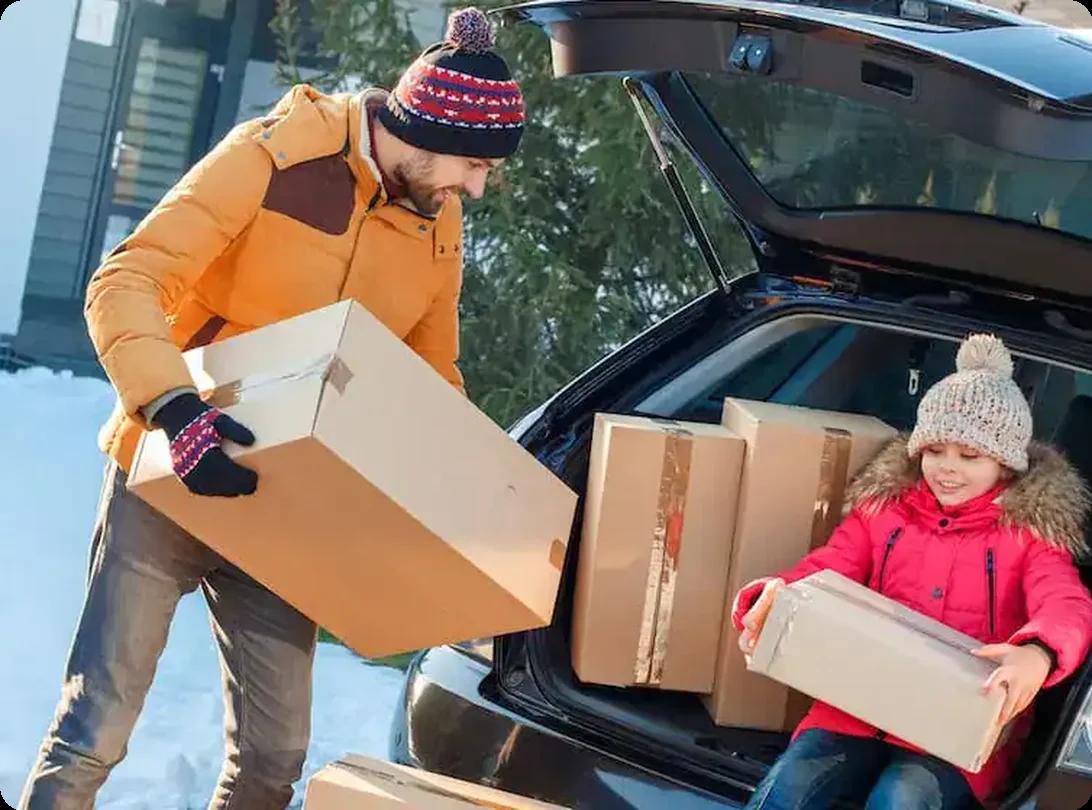
Everything You Need To Know Before Moving Into a Tiny Home

a tiny home on wheels set in the middle of a field

The popularity of tiny home living has increased significantly in recent years, but before you decide to rush out to drop an average of 5 figures on a small dwelling, it's important to understand what you're getting into.

A tiny house is a residence that's typically 400 square feet or less in size. Think of it as living in a space the size of an average 2-car garage. It's just as cozy but much more stylish and homey.

If you've been curious about tiny homes and what makes them appealing, this guide will help you understand the pros and cons of tiny homes, how they differ from traditional homes, and how to make one into the perfect space to meet your needs.


Last updated: Aug 8, 202511 min read
Casey Bond
Written byCasey Bond

Key Takeaways

  • Tiny home living isn't for everyone: it requires major lifestyle changes, dramatic decluttering, and acceptance of permanent space constraints
  • Pros include: lower cost, smaller footprint, simpler maintenance, mobility (for tiny homes on wheels), and a focus on experiences over things
  • Cons include: zoning headaches, financing challenges, less storage, difficulty hosting, and the discomfort of making do with very limited space
  • Living in a tiny house is different: you'll downsize aggressively, develop new daily routines, and adjust to closer quarters
  • Make tiny living work: with intentional design (multi-purpose furniture, vertical storage), a strict declutter cycle, and a backup plan if it's not for you
Casey Bond
Author

Casey Bond

Casey Bond is a reporter covering money, home, and living. Her work has appeared on HuffPost, U.S. News & World Report, Yahoo Finance, MSN, Business Insider, Forbes, and others.

She brings years of personal finance and consumer reporting experience to HireAHelper, helping readers make smart, informed decisions about the costs and logistics of moving.

Is a Tiny Home Right for You?

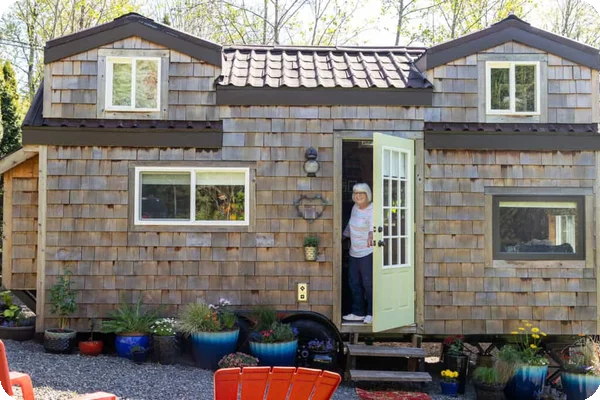
A woman leans out of the doorway of her tiny home

Deciding on buying any home is a big deal, but it's even more so when you're investing in such a small amount of space. A tiny home may not be right for everyone, but it's a great option for those who appreciate:

  • Less debt. The lower cost allows you to carry less debt, even if you're taking out a loan. Paying for it outright means no house debt at all.
  • Affordability. Many tiny houses cost less than $150,000, which is much less than a traditional home.
  • Customization. Tiny homes are often custom-built, allowing you to personalize the layout.
  • Less cleaning. The limited square footage means there's less area to dust and scrub.
  • Lower utility bills. You won't have to use heating and cooling as much to make your space comfortable.
  • Minimalism. Less space encourages owning fewer items, which might be a good idea for someone who is already downsizing.
  • Sustainable living. A smaller home has less of an environmental impact. You can also outfit it with certain features, such as solar panels, to make it even more eco-friendly.

Tiny home living is a lifestyle, usually with a focus on simplicity and minimalism without sacrificing style or meeting basic needs. Ask yourself these questions to help you decide if it's right for you:

Can I handle the space limitations?

Many builders prioritize storage options, such as strategically placed cabinetry, but you'll still likely need to downsize your belongings.

How creative can I get?

You can get creative with everything, including storage solutions (lazy susan shelf organizers) and furniture placement.

Does my town have zoning restrictions?

Before you make a plan or invest too thoroughly in the idea of a tiny home, make sure you’re allowed to have one where you currently live.

“Custom tiny homes typically cost between $30,000 and $150,000. In contrast, traditional homes often cost multiple six figures — and that usually includes the land.”

Contact your local government office to make sure they allow tiny houses in your area.

Do I want a fixed or mobile tiny home?

Some tiny homes have wheels so you can cart yours off wherever your heavy-duty truck with excellent towing capacity takes you. Others stay fixed in one location.

How much can I afford to spend?

There's more money required than just paying for the tiny home. You also have to consider land cost, utility hookups, and various other items not included in the initial home price.

Will I have enough privacy?

It's not something you need to worry about if you're living alone or with a pet. Stick one or more additional people in the tiny home, and it can start to get crowded.

Fast Facts About Tiny Homes

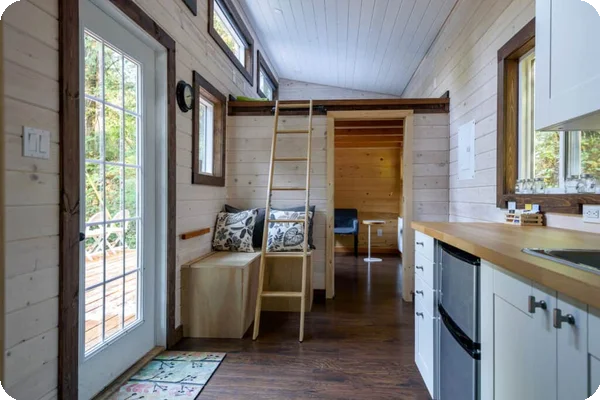
the interior of a tiny home with a ladder that leads up to a loft bed and multiple windows

Interested in a tiny home, but you don’t know enough about them yet? Here are some quick facts about tiny homes to help keep you informed and make your decision easier:

  • Who it's good for: Tiny homes are a great option for first-time homebuyers, those looking to downsize, retirees, and singles. They may even work for couples, depending on how comfortable you are being together in a confined space.
  • Customization options: Customization features really make the home specific to you. Want a covered porch? A built-in faux fireplace? The options are endless, and cost considerably less than renovating a regular home.
  • Size and cost: They're usually 400 square feet or less and cost between $30,000 and $150,000 (for the custom home itself). Land costs vary by size, location, etc.
  • Mobility: A tiny home can be mobile if it has wheels and you have a truck with enough power to pull it.
  • Zoning: Some communities don't permit tiny homes. This isn't a build first, ask questions later situation. You have to find out if they're allowed where you want to live.
  • Mortgage-free living: Approximately 68% of tiny house owners don't have a mortgage.
  • Build time: It typically takes a few months to build a tiny house. Exactly how long depends on factors like the size and customization features.

Pros and Cons of Tiny Home Living

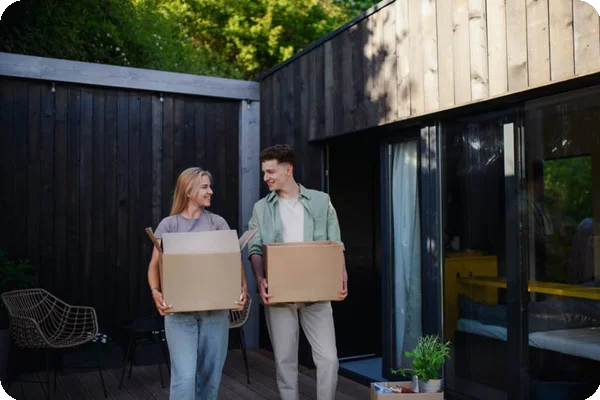
a man and a woman carrying cardboard boxes move into a tiny home

There's no one-size-fits-all home option. It's subjective based on your needs, lifestyle, preferences, style, and how many people and pets you're sharing space with. Here are some of the benefits and drawbacks to a tiny home:

Pros:

  • Affordability: The lower cost of living is a major plus. Tiny homes are generally less expensive to buy or build, require less maintenance, and have lower utility bills.
  • Mobility: Many tiny homes are designed to be mobile, meaning you can pick up and roll off as needed. This makes them an excellent option if you enjoy traveling or want to live in different parts of the country without committing to a permanent address.
  • Environmental friendliness: Tiny homes are often more eco-friendly than traditional homes, thanks to requiring less energy and resources to build and maintain. They also take up less space, which helps preserve natural habitats and open areas.
  • Simplicity: Want to live a simpler life with less clutter? Here's your chance. With less square footage, you have to prioritize your belongings and eliminate anything you don't truly need. As Chloe Lieberman from Wild Abundance puts it, “most of us own way more material objects than we need to live our lives,” and downsizing is key to making a tiny home feel comfortable and livable.

Cons:

  • Limited space: With limited room, you may need to part with larger items like certain furniture, appliances, or hobby gear such as a sewing table. Exercise equipment like a weight bench or rowing machine likely won’t fit either. Hosting guests can be difficult, since there’s often no separate guest room or enough seating, which makes visits less comfortable.
  • Zoning: Some areas restrict the construction or placement of tiny homes. This may make it challenging to find a suitable location for your diminutive dwelling, especially in urban areas.
  • Limited privacy: If you’re sharing your tiny home with someone else, it’s very difficult to get any kind of privacy. For some people, this is no big deal. For others, it’s unbearable.
  • Limited resale value: Yes, tiny homes are gaining in popularity, but they're not ideal for everyone. You'll be appealing to a niche market, which may make it more challenging to sell in the future.

What's Different About Living in a Tiny House?

In some ways, living in a tiny home is similar to living in a traditional house. You still get the independence of your own space, complete with areas to cook, relax, and sleep. However, there are several key differences.

Laws

Judge banging gavel in court

As tiny homes grow in popularity, more local governments are defining what’s allowed — and the rules for RVs or mobile dwellings don’t always apply. That’s why it’s important to contact your local government before settling down. For example, ask whether both fixed and mobile tiny homes are allowed, and what permits you’ll need.

RVs, ADUs, and tiny homes may all fall under the "tiny house" category, but they can differ in regulations and permit requirements. For instance:

  • An RV is usually considered a vehicle rather than a full-time dwelling. Not all states allow people to legally live in them full-time. Check out Dixie RV Doctor to see if your state allows full-time living in an RV.
  • A tiny home on wheels typically leans into the RV category, but one on a foundation leans toward a traditional home. Don't underestimate the impact of the wheel! Mobility makes a significant difference, so consider it thoroughly before buying your tiny home.
  • An ADU usually requires the same local building permits and inspections as a traditional home.

Bottom line: There’s no one-size-fits-all rulebook. Regulations vary by state, city, and even HOA. Do your homework and ask about permits for things like occupancy, plumbing, and electricity to avoid surprises.

Finances

Custom tiny homes typically cost between $30,000 and $150,000. In contrast, traditional homes often cost multiple six figures — and that usually includes the land. Unless you're buying an existing tiny home, expect to purchase land separately.

You likely won't qualify for a traditional mortgage on a tiny home, especially if it's on wheels. But there are alternative financing options:

  • Chattel mortgage: These loans are available for manufactured homes that are mobile. They come with shorter repayment terms and slightly higher interest rates than traditional mortgages.
  • RV loan: If your tiny house isn't built on a foundation, you might be eligible for an RV loan. You may be able to qualify for lower interest rates, depending on your credit score.
  • Personal loan: This may be a good option for you if you qualify. However, personal loans usually come with high interest rates.
  • Home equity loan: If you already own a traditional home and have equity, you may be able to take out a home equity loan to finance your tiny house. It depends on various factors, including your credit score.

Depending on the type of tiny home you choose, you may not qualify for traditional homeowner's insurance coverage. You may have to get alternative coverage, such as an RV policy.

Community
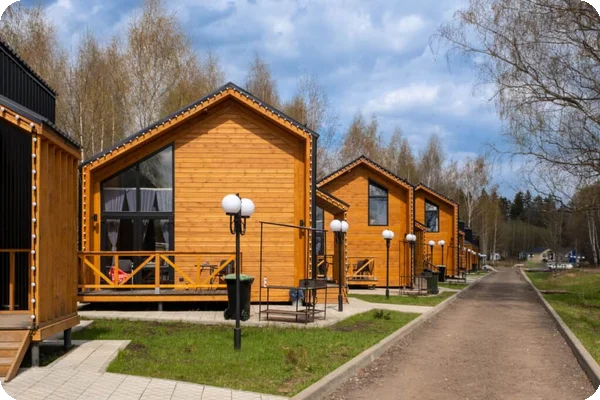
a group of cabin-style tiny homes in a community

Many tiny house owners have created their own communities, both in person and online, which can benefit anyone new to the lifestyle who could use some support. These communities are usually ideal for those who prefer an eco-friendly and/or minimalistic lifestyle. Before you set up your tiny home, think about:

  • Your ideal setup: Abby Shank, founder of Tiny Estates, advises asking yourself, "One of the primary considerations is whether you want to place your tiny home in a community of solely tiny houses, an RV park, a mobile home park, someone's yard or private set up, or maybe a combination of multiple types of units on a property."
  • Legal requirements: Find out whether you’ll need to have your tiny home certified and what zoning or building codes apply in your area.
  • Utility hookups: Check if the community includes electrical, sewage, and plumbing connections, or if you’ll need to install them yourself.
  • Vehicle classification: Some states require wheeled tiny homes to be registered as motorhomes, which can affect your eligibility for RV or trailer park living.
  • Amenities: Explore what’s available, like spacious lots, laundry access, and parking.
  • Fit: Consider the overall culture and lifestyle of the community to see if it aligns with your preferences.

Portability
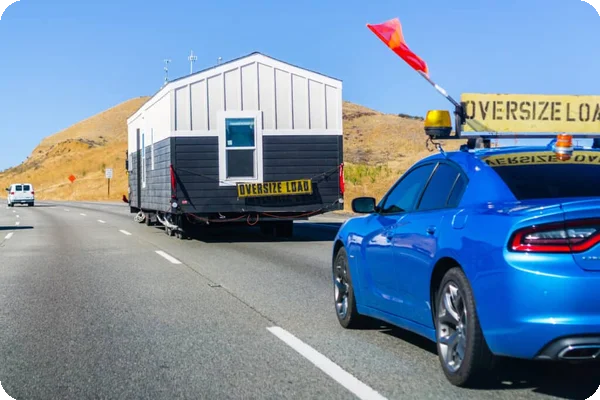
a manufactured house being moved via truck

Many people love the idea of traveling but don’t want to give up the comforts of home. This can be especially true if they have kids or pets. With a tiny house, you can feed your wanderlust while still retaining a sense of normalcy.

If your home is on wheels, it's easy to hook it up and go — as long as you do the prep work first, like disconnecting utilities and confirming your truck can handle the load. Just keep in mind that you'll also spend more on fuel when you're towing a house behind you. The exact amount depends on your vehicle, your home’s size, and your travel distance.

Moving a non-mobile tiny home is not a job for amateurs, so it's a good idea to hire professional movers who specialize in this task. It usually involves lifting the house from its foundation and placing it on a flatbed truck or trailer. The average cost is around $1,000, but it can range from $500 to $3,000, depending on distance and complexity.

Before you plan your move, double-check local and state transport laws. Some areas may have restrictions or require special permits.


Making Tiny Home Living Work for You

The key to living in a tiny home is making it work for you. This can mean taking steps like significantly downsizing your belongings, swapping out your current furniture for more compact options, and learning creative ways to stay organized. Let's talk about how to make it happen.

Determine the Right Tiny Home Type and Style

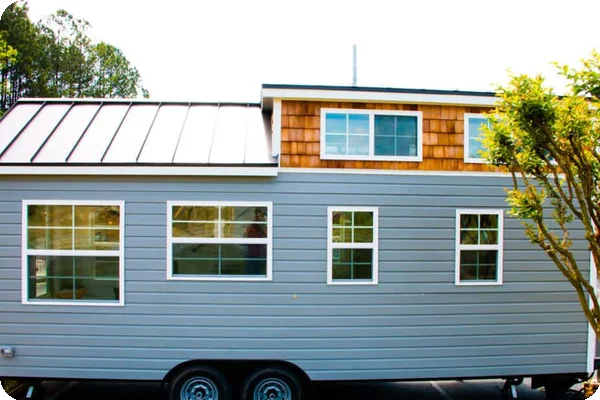
a blue tiny home on wheels

Before moving, it helps to understand the various types of tiny homes to see what might be best for your lifestyle and circumstances:

  • Tiny house on wheels (THOW): These are usually built on a trailer or other mobile platform, making them easy to move from place to place. Ran Andasan, a contributor at Tiny House, explains, "If you're looking for a more flexible living situation, adding wheels to your tiny house may be the way to go, but here's the thing: tiny houses on wheels are usually smaller than those on a foundation. So you need to be okay with a more snug living space."
  • Accessory dwelling unit (ADU): These small, secondary homes are on the same property as a primary residence. You can use them as rental units or as an additional living space for family members. Depending on where you live, you may need permits to place or build one on your property.
  • Recreational vehicle (RV): These are ideal for those who love to be on the go without limits. The most common RVs used for tiny home living include the Class C motorhome, tow-behind trailer, and large Class A motor coach.
  • Skoolie: These are converted school buses with interiors (and sometimes exteriors) reimagined as tiny homes.
  • Shipping container: These houses are made from repurposed shipping containers. They're surprisingly easy to customize, and they're expandable.
  • Cabins: The classic wooden cabin remains a popular tiny home option.

Prioritize What's Important

Some decisions will be easier to make than others about what you want to keep. For example, do you really need a cabinet full of plastic takeout containers? Definitely not.

“Approximately 68% of tiny house owners don't have a mortgage.”

If you haven't used it in years, it's broken, you hate it, or it belonged to your ex-partner, you almost certainly don't need it. Family heirlooms, clothes that fit and you wear often, birth certificates, and artwork you love are some items worth keeping.

Downsize, Downsize, Downsize

It's amazing how many items we can acquire throughout our lives, often without even realizing it. If you're moving to a tiny home, be brutal with your decisions about what you're keeping.

Tackle one room or area at a time, using 4 labeled baskets: "sell," "garbage," "donate," and "keep." This makes sorting easier and less overwhelming. Once you're done, take the baskets with you — they're perfect for organizing seasonal items in your new space, and their stackable design saves valuable floor space.

When you're done for the day:

  • Toss the garbage
  • Sell items online or put them aside for a garage sale
  • Box up the "keep" items
  • Put the "donate" items in a bag by the front door for pickup or dropoff

Once you've downsized, consider doing a second round to avoid bringing more than you need. The less clutter you bring, the more comfortable and spacious your new home will feel.


FAQs About Tiny Home Living

Here's some more key information about tiny home living.

Recent Articles

Several wine bottles of different types sit on a table and are packed into cardboard boxes for a move

What You Need to Know About Transporting Alcohol During a Move

Tips & Advice

If you're planning a move as a homebrewer or an alcohol collector, you might be wondering — is it illegal to transport alcohol across state lines?

You're probably not alone. Homebrewing isn’t as trendy as it once... Read More

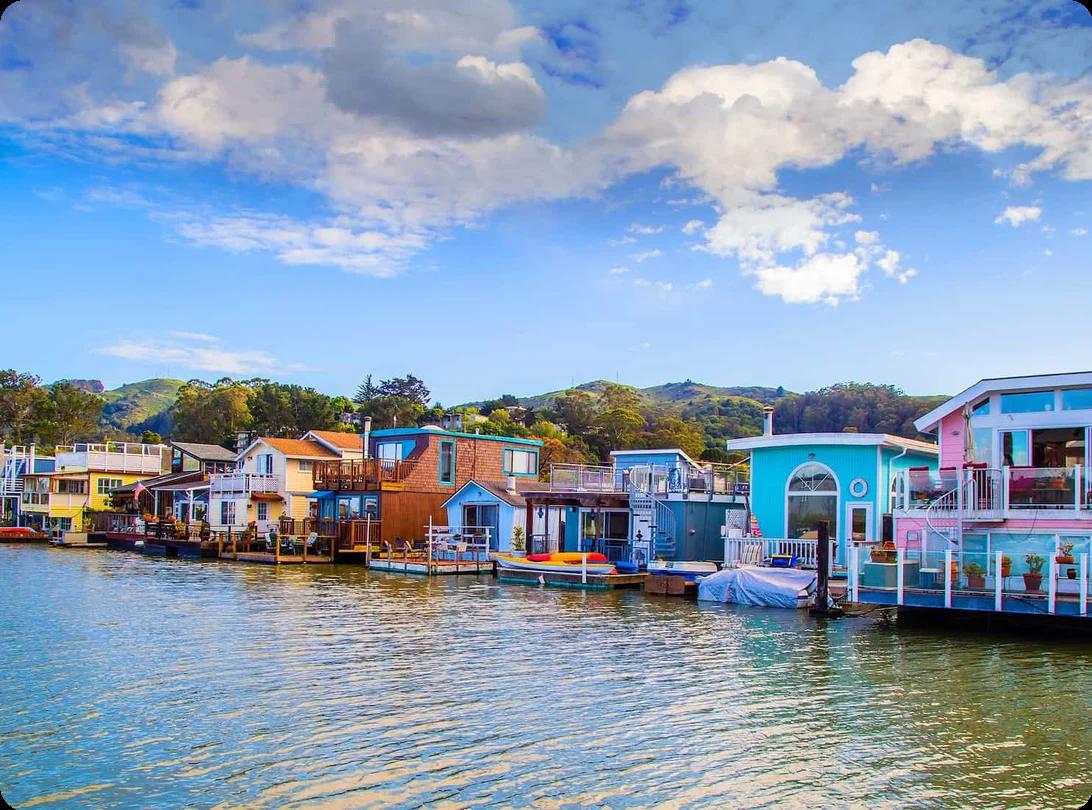
a neighborhood of colorful floating homes on a harbor

Tips for Moving Into a Floating Home

Tips & Advice

A floating home is usually positioned on calm waters, such as on a lake, bay, or river. This twist on the traditional home is a unique way to embrace the peacefulness of nature while still having the convenience... Read More

Man overwhelmed by moving stress, surrounded by cardboard boxes and laptop on couch

The Moving and Stress Guide: Statistics, Tips, and More

Tips & Advice

If you're feeling overwhelmed by an upcoming relocation, keep in mind that moving stress is completely normal. Moving stress is so common that 55% of people rate the experience as "highly stressful," and they rank... Read More

A couple shakes the hand of one mover while others move boxes out of a truck in the background

The Most Important Questions to Ask Movers (and Yourself) Before Moving

Tips & Advice

There are a ton of options for moving companies, but you need the right questions to ask movers to make sure you pick the best option. After all, these are the people you're going to trust with your furniture and... Read More

A professional organizer labeling moving boxes in a tidy, well-prepared kitchen

Moving Tips and Tricks From 12 Professional Organizers

Tips & Advice

If you're counting down to moving day and find your to-do list getting longer, some moving tips and tricks from a professional organizer can get you on track. We have tried-and-true strategies from a dozen experts... Read More