Expert Panel - Full Q&A
Keith Meadows

Keith Meadows, Executive Director at Disability Solutions
Keith Meadows is the Executive Director at Disability Solutions, leading nearly a decade of impact in accessible product development and client implementation. Passionate about driving inclusive environments and equitable employment, Keith empowers organizations to embed accessibility in every project.
What are common accessibility mistakes people overlook when moving into a new space, and how can they avoid them?
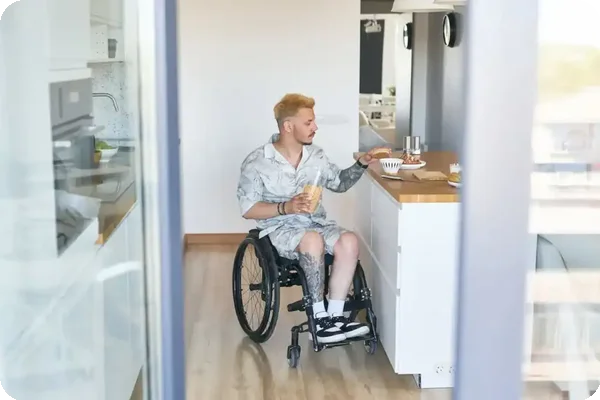
When moving into a new space, it’s easy to overlook essential accessibility features. Small details can make the difference. For example, small steps or high thresholds at doorways can impede wheelchairs or walkers, poor lighting can complicate navigation or visibility, countertops might not be the right height and switches or outlets might be out of reach. It’s also important to consider sensory and cognitive needs. For instance, does the doorbell have a visual alert for people who are Deaf? Are cabinets unlabeled, making them difficult for those with cognitive disabilities?
Furniture placement is another factor; narrow or cluttered pathways can pose challenges for mobility devices and create hazards for individuals with visual impairments. To avoid these issues, visit the space beforehand with mobility or assistive devices. Instead of simply asking if the space is accessible, think about whether someone can live there independently and confidently.
When moving into a new space, don’t overlook the small details, they often make the biggest difference. Taking time to notice and address these early on can make your new place far more functional from the start.
Emily Parker

Emily Parker, Blog Writer at Goally
Emily is a seasoned blog writer for Goally, leveraging her extensive background in child psychology and special education to provide valuable insights for parents of children with disabilities. Her commitment to understanding unique needs, combined with expertise in educational strategies and visual supports, makes her a credible and empathetic voice for families navigating challenges.
Do you have any tips for creating visual or routine-based supports to help children with disabilities understand and cope with the many changes involved in relocating?
Moving with children who have disabilities can be overwhelming, but visual supports and structured routines make relocation much more manageable. Here are proven strategies for helping special needs children navigate the stress of moving day.
- Create visual moving schedules early. Start three weeks before your move by creating a visual countdown calendar.
- Photograph your new house, the moving truck company, and packing boxes. Show these visuals daily, saying "In 10 days, this truck will help us move to our new house." and continue to countdown day by day.
- Make a moving day visual schedule. Design a simple picture schedule: eat breakfast → movers arrive → boxes go on truck → drive to new house → unpack toys. Use laminated cards or consider digital visual schedules like Goally that won't get lost during moving chaos. Let your child check off each completed step.
- Pack a "First Day" Box. Include their favorite comfort items, visual schedule materials (paper-based or digital), and familiar snacks. This box travels with you, not on the moving truck.
- Set up their bedroom first. Before unpacking anything else, recreate their bedroom layout identically. Same bed placement, nightlight, and stuffed animal arrangement provide immediate comfort for children with disabilities.
These moving tips for children with disabilities can transform a stressful relocation into a manageable adventure for the whole family.
Mathew Cagney

Mathew Cagney, CEO of ShiftCare
Mathew currently serves as the CEO of ShiftCare, a care management software company. Prior to this, Mathew held leadership positions in companies including Renewtrak, Afterpay, Sandstone Technology, and Veda Advantage
What should people with vision or hearing impairments consider when planning a move to ensure the new home is accessible and safe right away?
When moving with a vision or hearing impairment, or supporting a child or person who lives with one, it’s essential to plan for accessibility and safety from day one. For those with low vision or blindness, look for clutter-free layouts, consistent lighting, and the ability to add tactile markers or smart lighting. Voice-activated systems and non-slip flooring can also help with navigation and independence.
For hearing impairments, check that the home supports visual alert systems, such as flashing smoke alarms or vibrating doorbells. If intercoms are used, ensure they can be adapted for visual signals. Visit the property at different times of day to assess natural light, background noise, and any potential hazards.
Where possible, complete accessibility modifications, like ramps or visual indicators before moving in. Keep essential items, such as mobility aids or communication tools, with you rather than in the moving truck.
ShiftCare Family Portal can help families stay connected with carers and informed throughout the transition, providing a sense of stability during a time of change.
Alicia Trawtwein

Alicia Trawtwein, Founder of The Mom Kind
Alicia Trautwein is an autistic advocate, speaker, and mother of four—three of whom are also autistic. She created The Mom Kind to help parents raising neurodivergent kids with real-life strategies and heart. Through her blog, podcast, and speaking events, Alicia reaches thousands of families, empowering them to feel seen, supported, and never alone in their journey.
How far in advance should parents with kids with a disability start planning their move, and what should be on their planning checklist?
As soon as you know you're moving and where you're going, that's when the planning should start. For kids with disabilities, changes in routine and environment can feel overwhelming. Giving them time to mentally and emotionally prepare is one of the most important parts of the process.
Start with what matters most to them. Talk about their new room. Show photos of the house if you have them. Let them help choose something special for the new space. Keep routines steady before, during, and after the move to provide a sense of security.
Have ongoing conversations about what’s happening and what to expect. Another great option to make things go more smoothly is using visual schedules or social stories. These tools can help explain what moving looks like, from packing up to the first night in the new home. The more familiar it feels, the safer it becomes.
Once your child feels emotionally prepared, it's time to start looking at outside support systems. Check into local schools, therapy providers, and nearby doctors. These details take time to set up, and early research can help avoid gaps in care.
You can’t remove all the stress, but you can create calm where it matters most. It’s not about making the move perfect. It’s about making it feel safe. With the right plan, you absolutely can.




 Karen BodkinJul 20, 2026


.png&w=64&q=75)