Make sure your fish have enough room to swim around. If they're in a bag, fill it about one-third full with water, leaving the rest of the space filled with air. Use your current aquarium water to fill the containers.
If you're transporting your fish in bags, consider placing them in a dark cooler with individual bags wrapped in bubble wrap to keep them from shifting around too much.
If you have to transport your fish for longer than a few hours, it can get complicated. Contact your local fish store for advice on how to keep fish safe for longer periods.
3. Removing and Storing Water
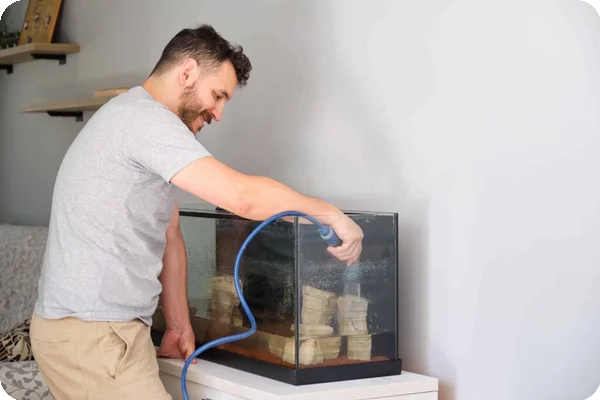
Before you can move your aquarium, it needs to be completely emptied. But don't dump your aquarium water! It's recommended to move 75% to 80% of the existing water if possible. Most people choose 5-gallon buckets to store aquarium water because they are readily available and easy to carry. Use a siphon to fill buckets, then seal them with a tight-fitting lid.
4. Packing Accessories and Substrate
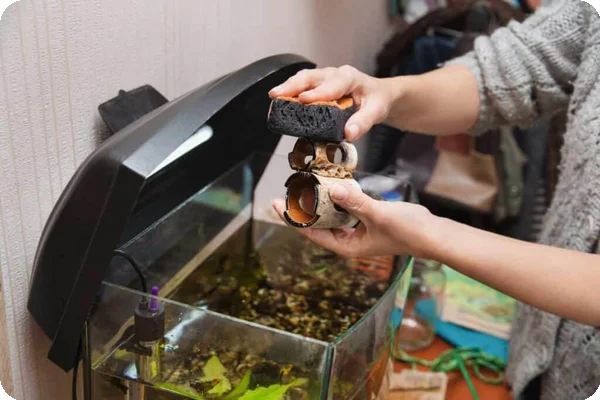
Remove any decorations and place them in buckets. Since they may be waterlogged or leak, keeping them in buckets helps minimize the mess. Alternatively, you can wash and dry them, then pack them in boxes.
Put the substrate in a 5-gallon bucket to avoid a watery mess. You may need more than one, depending on the size of your tank.
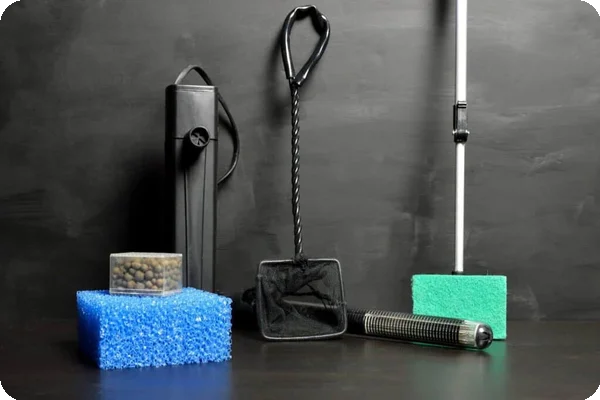
Pack electronics like heaters and pumps carefully, wrapping them in bubble wrap to prevent damage.
5. Cushioning and Boxing the Tank
Once the tank is completely empty, dry it with towels, then wrap the exterior with bubble wrap. Choose a durable box or crate large enough to accommodate the tank standing upright—they're not meant to be placed on their sides. Carefully move the tank into the container, then pack the gaps between the tank and the container with paper.



 Karen BodkinSep 1, 2026



.png&w=64&q=75)