Close the Box with Tape

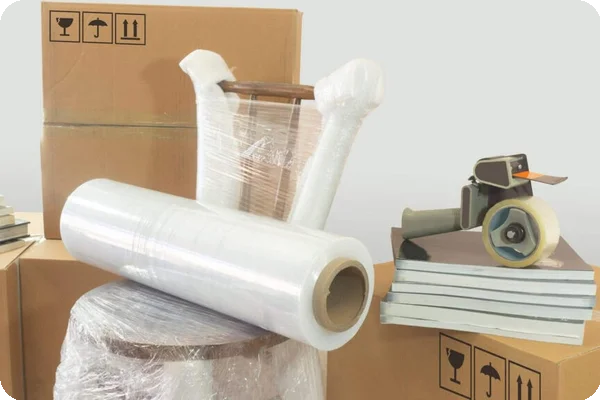
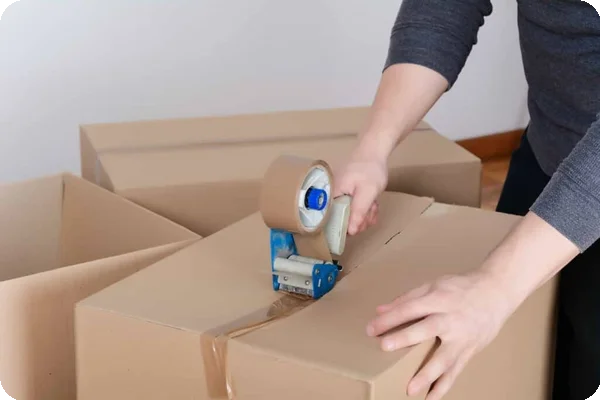
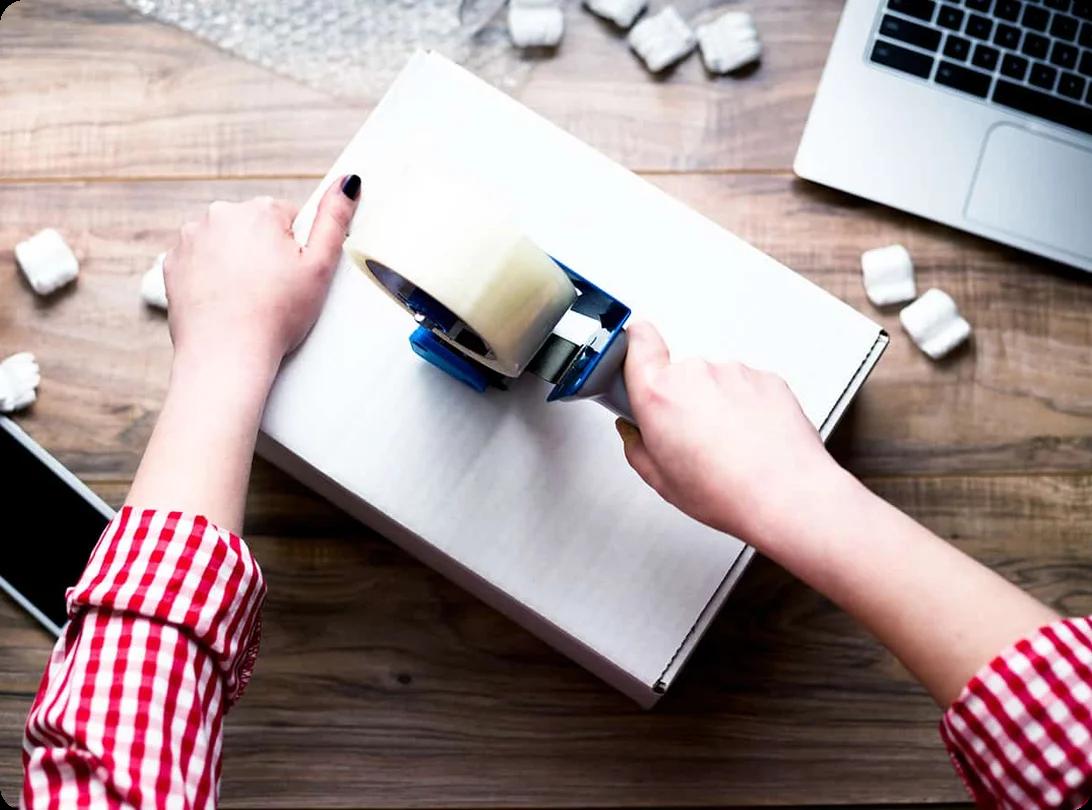
Once your box is full, it's time to close it the same way you sealed the bottom during construction. Fold down the shorter flaps, then the longer ones. Apply packing tape (not duct tape!) across the middle seam, then reinforce along each edge.
However, if your box is too full or not full enough, it’s not going to close correctly. If the flaps won’t lie flat or the sides are bulging, it’s probably overfilled—and you’ll need to reconfigure or remove some items for a better fit.
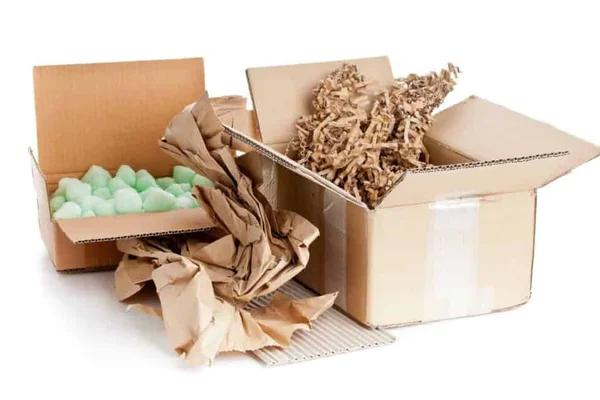
Conversely, under-filled boxes can also be an issue. Items can shift around and bang into each other inside. If there's anything fragile in there, it's bound to get broken. It's also not uncommon for half-filled boxes to cave in during loading or unloading because they can't maintain their shape. Either find more to add to the box or fill the empty space with packing materials or padding supplies.
Is It Better to Tape or Fold Moving Boxes?
Taping your moving boxes gives them more structural security and minimizes the risk of the bottom collapsing. You should tape your boxes whenever possible to avoid this. There are plenty of videos online showing you how to fold boxes without tape, but it's generally not recommended.
However, if you're packing something lightweight, like a box full of your kid's plushies or some pillows, you can probably get away with a quick fold method. Just keep in mind that the box might not stack as well and that you should be cautious about putting too much on top of it.



 Karen BodkinAug 28, 2026