How To Pack Lamps: A Definitive Guide

A woman puts a white lamp into a box with bubble wrap

Whether you're moving into a dorm or merging households with your new spouse, you need your favorite items to arrive undamaged. Learning how to pack lamps for a move is essential for avoiding broken bulbs, chipped shades, and unexpected lighting malfunctions.

HireAHelper has seen thousands of moves, so we know a thing or two about how the pros pack and haul delicate items so follow these packing tips we’ve compiled for lamps to ensure a smooth move.


Last updated: Jun 27, 20256 min read
Melanie Morris
Written byMelanie Morris

Key Takeaways

  • Lamps have three vulnerable parts: base, harp, and shade — each needs separate packing to avoid breakage
  • Supplies: packing paper, bubble wrap, medium boxes, and a lamp box (or large box stuffed for shade protection)
  • Disassemble fully: remove bulb, shade, harp, and finial — bag small parts together and tape to the base
  • Wrap the base in bubble wrap, pack it vertically with packing paper around it, and pack the shade in its own box with tissue
  • At destination: reassemble carefully, replace bulb, and check the cord and switch before plugging in
Melanie Morris
Author

Melanie Morris

Melanie Morris is an editor, writer, and one of the sharpest moving experts at HireAHelper. Seven years spent answering readers' toughest questions and demystifying a process most people dread has made her an authority on what movers actually need to know — and how to explain it without the jargon. Her own relocations around the Southwest and up and down the West Coast give her the firsthand experience to back it up. Whether you're crossing the country or just moving down the block, Melanie makes sure the advice you get is accurate, trustworthy, and easy to act on.

Supplies Needed to Pack Lamps Safely

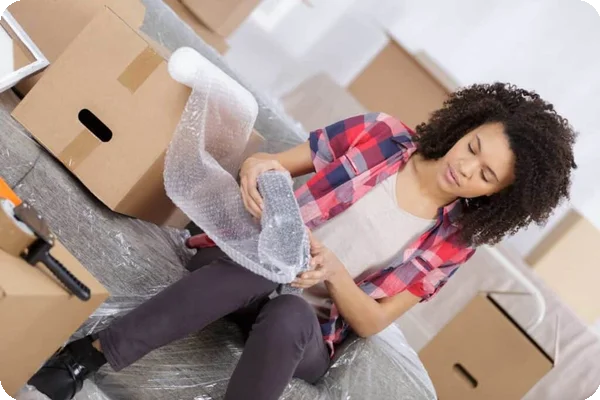
A woman wraps a component in bubble wrap. She is surrounded by moving boxes and there is a roll of packing tape nearby.

Lamps have bulbs, shades, and other delicate parts, so a successful move starts with the right packing supplies. Gather these items first:

  • Bubble wrap: Bubble wrap uses tiny air bubbles to protect fragile objects or glass lampshades from damage.
  • Foam peanuts: Foam provides extra cushioning for fragile objects.
  • Packing paper: Use packing paper to fill empty spaces in your moving boxes.
  • Twist ties or elastic bands: These are ideal for keeping lamp cords out of the way.
  • Packing tape: Packing tape is sturdy enough to keep large boxes closed during the moving process.
  • Masking tape: Masking tape is easy to remove, making it ideal for securing packing materials and creating labels.
  • Boxes large enough for each shade and base: To keep your lamps in excellent shape, you'll need to pack them in boxes rather than stacking them in a vehicle on their own.
  • Permanent marker: Use a permanent marker to label each box.
  • Old towels, blankets, or cloths: Soft items are ideal for adding extra cushioning during transport.

You can get most of these items at any general merchandise or home improvement store. Save money by asking friends or family members to share extra supplies.


Step-by-Step Guide for Packing Lamps

Even though they’re delicate pieces, moving with lamps is easier than you think. Simply unplug each lamp, remove the detachable components, and pack everything in well-cushioned boxes. Here's a step-by-step guide to help you save time.

1. Unplug Each Lamp
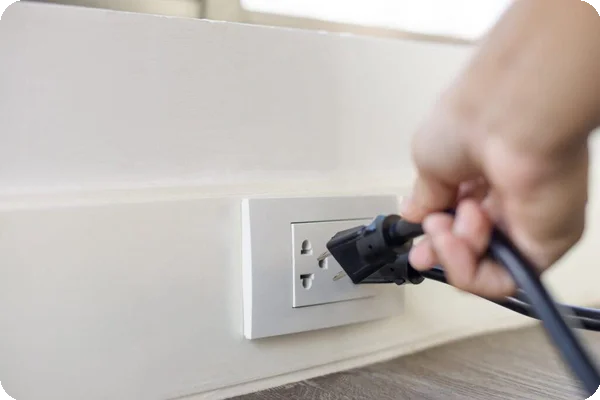
A person unplugs a black cord from a wall socket

The first step is to unplug each lamp and separate the components. Here's how to get started:

  • Unplug each lamp you want to pack.
  • Wrap the electrical cord around the base of each lamp to keep it out of your way.
  • Secure cords with elastic bands, twist ties, or masking tape.

Finish by wiping each lamp to remove dirt, pet hair, and dust bunnies. You don’t want to track that stuff into your new home, so it’s best to take care of it before you pack the lamp away.

2. Remove Detachable Components
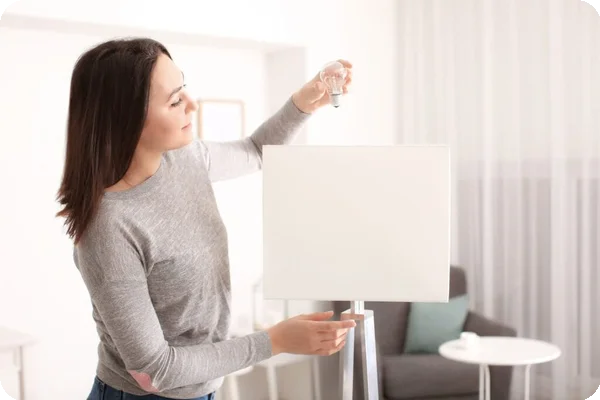
A woman removes a lightbulb from a white floor lamp

Next, remove all detachable components from your lamps. Separate the shade from the base first. Then remove the bulbs, harps, and finials. Harps are the U-shaped parts that fit over the sockets, while finials are decorative elements used to hold shades in place.

Once you remove the bulbs, cover them with bubble wrap and put them in a box to prevent them from shattering during transport. Place the harp, finial, and screws from each lamp into a separate zipper storage bag. Mark each bag with the name of the corresponding lamp (e.g., "Living Room Floor Lamp") to make it easy to reassemble everything later. Finish off this step by placing the zipper bags in a box, or taping them on the inside of the box their respective lamp is in.

3. Pack the Shades

Now it's time to pack your lampshades. Follow these steps:

  • Wrap the shades in packing paper or bubble wrap.
  • Place each shade in a box.
  • Add foam peanuts or other packing materials to prevent the shade from moving around. Avoid using too much material, or you might end up crushing the shade.
  • Write "Fragile" on the side of each box and label which side is up.

Keep your work area organized by setting these boxes to the side until you're ready to load your vehicle. It also helps prevent damage when the boxes are out of the way and there's less of a risk of anyone or anything bumping into them.

4. Pack the Bases

When packing lamps for a move, it's all about protecting the base. Wrap the bottom of each lamp in thick paper, old cloths, or bubble wrap. If you use paper, secure it with packing tape, but don't attach the tape directly to the lamp. The sticky surface might rip off some of the paint.

"For best results, choose a box that's slightly larger than your lampshade or base. If the box is too big, the lamp is likely to move around, increasing the risk of damage."

Next, put the base in a box. If you're working with a floor lamp, look for something tall and narrow. Smaller boxes are ideal for table lamps and accent lights. After placing the lamp upright, surround it with plain packing paper, foam peanuts, or other materials to prevent it from tipping over. Remember not to crowd the box with packing materials.

Wrap up by sealing the box with packing tape and writing "Fragile" on the side. Repeat this process until all your lamps are in boxes.

5. Load the Boxes Into Your Vehicle

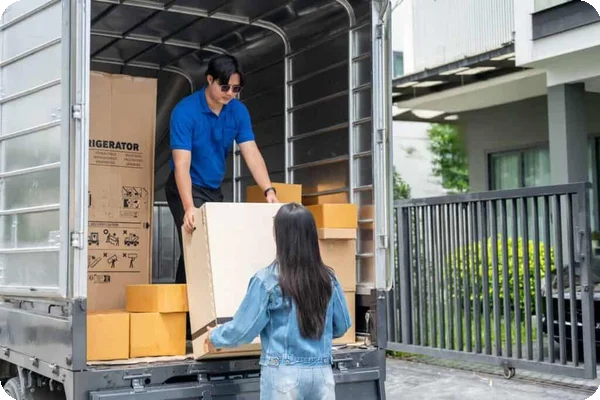
Two people load a box into a moving truck

Once you've mastered the packing process, it's time to load your vehicle. Follow these tips to keep your lamps in tiptop shape during the move:

  • Load the boxes right side up. If needed, draw arrows to indicate which direction each one should face.
  • Put tall boxes on the floor of the vehicle.
  • Stack small boxes containing lamp shades, light bulbs, and other components on top of heavier items.

How to Transport Lamps Safely

Once you have everything nestled inside well-cushioned boxes, it's time to transport your lamps to their destination. To prevent breakage during the trip, use retractable straps to secure each box inside the vehicle. Alternatively, you can place old blankets or towels on the floor to provide extra cushioning when driving over speed bumps or potholes.


Unpacking and Reassembling Lamps

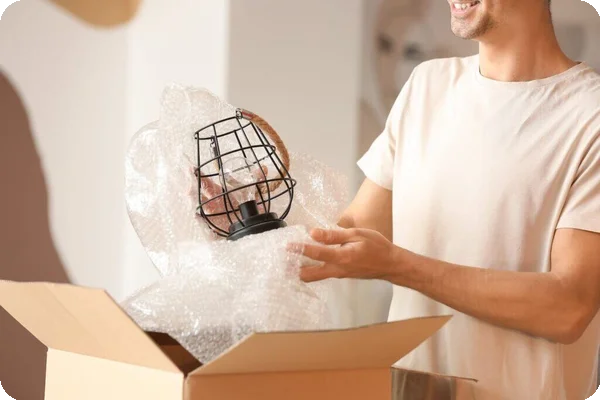
A man removes a lamp part from bubble wrap and a box

You did it! All your packing preparation has paid off, and now it's time to set up your new home. Here's how to get your lamps unpacked and reassembled quickly:

  • Locate the box with a lamp base in it. Open the box by using scissors or another sharp object to cut through the seal.
  • Find the box with the matching lampshade. Break the seal.
  • Remove the base and the shade from their boxes.
  • Open the boxes containing your bulbs, harps, and finials. Find the components you need to assemble your first lamp.
  • Attach the harp, if applicable.
  • Install the bulb.
  • Attach the lampshade to the base.
  • Secure the lampshade with the corresponding finial.
  • Plug in the lamp and make sure it works.

Repeat this process until all your lamps have been reassembled.

Learn more on our How to Pack Hub.


Frequently Asked Questions About Moving Lamps, Answered

HireAHelper is here with answers to your most pressing questions about how to pack lamps for a move.

Recent Articles

An artist carefully packing brushes, paints, canvases, and art tools into protective boxes for a move

How to Pack Art Supplies for Moving

Packing

Packing an art studio can feel more complicated than packing the rest of the house. Instead of neatly shaped household items, you may be dealing with paints, delicate brushes, unfinished work, fragile ceramics, and... Read More

Mover packing a cardboard box during a move

How Long Does Professional Packing Take?

Packing

Professional packing can take anywhere from 2 hours for a small apartment to a full day or more for a larger home. The actual timeline depends on how much you own and how prepared you are when the crew arrives. In... Read More

Stack of cardboard moving boxes with bubble wrap and packing tape

Do Packers Bring Their Own Boxes and Supplies?

Packing

Packers do not always bring their own boxes, including when you book labor-only packing help directly or through HireAHelper. What supplies they bring depends on the type of packing service you choose. With... Read More

Toiletries and props arranged on a bathroom washbasin

How To Pack Bathroom Items for Moving

Packing

The bathroom can be tricky to pack. It’s one of the last rooms you get to because you use it regularly, and it’s filled with items that can break or spill, but there are techniques to make this area easier to move.... Read More

Woman keeping boots in a cardboard box at home

How to Pack Shoes for Moving: A Step-by-Step Guide (2026)

Packing

You might think shoes are easier to pack than glassware or your TV, but if you just throw them into a large bag without following the proper steps, you might end up with scuffed leather, bent heels, or a moldy pair... Read More

Patio furniture cleaned and wrapped for moving

How To Pack Patio Furniture for Moving

Packing

Patio furniture tends to be heavy, collect dirt from outside, and have irregular shapes that don’t fit well in standard boxes. But packing them for a move isn’t impossible with the right process. If you clean each... Read More