Can You Use Movers Within the Same Building?

Movers in blue overalls carry boxes down a set of stairs in an apartment building

You can definitely hire movers to help move you within the same building. Professional movers can move your belongings safely, navigate stairwells and elevators, and get you into your new digs with minimal hassle. But regardless of the distance, your move will still involve heavy lifting, logistics, and tight spaces.

Plus, finding same-building movers is easy with HireAHelper's online marketplace. Answer a few simple questions about your move and get competitive, transparent moving quotes with a few clicks. You can also read customer reviews and book highly rated movers that fit your requirements and budget.

In this guide, you'll learn how to decide whether to hire movers for a same-building move, what details to prepare before booking, and how to handle common moving-day challenges.


Last updated: Jun 25, 20269 min read
Melanie Morris
Written byMelanie Morris

Key Takeaways

  • Moving companies offering labor-only services often handle moves within the same building.
  • While DIY moves are possible, hiring professionals makes same-building moves quicker and safer.
  • The costs involved in same-building moves depend on the length and complexity of your move.
  • Understanding your building's moving policies and a solid plan can help you avoid unexpected costs and delays.
Melanie Morris
Author

Melanie Morris

Melanie Morris is an editor, writer, and one of the sharpest moving experts at HireAHelper. Seven years spent answering readers' toughest questions and demystifying a process most people dread has made her an authority on what movers actually need to know — and how to explain it without the jargon. Her own relocations around the Southwest and up and down the West Coast give her the firsthand experience to back it up. Whether you're crossing the country or just moving down the block, Melanie makes sure the advice you get is accurate, trustworthy, and easy to act on.

What Counts As a Same-Building Move?

A same-building move means transferring apartments or condos within the same complex. It may involve moving to a different hallway, floor, or section. The term "local move" usually means moving to a new home within the same city or metro area, so a same-building move is technically a local move. However, it's usually treated as a different kind of move in practice.

"[Tell your movers] about any restrictions or obstacles that could impact your move. While underestimating your inventory or neglecting to mention that awkward staircase can be tempting, your movers will likely increase your bill on the day if you don't mention something important."

Moving companies offering labor-only services frequently handle same-building moves. You won't usually need a moving truck unless you're moving to a different building in the same complex. In this situation, your movers may use a small truck or dolly to avoid carrying heavy items manually over longer distances.


When to Hire Professional Movers vs. DIY

Even same-building moves can benefit from professional movers, especially if they involve stairs, heavy furniture, or tight timeframes. While simple same-building moves are often DIY-friendly, it's often worth hiring at least 2 movers if your move is more complex or you have a lot of belongings to relocate.

DIY Moving

DIY moving is often a good option for small, straightforward moves when you have plenty of help available. Here are some scenarios where you could consider handling the move yourself:

  • If you have relatively few belongings
  • If you can source friends or family to help
  • If you're on a smaller budget
  • If you have loose time constraints
  • If the route is fairly straightforward

Professional Movers

Professional movers bring equipment and experience that can make even same-building moves safer, faster, and less stressful. There are many benefits to hiring movers within the same building:

  • Avoiding injury: Experienced movers know how to lift heavy furniture or guide items down stairs without getting hurt. This is especially helpful if you have a health condition.
  • Preventing damage: Professional crews have experience handling valuable or fragile items, preventing damage to furniture, belongings, and your home. Movers can also provide specialized equipment designed to protect delicate items.
  • Saving time: Movers can move furniture around turns, up stairs, and into elevators, enabling them to complete moves quickly for people on tight deadlines.
  • Reliability: Hiring professional movers ensures you have the help you need when moving day arrives, significantly reducing stress and uncertainty.
  • Insurance: Moving companies typically carry liability insurance, covering your belongings if they become damaged during the move. Working with an insured mover provides peace of mind compared to relying on friends.

Why Labor-Only Movers Are Ideal for Same-Building Moves

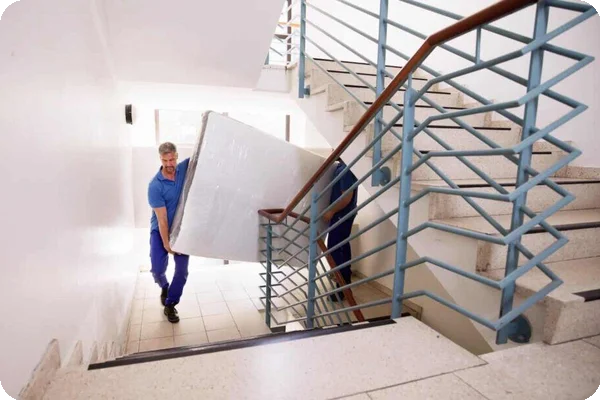
Two movers carry a mattress up a flight of stairs

Labor-only movers provide carrying, loading, and unloading services without a moving van. This means that they can be a great choice for moving units in the same apartment complex because a truck is usually unnecessary.

Hybrid DIY and professional moving services could also help you control costs during straightforward same-building moves. A hybrid moving strategy in this case involves moving smaller, more manageable items yourself, while your movers handle heavier, bulkier furniture.

For example, you could hire movers just to handle:

  • Mattresses
  • Couches
  • Dressers
  • Appliances

When comparing movers, look for companies offering labor-only or in-building services. Two movers can handle most same-building moves efficiently, although you may require more for larger apartments. You should also provide detailed information about heavy items and stairs, elevators, and any other potential obstacles to ensure your movers bring the right equipment.


How Much Do Movers Charge Within the Same Building?

How much movers charge within the same building depends on how long the move takes, as labor-only movers tend to charge by the hour and number of movers. As an example, hiring 2 movers for 4 hours to move the contents of a one-bedroom apartment starts from around $400.

Generally, same-building moves are cheaper than full-service moves because you won't pay for the use of a truck. Here are some factors to consider when hiring movers within the same apartment complex:

Same-Building Mover Hourly Rates

As a starting point, moving companies charge $50 to $100+ on average per mover, per hour. Hire 2 movers, and you'll pay between $100 and $200+ per hour. Most companies charge hourly rates, but, while rarer, some might charge a flat rate based on the services you require and the estimated length of the job.

Bear in mind that there are typically minimums, usually at least 2 movers for 2 hours. This means that you'll likely pay at least $100-150 per mover, even if your move takes less time.

Amount of Belongings

The more belongings you have, the longer your move will take, and the more you'll pay. On average, moving the contents of a studio or 1-bed apartment costs between $300 and $800, rising to $900 to $2,800 for a home with 2 to 3 bedrooms. If you're moving within the same building, expect to pay toward the lower end of these price ranges.

Packing Services

Some moving companies offer packing services. Hiring movers to pack your belongings for you costs around $600 to $2,500 extra, or approximately $50 to $100 per packer, per hour.

The exact price depends on the number of belongings you need your movers to pack. Expect to spend between $300 and $900 for a studio or 1-bed property, or $600 to $1,500 for a 2-bed apartment.

Moving companies usually charge separately for materials like bubble wrap, tape, and boxes. Budget an additional $200 to $800 if you want your movers to provide packing materials.

Stairs and Elevators

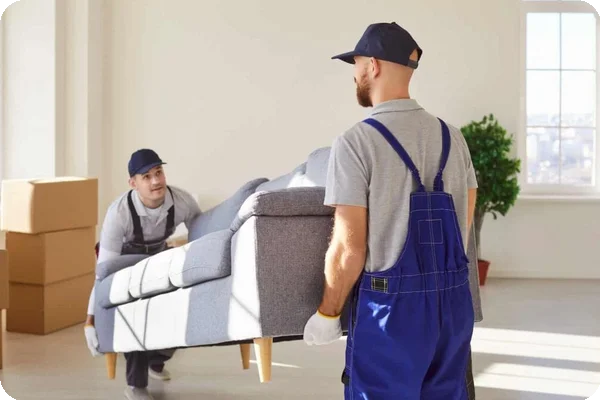
Two movers work to lift a grey couch

Most moving companies charge extra if your move involves stairs. This is usually for anything more than one flight. Some movers include stair costs in your total estimate, while others charge stair fees separately. Stair fees usually add an extra $200 to $500 to your bill.

Elevators don't usually increase your bill unless there are accessibility issues, such as long waits or confined spaces. These issues can make your move more time-consuming, increasing your costs.

Furniture Assembly

If you require your movers to disassemble and reassemble your furniture, the move will take longer. Extra labor hours equal higher same-building moving costs. You can minimize fees by disassembling large furniture items in advance and reassembling them yourself after the move.

Same-Building Moving Costs at a Glance

ScenarioEstimated TimeTypical Cost Range
Studio or 1-bed apartment2-4 hours$300-$800
2-bed or 3-bed apartment6-7 hours$900-$2,800
Stair fees+10-20 minutes per flight$200-$500
Packing services+2-8 hours$300-$2,500
Packing materials (provided by movers)N/A+$200-$800

Transferring Apartments in the Same Complex: Step-by-Step

Moving units in the same apartment complex is simpler than moving between cities, but thorough planning is still worthwhile. A step-by-step approach can help you avoid last-minute problems that could cause stress or delays on moving day. Here's how to prepare beforehand and ensure a smooth transition.

1. Think Ahead About Rules and Logistics

Most apartment buildings have moving policies you must follow, even if you're moving to another home within the same building. These policies usually cover factors like elevator access, damage deposits, and time restrictions on moves.

Check the following rules for your building when planning your move:

  • Elevator reservations: Some buildings require you to reserve an elevator when moving between floors.
  • Cost of Insurance (COI): A COI document proves that your moving company has adequate liability and workers' compensation insurance. You may need to show your moving company's COI to your building manager to show that your movers can cover any injuries or damage to the building.
  • Parking and loading zones: Your movers will likely need a space to temporarily store belongings or equipment during your move, which often involves placing items in a secure truck or van.
  • Damage deposits: Your building might require a refundable damage deposit to mitigate potential damage to floors, walls, and other parts of the building.
  • Moving time windows and penalties: Many apartment complexes only allow moves during specific hours. For example, they may prohibit moves early in the morning, at night, or on weekends. These restrictions prevent noise from disturbing other residents and control traffic in hallways and elevators. Moving outside permitted times can lead to fines or other penalties.

2. Declutter and Pack in Advance

Packing well in advance can reduce last-minute stress and ensure you're ready to go when moving day arrives. It also means you pay less, since movers don't have to wait for you to finish taping up boxes. Pack any items you don't need before your move in boxes, labelling each box by room to make unpacking in your new home easier. As you pack, declutter by recycling or donating unwanted belongings to reduce the quantity of items you need to move.

3. Arrange Help or Hire Labor-Only Movers

You'll likely need help on moving day, no matter how minimal your belongings are. If you're planning to move yourself, enlist friends and family and tell them your moving date ahead of time to make sure they're available on moving day.

"Labor-only movers provide carrying, loading, and unloading services without a moving van. This means that they can be a great choice for moving units in the same apartment complex because a truck is usually unnecessary."

If you've decided against DIY moving, hiring professional labor-only movers is your next step. Not all moving companies specialize in this type of move, so look for movers with same-building, labor-only experience. When choosing a company, thoroughly check recent reviews, paying close attention to comments mentioning punctuality, professionalism, and careful handling.

Keep a close lookout for red flags that could indicate a disreputable mover. Quotes that sound too good to be true, lack of written estimates, and poor or non-existent reviews are all potential reasons to avoid a moving company.

4. Confirm Moving Details

If you're hiring movers, provide details of your belongings and tell them about any restrictions or obstacles that could impact your move. While underestimating your inventory or neglecting to mention that awkward staircase can be tempting, your movers will likely increase your bill on the day if you don't mention something important. Ensure your movers know where to park, what time to arrive, and whether they need to provide a COI to maximize the chances of a smooth transition.

5. Move Large Items First

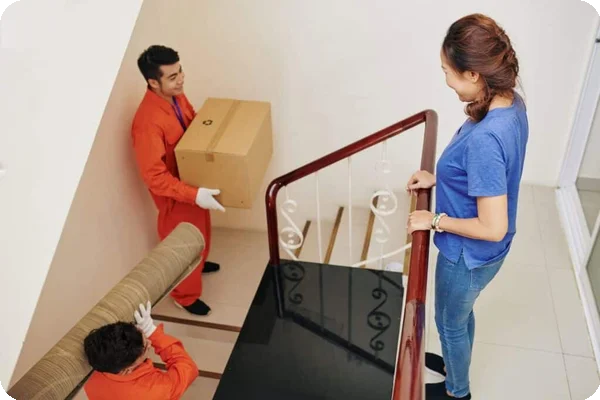
A woman supervises movers carrying boxes and a rolled up floor rug up a flight of stairs

On moving day, move your largest pieces of furniture and appliances first. Doing so makes it easier to position them in your new home before it fills up with boxes.

Whether you're doing a DIY move or enlisting professional help, disassembling your furniture makes it more straightforward to move and reduces the risk of damage or injury. If possible, take furniture apart beforehand so you're ready to get started when your movers arrive.

6. Finish the Transfer

Start moving boxes and smaller items once you've positioned furniture and appliances in your new unit. Finally, do a final walkthrough of your old home to check for forgotten items or unnoticed damage.


Consider Special Case Scenarios for Your Building

While most same-building moves are relatively simple, some require extra planning. Unusual building policies, lease timing problems, and specialized housing types can add complexity.

Here are some examples of special case scenarios when planning a move within the same building:

  • Freight elevator requirements: Some buildings require movers to use freight elevators. In this situation, you'll often need to book elevators in advance and adhere to specific time restrictions.
  • Tight lease timings: Sometimes, the lease on your old apartment may end on the day the lease on your new home begins, leading to tight moving windows. You might need to hire additional movers or store some of your belongings in advance to speed up your move.
  • Specialized housing rules: Specialized housing complexes, such as retirement communities and luxury apartment blocks, may have stricter building rules. For example, they may insist on supervising your move or require higher insurance coverage.

Most moves won't involve these issues, but it's worth checking your lease and building policies carefully to avoid unexpected problems on moving day.

Frequently Asked Questions

Recent Articles

two movers in blue coveralls unload boxes from a truck

How To Choose a Good Moving Company

Booking Movers

Choosing a moving company can feel confusing and opaque when you’re trying to avoid hidden fees, damaged items, or a no-show on moving day, but every mover claims they’re reliable. The safest place to start is with... Read More

Woman homeowner shaking hands with a professional mover

Moving Brokers vs Carriers

Booking Movers

Choosing between a moving broker and a carrier comes down to how much control you want over your move. A carrier is usually the better choice if you want to work directly with the company handling your belongings.... Read More

Delivery man delivering a package to a young couple at their house

Is Hiring Movers Worth It?

Booking Movers

Hiring movers is worth it when the cost (usually about $80 to $240 per hour depending on crew size and service type) saves you from heavy lifting, injury risk, tight timelines, or damage to your belongings. What... Read More

A couple sitting on the floor among boxes looking at a laptop

How to Read a Moving Estimate

Booking Movers

Looking over a moving estimate can feel overwhelming and confusing, especially when you're worried about surprise fees or extra weight that could increase your budget. To read a moving estimate, confirm the type of... Read More

smiling man relaxing at his desk

What Is SmartProtection? Here’s How It Works

Booking Movers

So, you’ve booked your movers. Nice! But what if something gets scratched or dented while they’re loading or unloading your stuff?

Enter SmartProtection: optional damage coverage you can add for extra peace of mind,... Read More

broken moving claim

What To Do When Your Stuff Gets Lost or Damaged While Moving

Booking Movers

Nothing spikes moving-day stress like noticing something important is lost or damaged after the movers leave. The good news is that acting quickly can make all the difference. If movers damage or lose items, you... Read More