Once you've mapped out a route, clear away anything that could trip you up, such as extension cords, loose tile, or frayed carpet. Other potential obstacles include hanging lights, wall-mounted light fixtures, hallway tables, and area rugs.
Step 3: Gather the Right Tools
Tools like furniture dollies and furniture pads help protect your stuff — but more importantly, they protect you.
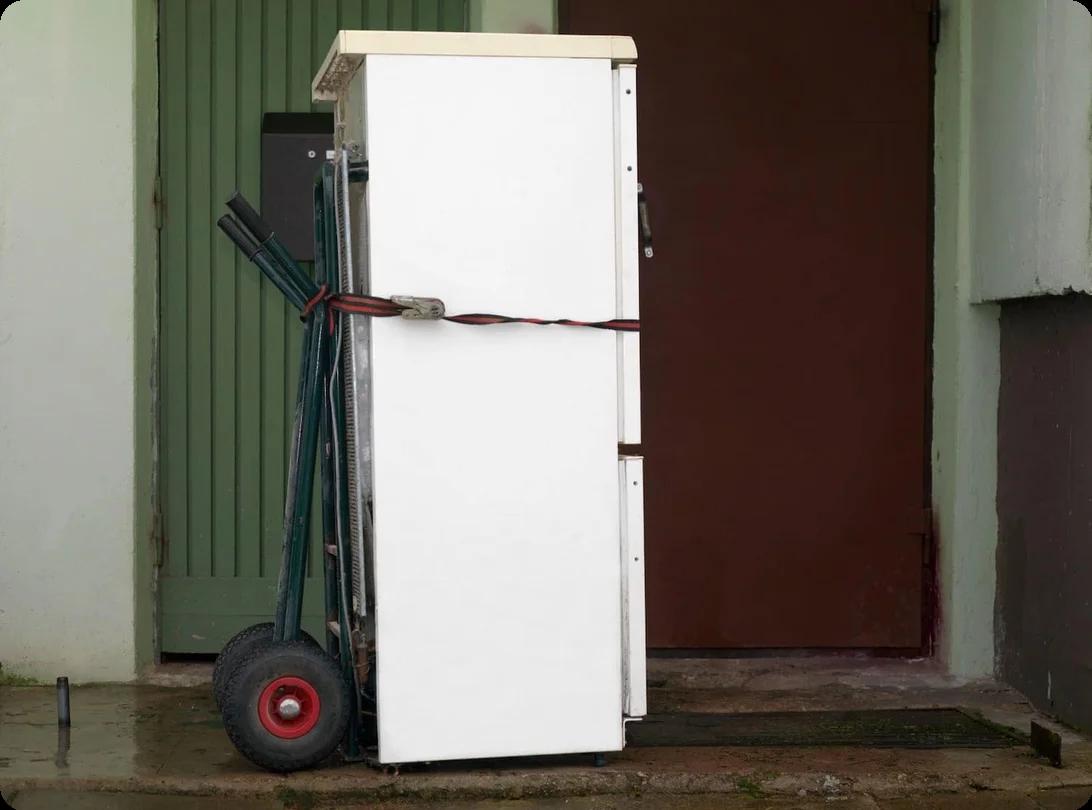
But when you're hauling heavy furniture, you can't always rely on run-of-the-mill tools. Heavy-duty equipment is built to handle the extra weight and bulk, so you don't need to worry that a wheel will fall off or a strap will break.
Sturdy moving equipment isn't cheap, though, so you'll need to decide if you want to rent or buy it. You might decide to buy gear if you routinely need to move heavy items around your property. If you're just figuring out what to use to move heavy furniture for a one-time relocation, however, it might make more sense to rent (or borrow from a friend).
You can rent heavy-duty moving equipment from moving companies like U-Haul. Some home renovation stores also rent tools to move heavy objects up stairs, including stair-climber dollies and appliance hand trucks.
Step 4: Protect Doors, Walls, Stairs, and Banisters
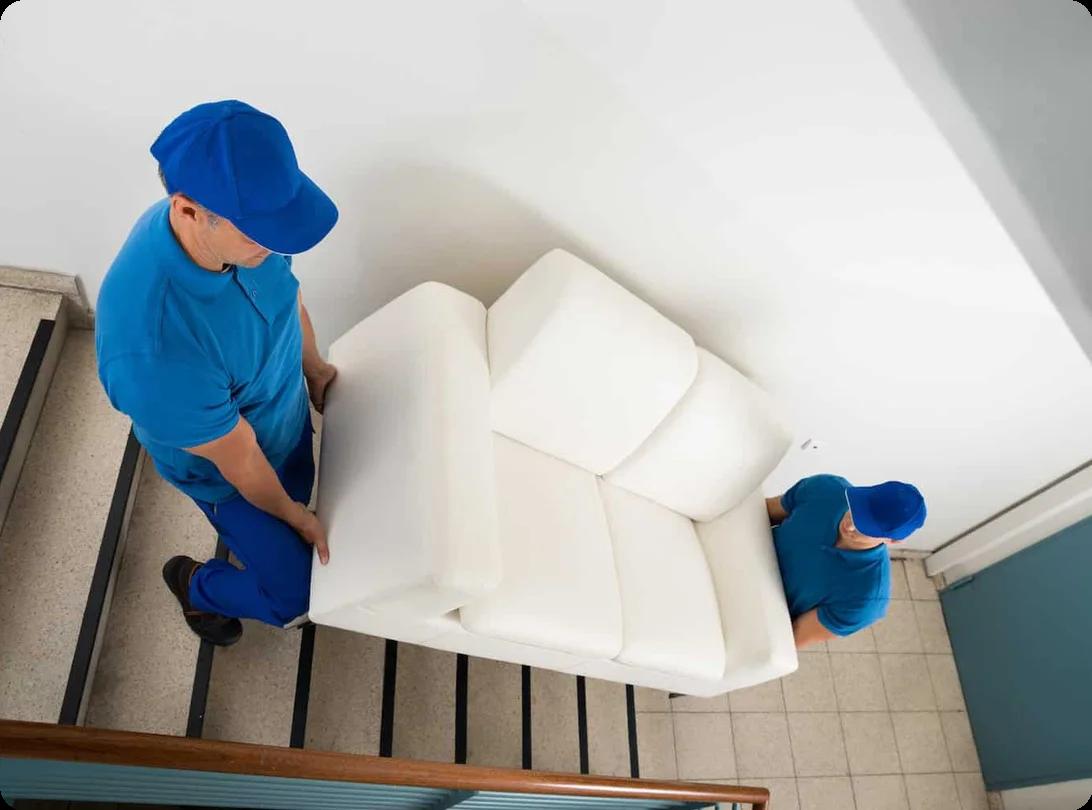
Moving furniture up or down stairs increases your risk of property damage. Get too close to the side of the hallway, and the corner of your heavy dresser can scrape the paint right off the wall.
Before you move furniture, use these steps to protect your home from damage:
- Cover door frames and walls with moving blankets, foam strips, or bubble wrap.
- Lay down cardboard or blankets to keep the floors clean.
- Place temporary runners or mats on the floor to help sliders and dollies move more easily over uneven surfaces.
- Wrap banisters and spindles in furniture moving pads, blankets, or towels.
- Cover stairs with temporary non-slip tread covers.
Also, watch out for artwork, decorative molding, and hanging light fixtures. Remove anything that can be taken down before you start moving.
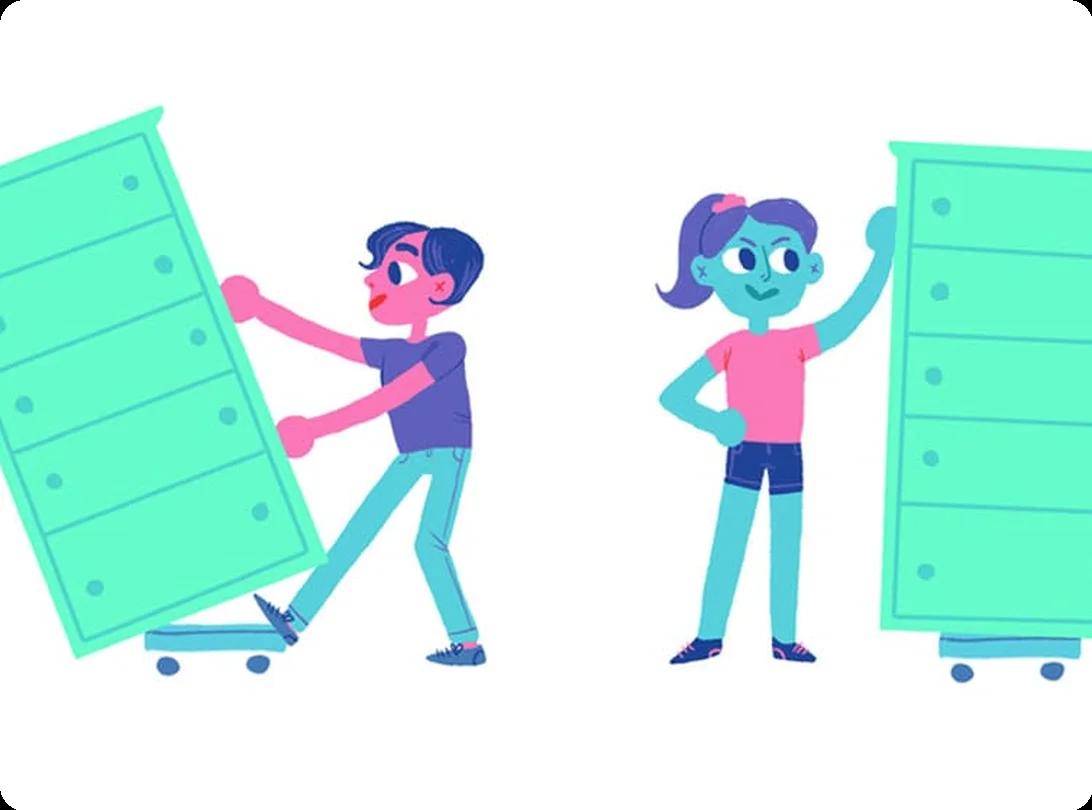
When you're ready to start hauling, use sliders to move furniture. These flat pads, which are usually made from felt or plastic, help furniture glide over the floor without damaging your carpets, hardwood, or tile. Place them under the feet of couches, tables, chests, desks, appliances, and any other heavy furniture you plan to slide out instead of lifting. Use plastic sliders on carpet and felt sliders for hard flooring.

.png&w=96&q=75)


 Melanie MorrisSep 8, 2026


.png&w=64&q=75)