Pack Like a Pro (and Avoid Breakage)
Moving furniture safely is just one step. You also need to think about how you'll carefully pack boxes and other belongings. With the right approach, you’ll save time and make sure your most cherished items arrive in one piece.
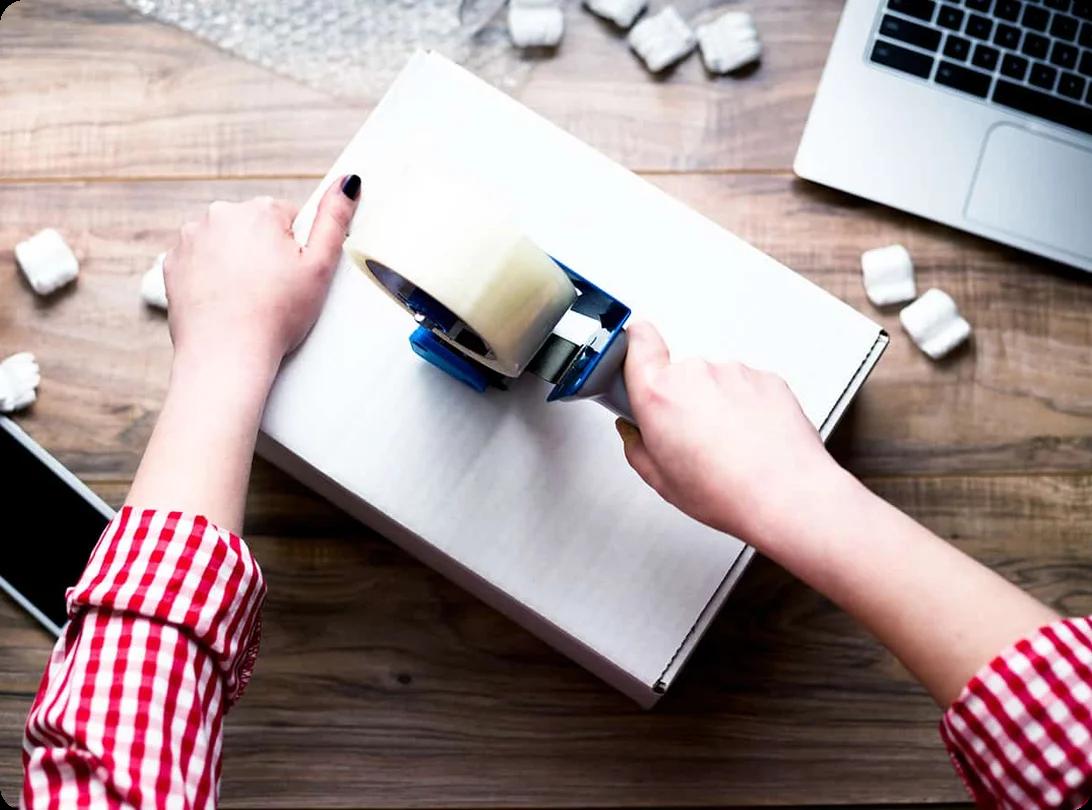
Tip 12: Use sturdy boxes, tape, and cushioning materials
When it comes to packing materials, quality is the most important consideration. Picking the cheapest option can lead to crushed boxes and broken contents. Look for high-quality boxes, packing tape, and cushioning materials.
Tip 13: Match box size to weight
Matching box size to weight keeps boxes intact and makes them easier to lift. For heavy items, use a small box. Stick with large boxes for lighter items, such as towels, bed linens, and clothes. This is so no one box gets too heavy. In general, you shouldn’t be lifting boxes more than 40 to 50 pounds.
Tip 14: Fill empty space to prevent shifting
If you leave empty space between items, there's a good chance they'll shift during transport and cause damage to everything around them. To counteract this threat, fill empty space with packing paper or soft items. Space fillers prevent rattling and breakage.
Tip 15: Wrap all fragile parts and items
Use bubble wrap or padding to prevent table legs, drawer handles, and electronics from snapping off or breaking. Wrapping sharp edges can also help you avoid injury while moving fragile objects.
Tip 16: Pack dishes, mirrors, and art in specialty boxes
Plain cardboard boxes are fine for paperback books and DVDs, but they're not a good fit for dishes, mirrors, art, and other specialty items. Use dish packs to prevent plates, glasses, bowls, and mugs from breaking. Mirror cartons are large enough to accommodate oversized mirrors without damaging them. We also recommend using foam to protect the corners of paintings and other types of artwork.
Tip 17: Keep hardware and cords with the item
There's nothing worse than moving a large item across town and then discovering you can't use it because you lost the charger or remote. Avoid frustration by placing accessories in bags and taping them directly to your furniture.
Tip 18: Label everything clearly — and flag fragile boxes
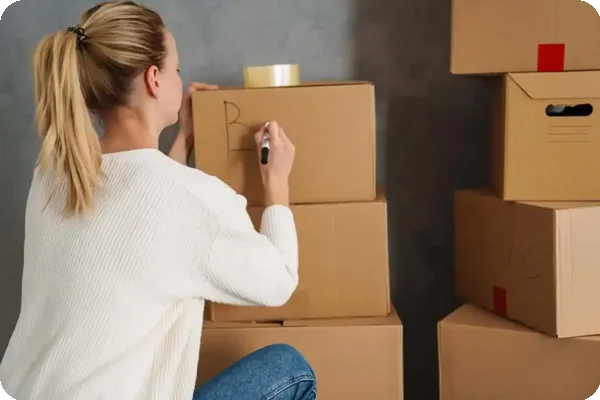
Every box should have a label, especially if it contains fragile items. Otherwise, you’ll be playing “what’s in the box?” after a long day of moving. Plus, labeling your belongings clearly ensures easier unloading and helps movers treat them with care. They can’t handle the boxes with your champagne glasses properly if they don’t know delicate glass is in there.


 Karen BodkinAug 28, 2026