Relocation Assistance Programs for Out-of-State Moves

an array of cars and trucks are driving in both directions down a long highway in the middle of a very wooded area

Moving is stressful anyway, but even moreso when you are facing a tight timeline, fleeing abuse, or in financial hardship. If you need help moving out of state, your absolute best first step is to dial 211 to connect with local emergency housing and support resources right away. The reality is that an out-of-state move usually costs between $2,000 and $8,000, or more.

While most relocation assistance programs do not cover full-service moving companies, they are vital for covering urgent needs such as security deposits, travel expenses, and temporary lodging. In this guide, we will walk you through government programs, nonprofit charities, relocation incentives, and the practical first steps you can take today to get the help you need.


Last updated: Mar 30, 202611 min read
Melanie Morris
Written byMelanie Morris
Sindi Webster
Reviewed bySindi Webster

Key Takeaways

  • Dial 211 first — it connects you with local emergency housing, domestic violence resources, and rental assistance programs in your area within minutes
  • Most aid is need-based, not universal — programs serve domestic violence survivors, families facing homelessness, and low-income households on a strict eligibility basis
  • Government programs are slower; nonprofits move faster — Section 8 portability and HUD aid involve weeks of paperwork; local nonprofits and faith groups can sometimes help within days
  • Relocation incentives are different from emergency aid — cities like Tulsa and Topeka pay remote workers to move there, but those are economic programs, not emergency support
  • Gather documents early — ID, proof of income, lease or eviction notice, and any case-manager letter will speed up every application you submit
Sindi Webster
Author

Sindi Webster

Sindi Webster is the Senior Sales Manager for Moving at Porch Moving Group, where she leads the team that helps customers find the right help for their move. Her focus is the quote-to-booking stretch — making sure customers get accurate pricing up front and get matched with the providers best suited to the job.

Sindi has spent seven years in the moving industry and has supported more than 200,000 moves, with deep experience coordinating local labor — loading, unloading, and transportation services nationwide. She brings that perspective to HireAHelper content, helping make sure what readers find here reflects how quoting and booking actually work.

Understanding Relocation Assistance

Relocation assistance programs provide a financial lifeline when you need to leave an unsafe environment or find affordable housing. To set yourself up for success, it helps to know how these programs generally operate.

Most assistance options are:

  • One-time or short-term solutions.
  • Needs-based and dependent on your financial situation.
  • Administered by local agencies.
  • Documentation-heavy.

What Does Relocation Assistance Cover?

When you look into relocation assistance, you will find that most programs focus on keeping you safe and helping you manage travel and temporary housing. While they rarely hand over a check to hire a full-service moving company directly, they absolutely help pay for the crucial stepping stones that make your fresh start possible. Let's break down the expenses they typically cover and the costs you will likely need to handle on your own.

What these programs commonly cover:

  • Security deposits to secure your new apartment
  • Your 1st month of rent in certain situations
  • Motel stays to keep you comfortable while you transition
  • Bus or train tickets to get you to your new city
  • Gas vouchers to fuel up your personal car or rental truck
  • Utility reconnect fees, so you have power and water on day one
  • Short-term storage units to keep your belongings secure

What these programs usually do not cover:

  • Full-service moving companies to pack and haul your household goods
  • Long-term rent payments after you finally settle in
  • Vehicle shipping services to transport a car across the country
  • Large furniture purchases for your new home

Who qualifies for relocation assistance?

The goal of these programs is to ensure that help reaches the people who need it most, so to qualify for help, you usually need to meet specific requirements. Typical eligibility groups include:

  • Very low-income households
  • People facing eviction or homelessness
  • Disaster survivors
  • Veterans
  • Survivors of domestic violence
  • Families with children in unstable housing

Agencies will ask you to verify your situation. You will need to provide documentation like proof of income, a lease or eviction notice, a valid ID, and your current benefit status.


Moving Assistance Programs and Resources

Several government and nonprofit programs exist to help you manage the logistics of a long-distance move. Before you dive into the list, here’s some help so you can figure out exactly where to look first. You should start with government programs if you already qualify for public benefits. If you are in crisis or facing immediate danger, review the nonprofit and shelter-based options first.

Government Assistance

Government assistance programs are federally funded, but they are almost always administered by local offices in your city or county. Because these agencies require strict eligibility verification, your application may take some time to process. However, they offer incredible support if you have the flexibility to wait for the paperwork to clear.

  • FEMA Disaster Relocation Help: If a major disaster makes your home unsafe, FEMA might help cover temporary housing, moving truck rentals, or travel costs.
  • Section 8 Housing (Portability): If you already have a Section 8 voucher, you can often transfer it to a new state. The new housing office simply needs to accept the transfer.
  • Uniform Relocation Act (URA): This program provides support if a federal construction or redevelopment project forces you to move.
  • Emergency Solutions Grants (ESG): Local organizations use these grants to help people move out of shelters, unsafe housing, or overcrowded situations.
  • Veteran Affairs: The VA helps veterans and their families move across state lines to access better healthcare or find stable housing.
  • HUD: The Department of Housing and Urban Development offers various resources and partnerships to help Americans secure safe, affordable housing.
  • Rural Housing Service | Rural Development: This program provides financial support and housing assistance specifically for people relocating to rural communities.

Charities and Nonprofit Assistance

Local charities and nonprofits are usually your best option when you need help fast. These programs move much faster in emergencies and are incredibly safety-focused. Keep in mind that the available help is highly location dependent, and you will almost always work directly with a case manager who guides you through the process.

“Many assistance programs require you to complete an intake process through a caseworker before you receive approval. A caseworker reviews your situation, verifies your eligibility, and helps you complete your applications.”

We highly recommend reaching out to these community groups if you are in a vulnerable situation. They place a special emphasis on helping survivors of violence and families facing homelessness. They truly understand the urgency of your move and work hard to help you find stability.

  • Modest Needs Foundation: This organization provides one-time emergency grants to working individuals who are living paycheck to paycheck and are unable to afford a sudden move.
  • Catholic Charities USA: Local branches help people flee unsafe situations by providing travel assistance, such as bus tickets or gas cards.
  • YWCA: This group focuses heavily on helping women and families move out of dangerous housing and connect with safe shelter.
  • Travelers Aid Society: If you have no other support system, this society helps arrange long-distance travel to help you reach family or a new job.
  • The Salvation Army: Many local centers provide relocation assistance as part of their emergency services, offering items such as fuel vouchers or short-term motel stays.
  • Family Promise: This group supports unhoused families with children by helping with travel plans, school enrollment, and finding childcare in a new state.

Other Ways to Get Relocation Support

Depending on your situation, there may be other ways to get support when moving out of state on a limited budget.

  • Military benefits: If you’re an active-duty service member, the military may help cover moving costs through PCS orders, which allow you to move to a new base with support already in place.
  • Help from your job: Some employers provide relocation assistance if you’re starting a new position in another state.
  • Public transportation programs: Some cities provide free or low-cost bus or train rides to support people relocating for a new job or housing program.
  • Crowdfunding and local support: In emergencies, you can raise money for a move using sites like GoFundMe.

You might begin by speaking with a caseworker or calling 211 to explore options close to home. If you already qualify for programs like Section 8 or VA assistance, it may just be a matter of asking the right questions and gathering a few documents. Even if you’re starting from scratch, nonprofit networks, church groups, or community aid organizations can point you in the right direction.


Can You Get Paid to Move?

There is a big difference between emergency relocation assistance and local relocation incentive programs. Emergency assistance exists to help you escape a dangerous situation or avoid homelessness quickly. On the other hand, cities create economic incentive programs simply to boost their local economy. They want to attract new residents, so they offer incentives to people willing to move there. While these incentives do not support emergency moves, they absolutely help cover big expenses if you qualify.

Cities design most of these programs to support remote workers or professionals starting fresh in smaller towns. To join one, you usually must prove you can work remotely or already hold a steady job offer. You also typically agree to live in the area for at least a year, and sometimes longer.

Here are a few standout examples:

  • Tulsa Remote in Tulsa, Oklahoma: This program gives accepted remote workers a $10,000 grant to help with moving expenses. The community has grown to include over 3,400 remote workers in 2025. Participants also gain access to coworking spaces and fun community networking events. You can find more details at https://tulsaremote.com.
  • Ascend West Virginia: This initiative offers $12,000 in cash support. They also throw in free outdoor gear rentals and a dedicated coworking space. The program recently expanded to the Charleston area to offer incentive packages worth over $20,000 for new arrivals. Check out the program at https://ascendwv.com.
  • Pawnee City New Homes in Nebraska: This city offers up to $50,000 in down payment assistance as a zero percent interest second mortgage. You must meet specific income thresholds and qualify for a conventional first mortgage to secure this benefit.
  • Eastern Kentucky: This region offers a $5,000 cash relocation bonus for remote workers. They also provide a unique $2,500 bonus if your partner secures a local job in healthcare or education.
  • Jacksonville Region in Illinois: You can receive $5,000 in cash for relocating to this area. The community sweetens the deal with a personal school tour, real estate consultations, and tickets to local events.
  • Newton Housing Initiative in Iowa: Buyers of newly built homes valued at $240,000 or more can receive up to $10,000 in cash. The city also gives you a welcome package to help you get to know the area.

Who it is for: These programs work best for remote workers, freelancers, or professionals planning an out-of-state move who want financial support and feel excited about living in a smaller town or city.

For more information, you can browse over 70 active community incentive programs on https://www.makemymove.com or contact the local economic development office of your target city.


If You Need Help Moving Out of State, Start Here

Relocation assistance is rarely automatic. Most programs require a formal application, eligibility screening, and specific documentation. Since time is of the essence when you need to relocate for financial hardship or other crises, the steps below will help you begin the process right now.

1. Call 211

Dialing 211 connects you to a free service that provides local housing and emergency resources. You should call if you face an eviction risk, homelessness, safety concerns, or financial hardship. Be ready to share all information about your current situation. The 211 specialists can provide program referrals, conduct your eligibility screening, outline your next steps, and list the required documentation. This is often your fastest starting point.

2. Contact Your Local Housing Authority

City and county housing authorities administer HUD-funded programs. You can easily find yours by searching for your city or county housing authority online. They manage resources such as Section 8 vouchers and emergency housing programs, confirm your eligibility, and refer you to nonprofit partners. When you call, ask if they offer relocation assistance and if your benefits are portable. You should also ask about the required paperwork and whether they have waiting lists.

3. Ask About a Caseworker

Many assistance programs require you to complete an intake process through a caseworker before you receive approval. A caseworker reviews your situation, verifies your eligibility, and helps you complete your applications. You can request one at a housing authority, a domestic violence shelter, or nonprofits like The Salvation Army and Family Promise. Veterans can request a VA social worker. Your caseworker will often guide you through the entire process.

4. Gather Required Documents

Agencies typically require specific documentation before they approve your request. Preparing these items in advance can greatly reduce processing time. Gather these common documents:

  • Government-issued ID
  • Proof of income
  • Lease or eviction notice
  • Benefit verification letters
  • Disaster-related documentation, if applicable

5. Apply and Ask About Portability

After your intake meeting, you must submit a formal application. Emergency assistance generally processes much faster than federal grants. Because approval is never automatic, always ask the agency about their specific timelines.

“Government assistance programs are federally funded, but they are almost always administered by local offices in your city or county. Because these agencies require strict eligibility verification, your application may take some time to process.”

You should also ask about portability. Portability is your ability to transfer housing benefits to another state. It requires paperwork, approval, and coordination between different housing authorities.

What to Expect: Approval Timelines

Timelines vary widely depending on the program type and the urgency of your situation. However, these estimates assume that all your paperwork is accurate and accounted for from the start. Any incorrect information or the need for a formal appeal can significantly lengthen the time it takes to secure assistance.

  • Emergency motel or shelter assistance: Sometimes available the exact same day in crisis situations through local nonprofits or domestic violence shelters.
  • Nonprofit or private grant programs: Often take several days to a few weeks, depending on funding and document review.
  • Federal programs: Assistance like FEMA, HUD-related support, or voucher transfers may take several weeks or longer due to paperwork, inspections, or inter-agency coordination.

Apply as early as possible and always ask your caseworker about interim support options to keep you safe while you wait.


Final Thoughts on Getting Help Moving Out of State

Moving across state lines on a tight budget feels incredibly stressful, but you do not have to figure it all out alone. By reaching out to local programs, gathering your documents early, and leaning on community resources like 211, you can find the financial support you need for a fresh start. Stay persistent, ask plenty of questions, and remember that help is available 7 days a week to keep your move on track.


Frequently Asked Questions

Recent Articles

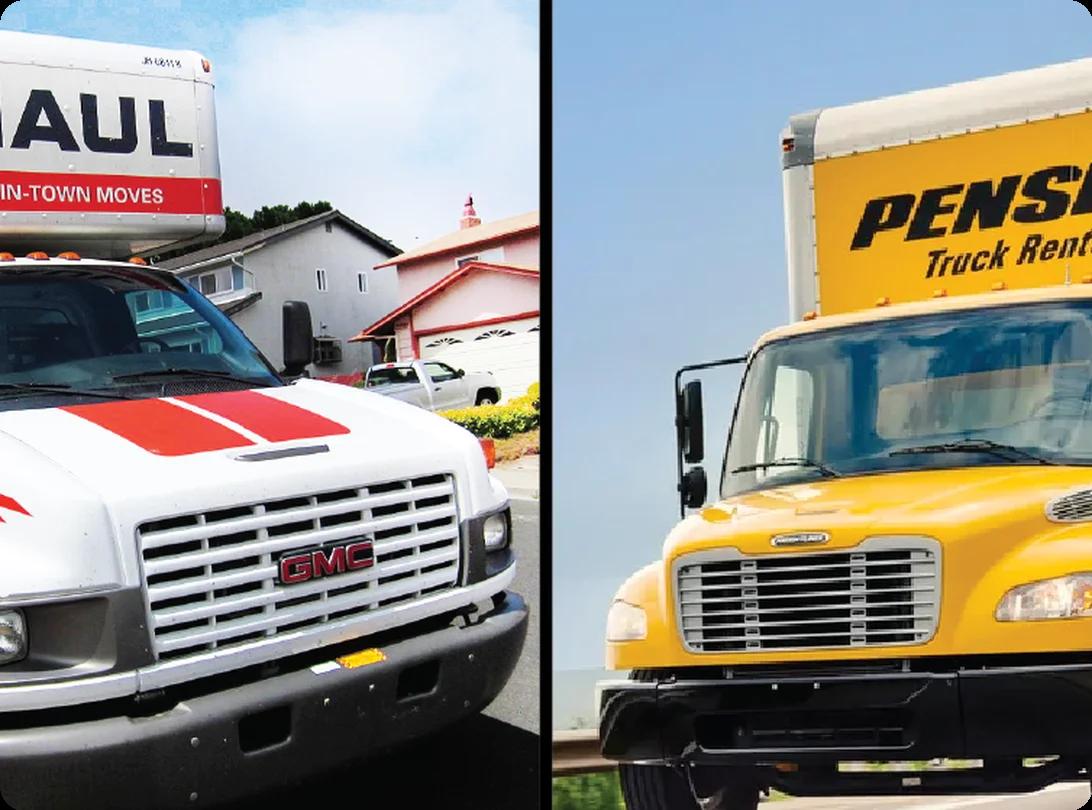
penske vs uhaul

Penske Vs. U-Haul Comparison 2026

Costs & Saving

Overall, we recommend U-Haul for most DIY movers because it offers significantly more locations, better local move availability, and lower overall prices. However, Penske tends to have a newer fleet and better... Read More

A dumpster full of broken furniture and various other kinds of junk

How Much Does Junk Removal Cost?

Costs & Saving

Average junk removal costs range from $75 for a small load to $800 or more for a full truckload. That’s a big range, but prices vary so much because there are many factors that go into the price of junk removal,... Read More

a man stands in a room full of moving boxes while holding his smart phone

How Much Will Your Move Cost? Here’s How to Figure it Out

Costs & Saving

In 2025, you can expect to pay around $1,167.76 for a full-service local move (everything included) and $451.87 for labor only (loading and unloading help). Long-distance moving costs vary much more, and can cost... Read More

domestic abuse movers

These Moving Companies Move Domestic Abuse Victims for Free

Costs & Saving

If you’re trying to leave an abusive situation, moving safely and quickly can feel overwhelming—especially if money is tight. Some moving companies offer free or discounted services for survivors of domestic... Read More

a woman calculates the cost of a move with a calculator, surrounded by packed boxes

What’s the Cheapest Way To Move? A Guide for Thrifty Moving

Costs & Saving

Moving is a common part of life, whether you're seeking new opportunities, upsizing, downsizing, or just looking for a change. With the rise of remote work, there's even more flexibility with where to live. Recent... Read More

Moving truck driving on highway

The 7 Cheapest Moving Trucks of 2026

Costs & Saving

The cheapest moving truck company for local moves under 50 miles is U-Haul, while Budget or Penske might be your best bet for any cross-country moves over 400 miles.

When it comes to moving, there are a lot of... Read More