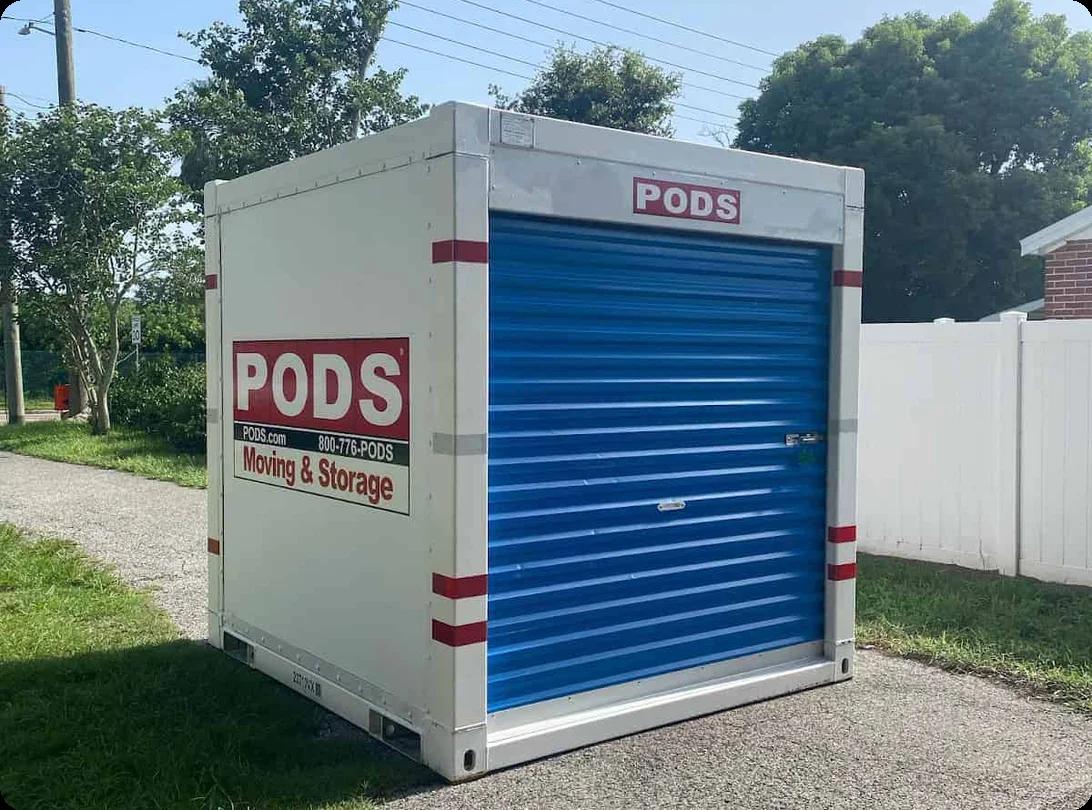
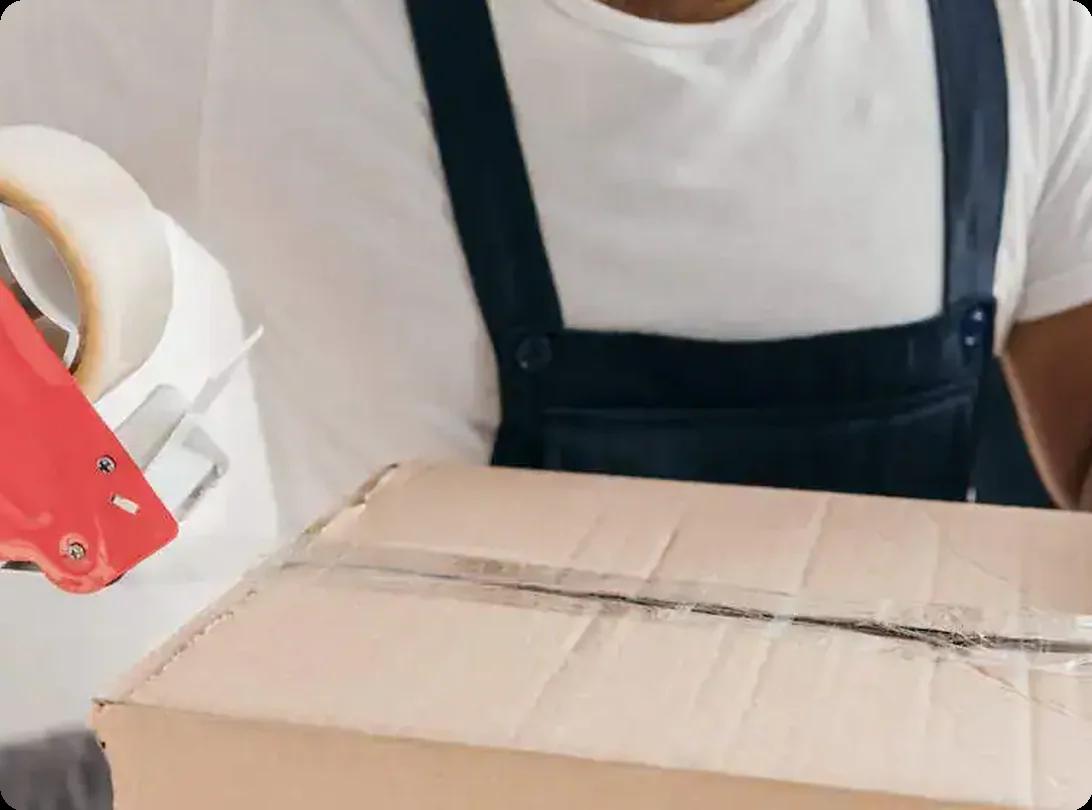
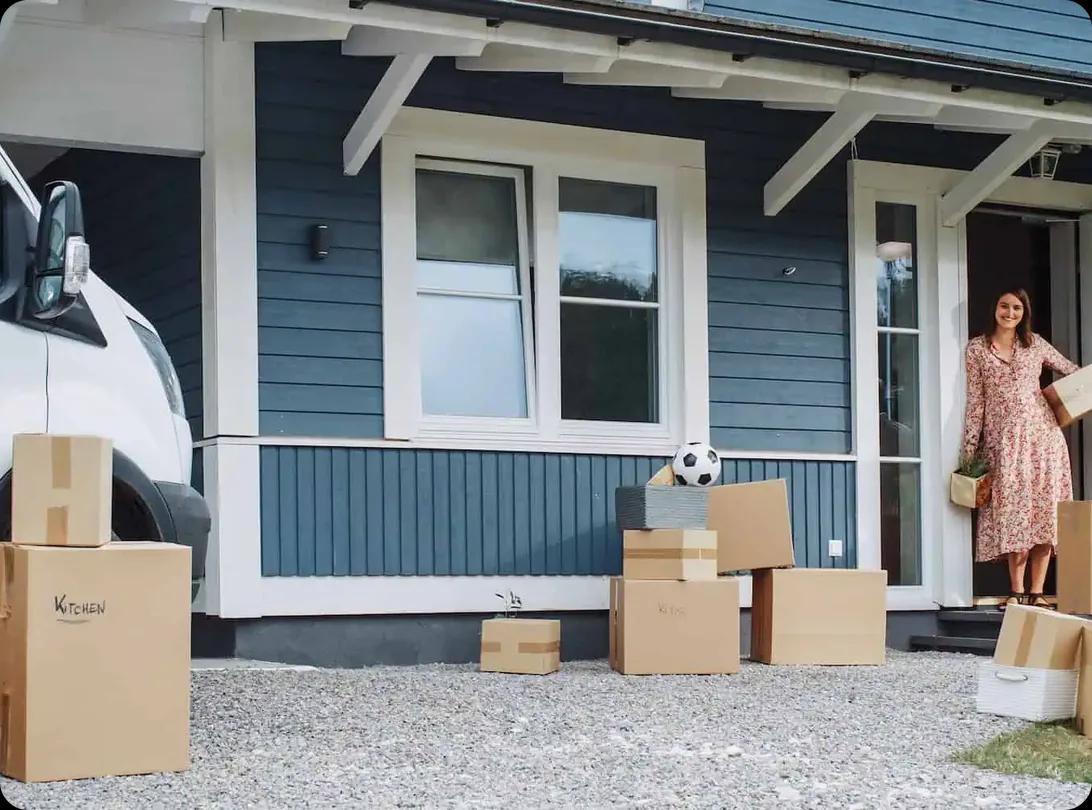
Paying for moving help not only spares your back but can help you save on your truck or trailer rental. By using their expert packing skills, movers can help you fit more stuff into the space than you could on your own, all while securing your items so nothing gets damaged or breaks during the drive. It may be well worth dishing out an extra couple hundred to hire help if you can rent a smaller moving truck and protect your possessions.
Hiring moving help is best if you:
- Have a large home with a lot of heavy or fragile furniture
- Worry about being able to arrange childcare or PTO
- Can't lift or carry heavy furniture easily
- Have several flights of stairs or tight corners to maneuver
Make sure any company you hire movers from is fully licensed and insured before committing. You should also look for honest reviews from past customers to get a sense of what the company is like. Avoid getting overly thrifty; good help is invaluable when you’re in the middle of a big move, and bad help can turn an already stressful experience into a nightmare — if not turn out to be an outright scam.
Step Six: Consider Portable Moving Containers
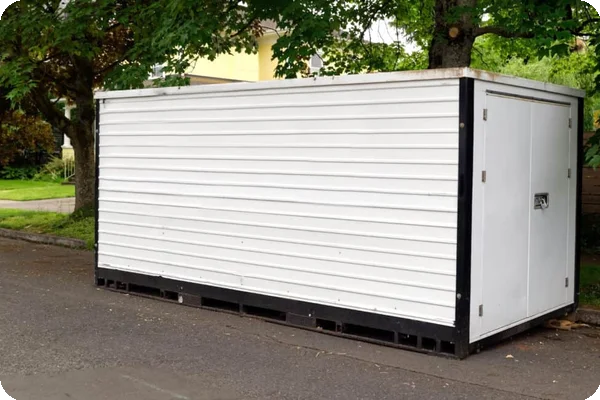
Portable moving containers serve as a flexible and cost-effective solution for those seeking a middle ground between a full-service move and a complete DIY approach. These containers are delivered to your location, allowing you to pack at your own pace. Once packed, the company transports the container to your new destination or a storage facility.
Benefits of using portable moving containers include:
- Flexibility and convenience: You can pack and unpack on your schedule without the pressure of tight deadlines.
- Cost-effectiveness: Using containers tends to be more affordable than hiring full-service movers, especially for long-distance relocations.
- Security: Containers are typically weatherproof and lockable, keeping your belongings safe and sound during transit.
- Storage options: If your new residence isn't ready, the container can be stored at a secure facility until you're prepared to move in.
Another advantage of moving containers is that they're helpful in some specific yet quite common scenarios. If you're situation is one of the following, you could really benefit from using a moving container:
- Staged moves: If there's a gap between moving out of your old home and into your new one, containers provide a seamless storage solution.
- Home renovations: Be sure to store furniture and belongings safely during home improvement projects.
- Downsizing: When moving to a smaller space, containers can help you manage excess items until you decide what to keep, sell, or donate.
Step Seven: Look for Other Ways to Save on Your Move
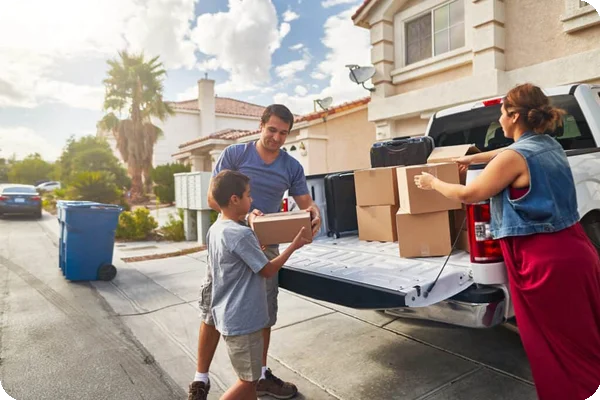
Beyond the primary moving methods, consider these additional strategies to save money when moving:
- Use your car: Maximize space in your car by transporting smaller items yourself, reducing the load for movers.
- Rent a trailer: If your vehicle can tow, renting a trailer may be more economical than a moving truck.
- Get help from friends: Recruit friends or family to assist with packing and loading, offering meals or small incentives as a thank-you.
- Gather household items for packing: Use towels, blankets, and clothing as padding for fragile items, minimizing the need to purchase packing materials.
- Meal planning: In the weeks leading up to your move, plan meals that use perishable food items, reducing the amount you need to transport.
Step Eight: Make Some Extra Cash to Offset Moving Costs
Beyond cutting costs, you can make extra cash to help pay for your move. Selling items you no longer need can significantly offset your expenses. Here are some ways you can turn your clutter into cash.
Host a garage sale

With the advent of the internet, garage sales might seem a little outdated to some, but they’re still a great way to get rid of unwanted items while earning some cash. Follow these steps to have a successful garage sale:
- Pick a good date: Weekends, particularly Saturdays from 8 am to 1 pm, usually get the best traffic.
- Advertise effectively: Post in local forums and place clear signs around your home.
- Price strategically: Clearly price all items with removable stickers. Bundle smaller items together to encourage more purchases.
- Set up neatly: Organize items by category (clothing, furniture, toys) to make browsing easy and appealing.
- Have change on hand: Prepare plenty of small bills and coins.
Sell online based on item type
Did you know that different platforms work best for different items? By tailoring where you sell what online, you have a better chance of the right person seeing your listing and getting a successful sale. See which sites you should be selling your stuff on:
- eBay: Ideal for collectibles, electronics, and unique vintage items. Use clear, bright photos, detailed descriptions, and respond promptly to potential buyers.
- Depop: Perfect for stylish or vintage clothing, shoes, and accessories. Good photos and detailed item descriptions can make your listings stand out.
- Craigslist or Facebook Marketplace: Best for selling furniture and larger items locally. Provide clear dimensions and offer safe public meeting places for pickups.
There are definitely more than this list out there, too! When you’re considering which sites to use, take a quick look around other listings to get an idea of what kinds of items sell best, and tailor your own to match.
Sell items in person
If you’re not keen on a garage sale but still want to sell your items IRL rather than online, you’ve still got options. You can make money by dropping off certain items in person:
- Consider consignment shops: These stores sell your items and give you a percentage of the sale. It's a great option for high-quality furniture and clothing. Keep seasonal trends in mind and negotiate the terms for higher payouts.
- Recycle electronics for cash: Instead of throwing out old electronics, take advantage of trade-in programs offered by Best Buy, Apple, or Amazon. You can trade in old devices like smartphones, tablets, or laptops for gift cards or cash.
- Sell scrap metal and appliances: Local recycling centers will buy scrap metal and appliances like old washers or refrigerators. Check local metal recycling businesses to compare prices and ensure you’re getting the best rate.
There also might be antique stores or similar shops in your area that will buy furniture or clothing from you. It doesn’t hurt to do a quick search or ask around on a local forum to see if there are places in your neighborhood that would be happy to buy.
Sell your car if moving long-distance

Driving your car cross-country is impractical, and shipping it can be prohibitively expensive in some cases. Consider selling your car to help finance your move (or a new ride at your new place). You can follow these steps to help you prepare and get the best price:
- Prepare your car: Thoroughly clean it, and gather all maintenance records and the title.
- Determine your car’s value: Check websites like Kelley Blue Book for accurate pricing.
- List your vehicle online: Platforms such as Autotrader and Cars.com can help you find serious buyers.
- Write a strong listing: Include multiple clear photos and an honest, detailed description.
- Arrange safe test drives: Meet potential buyers in public, secure locations.
- Close the sale: Carefully complete the paperwork, ensuring payment is confirmed securely before handing over the keys.
Additional ideas
Here are some additional ideas to make some extra cash:
- If your new home has a spare room, consider renting it through Neighbor.com. This platform connects you with neighbors looking for storage, creating passive income with minimal effort.
- Sell textbooks or books on BookScouter or Amazon.
- List unused gift cards on websites like CardCash to get immediate cash.
- Use ThredUp to sell gently used clothing online without much effort.




 Karen BodkinAug 28, 2026