Do You Need Parking Permits for Moving in Denver?

Denver CO skyline with highway traffic and downtown skyscrapers at sunset

You’ve packed, labeled your boxes, scheduled movers, and checked your moving list twice. But what about parking? Denver’s busy neighborhoods, narrow streets, and metered zones can make parking a moving truck or portable storage container tricky.

If your moving truck, container, or dumpster will block a sidewalk, alley, metered space, or fire lane in Denver, you need a moving permit. It’s the simplest way to reserve curb space legally and avoid parking issues, fines, or delays on moving day. A little preparation goes a long way toward keeping your move on track.

In this guide, we'll walk you through Denver’s moving permit process, from understanding the different permit types to applying online, avoiding fines, and finding smart alternatives if you miss the deadline.


Last updated: Jul 11, 20257 min read
Melanie Morris
Written byMelanie Morris

Key Takeaways

  • Denver may require a moving truck parking permit: especially in downtown, Capitol Hill, RiNo, and other dense areas with metered or limited parking
  • Apply through Denver's Right-of-Way Services: typically online, with a few days lead time and a modest fee
  • Permits aren't always required: in suburban or low-traffic areas, but they're worth it in busy zones
  • Skipping a needed permit can mean fines, tows, or blocked-traffic citations: typically far costlier than the permit itself
  • Backup options: private lots, driveway access, coordinating with neighbors, or scheduling for off-peak times when curb space is freer
Thomas O'Sullivan
Author

Thomas O'Sullivan

Thomas O'Sullivan is the Senior Manager of Service Operations at Porch Moving Group, where he oversees the post-booking customer experience for HireAHelper. His expertise is the part of a move most people never see — the logistics, coordination, and accountability that turn a booking into a finished move.

Thomas has spent six years in the moving and relocation industry, starting in corporate relocation and long-distance logistics before stepping into his current role. He's supported more than 130,000 moves across local labor, full-service, commercial, and long-distance work — experience he draws on to make sure HireAHelper content reflects how moves actually go.

What Is a Moving Permit?

A moving permit is permission from the Denver Department of Transportation and Infrastructure (DOTI) to temporarily place a vehicle, container, or dumpster in a public space. In Denver, these areas are part of the public right-of-way (ROW), which means they’re city-managed spaces like curbs, sidewalks, alleys, and metered parking spots.

When moving, these are the main types of permits to know:


Denver Moving Permit Requirements

Depending on where you park, you may be required to reserve curb space for your truck or container. Before moving day, check whether your address falls under a public right-of-way — this determines if you’ll need a permit. Moving permits in Denver help prevent traffic issues and make your move easier to manage. Here's how to tell when you’ll need one.

When a Permit Is Required

You’ll need a permit if your vehicle blocks a curb lane, sidewalk, alley, or meter. Most permits cost about $50, though some applications that require administrative review may include an additional $125 fee. Processing usually takes 5 business days.

“Denver enforces right-of-way rules, and even a short stop can lead to tickets that may cost more than the permit itself.”

DOTI also issues hang-tag permits such as Emergency Truck, Special Parking, and Truck Loading. These temporary permits hang inside your vehicle’s windshield and allow short-term parking in designated areas. Each one is vehicle- and license plate–specific, meaning it can’t be transferred to another truck.

When a Permit May Not Be Required

You may not need a permit if you park the truck in a driveway or private parking lot and don't block a sidewalk, curb lane, or meter. But in some neighborhoods, such as Downtown, Capitol Hill, Highlands, and LoDo, narrow streets and limited parking mean that even small trucks may still require a permit to avoid blocking traffic or meters.

Permit details at a glance

Permit TypeWhat It Applies ToIssuing Body
Temporary Curb Space/Street OccupancyAny truck, container, dumpster that occupies public curb or sidewalk spaceDenver DOTI/Right-of-Way Permits
Meter Bagging PermitPlacing “No Parking” bag over a metered spaceDenver DOTI/Meter Bag Program
Alley/ROW OccupancyMoves blocking alleys or other public ROW accessDOTI Right-of-Way Permits
Special Event/Street ClosureMoves during events or on closed streetsDOTI Special Events & Street Occupancy Permits

When a Permit Is Nice-To-Have

Sometimes, a permit is just smart planning. Even when you don’t need one to park legally, getting a permit can save time and reduce stress, especially when movers charge by the hour. It also keeps everyone safer by reserving space and preventing blockages on narrow streets.

Here are a few situations where it’s best to get a permit:

  • High-traffic neighborhoods: In areas like Downtown, LoDo, or Capitol Hill, street parking fills quickly. A permit ensures your truck can stay close to your residence, making it easier to load or unload your belongings without risking a ticket.
  • Narrow or historic streets: Neighborhoods such as Five Points, Baker, and Highlands have charming architecture and tight roads. A permit helps you reserve enough space for a large truck without blocking traffic.
  • Apartments and HOAs: Communities in Cherry Creek, Congress Park, and Washington Park often have shared driveways or loading zones. A permit helps you stay compliant with city, HOA, and property rules.
  • Metered or limited parking zones: Streets with metered parking or restricted spaces fill up fast. A permit allows you to bag a meter ahead of time and avoid parking citations.
  • Busy or unpredictable schedules: During events, game days, or rush hour, a permit keeps movers on time and prevents last-minute parking problems.

How to Get a Moving Truck Parking Permit in Denver

Denver’s permit process can look confusing, but it’s actually simple once you know the steps. Whether you're a resident, contractor, or moving company, the key is knowing which permit applies to your situation.

Below is a step-by-step breakdown of how to apply for the right permit, what information you’ll need, and how to make sure your move stays on the right side of Denver’s parking regulations.

  1. Determine if you need a permit: Check whether your truck or container will block a curb, meter, sidewalk, or alley. If so, you’ll need one.
  2. Identify which permit type applies: Choose between curb or street occupancy, meter bagging, alley occupancy (ROW), or special event permits, depending on what you need the space for.
  3. Gather required information: Collect the move address, dates and times, vehicle or container dimensions, and license plate number.
  4. Apply through DOTI Permit Operations: Submit your application through Denver’s e-Permits online portal. Container companies need a Dumpster/Container License before delivery, and meter bagging must be requested at least 72 hours in advance.
  5. Pay fees & wait for approval: Submit payment and allowabout 5 business days to process. Once approved, you'll have legal authorization to reserve the space.
  6. Complete your move and return your permits: Remove meter bags or signage after your move, and confirm with DOTI if the permit needs to be closed out.

Permit costs can vary. Some people with experience moving in Denver report paying $199 for a 72-hour permit and $25 for each extra day. Companies like Permit Puller can file applications for you, but doing it yourself can sometimes be faster and cheaper.


Alternative Options if You Can't Get a Permit

If you miss the deadline, there are still legal parking alternatives. It still ultimately depends on your situation, but you do have options:

  • Use private property: Driveways, parking lots, and loading docks don’t require permits. Just make sure your truck or container doesn’t extend into the street or sidewalk, since even a few inches can lead to a fine.
  • Ask property management for help: In apartments or condos, check about loading zones or scheduled moving hours. Many LoDo and Capitol Hill buildings have designated curb areas you can reserve.
  • Place portable storage containers on private property: Have PODS or U-Pack containers dropped off in a driveway to avoid permit rules. In tight neighborhoods, renting a smaller truck can make parking simpler.
  • Work with experienced movers: Many local moving companies understand Denver’s parking rules and can help you plan ahead.

These options might not be as simple as getting a permit, but they help you stay compliant and keep your move running smoothly.


Fines and Risks of Skipping a Permit

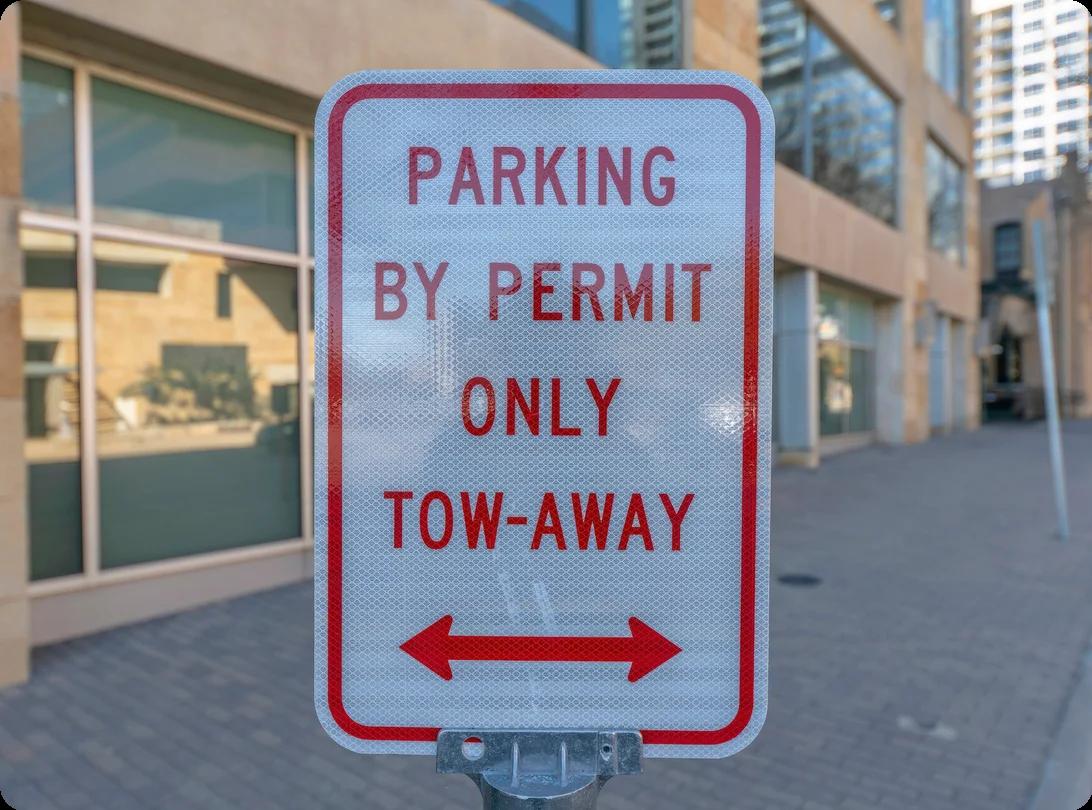
Skipping a required permit can quickly lead to fines or towing. Denver enforces right-of-way rules, and even a short stop can lead to tickets that may cost more than the permit itself.

Here’s what can happen if you park illegally during your move:

  • Tickets or fines: Blocking a curb or meter can cost over $100.
  • Towing: Parking in a restricted space can lead to your truck or container being towed.
  • Delays: Having movers walk long distances takes more time and increases your total moving bill.

Parking a Moving Truck in Denver: Best Local Practices

Parking a moving truck in Denver takes some planning. Between narrow residential streets, event closures, and limited downtown curb space, knowing the local rules can save you from tickets, towing, or wasted time on moving day. Use these Denver-specific tips to plan ahead and keep your move running smoothly.

Downtown & LoDo

  • Apply for temporary curb space permits for trucks or containers near your home or preferred area.
  • Avoid pedestrian-only streets, such as 16th Street Mall.
  • Start early, around 6–9 am, in order to beat traffic.

Capitol Hill & Cherry Creek

  • Check signage carefully, as streets can be narrow or one-way.
  • Use meter bagging when parking in paid spaces.
  • Choose alternative drop-off spots if curb access is limited.

Historic Neighborhoods (Five Points, Baker, Highlands)

  • Obtain alley or ROW permits when placing containers.
  • Expect street parking restrictions in certain blocks.
  • Consider using a smaller truck or staging location to make parking easier.
  • Confirm HOA rules for street cleaning or parking limits.

Special Situations

  • Contact DOTI early if you’re moving during festivals, snow removal, or street closures.
  • Coordinate with building management when apartments or condos require loading zone access.

For more insights on moving to the Mile High City, check out Should You Move to Denver and Average Cost of Movers in Denver to help plan your relocation smoothly.

Recent Articles

Woman cleaning fridge interior with gloves and spray bottle

Move-Out Cleaning Checklist: Room-by-Room Steps

Moving Day Tips

A move-out cleaning checklist is important for getting your security deposit back, preparing the space for the next tenant, and helping you keep track of often-forgotten cleaning tasks like scrubbing baseboards,... Read More

A pile of boxes filled with various items. Shoes and pillows are stacked on top of some of them

Moving Day Survival Guide: What Should I Keep With Me?

Moving Day Tips

Moving into a new home is an exciting milestone, but it can also be overwhelming. Proper preparation can make the transition smoother and help you settle in quickly.

One of the most important steps in this process... Read More

A homeowner unplugging an electronic device and labeling cords before movers arrive

Preparing for Moving Day: 10 Ways to Make Your Movers' Lives Easier

Moving Day Tips

There are a lot of tips and tricks out there to streamline your move, but ultimately, the best way to prepare for movers is to have everything organized and ready to go before your movers arrive. This not only... Read More

A person spreading rock salt onto an icy driveway after a winter storm

Should You Use Salt or Sand on an Icy Driveway?

Moving Day Tips

Although summer is the most popular moving season for several reasons, moving in the winter also comes with plenty of advantageslike scoring lower rates thanks to off-peak season pricing.

However, there's one... Read More

Moving truck - avoid theft during your move

Avoid Theft During Your Move

Moving Day Tips

Moving to a new place can feel liberating. Still, there’s one concern that can overshadow that excitement: someone walking off with your belongings during the move. Fortunately, a handful of best practices, like... Read More

two movers in work overalls sit in the bed of a truck and look at the camera

Can You Ride with Your Movers?

Moving Day Tips

The short answer is: no, you normally can’t ride with your movers in their truck. Most moving company policies prevent it because of liability concerns and insurance limitations.

Also, many moving trucks only have... Read More