Here's How the Pros Move in the Rain

a view through a truck's windshield at a rainy highway

You'd hope rain would stay away on moving day, but until a weather machine is invented, moving in the rain remains a possibility. Unless the storm turns into a hurricane or flooding, most movers continue operating even when it's pouring outside, so there's no need to worry about a sudden downpour completely derailing your moving plans.

But that doesn’t mean rain won’t have any effect on moving day. So if you’re worried about precipitation putting a damper on yours, don’t worry. We’ve spoken to movers, collaborated with experts, and collected tips for moving in the rain — whether you're moving in a drizzle or a downpour.


Last updated: Jul 28, 20258 min read
Melanie Morris
Written byMelanie Morris

Key Takeaways

  • Plan ahead for rain — check the forecast, pre-position floor runners and tarps, and stage boxes in covered areas before the truck arrives
  • Stock the right supplies — extra plastic wrap, heavy-duty trash bags, towels, floor runners, and a few umbrellas for shorter runs
  • Protect yourself and the home — non-slip shoes, rugs/runners on floors, doormats at entries, and clear paths to avoid slips
  • Protect boxes and belongings — wrap fragile items in extra plastic, double-bag electronics, and avoid setting boxes directly on wet ground
  • After the move — unpack damp boxes immediately, dry items thoroughly, and check for water damage before storing anything long-term
Thomas O'Sullivan
Author

Thomas O'Sullivan

Thomas O'Sullivan is the Senior Manager of Service Operations at Porch Moving Group, where he oversees the post-booking customer experience for HireAHelper. His expertise is the part of a move most people never see — the logistics, coordination, and accountability that turn a booking into a finished move.

Thomas has spent six years in the moving and relocation industry, starting in corporate relocation and long-distance logistics before stepping into his current role. He's supported more than 130,000 moves across local labor, full-service, commercial, and long-distance work — experience he draws on to make sure HireAHelper content reflects how moves actually go.

Planning Ahead for Rain

 woman holding a mug looks outside a window at rainy and windy weather

If your area is prone to rain, making a rainy day moving plan isn't just smart — it's essential. Whether you're moving in the spring rainy season or dealing with a fall move hampered by an unexpected storm, take these steps when developing your rain-soaked moving day itinerary:

  • Make a note to check the forecast at least once a day during the week leading up to your move. It'll get more accurate as the day gets closer, but having a general idea of possible problems lets you get ahead of planning.
  • Check in with anyone involved in your move to make sure everyone is still available in case of rain. This includes friends, family, and professional movers. The fewer surprise cancellations you get, the better.
  • Seek out rainy-day moving supplies early so you're not scrambling on moving day. You might be able to borrow tents, canopies, outdoor heaters and tarps from neighbors.
  • Keep some cash on hand for an extra tip if your professional movers have to work in especially bad weather. You'll appreciate the extra effort, and they'll appreciate being acknowledged for it.

Do Moving Companies Work in the Rain?

Yes! Not only that, but it's a great idea to hire professionals for a rainy move. Hiring professional movers, whether you're getting full-service movers to handle the entire process for you or are paying labor-only movers to load and unload, is a great way to sidestep the headaches of a storm-drenched moving day. With HireAHelper, you get a $1,000 service guarantee and support 7 days a week to give you peace of mind even in the most unexpected weather conditions.


Supplies You’ll Need for a Rainy Move

Raincoats and waterproof boots ready for moving during rainy weather.

Since wet weather can spring up out of nowhere, you should keep a few things on hand to make sure everything goes smoothly, your belongings are protected, and you keep slippery surfaces to a minimum. Knowing what to have available is an important part of knowing how to move in the rain.

  • Sheets of plastic: Anything from a tarp to queen-sized mattress bags, extra-large garbage bags, or even a vinyl shower curtain could help you keep moisture off your stuff.
  • Extra cardboard: If you didn’t use all your boxes, you can instead use them as a means to keep moisture and mud off your floors.
  • Towels: Grab some towels you don’t care about too much to wipe up rain or mud that gets on your stuff or in the house.
  • Rain-resistant clothes and shoes: When you're traipsing between the damp outdoors and your front door, you need a rain jacket and water-resistant shoes.
  • Extra sets of hands: A few extra friends can be super helpful to make the process go faster.
  • Food and drinks for your moving crew: If you've got helpers, hot drinks and a meal go a long way to show your appreciation.
  • Emergency contact numbers: If you're driving your own moving truck, slippery roads could be a hazard. Keep emergency numbers on hand in case you have an accident in your moving truck.

How to Protect Yourself and Your Home When Moving in the Rain

Effective protection really depends on the likelihood of rain, its intensity, and how much you’re planning to spend. But across the board, here are some basic prep steps for a DIY move in the rain.

Step 1: Pick out some sturdy footwear (not your old worn-out pair)

During a rainy move, there’s a temptation to throw on that old pair of sneakers with the worn-out soles. Instead, grab a pair that's got nonslip soles with great traction and some waterproofing on the outside.

Step 2: Clear paths to keep access easy

Avoid setting boxes and supplies where someone might trip over or slip on them. And wipe up any puddles or droplets immediately with that stack of old towels you've got stocked by the door. A slip while carrying heavy boxes and furniture will result in your items getting damaged at best, or seriously injuring yourself at worst.

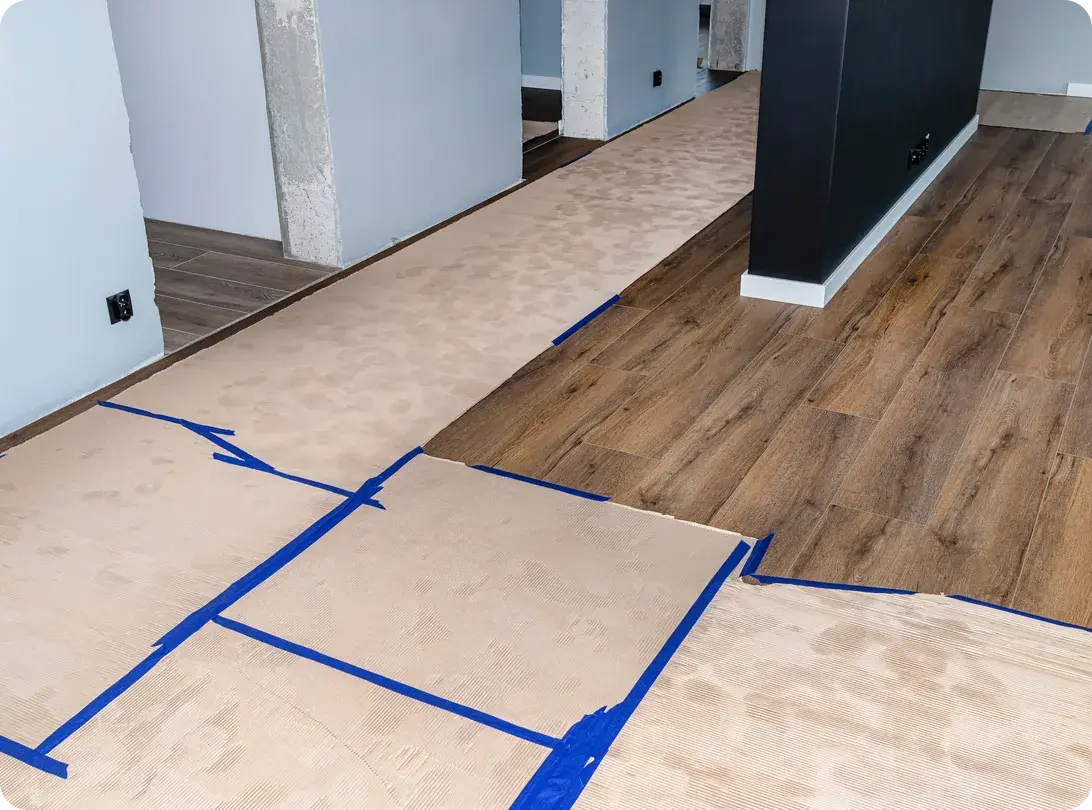
Step 3: Use cardboard to reduce slippery spots

Cardboard floor protection taped down to prevent water damage during a rainy day move.

Tape large sheets of cardboard to the floors inside any entryways to keep from slipping and falling while you are carrying heavy furniture. Once a sheet starts to get soggy, swap in a new dry piece.

Step 4: Keep warm and dry

When you're cold and wet, fatigue comes on quick, and that's the last thing you want when you've still got a sectional to haul upstairs and a kitchen to unpack. Keep a spare pair of shoes, a few jackets, and a lot of towels on hand to help everyone dry off and quickly swap out wet clothing.

Step 5: Assign an “inside crew” and an “outside crew”

One group stays inside to move everything between the rooms and the staging area (a place inside to set furniture and boxes closer to the door so the trip to the truck is faster). The other crew works outside and hauls everything between the outer door and the truck.

“It's also a good idea to check your insurance and your moving company’s coverage to understand your liability if someone slips and falls or the moving truck encounters problems on the road.”

The point of this little assembly line, of course, is to avoid tracking water throughout your home, but don’t forget about the floor of the truck. Consider assigning one person to work solely inside the truck to minimize messy footprints.

What If I Don’t Have Enough People for an Inside/Outside Crew?

If you’re low on friends who have some free time, tape some cardboard to the floor of the truck to soak up water. Also, keep a few old towels or blankets on hand to periodically wipe those floorboards.

Pro tip: If you don’t want your incredibly generous friends to be suddenly busy the next time you need them, switch up your inside and outside crews throughout the day. Taking on the toughest outdoor duties yourself also helps.

How to Protect Boxes and Belongings When Moving in the Rain

Furniture wrapped in plastic for protection from rain during a move.

Protecting your stuff from rain depends on what you’re moving. Once you and your pathways are all prepped, get your belongings ready with the following tips:

  • Create a covered loading zone. A garage, tent, or pop-up canopy works great to keep rain off stacked boxes. Also, place some anti-slip mats at the entrance.
  • Wrap items in plastic, not just moving blankets. While moving blankets can protect your stuff from bumps and knocks against walls and floors, they're not waterproof, so wrap some plastic on top or use plastic moving bins to prevent a disaster.
  • Pay careful attention to protecting wood furniture. Even if the damage isn't visible, doors or drawers might warp if they get wet. Plus, even a hint of moisture can damage surface paint, varnish, veneer, or glue.
  • Load essential and fragile items last. This means they’re the first things off the truck, too, so they spend minimal time in wet conditions, keeping them safe. It also means there’s less risk of damage if you’re not walking in and out of the truck with heavy items that could knock into the more fragile ones..
  • Don't rush. You might be tempted to speed things up so your belongings spend less time in the rain, but resist the urge. The potential for slipping goes up when you rush, so take breaks and shelter inside during big downpours.

What to Do After the Move

Rain can impact your unpacking process as much as the loading part. Here are a few tips to keep you — and all your stuff — dry.

  • Unpack wet boxes right away. If anything did happen to get wet, get it out into the dry air of your new place quickly so you can wipe it down and prevent any damage.
  • Dry off furniture and electronics thoroughly. You should have this stuff wrapped in plastic anyway, but a few drops might have gotten inside. Double-check that everything’s still dry, and wipe down anything that’s not. Silica gel packs can help with electronics to prevent moisture.
  • Launder any damp fabric. This includes clothes you wore during the move, clothes that were packed, and things like kitchen towels or curtains that ended up in damp boxes.
  • Air out items and run a dehumidifier if needed. A dehumidifier pulls moisture from the air to give your stuff a drier environment post-move.

How to Manage a Rainy Day Move With Movers

There’s nothing quite like leaving an inclement weather move to the professionals. But thunder and lightning can leave you wondering if everything should be postponed until the storm ends.

The first thing you should do if you see rain in the forecast is call your moving company to make sure the move is still on. If your movers gauge the situation as too dangerous, they might want to hold off for a few hours. Generally, though, they're prepared to battle the elements and know the best time to move.

“Wipe up any puddles or droplets immediately…A slip while carrying heavy boxes and furniture will result in your items getting damaged at best, or seriously injuring yourself at worst.”

If you're the one wanting to postpone things, call your moving company as soon as possible to discuss your options. Working with HireAHelper makes sense for situations like this since the cancellation policies and overall flexibility of a mover marketplace are far greater than a typical van line.

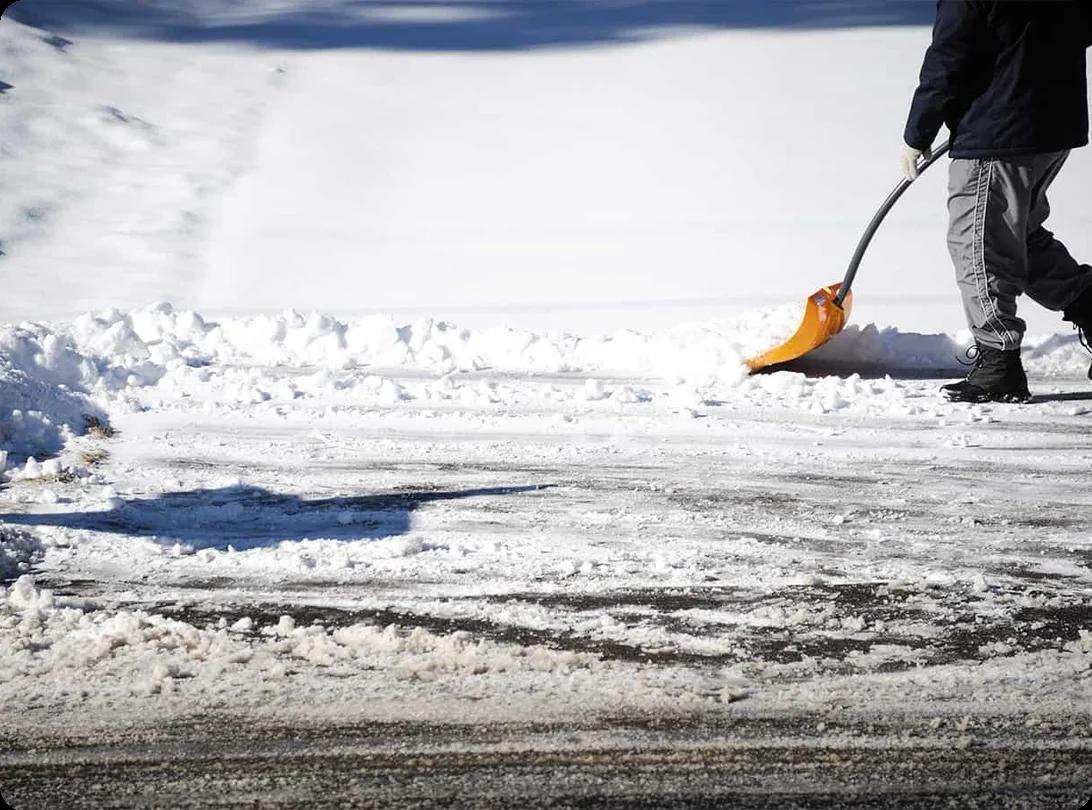
It's also a good idea to check your insurance and your moving company’s coverage to understand your liability if someone slips and falls or the moving truck encounters problems on the road. This holds true for snow on moving day as well as rain.

It’s Going to Rain Tomorrow — Can I Get Last-Minute Movers?

Almost certainly, yes! Sometimes, your best bet is labor-only help, but you can always turn to HireAHelper at the first sign of storm clouds to see what your options are. You can scroll through a list of available companies skilled in the art of solving all manner of moving problems — up to and including snagging some last-minute movers who know how to handle the rain.

Recent Articles

Woman cleaning fridge interior with gloves and spray bottle

Move-Out Cleaning Checklist: Room-by-Room Steps

Moving Day Tips

A move-out cleaning checklist is important for getting your security deposit back, preparing the space for the next tenant, and helping you keep track of often-forgotten cleaning tasks like scrubbing baseboards,... Read More

A pile of boxes filled with various items. Shoes and pillows are stacked on top of some of them

Moving Day Survival Guide: What Should I Keep With Me?

Moving Day Tips

Moving into a new home is an exciting milestone, but it can also be overwhelming. Proper preparation can make the transition smoother and help you settle in quickly.

One of the most important steps in this process... Read More

A homeowner unplugging an electronic device and labeling cords before movers arrive

Preparing for Moving Day: 10 Ways to Make Your Movers' Lives Easier

Moving Day Tips

There are a lot of tips and tricks out there to streamline your move, but ultimately, the best way to prepare for movers is to have everything organized and ready to go before your movers arrive. This not only... Read More

A person spreading rock salt onto an icy driveway after a winter storm

Should You Use Salt or Sand on an Icy Driveway?

Moving Day Tips

Although summer is the most popular moving season for several reasons, moving in the winter also comes with plenty of advantageslike scoring lower rates thanks to off-peak season pricing.

However, there's one... Read More

Moving truck - avoid theft during your move

Avoid Theft During Your Move

Moving Day Tips

Moving to a new place can feel liberating. Still, there’s one concern that can overshadow that excitement: someone walking off with your belongings during the move. Fortunately, a handful of best practices, like... Read More

two movers in work overalls sit in the bed of a truck and look at the camera

Can You Ride with Your Movers?

Moving Day Tips

The short answer is: no, you normally can’t ride with your movers in their truck. Most moving company policies prevent it because of liability concerns and insurance limitations.

Also, many moving trucks only have... Read More