How To Protect Floors When Moving

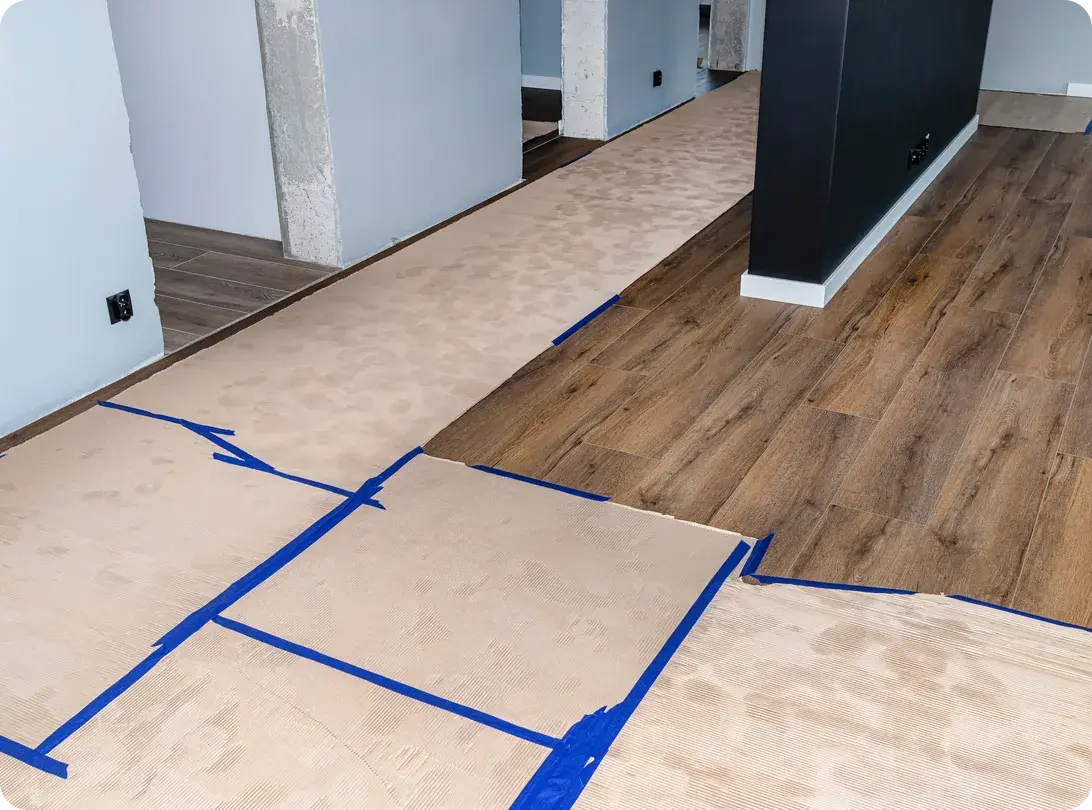
Protective covering laid over flooring during a home project

Your floors might be the last thing on your mind during a move, but when you're hauling heavy furniture around, they can get dented, scratched, and otherwise damaged, which could jeopardize your security deposit. Protecting floors requires the right materials, proper installation techniques, and strategies tailored to your floor type and room layout.

HireAHelper is the largest marketplace for connecting you with reliable, experienced moving professionals. Every day, we help people find reliable movers and share helpful advice to make your next move as smooth as possible, including protecting your floors along the way. This guide covers the best materials, common damage types, room-by-room strategies, and DIY versus professional options.


Last updated: Jul 06, 202612 min read
Karen Bodkin
Written byKaren Bodkin

Key Takeaways

  • You can easily prevent common moving damage like scratches, dents, water marks, and stains when you use the right materials.
  • Pick up heavy-duty floor protection, Masonite boards, or carpet protection film to get the best defense for your floor type.
  • Install your protection the right way by sweeping the floor first, taping down the edges, overlapping your sheets, and marking clear walking paths.
  • Create a unique game plan for the different rooms in your home, keeping in mind that entryways, stairs, kitchens, and bathrooms all face different risks.
  • Take extra care when moving heavy items like refrigerators across hardwood floors by pairing a rubber-wheeled dolly with reliable furniture sliders.
Karen Bodkin
Author

Karen Bodkin

Karen Bodkin is a writer at HireAHelper who's passionate about helping people navigate their moves with less stress and more confidence. She empowers readers by turning the many overwhelming parts of moving into clear, actionable guidance.

Karen draws from a broad writing portfolio that includes home improvement, health, and travel. Her work reflects a deep understanding of life's transitions and a genuine drive to make moving feel more manageable for everyone.

Should You DIY Floor Protection or Hire Movers?

Protecting your floors on your own works great for most moves, but hiring professional movers gives you the benefit of their experience, the right equipment, and liability coverage to lower your risk.

Taking the DIY route makes a lot of sense when:

  • You’re tackling a local move where a shorter drive means less risk.
  • You only need to move standard furniture and everyday appliances.
  • You rent your home and have a modest amount of valuables to transport.
  • You want to keep your overall moving budget in check.

Hiring professional movers is the better choice when:

  • You’re planning a long-distance move with higher transit risks.
  • You need to transport heavy appliances like refrigerators, washers, or pianos.
  • You want to protect high-value floors like hardwood, marble, or specialty tile.
  • You face physical limitations regarding health, age, or strength.
  • You have to navigate complex layouts with narrow hallways, steep stairs, and tight corners.

Professional movers bring their own commercial-grade equipment, extensive installation experience, and liability coverage for floor-damage claims. They also work quickly and efficiently to reduce the time your floors are exposed to foot traffic. The main disadvantage is the added upfront cost, though this often prevents much larger repair bills later on.

MovingPlace connects you with vetted, skilled professionals who bring the right gear and experience to handle any floor type. You can read more about how our platform works or compare the best moving marketplaces to find reliable help today.

The 8 Best Floor Protection Materials

The best floor protection materials for moving depend on your floor type, traffic intensity, and budget. Some options offer heavy impact protection against dropped boxes, while others create a waterproof moisture barrier against wet shoes or provide a smooth sliding surface for heavy furniture. Using a smart layering strategy gives you the best results. For example, you might place soft moving blankets down first, then cover them with rigid, heavy-duty floorboards to provide both impact absorption and a hard surface for rolling dollies.

You will also want to weigh your costs against the value of your floors. Premium materials make the most sense when you need to protect high-value hardwood or marble floors. If you’re renting your place and trying to keep your security deposit safe on a tight budget, you can find plenty of affordable options that still do the job.

Here is a quick look at the top floor protection materials to help you decide what you need.

Floor Protection Materials Comparison

MaterialBest ForDurabilityCostMoisture ResistantImpact ProtectionReusable
Heavy-Duty Floor ProtectionHardwood and LaminateHigh$$$GoodExcellentYes
Masonite BoardsHardwood and Budget MovesMedium$$FairGoodYes
Floor RunnersHigh-traffic pathsMedium$$GoodFairYes
Carpet Protection FilmCarpetMedium$ExcellentFairNo (single-use)
Furniture SlidersAll typesLow$N/A (furniture only)N/AYes
Moving BlanketsSupplementaryMedium$$GoodGoodYes
Plastic SheetingShort-term moisture barrierLow$ExcellentPoorYes
Corrugated CardboardHardwood and TileLow$PoorFairYes

1. Heavy-Duty Temporary Floor Protection

When you want top-tier defense for hardwood, laminate, or vinyl floors, heavy-duty temporary floor protection is the way to go. You will usually find this rigid board sold under brand names like Ram Board or builder board. It creates a tough, reusable surface so you can easily roll large dollies without scratching the floor underneath. While it runs about $0.21 per square foot and requires you to tape the seams together, the peace of mind is worth the cost, even if it falls short on blocking all moisture.

2. Masonite Boards

Masonite boards are thin plywood sheets that give you a smooth, hard surface to slide heavy items across hardwood, laminate, and tile floors. They are sturdy, reduce friction, and you can reuse them for your next project. A standard 1/8-inch board costs around $12 to $15, while the thicker 3/16-inch version runs closer to $22. Just keep in mind that Masonite absorbs water and can warp in damp weather, so make sure you overlap the sheets and secure the seams with painter's tape.

3. Floor Runners

Floor runners are flexible plastic or rubber mats that work wonders for covering your busiest pathways, like hallways, entryways, and stairs. They offer a very affordable, reusable way to protect the zones your movers walk through most. A standard 12-foot utility runner costs about $15, and the non-slip versions run closer to $28. To set them up, roll out the material and secure the edges with painter's tape, but watch out: some adhesives leave a sticky residue, and plain plastic runners can get slippery.

4. Carpet Protection Film

If you need to keep your carpets safe, carpet protection film is a self-adhesive plastic sheet that sticks right to the fibers to block dirt and tough stains. A standard 50-foot roll costs about $22 and is easy to roll out.

Once you press it down firmly and overlap your seams, it gives you incredible defense for carpeted rooms and stairs. However, the top layer can be slippery, and you must remove it within 30 to 60 days so the strong glue doesn't ruin your carpet.

5. Furniture Sliders and Felt Pads

Furniture sliders and felt pads let heavy couches and dressers glide safely across any floor in your home. Sliders are smooth plastic discs that tuck under furniture legs, while felt pads stick directly to the feet to stop dragging and scratching. You can grab a pack for $5 to $20, and they work well when you pair them with reliable floor boards underneath. However, you do have to put them on manually and watch out for leftover sticky residue.

6. Moving Blankets

Moving blankets give you a thick, padded cushion to absorb the impact of furniture knocking into walls or the floor. These versatile blankets are reusable and cost $5 to $35 to buy, or you can rent them for $10 to $15 a dozen for a quick local move. For the best results, lay these soft blankets underneath your heavy-duty floor boards or Masonite sheets to add an extra layer of padding, but make sure you anchor them down well so nobody trips over them.

7. Plastic Sheeting and Drop Cloths

Plastic drop cloths and sheeting give you an affordable, fast way to shield your floors from dirt and wet shoes in busy areas. A large roll or multipack only costs $10 to $20, but these thin plastic sheets don't offer much padding if you drop a heavy box, and they can get very slippery underfoot. To keep everyone safe, tape the edges down firmly and consider layering them under moving blankets to get a better mix of soft cushioning and waterproofing.

8. Corrugated Cardboard Sheets

Large sheets of corrugated cardboard offer a fantastic, budget-friendly way to cover your hardwood or tile floors, and they do a surprisingly good job of absorbing impacts and preventing scratches. You can flatten old moving boxes for free or buy large cardboard rolls for $15 to $30 to build a protective barrier across your rooms. Just make sure you tape all the seams together so your movers don't trip, and remember that cardboard tears fast when it gets wet, making it a bad choice for a rainy day.

How To Install Floor Protection Materials: Step-by-Step

Proper installation of floor protection materials prevents shifting and gaps. Follow these best practices to maximize your coverage and keep your floors safe.

  1. Clean the floor thoroughly: Remove all dust, dirt, and debris. Make sure the floor is completely dry before you begin.
  2. Start in a corner: Work outward from the corner of each room or hallway to ensure you leave no gaps at the edges or near thresholds.
  3. Overlap the sheets: Overlap your materials by two to three inches to create a continuous barrier against dirt seeping underneath.
  4. Secure the edges: Tape down the edges and seams with painter's tape or duct tape to prevent lifting and tripping hazards.
  5. Press down firmly: If you use adhesive carpet film, press it down firmly as you unroll it to avoid wrinkles and air bubbles.
  6. Create clear pathways: Mark your protected zones clearly so your movers know the safest routes to walk.
  7. Seal the seams: Tape all seams for additional moisture protection, especially in kitchens and bathrooms.
  8. Remove with care: When it is time to pack up, use a plastic scraper and adhesive remover to remove any sticky residue.

Target and Plan Floor Protection Section-by-Section

Different rooms face different floor-protection challenges, so try to treat your home section by section to ensure you address traffic patterns and high-touch surfaces correctly. Strategically placing runners and protection zones throughout your home guarantees that every single floor gets the precise defense it needs.

Entryways and Hallways

Entryways and hallways experience the most foot traffic during a move, so they remain vulnerable throughout the move. Your best protection strategy involves laying down floor runners or heavy-duty floor protection right in the main pathways. Add extra cushioning at the doorway transitions where movers pivot and adjust their grip.

Floor runners offer a cost-effective solution, while heavy-duty boards give you premium protection. You should also make sure you avoid leaving any gaps, since your coverage needs to extend smoothly from the front entry into the main rooms.

Stairs

Stairs act as high-risk zones where dropped items, equipment impacts, and heavy foot traffic converge, so they require reinforced protection and special techniques. Keep in mind that stair edges take the brunt of the impact. Carpeted stairs also tear easily, and hard surfaces scratch in an instant.

"Using a smart layering strategy gives you the best results. For example, you might place soft moving blankets down first, then cover them with rigid, heavy-duty floorboards to provide both impact absorption and a hard surface for rolling dollies."

Your best strategy is to use carpet protection film on carpeted stairs or floor runners on wood and tile. Always reinforce the edges and corners to prevent tears. As a quick handling note, you should always carry furniture down the stairs rather than dragging it. If you’re planning on hiring movers, you can read up on whether movers charge extra for stairs to help you plan your budget.

Kitchen and Bathrooms

Kitchens and bathrooms face unique moisture risks from wet equipment, condensation, and plumbing access. You must prioritize moisture barriers in these rooms.

Your protection strategy should rely on moisture-resistant materials like sealed Masonite boards, carpet film, or plastic runners. Pay extra attention to the corners and edges where water likes to pool. Make sure to perform a quick post-move check to inspect the area for water stains or moisture damage immediately after the heavy lifting ends.

How To Protect Hardwood Floors When Moving a Refrigerator

Moving heavy appliances like refrigerators over hardwood floors requires special care to prevent dents, cracks, and moisture damage. Refrigerators weigh anywhere from 500 to over 1,000 pounds, creating pressure points that easily ruin delicate wood.

To keep your floors safe in these situations, you need to layer your protection. Start with a solid base of heavy-duty floor protection or Masonite, and then add moving blankets to cushion and absorb any water leaks. Finally, place furniture sliders or rubber pads under the appliance feet.

Here is how to move a refrigerator safely across hardwood floors:

  1. Check the refrigerator for leaks, defrost it if necessary, and secure all loose parts.
  2. Plan your route to keep the travel distance as short as possible.
  3. Load the refrigerator onto an appliance dolly equipped with rubber wheels, avoiding hard plastic or metal wheels.
  4. Lift and roll the dolly slowly, and never drag the appliance.
  5. Wipe up any water or moisture immediately before leaving the room.

If you feel uncomfortable handling a heavy appliance, HireAHelper connects you with movers who are experienced in safely transporting refrigerators and any other heavy appliances you need moved.

Why Floor Protection During a Move Matters

Protecting your floors during a move prevents expensive damage that can cost thousands of dollars to fix. Hardwood refinishing easily runs between $3,000 and $10,000, and replacing laminate or carpet adds up fast. If you rent your home, damaging the floors puts your entire security deposit at risk since most rental agreements require you to leave the property in its original condition. For homeowners, visible floor damage lowers your resale value and ruins the appeal of your home.

You might think your standard moving insurance covers everything, but it often falls short when it comes to floor repairs, so taking a preventive approach solves this problem. Spending $100 to $500 on good floor protection materials saves you from huge repair bills later.

3 Common Types of Floor Damage To Avoid During a Move

Moving causes three main categories of floor damage: scratches, dents, and moisture damage. Understanding how these happen helps you choose the right materials to keep your floors looking brand new.

1. Scratches and Scuffs

Scratches and scuffs happen more often than any other type of floor damage during a move. They usually occur when you drag heavy furniture, slide items without protection, or roll equipment with hard wheels directly on the floor. Hardwood, laminate, and vinyl floors are the most vulnerable to these ugly marks. To prevent scratches, always use furniture sliders, felt pads, and protective floor runners. Lift your items instead of dragging them, and make sure your dollies have soft rubber wheels.

2. Dents and Cracks

Dents and cracks happen when heavy items are dropped or when concentrated weight puts too much pressure on the flooring. A heavy couch or refrigerator resting on small legs can easily crack the floor underneath. Hardwood, bamboo, and engineered wood floors take the most damage from these impacts. You can prevent dents by using dollies to move heavy items and laying down thick protective materials like Ram Board or Masonite. Always distribute the weight evenly to keep your floors safe.

3. Stains and Moisture Damage

Moisture and stains ruin floors when your protection materials fail or when wet weather tracks inside. Damp equipment, inadequate sealing, and dirty protection surfaces all lead to water exposure and dirt buildup. Hardwood and engineered wood floors are sensitive to moisture and warp easily when they get wet. To prevent moisture damage, use waterproof barriers such as carpet protection film or sealed Masonite boards. Make sure to tape all your seams securely, and always keep your materials clean and dry.

Why Trust HireAHelper

HireAHelper is the largest marketplace for connecting you with trusted, experienced moving professionals. Our platform thoroughly vets movers for experience, reliability, and proper insurance coverage. You can read reviews and ratings from real customers to find movers who know exactly how to handle heavy furniture ot minimize the risk of damage to your floors. The movers you find on HireAHelper bring professional-grade equipment and a deep understanding of all types of floors. We give you transparent pricing and liability protection for your home.

Want professional floor protection for your move? Find experienced movers in your area at HireAHelper.com.

Recent Articles

An older woman in a checkered shirt holds a pencil and notepad while planning her move in a new apartment

Common Moving Day Questions For A Stress-Free Move

Moving Day Tips

Waking up on moving day can be anxiety-inducing because of everything you have to keep track of and do in just 24 hours, but having a well-laid-out plan keeps things on track. To have a smooth moving day, you'll... Read More

a red and white sign that says the area is only for parking with a permit

Moving Permits 101: How To Get a Parking Permit for Moving

Moving Day Tips

A moving permit is official permission from the local government that allows you to park a moving truck legally. It's usually for a specific day, but it may be longer, depending on the terms.

If you live in a major... Read More

Woman cleaning fridge interior with gloves and spray bottle

Move-Out Cleaning Checklist: Room-by-Room Steps

Moving Day Tips

A move-out cleaning checklist is important for getting your security deposit back, preparing the space for the next tenant, and helping you keep track of often-forgotten cleaning tasks like scrubbing baseboards,... Read More

A pile of boxes filled with various items. Shoes and pillows are stacked on top of some of them

Moving Day Survival Guide: What Should I Keep With Me?

Moving Day Tips

Moving into a new home is an exciting milestone, but it can also be overwhelming. Proper preparation can make the transition smoother and help you settle in quickly.

One of the most important steps in this process... Read More

A homeowner unplugging an electronic device and labeling cords before movers arrive

Preparing for Moving Day: 10 Ways to Make Your Movers' Lives Easier

Moving Day Tips

There are a lot of tips and tricks out there to streamline your move, but ultimately, the best way to prepare for movers is to have everything organized and ready to go before your movers arrive. This not only... Read More

A person spreading rock salt onto an icy driveway after a winter storm

Should You Use Salt or Sand on an Icy Driveway?

Moving Day Tips

Although summer is the most popular moving season for several reasons, moving in the winter also comes with plenty of advantageslike scoring lower rates thanks to off-peak season pricing.

However, there's one... Read More