Paying for U-Hauls: How It Works and How to Save

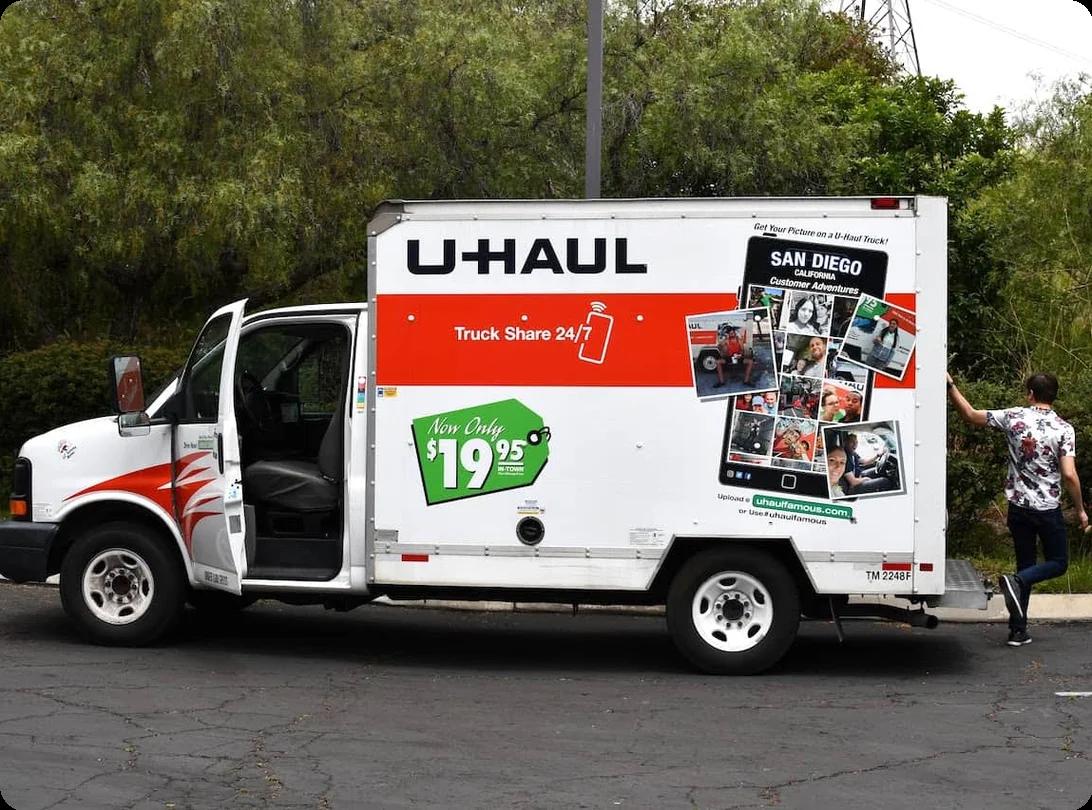
A U-Haul moving truck parked outside displaying the classic $19.95 rental sign

Renting a U-Haul is usually straightforward, but the final cost depends on more than handing over your card and driving off with a truck. In short, U-Haul usually does not ask for a deposit if you pay with a major credit or debit card, but will for cash rentals. Your total can also change depending on the total miles driven, fuel, insurance, extra equipment, timing, and whether you return the truck on time.

HireAHelper has helped people plan DIY and labor-only moves for more than 17 years, including moves where customers rent a truck and book moving labor separately. Below, we’ll walk through U-Haul payment options, deposits, late fees, discounts, and ways to keep your final bill under control.


Last updated: Jul 20, 202614 min read
Kevin The Mover
Written byKevin The Mover
Melanie Morris
Reviewed byMelanie Morris

Key Takeaways

  • U-Haul deposits depend on how you pay. Cash rentals usually require a deposit, while major credit and debit cards usually do not.
  • A debit card hold is not the same thing as a deposit. U-Haul places holds on local rentals and applies the final charge after return.
  • The $19.95 rate is only a starting point for some local rentals. Mileage, fuel, coverage, taxes, and add-ons can raise the total.
  • U-Haul does not have a standard AAA discount, but it does offer some military, student, storage, supply, hotel, and route-based savings.
  • You can avoid many extra charges by documenting the truck, tracking mileage and fuel, returning on time, and paying any balance quickly.
Kevin The Mover
Author

Kevin The Mover

Kevin Kato is a travel and home services writer with over 20 years of experience as a professional mover.

Having been both a professional mover and a crew leader, Kevin has seen it all in the world of moving: hectic moves, unique packing, bizarre accident claims, truck mishaps, or just run-of-the-mill moves as advertised; there is virtually no situation Kevin hasn't managed. Today, Kevin provides his insights as Kevin The Mover for professional movers and "movees" everywhere.

Why Trust HireAHelper

HireAHelper is a moving labor marketplace that has helped more than 1 million people move since 2007. Many HireAHelper customers handle DIY moves by renting a truck, often a U-Haul, then booking local moving labor to load or unload it.

That gives us a practical view of the real final price, fees, fuel, and everything else included. The cost figures in this article come from the HireAHelper proprietary cost database, which reflects real moving costs across local, midrange, and long-distance moves. Kevin Kato, HireAHelper’s in-house moving expert, also shares practical guidance from years of helping renters plan truck-based moves.

How Paying for a U-Haul Works

How paying for a U-Haul works depends on whether you use a credit card, debit card, cash, or another payment method. U-Haul accepts major credit cards, debit cards, and cash for many rentals, but each payment type works a little differently.

Here’s the simple breakdown:

  • Credit card: U-Haul authorizes the card and charges the final amount based on your rental.
  • Debit card: U-Haul may place a hold, especially for local moves, then apply the final charge after return.
  • Cash: Cash is allowed for many truck rentals, but you usually need to pay a deposit at pickup.
  • Prepaid card: Do not assume a prepaid card will work. U-Haul’s published rental rules focus on major credit cards, debit cards with a major card logo, and cash, so call the pickup location first.

You can call, reserve online, or rent in person. However, we strongly recommend scheduling in advance online or over the phone to guarantee the availability of your chosen truck size. You also usually get a better daily rate when you book well in advance.

Understand U-Haul Pricing Structure

You’ve probably seen the advertised $19.95 daily rate plastered on the sides of U-Hauls everywhere. But that’s rarely what you actually pay. The $19.95 is the base rate for an in-town move with the smallest vehicles: cargo vans and pickup trucks. Considering you’ll likely need a larger truck for your move, expect to pay a higher rate. If you’re moving long-distance, that rate increases even more.

Renting a U-Haul can feel expensive because the base rate is only one part of the bill. A local U-Haul move under 50 miles averages $138. Midrange moves typically cost around $301. The average long-distance rental costs much more, around $1,142.

Your total bill upon returning the truck factors in many charges, including:

  • Daily rental truck fee
  • Mileage
  • Insurance and damage coverage
  • Taxes
  • Fuel
  • Cleaning fees
  • Environmental fees
  • Equipment rentals

How Much Is a U-Haul Late Fee?

U-Haul charges $40 per extra day for trucks when you add prepaid extra days to a one-way move. Extra days for trailers and towing devices cost $20 per day. U-Haul recommends planning those extra days with your pickup location ahead of time so your rental contract is accurate.

If you return the truck late without extending your rental, you may be charged for the extra rental periods. The exact charge can depend on your contract, location, equipment, and how late the return is.

If you know you’ll be late, call the pickup or drop-off location as soon as possible. It is much better to ask about extending the rental ahead of time than to let the truck become overdue.

Does U-Haul Require a Deposit?

U-Haul requires a deposit for some cash rentals, but not usually for rentals paid with a major credit card or debit card with a major credit card logo. Per U-Haul’s published terms, cash deposits for trucks are $100 or the estimated rental charges for an in-town truck, whichever is greater, or $100 plus the rental rate for a one-way truck.

Cargo vans and pickup trucks have an extra rule: you need a major credit card or debit card with a major credit card logo at pickup, even if you plan to pay another way. The total estimated charges are also due when you pick up the equipment, no matter how you pay.

Renting with a credit card

You do not need a credit card for every U-Haul rental, but a major credit card is usually the simplest and quickest way to pay. When you reserve online, U-Haul requires American Express, Discover, Mastercard, or Visa, but you do not have to use that same card to pay for the rental.

When you pay with a credit card, U-Haul authorizes the card for the estimated rental amount. That estimate can include the rental rate, mileage, coverage, taxes, and any add-ons you choose.

"If you see a U-Haul discount code on a coupon site, do not assume it will apply to your truck rental, date, route, or location."

After you return the truck, U-Haul calculates the final amount. If the authorization is higher than your final charge, the extra amount is released by your financial institution.

Renting with a debit card

When paying with a debit card, U-Haul can put a hold on it. U-Haul says it places a hold on all local moves, then uses the held amount to collect the final total after you return the equipment.

If the final bill is lower than the hold, your bank releases the remaining funds. If the final bill is higher than the hold, U-Haul charges the held amount and then charges the additional balance separately.

Before using a debit card, make sure your checking account can handle the hold, the final rental cost, fuel, and other move-day expenses. U-Haul says debit cards with a Visa or Mastercard logo can be used to rent U-Haul equipment.

Renting with cash or a prepaid card

U-Haul charges a $100 deposit for some cash truck rentals, but the amount depends on the type of rental. For an in-town truck, the cash deposit is $100 or the estimated rental charges, whichever is greater. For a one-way truck, it is $100 plus the rental rate.

The deposit exists because U-Haul cannot place a bank hold on cash. The deposit can help cover estimated charges, mileage, fuel, late returns, cleaning, damage, or other balances. If the truck comes back on time, in good condition, and with no extra balance owed, the unused deposit should be refunded.

Cash also has limits. Cargo vans and pickup trucks require a major credit or debit card with a major card logo at pickup. If you only have cash, call your location before booking so you know which truck options are actually available to you.

How long does it take to get your U-Haul deposit back?

U-Haul card holds are normally released within five business days after the final transaction, but your bank controls exactly when the remaining funds appear in your account. If the hold is still not available after five business days, U-Haul recommends checking with your financial institution first.

Cash deposits work differently. If you paid cash, the refund depends on the final bill and how the location handles the process. Ask at pickup whether any unused cash deposit will be returned at the counter, refunded later, or issued another way.

"U-Haul uses dynamic pricing. If there are plenty of trucks in the size you need on your moving day, prices tend to go down. It's best to book your truck as soon as you know you need it if you want to get the best deals."

If the hold is still not released after five business days, U-Haul has a Hold Release Request process. You will need details like your contract number, phone number, cardholder name, last four digits of the card, bank name, date of hold, and hold amount.

U-Haul Discounts and Savings Programs

U-Haul discount codes can be hard to find because U-Haul focuses more on base rates, timing, route pricing, and service-specific offers than broad promo codes. That does not mean there are no savings, but many discounts are tied to storage, supplies, military moves, student services, hotels, one-way routes, or specific locations.

Before you book, check U-Haul’s current discounts and promotions page, then compare your total price across different dates, pickup locations, and drop-off options.

Does U-Haul Have a AAA Discount?

U-Haul does not list a standard AAA truck rental discount on its current discounts page. If you see a U-Haul discount code on a coupon site, do not assume it will apply to your truck rental, date, route, or location.

The practical way to handle promos is simple: price the rental directly through U-Haul, check the official discounts page, and ask the pickup location if any current route or local promotion applies.

Military, Student, and Senior Moves

U-Haul does have savings programs and moving-related offers for some groups, but not every discount works like a simple promo code. Availability can change by location, timing, service type, and route.

  • Military moves: U-Haul says it does not have a specific military discount, but military customers may qualify for savings on PPM or DITY moves, including one month of free storage, free standard shipping on moving supplies, and discounts on one-way rentals.
  • Student moves: Collegeboxes, a U-Haul division, offers student storage and shipping, including pickup, storage, and delivery options for dorm moves.
  • Senior moves: U-Haul does not list a universal senior discount on its current discounts page, so seniors should check current promotions, compare dates, and ask the location about storage, hotel, or route-based savings.

Seasonal Promotions and Partner Deals

The best U-Haul discount is often better timing. Rates tend to be lower when demand is lower, especially Sunday through Thursday, midmonth, and outside the busy summer moving season.

U-Haul also lists partner and service-based deals on its discounts page. Current examples include one month of free storage at participating locations with a one-way truck or trailer rental, free standard shipping on qualifying moving supply orders, a buy-back program for unused U-Haul boxes with a receipt, student savings through Collegeboxes, and hotel discounts with select partners.

These offers can change, so check the current promotion page before you book. Then compare the full rental total, not just the base rate.

Ways To Get a Better Rate on Your U-Haul

The best ways to get a better U-Haul rate are to book early, avoid peak times, and stay flexible with pickup or drop-off locations. U-Haul pricing changes based on demand, truck availability, location, and route, so using more than one of these strategies gives you the best shot at saving money.

Book Early

U-Haul uses dynamic pricing. If there are plenty of trucks in the size you need on your moving day, prices tend to go down. As moving day gets closer and more trucks are reserved, prices increase. It's best to book your truck as soon as you know you need it if you want to get the best deals.

Don't Book During Peak Times

Peak rental periods tend to come with higher pricing — thanks to that same dynamic pricing model. Try to avoid the busiest times, which tend to fall on weekends, the end of the month, and summertime.

If you can be flexible with your moving date, one strategy is to use short-term storage to wait out a busy period and move during a cheaper time. As Kevin Kato, our in-house moving expert, points out, this option can come with both benefits and trade-offs:

"This may not jive with the timing demands of your move, but U-Haul does offer, in some cases, one free month of self-storage at the beginning or at the end of your move. (Then again, moving your stuff into and then out of storage may mean an extra in-town rental, which nets them more money.)"

Be Flexible With Your Drop-Off Location

Usually, working with a commercial business means paying the quoted price, and that's that. With U-Haul, you might have a bit of flexibility. Kevin recommends offering to do U-Haul a quick favor for a discount: "If you're moving long-distance, ask if U-Haul needs your truck in a location other than the one closest to where you are going. Individual stores have been known to occasionally give you a bit of a break if you agree to drop it off there for them."

Since the vast majority of U-Haul rentals are one-way, managers need ways to keep enough trucks stocked at their locations. Sometimes, that means they have to travel personally to collect their vehicles, so certain U-Haul locations may actually offer a discount if you drop off the truck at the same place where you rented it.

Of course, this isn't guaranteed, but it's always worth asking. The worst they can say is no.

Ways to Avoid Hidden Fees and Up-Charges on Your U-Haul

The best way to avoid hidden fees and up-charges on your U-Haul is to check the truck carefully before you leave and return it exactly as agreed. That means confirming the mileage, fuel level, damage notes, coverage, equipment, return time, and payment terms before the truck leaves the lot.

A few extra minutes at pickup can save you from charges that are much harder to dispute later.

Mileage and Fuel Surprises

Mileage charges depend on the type of rental. Local, in-town rentals usually charge a base rate plus mileage. One-way rentals include a set number of miles, and U-Haul charges extra if you exceed the allowed amount.

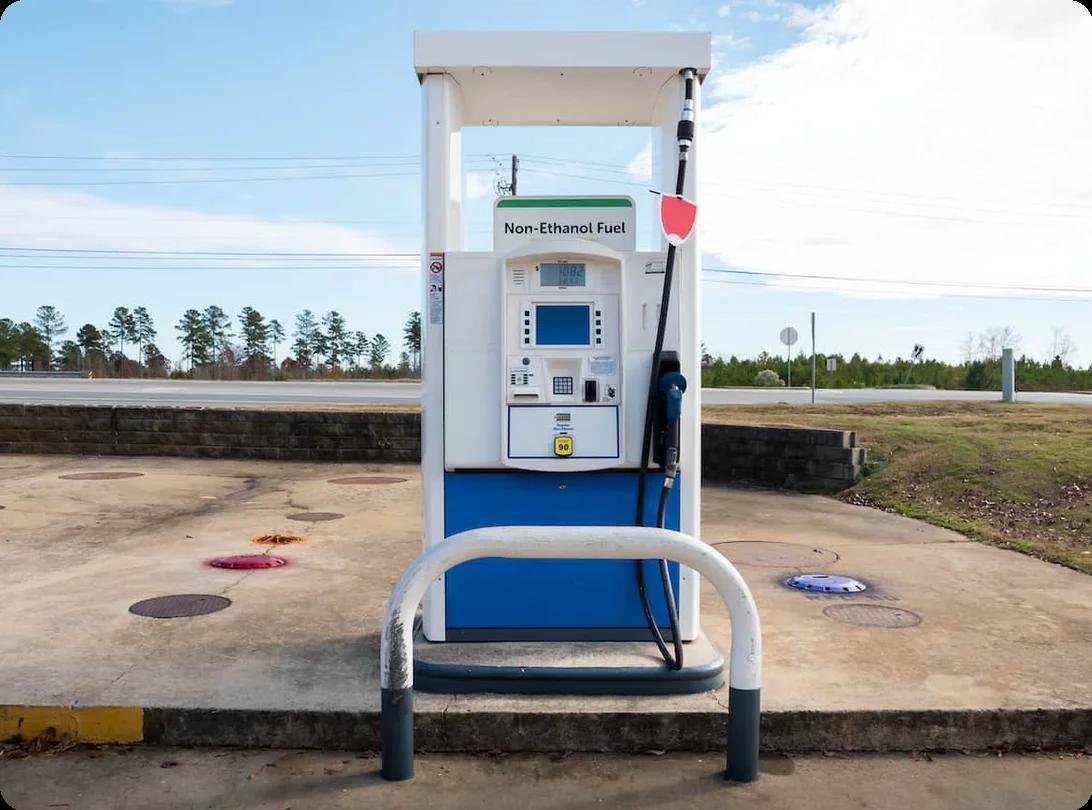
Fuel can also add to the bill. Your truck should come with a full tank of gas, and you're expected to return it with the same. If it doesn't, have the U-Haul employee note how much gas was in the tank before you put the truck in drive. Also, take a photo of the gas gauge and odometer reading before you go, just in case. As Kevin puts it, "U-Haul employees won’t think twice about being vague to you, then demand specifics when you go to drop it off."

Pay With a Card to Skip the Cash Deposit

Paying with a major credit or debit card can help you skip the cash deposit at pickup. You may still have a card hold, but you will not have to hand over the extra deposit that applies to many cash rentals.

The downside is that a card hold can temporarily reduce your available funds. If you are using a debit card, leave enough money in your account for the hold, fuel, food, tolls, and other move-day costs.

Also remember that cargo vans and pickup trucks require a major credit or debit card at pickup. For more detail, see the section above on “Does U-Haul Require a Deposit?

Fill Out the Damage Sheet

You should return your U-Haul in the same condition you received it. Dents, dings, and chips can all count against you when you return your truck if you don't document them correctly. The last thing you need is U-Haul deciding that you're liable for the damage and charging you for it. To avoid this, fill out the damage sheet thoroughly with any wear and tear on the vehicle before you take it into your possession.

Don’t forget to keep your camera ready as you fill out the damage sheet. Your U-Haul employee should be there to inspect with you, but attention to detail is always your friend when trying to avoid unexpected charges. Pay particular attention to nicks in the paint job and cracks in the windshield. Note any potential damage on the sheet and snap a picture of it, even if the employee tells you not to worry about it.

Avoid (or Communicate About) Late Returns

It's always best to be punctual when time, money, and contracts are involved. But sometimes, delays happen. It might take longer than you thought to unload everything at your new home, or unexpected traffic could slow you down for hours. When this happens, communication is always the best policy.

Late fees apply at U-Haul. While some employees may be lenient with the clock, it's best not to count on this. Kevin emphasizes,

"Without breaking any traffic laws, do your best to avoid returning your vehicle late. If you happen to fall behind schedule, call ahead. Your U-Haul person knowing you'll be late is better than him or her wondering if you'll be showing up at all and hitting you with a massive fee."

Avoid the Gas Pedal

You can't expect fantastic fuel economy from a big moving truck, but there are ways to cut down your gas expenses. Some trucks have a fuel economy gauge that tells you the average MPG you're getting as you drive. Pay attention to it and go easy on the accelerator. Coast whenever you can instead of racing to the red light to reduce your overall gas expenses.

Pay Your U-Haul Bill Immediately

It's not uncommon for U-Haul to assess additional charges when you drop off your truck. If you're not prepared to pay, you'll sign a promissory note to U-Haul. If you don't pay it, you can get hit with collections, which can rack up additional fees. Either way, your name will go on "e-alert," and you won't be able to rent again until you've fully paid off the balance. Pay it off in full or as soon as possible.

But what if you disagree with a charge? Kevin explains, "If you feel you have a legitimate dispute, bring it up forthright. But don’t just walk away. U-Haul does not tolerate being ignored."

Frequently Asked Questions

Recent Articles

Uhaul trucks of different sizes are parked in a row in a lot

Best U-Haul Alternatives in 2026: Competitor Prices, Reviews and More

Moving Trucks

The best U-Haul alternative depends on what kind of move you’re doing. For a long-distance move, Penske is a great first place to check because the trucks are known for being comfortable on longer drives, and most... Read More

the front facade of a home depot. Product displays and the entrance can be seen.

Home Depot vs. U-Haul Truck Rental: Which Is Better?

Moving Trucks

Choosing between Home Depot and U-Haul for your moving truck depends on the kind of move you’re making. U-Haul is usually the better choice for most local moves, especially if you need more truck sizes, a one-way... Read More

A U-Haul moving truck parked in front of a home with the orange-and-white branding visible

How Much Does a U-Haul Really Cost in 2026? We Found Out

Moving Trucks

U-Haul truck rentals start at $19.95 a day, but that’s just the advertised rate and does not include the full cost of getting your belongings from one home to another. Your real total depends on the truck size,... Read More

The AAA logo set on the side of a AAA-affiliated building

Do AAA Members Get Discounts on Moving Trucks?

Moving Trucks

Yes, AAA members can get discounts on moving truck rentals — often as high as 12% — when booking through select partner brands such as Penske or Budget. These deals are designed to give members added value through... Read More

A car loaded on a car carrier trailer

Tow Dolly vs. Trailer: Which Should You Choose for Your Move?

Moving Trucks

Towing your own car behind a moving truck helps you avoid the cost of a professional auto transport company and saves you from putting extra miles on your personal vehicle. For most DIY movers towing a typical... Read More

A red gasoline can sits on a lawn next to packed moving boxes – an example of what not to load

Things Not Allowed on a Moving Truck

Moving Trucks

There are several categories of things moving companies won't move, including hazardous, perishable, and valuable items. As packing for a move is already a big job, it helps to know what movers will not move before... Read More