When Is Peak Moving Season? (And How to Move Cheaper During It)

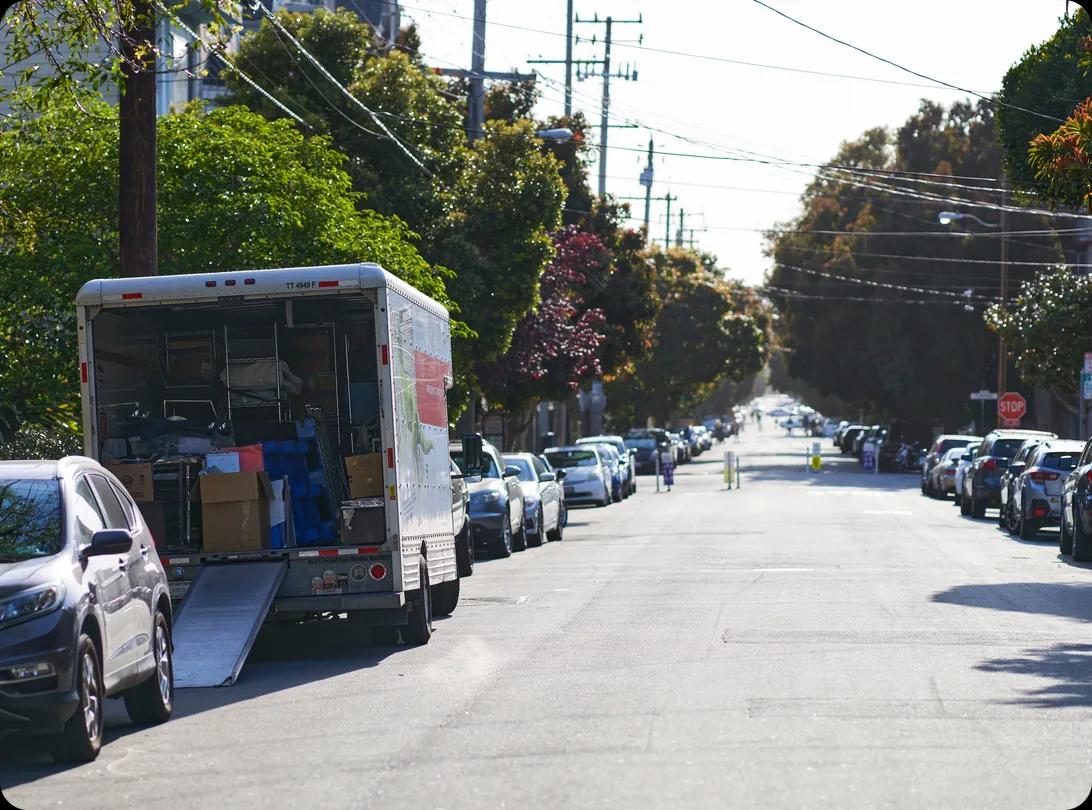
Movers loading a truck during peak moving season

Peak moving season usually runs from May through August, with June standing out as the busiest month of the year for moves. It’s when movers, rental trucks, and moving containers are in the highest demand, which can make your move more expensive and harder to schedule. But a little flexibility, early booking, and the right mix of moving help can give you more options.

HireAHelper has helped people book more than 1 million moves through our marketplace, giving us a clear look at when people move and how seasonal demand affects planning. Based on our proprietary data, this guide goes through when most people move, why summer gets so busy, and how to keep costs down if you’re moving during peak season.


Last updated: Jul 20, 20268 min read
Karen Bodkin
Written byKaren Bodkin

Key Takeaways

  • According to HireAHelper moving data, peak moving season is from May through August, when 45% of moves happen.
  • June is the busiest month of the year for moves.
  • Moving during peak season can mean higher prices and less availability.
  • Booking early, comparing quotes, and choosing flexible dates can help lower your costs.
Karen Bodkin
Author

Karen Bodkin

Karen Bodkin is a writer at HireAHelper who's passionate about helping people navigate their moves with less stress and more confidence. She empowers readers by turning the many overwhelming parts of moving into clear, actionable guidance.

Karen draws from a broad writing portfolio that includes home improvement, health, and travel. Her work reflects a deep understanding of life's transitions and a genuine drive to make moving feel more manageable for everyone.

What is Moving Season?

Moving season is the time of year when the largest share of people move. In the U.S., that means late spring through summer, when school breaks, lease turnover, job changes, and better weather all overlap.

This matters because moving is a supply-and-demand business. When more people need moving labor, trucks, containers, storage units, and delivery windows at the same time, prices can rise, and availability can tighten. So not only is it more expensive to move during peak season, but you’ll also have a harder time getting your preferred move date, truck size, or time slot.

That doesn’t mean moving during summer is a bad idea. For many households, it’s the only realistic time to move. Kids are out of school, home sales often close in warmer months, and long-distance moves can be easier to manage when snow and ice aren’t part of the plan. The key is knowing what peak season changes so you can plan around it.

When Do Most People Move?

According to HireAHelper moving data, 45% of moves happen from May to August. June, specifically, ranks as the busiest month of the year. Moving activity starts climbing in spring, stays high through summer, and usually slows once school is back in session.

That pattern is helpful when you’re trying to plan your move. The closer your move is to the busiest weeks of the year, the more important it is to book early and compare your options. If your move date is flexible, even shifting from a weekend to a weekday can sometimes give you more options.

Chart: Monthly moving-season chart showing that May through August make up peak moving season, with June as the busiest month of the year for moves.

The main takeaway from the data is simple: summer is busy for moving. So, if you’re moving during those months, you’re competing with renters, buyers, students, families, and workers who are all trying to move during the same short window.

June: The Busiest Month of the Year for Moves

June is the busiest month of the year for moves. It lands at the center of several major moving triggers: the end of the school year, the start of summer job transitions, apartment lease turnover, and home closings that happen in late spring or early summer.

For families, June often feels like the least disruptive option. Kids can finish the school year, move, and then start fresh in a new district in the fall. For college students and recent graduates, June is also a common month for moving out, moving home, or relocating for work.

Weather also plays a role, so while a summer move is not always comfortable, it comes with fewer driving risks due to weather. That can make June appealing for long-distance moves, especially when people need a full weekend or several days off to pack, load, drive, and settle in.

The downside is that everyone else sees those benefits too, so June moves often require more advance planning, especially if you want a specific date, a weekend slot, or help loading and unloading a rental truck or container.

How Moving Season Impacts Costs

Moving season can make your move more expensive because more people are competing for the same movers, trucks, containers, and delivery windows. When demand rises, prices often go up. This can affect almost every part of your move, including:

  • Local moving labor
  • Full-service movers
  • Rental trucks
  • Moving containers
  • Storage units
  • Packing supplies
  • Long-distance delivery timelines

The biggest issue is availability. During slower months, you may have more room to compare options, wait for a better date, or book closer to moving day. During peak season, the best time slots can disappear quickly, especially near weekends, holidays, and the end of the month. You may need to accept a less convenient time, pay more, or split your move into separate pieces.

"According to HireAHelper moving data, 45% of moves happen from May to August. June, specifically, ranks as the busiest month of the year."

Long-distance moves can also take longer during peak season as well because trucks, containers, and crews are moving through busier schedules, which can make pickup and delivery windows harder to lock in. If you’re moving across state lines, build in extra time before you need your furniture, work setup, kids’ items, or other essentials.

If you’re moving in peak season, you should plan especially carefully and as early as possible. A missed elevator reservation, late truck pickup, or delayed closing can cause a bigger ripple effect when everyone’s schedule is already full. Giving yourself a little extra time (and patience) for delays can help keep your move from getting more expensive than it needs to be.

How to Move Cheaper During Moving Season

Moving during peak season doesn’t automatically mean you’ll overpay. The biggest savings usually come from giving yourself more choices: more dates to choose from, more time to compare prices, and more flexibility in how you handle the move.

Here are some ways to keep costs more manageable during the summer rush:

  • Start pricing things out early. Once you know your move date, look at your options instead of waiting until the last minute. You’ll usually have more choices for movers, rental trucks, and containers.
  • Move on a weekday if you can. Weekends are popular because people don’t have to miss work, so weekday moves can be easier to schedule and sometimes cheaper.
  • Look at midmonth dates. The beginning and end of the month tend to be busier because of leases and closings. If your timing is flexible, a mid-month move may give you more room to work with.
  • Compare more than one quote. Prices can vary during peak season, even for the same type of move. You should compare at least three quotes, and maybe even more in the busy season. HireAHelper makes this step easy by leting you compare local moving labor by price, reviews, and availability on our platform so you can choose help that fits your budget.
  • Consider hiring labor only. If you’re comfortable renting and driving the truck yourself, hiring movers just for loading and unloading can help you save money without doing all the physical work on your own.
  • Use a moving cost calculator. A tool like HireAHelper’s moving cost calculator can give you a clearer idea of what to expect before you start booking.
  • Move less if you can. Summer is an expensive time to pay someone to move things you don’t actually want. Selling, donating, or tossing a few things before moving day can make the whole job easier and cheaper.
  • Have most of your packing done before help arrives. If you’re hiring movers by the hour, a packed-up home can help the job move faster and keep labor costs down.

You may not be able to make a peak-season move cheap, but you can make it less chaotic. The more choices you give yourself before moving day, the easier it is to avoid paying extra for timing, delays, or last-minute decisions.

Is It Worth It to Move During the Off-Season?

Moving during the off-season can be worth it if you have control over your timeline, but that just isn’t realistic for most people. Work, school, leases, closings, family needs, and military orders often matter more than the moving calendar.

If you can choose, the off-season can give you more flexibility. Fall, winter, and early spring moves may come with better availability, easier scheduling, and less competition for movers or rental trucks. You may also have more room to choose your preferred day and time.

The tradeoff is convenience. Winter weather can make moving harder in some areas, especially if you’re dealing with weather or long-distance driving. Families with kids may also find it harder to move in the middle of the school year.

So while the off-season can be a fantastic way to save money, summer might be the only time that works for you. If that’s the case, you should focus on booking early, comparing quotes, and avoiding the busiest dates when possible.

Frequently Asked Questions

Full Data Access

For full datasets, detailed reports, or media inquiries about HireAHelper’s moving season data, please contact our press team at press@hireahelper.com. Access to complete data is typically available upon request.

Recent Articles

A person checking off items on a moving inventory clipboard next to a row of labeled cardboard boxes

How to Create a Moving Inventory List and Why It Matters

Move Planning

Moving day gets confusing fast when every box looks the same, and no one remembers where the coffee maker, chargers, or bedding is. A moving inventory list helps you track what you packed, where it is, and what... Read More

Mother and daughter organizing clothes into boxes in a bedroom

What To Store vs. What To Sell Before a Move

Move Planning

The easiest way to decide what makes the move to your new home and what stays behind is to follow this rule: If it costs more to move an item than it does to replace it, sell or donate it. For all other items, you... Read More

break up checklist

The Official Break-Up Moving Checklist

Move Planning

On their own, breaking up and moving are both ranked on the list of life’s top stressors. Together, especially without proper planning, they add up to a special kind of terrible.

While it will likely take more time... Read More

Older couple sorting framed photos and keepsakes while packing boxes during a downsizing move

How to Downsize Your Home: The Ultimate Step-by-Step Guide for Moving

Move Planning

If you’ve been wondering how to downsize your home, you’re not alone. With the average home equity around $250,000 for those aged 65 or older, it makes sense that retirees would want to tap into that value and... Read More

Smiling woman using her phone to explore moving apps for a relocation

The Best Moving Apps for Your Next Move

Move Planning

When moving, you used to have to rely on paper lists, endless sticky notes, and frantic phone calls. Thankfully, technology moves fast, and now moving apps can help you create a moving checklist, hire movers, track... Read More

new city guide

Factors to Consider When Moving to a New City

Move Planning

No matter if you’re moving to a new city by choice or by necessity, the process comes with big emotions, physical labor, and endless tasks.

That’s why it's important to think through logistics such as hiring... Read More