Apartment Hunting Red Flags: Warning Signs You Should Not Ignore

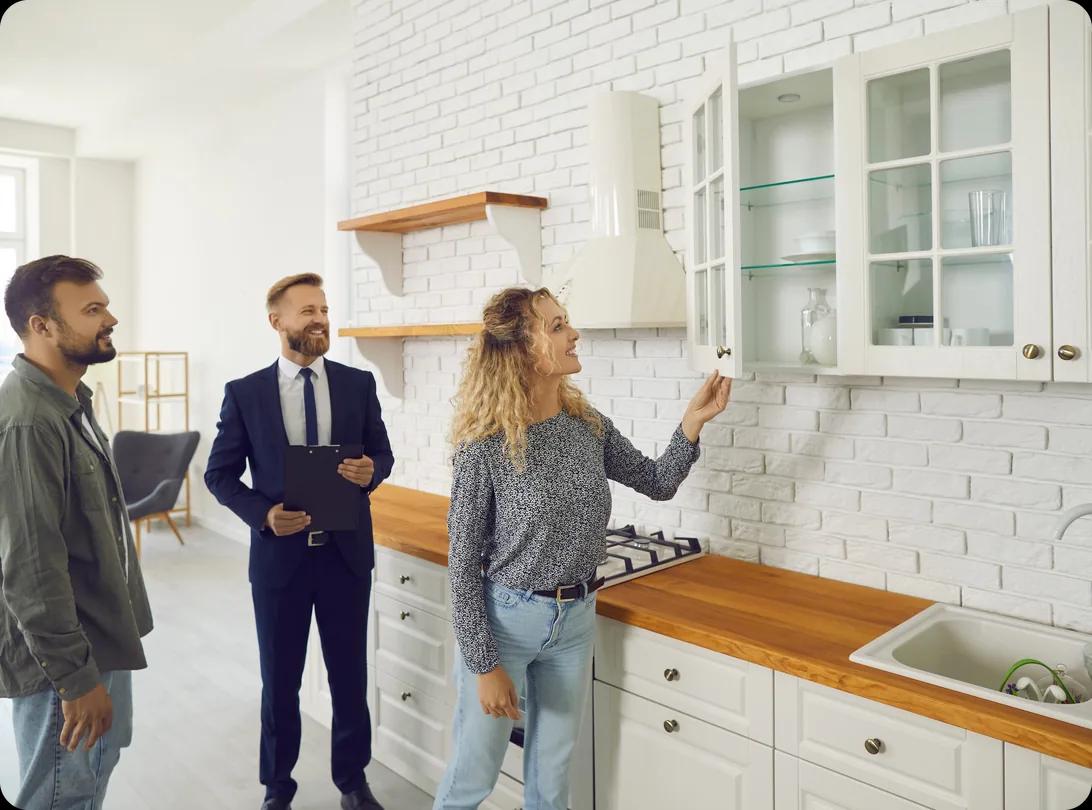
A real estate agent points out the view to a young couple touring an empty apartment with parquet floors and floor-to-ceiling windows

When looking for an apartment, be especially cautious if someone asks for money before you’ve seen the apartment, the rent is far below similar places nearby, or the landlord won’t give you a written lease. Some of these red flags are easy to spot, while others can look harmless until you’ve already signed the lease, so be vigilant throughout the process.

HireAHelper has helped with more than 1 million moves, so we’ve seen plenty of people moving into apartments, condos, and rental homes, and the pitfalls they can face. In this guide, we’ll cover the biggest money, lease, landlord, property, and neighborhood red flags to watch for, plus what you can do if something doesn’t feel right.


Last updated: Sep 29, 2026•9 min read
Karen Bodkin
Written byKaren Bodkin

Key Takeaways

  • Pay attention if something seems off with the money or paperwork. That includes being asked to pay before you’ve seen the apartment, rent that’s much lower than similar places, or no written lease.
  • Notice how the landlord communicates. Vague answers, long response times, or pressure to sign quickly can give you an idea of what dealing with them may be like later.
  • Look closely at the apartment and building. Water damage, pest evidence, poor repairs, broken security features, or being shown a model instead of the actual unit can all point to bigger problems.
  • Not every red flag means you have to walk away. Some issues are worth asking about, negotiating, or getting in writing before you decide.
Karen Bodkin
Author

Karen Bodkin

Karen Bodkin is a writer at HireAHelper who's passionate about helping people navigate their moves with less stress and more confidence. She empowers readers by turning the many overwhelming parts of moving into clear, actionable guidance.

Karen draws from a broad writing portfolio that includes home improvement, health, and travel. Her work reflects a deep understanding of life's transitions and a genuine drive to make moving feel more manageable for everyone.

Apartment Red Flags at a Glance

The biggest red flags tend to involve money changing hands before you've signed anything. But problems with the lease, landlord, and apartment itself can also give you a reason to slow down or walk away.

Apartment Hunting Red Flags and What to Do

Red flagWhat it could meanWhat to do
Cash or wire payment before signingPossible rental scamDon't send money
Rent far below similar unitsScam or undisclosed problemVerify the listing and owner
No written leaseNo clear record of your agreementWalk away and don't rely on a verbal deal
No security depositUnusual rental termsAsk about fees and damage charges
Listing photos don’t match the unitPhotos may be outdated or digitally alteredVerify with an in-person tour or live video tour
You can't see the actual unitReal unit may differ from the listingSee the specific unit before signing
Landlord takes days to replyCommunication may stay difficultAsk how maintenance requests work
Fresh paint over a stainPossible hidden water problemAsk what was repaired
Pest traps or droppingsPossible ongoing pest issueAsk how pest control is handled
Frequent tenant turnoverPossible building or management issueFind out why people are leaving

Money and Payment Red Flags

Money and payment problems are some of the biggest apartment red flags, especially if someone wants money before you've seen the actual unit or signed a lease.

  • You're told to pay by cash, wire transfer, or a payment app before signing. Someone insisting on a hard-to-reverse payment method before you've even secured the apartment is a red flag. Don't send the money. Verify the property and the person renting it first.
  • The rent is much lower than comparable apartments nearby. A bargain can be real, but scammers sometimes copy legitimate listings, change the contact information, and advertise the unit at a lower price to attract renters quickly. To avoid pitfalls, search the address, confirm who owns or manages the property, and see the actual apartment before paying.
  • There's no security deposit. Some landlords have legitimate reasons for not charging one, but you should still find out how damage, cleaning, and other move-out costs are handled so you don't discover unexpected fees later.
  • The deposit or upfront payment seems unusually large. Rules about security deposits and other upfront charges vary by location. If the amount catches you off guard, check your state and city rules before paying.
  • You keep paying application fees for a unit that never seems available. If the same apartment stays advertised while applicants keep being told they didn't get it, don’t pay another fee. Confirm that the unit is genuinely available, when it can be occupied, and whether the application fee is refundable.

Lease Red Flags

The biggest lease red flag is not getting a written lease at all. You also want to be careful if the agreement is vague, rushed, or doesn’t match what you were initially told.

A written lease gives you a record of the rent, lease term, deposit, fees, and each party’s responsibilities. Verbal agreements may be recognized in some places, but they leave much more room for disagreement later.

A few things deserve a closer look:

  • You’re rushed into signing. You should have time to read the lease before you agree to it. If you don’t receive a copy until the moment you’re expected to sign, ask for time to review it first.
  • Important costs or rules are unclear. Check the sections covering fees, utilities, repairs, early termination, landlord entry, parking, and other building rules.
  • The lease includes terms you weren’t expecting. A long lease or arbitration clause isn’t automatically a dealbreaker, but you should understand what you’re agreeing to before signing.
  • Promises aren’t included in writing. If you were told an appliance will be replaced, a fee will be waived, or parking is included, ask for that to be added to the lease.

Deposit rules, application-fee limits, required disclosures, and landlord-entry rules vary by state and sometimes by city. Check your state or local landlord-tenant rules if anything in the lease seems unusual.

Landlord and Property Manager Red Flags

How a landlord or property manager communicates before you sign can tell you a lot about what dealing with them may be like later.

Watch for things like:

  • They’re hard to reach. A slow reply to a casual question isn’t necessarily a problem, but repeatedly disappearing when you need basic information can be.
  • Their answers stay vague. If you can’t get a clear answer about utilities, fees, repairs, or building rules, ask again in writing before you move forward.
  • They won’t show you the actual unit. A model apartment can give you a general idea of the layout or finishes, but it can’t show you the condition of the unit you’ll be renting. If you’re apartment hunting from another city, ask for a live video walkthrough of the exact unit.
  • They’re pressuring you to sign right away. Apartments can move quickly, but you should still have time to read the lease and understand what you’re agreeing to.
  • Tenants seem to come and go often. Frequent turnover doesn’t automatically mean there’s a problem, but it can be worth finding out why.
  • Current tenants don’t seem to be treated well. Reviews of the management company can be useful here, and so can simply noticing how staff interact with residents while you’re in the building.
  • The listing photos look a little too perfect. Listing photos can be old, heavily edited, or altered with AI to hide damage or show features that aren’t actually there. Perfect landscaping, overly polished outdoor shots, views through the windows that look unreal, odd reflections, or warped text can all be clues. If something feels off, compare the photos with the actual unit or ask for a live video walkthrough.

Signs of Neglect in the Unit and Building

Some signs of neglect are obvious, but others might take a little closer look or some careful digging. In general, you should watch for anything that looks patched, hidden, or just not right.

Water Damage and Musty Smells

Fresh paint is normal. A freshly painted patch on the ceiling above a shower or around a window deserves a closer look.

Water stains, bubbling paint, mildew, or a persistent musty smell can point to a moisture problem. If you notice any of these, ask what happened, whether it was repaired, and when the work was done.

Signs of Pests

A clean apartment doesn’t necessarily mean there hasn’t been a pest problem. Check inside cupboards, behind appliances, and around baseboards for traps, droppings, or bait stations.

Seeing one doesn’t automatically mean the apartment has an active infestation, but it’s worth asking how often pest control is needed and how management handles it.

Quick Fixes and Poor Repairs

Apartment buildings occasionally need to be repaired, especially if they’re older. The bigger concern is whether that repair work looks rushed or makeshift.

Scorched outlet covers, loose fixtures, patched surfaces, makeshift plumbing, or doors and windows that don’t close properly can suggest maintenance issues haven’t been fully addressed.

While you’re looking at the unit, try the taps and shower, open the windows, and check that outlets and included appliances work. You can also check your cell signal before you leave.

Safety and Common Areas

Smoke and carbon-monoxide detector requirements vary by location and building type. If something appears to be missing, ask about it and check the rules where you live.

Don’t just look inside the apartment, either. Hallways, stairwells, laundry rooms, entryways, and the outside of the building can tell you a lot about how well the property is maintained overall.

Neighborhood and Safety Warning Signs

The building exterior and surrounding area can tell you things an apartment tour during office hours can’t. Check that exterior doors latch, buzzers work, locks aren’t damaged, and entrances are well lit.

It can also help to see the area at a different time of day. A street that’s quiet late in the morning may feel very different in the evening, especially when it comes to traffic, noise, and activity around the building.

When To Walk Away, and What To Do Instead

Some apartment red flags are a reason to leave, while others are a reason to get more information in writing or negotiate before you sign.

Here are some tips on how to differentiate the two, and what to do when you run into a red flag:

  • Walk away: Be very cautious about sending cash or a wire transfer before you've seen the apartment and signed anything. You should also walk away from a landlord who refuses to provide a written lease or won't let you see the actual unit you're agreeing to rent. These are integral parts of renting that will affect the rest of your time in the apartment, so they’re important to get right.
  • Get it in writing, then decide: This includes promised repairs, waived fees, parking, the maintenance process, or anything unclear about your deposit. If something is part of the reason you're choosing the apartment, it should be included in the written agreement.
  • Consider negotiating: Cosmetic wear, dated but functional fixtures, or an amenity that isn't quite what the listing suggested don't necessarily mean you need to abandon the apartment. They may give you room to ask for a repair or different terms before move-in.

After a viewing, write down what you were told while it's still fresh. You can then compare those notes with the table above and ask for any promises that affect your decision to be added to the lease.

Frequently Asked Questions

Recent Articles