Uber for Moving: What Works and What Doesn’t

A copper colored compact suv with UBER written on the side drives down the road

While you can use Uber for moving small items, it's not designed for heavy furniture or a full home move. For anything beyond a few boxes or bags, hiring a moving company or renting a truck will save you money, time, and a lot of stress.

Many people use Uber because they assume hiring movers or renting a truck will drain their bank account. But Uber is a rideshare service, not a moving service, and there are only a few situations where it’s a good idea for moving day. This guide walks you through exactly when Uber for moving makes sense, when it doesn't, what it'll cost you, and what to do instead if it's not the right fit.


Last updated: Mar 24, 202610 min read
Melanie Morris
Written byMelanie Morris

Key Takeaways

  • Uber wasn't designed for moving: but you can use it for very small loads (a few boxes, a chair) if everything fits in the rideshare vehicle
  • When Uber for moving makes sense: studio moves with minimal stuff, single-item transport, when there's no other option
  • When Uber is a bad idea: anything over a few boxes, fragile items, full-room moves, or anything that won't fit in a regular car or SUV
  • Cost is often higher than expected: multiple trips, driver wait time, and rideshare surge pricing can add up faster than booking real movers
  • Better alternatives: labor-only movers + a rental truck or trailer, U-Box / PODS for medium loads, or a local courier service for single items
Melanie Morris
Author

Melanie Morris

Melanie Morris is an editor, writer, and one of the sharpest moving experts at HireAHelper. Seven years spent answering readers' toughest questions and demystifying a process most people dread has made her an authority on what movers actually need to know — and how to explain it without the jargon. Her own relocations around the Southwest and up and down the West Coast give her the firsthand experience to back it up. Whether you're crossing the country or just moving down the block, Melanie makes sure the advice you get is accurate, trustworthy, and easy to act on.

Using Uber for Moving (But With Lots of Caveats)

A person loads furniture into a packed car

Uber doesn't have an official policy banning passengers from bringing belongings along for a ride, but that doesn't make it a moving service. Uber is built to move people, not furniture. Problems begin once your load gets bigger than a few bags.

Uber Policy

Uber's terms don't explicitly prohibit bringing boxes or small items, but drivers are not required to accept your load. If a driver shows up and decides your stuff is too bulky, too heavy, or too messy, they can cancel the trip, and often do. Then you're left with a cancellation fee and no ride. Uber also has no formal complaints process for this, and no recourse for the time you've lost.

“For a 5-mile dorm move where everything fits in one UberXL, you might spend $25–$45...Most moves aren't one trip, though, and costs add up faster than you might expect.”

Uber Connect is a separate service within the Uber app designed for sending small packages, not for moving. Packages must be under 30 pounds, valued under $100, and able to fit in a standard trunk. It's not a moving solution, but it can work for sending a single item to a new address on the same day. You can find Uber's prohibited items list at help.uber.com.

UberX vs. UberXL vs. Uber Connect: What Each Offers

ServiceVehicle TypeCargo SpaceMoving Use Case Scenario
UberXSedan or compactSmall trunk (~12–17 cu ft)2–3 small bags max
UberXLSUV or minivanMore space, varies widelyUp to 6–8 small boxes if seats folded
Uber ConnectAny Uber vehicleTrunk onlySingle package under 30 lbs., under $100 value

If you're set on using Uber, select UberXL. However, cargo space varies by vehicle, and you won't know what shows up until it does. Drivers can also refuse if your load looks awkward or oversized.

Limitations of Using Uber for Moving

There's more to consider before booking an Uber for your next move. Here are a few additional reasons why it's not the best option for transporting furniture:

  • Drivers won’t help lift. Uber drivers aren’t there to carry boxes, furniture, or heavy bags up stairs or into buildings. You’ll have to manage loading and unloading by yourself, which might lead to injuries or strain if you’re not prepared.
  • Space is limited. Even an UberXL or UberSUV isn’t built to handle bigger loads. Trying to cram everything into one ride might damage your belongings or the driver’s vehicle.
  • You’ll have zero insurance coverage. If your stuff gets damaged or broken, you’re out of luck. Uber’s regular insurance doesn’t cover personal property, leaving you to cover any losses or repairs.
  • Drivers may cancel. Drivers may refuse service if your load looks too big, heavy, messy, or awkward to handle. That leaves you scrambling for a new plan — usually last-minute and at a higher cost.
  • Ubers don’t have special moving tools. You won’t find moving blankets, dollies, tie-downs, protective padding, or ramps in an Uber. Without proper moving equipment, transporting a whole family’s stuff or moving bulky items safely becomes a serious challenge.

When Uber for Moving Makes Sense

Uber isn't the right tool for most moves, but there are a few scenarios where it genuinely works. Use this checklist to see if yours is one of them.

Uber works best if all of the following apply:

  • Your move is under 2–3 miles
  • You have fewer than 8–10 small, lightweight boxes
  • No heavy furniture (bed frames, dressers, or large appliances)
  • No stairs at either location (or you can handle them alone)
  • You can load and unload everything yourself
  • Your timing is flexible (no hard move-out deadline)
  • Nothing you're moving is fragile or valuable

Uber tends to work best when you're moving between dorm rooms with a suitcase and a few boxes, transporting a small item you just bought on Facebook Marketplace, or getting your essentials to a new place while a moving truck handles the rest.

If you checked every box above, Uber could work. If you missed even one, you should start looking for alternatives.


When Uber Is a Bad Idea for Moving

Most moves don't fit the narrow checklist above. For those types of moves, Uber creates more problems than it solves. Here's when to skip it entirely:

  • Large furniture: Couches, bed frames, dressers, dining tables, and desks won't fit in any standard Uber vehicle.
  • Mattresses: Even a twin mattress won't fit inside a car. Full, queen, and king sizes are out of the question.
  • Multiple trips required: If one Uber isn't enough, the cost and complexity of coordinating multiple trips will likely exceed what you'd pay for a truck rental and labor-only movers.
  • Time-sensitive moves: If you have a hard move-out deadline, driver cancellations can derail the entire day.
  • Fragile or high-value items: Artwork, electronics, instruments, and antiques need proper padding and handling. Uber doesn't provide either.
  • Long-distance transport: Uber is designed for local rides. Asking a driver to haul your belongings across cities or state lines isn't what the platform is for, and most drivers won't accept it.

If you're unsure whether Uber will work for your move, it probably won't. The scenarios where it does are narrow, and the cost of a failed trip can wipe out any savings.


How Much Does Uber Cost for Moving? (And Why It’s More Than You’d Think)

For a 5-mile dorm move where everything fits in one UberXL, you might spend $25–$45. That sounds affordable. Most moves aren't one trip, though, and costs add up faster than you might expect.

Here's how a few realistic scenarios play out:

ScenarioTrips NeededEstimated CostCaveats
Dorm move, 5 miles, 6 boxes + bags1$25–$45Assumes one UberXL, no surge
Studio apartment, 3 miles, 15+ boxes3–4$90–$180+Cost multiplies; surge risk per trip
Single Facebook Marketplace pickup, 10 miles1$20–$40Works if item fits in trunk
1-bed apartment, furniture + boxesNot an optionN/AFurniture won't fit; driver may cancel

Before you decide Uber is the cheaper option, make sure you factor in:

  • Surge pricing: Moving days are often busy. Pricing can jump 1.5x–2x or more during peak hours.
  • Multiple trip stacking: Each cancellation or new booking resets the clock and potentially the price.
  • Cancellation fees: If a driver cancels after 2 minutes, you pay a fee and start over.
  • Wait time charges: Uber charges for wait time after the driver arrives. Slow loading costs money.
  • Damage risk: Uber doesn't cover your belongings. Replacing a broken item eats whatever you saved.

For moves that require more than one trip, renting a truck is often cheaper. And if you dread the heavy lifting, labor-only movers can load and unload for you while you drive the truck.


What Happens If Something Gets Damaged?

When you choose Uber, your belongings aren't protected. If an item breaks in the trunk, it's mostly on you.

Uber's standard insurance covers vehicle accidents. This means damage to the car or injury to people. It does not cover your cargo. If a box shifts and your laptop screen cracks, or a driver brakes hard and your framed artwork shatters, Uber's insurance won't pay for it. The driver is not responsible for the condition of your items either. However, if something does go wrong:

  • Document the damage immediately: Take photos before leaving the vehicle.
  • Contact Uber through the app: Report the issue via the "Help" section of the trip. Uber may choose to offer a goodwill credit in some cases, but it's not guaranteed.
  • File a claim with Uber Connect (if applicable): If you used Uber Connect and a package was damaged during delivery, you can request a refund of the delivery fee by submitting photos within 3 business days. The item's value is not reimbursed, though.
  • Contact the driver directly: This is rarely productive, and not something Uber facilitates.
  • Check your renters' or homeowners' insurance: Some policies cover personal property in transit. Call your provider before your move to find out.

If you're moving anything breakable or valuable, Uber offers almost no protection. A professional mover with declared value coverage gives you real recourse if something goes wrong.


Alternatives to Using Uber for Moving
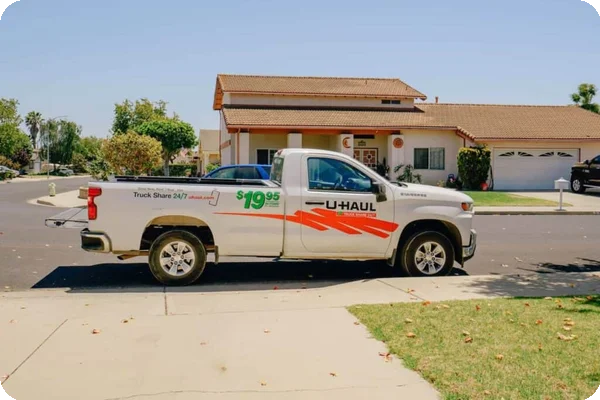
A Uhaul pickup truck for rent is parked at the curb in front of a home

Most people consider Uber because they think it’ll save money compared to renting a truck or hiring movers. In reality, repeated Uber rides tend to cost more than renting a small moving truck or pickup.

Booking through HireAHelper gives you transparent prices and verified reviews. You'll also get a $1,000 Service Guarantee included with every move. Whether you just need help loading or day labor, our platform provides exactly what you need.

Or, if a traditional mover-and-truck isn’t the best option for you, consider renting a small cargo van, pickup, PODS container, or a trailer to tow with your car. These options often cost less than multiple Uber trips.

Check out our guide on the cheapest ways to move for more budget-saving tips.

Uber vs. Renting a Truck vs. Hiring Movers

Each option involves a different trade-off between cost and convenience. The right choice depends on your move size, budget, and how much risk you're willing to take. Here's how they stack up side by side.

FactorsUberTruck RentalLabor-Only Movers
ControlLow: Depends on driverHigh: You driveHigh: You direct the crew
Cost predictabilityLow: Surge pricing, multiple tripsMedium: Fuel and time varyHigh: Upfront pricing
Physical effortHigh: You load/unload itemsHigh: You do all the workLow: Crew does the lifting
Risk to belongingsHigh: No coverageMedium: Your responsibilityLow: Insured professionals
Best for1-2 bags, short distanceDIY moves of any sizeAny move where help is needed

You can see more details in our cost breakdown between trucks and movers, or in the guide on what a truck rental will cost you. If a traditional mover-and-truck combination isn't the right fit, you might also consider a container service.

Moving under serious time pressure? Read how one person managed back-to-back moves in a single year.


Tips for Using Uber If You Decide to Try It

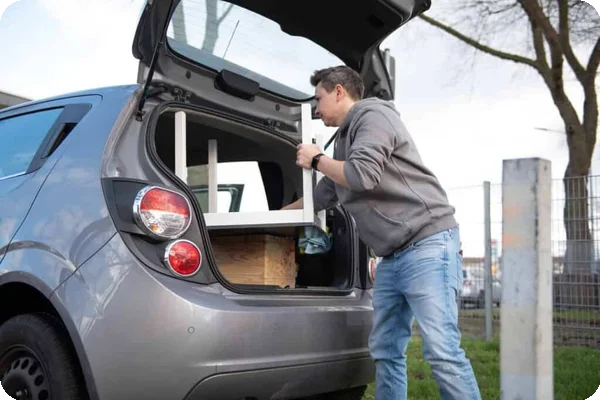
If you’re determined to try moving with Uber, follow these tips to help things go according to plan:

  • Communicate ahead of time to tell your driver exactly what you’re bringing.
  • Choose UberXL or UberSUV to maximize space.
  • Fully pack your belongings and have them waiting by the curb.
  • Never ask your driver for loading or lifting help.
  • Avoid bulky, messy, or fragile items.
  • Bring blankets or towels to protect the car’s interior.
  • Be polite and respectful of your driver’s vehicle.

Is Uber the Right Choice for Your Move?

There's no such thing as an Uber van for moving or Uber moving service. So while Uber might work for an extremely minimal move, most relocations call for a better plan. With all the risk, trying to move with a rideshare can quickly turn a budget-friendly idea into a pricey headache.

If you’re looking for a more affordable way to move, HireAHelper’s marketplace makes it simple. Read reviews, choose a time slot, book labor-only movers, and get transparent pricing, so you know exactly what you’re paying for. With HireAHelper, even small moves are straightforward and affordable.


Frequently Asked Questions About Using Uber for Moving

Recent Articles

a couple watches two movers load a truck with boxes

Can I Use Movers With My Own Truck?

Moving Trucks

Yes, you can use movers with your own truck. In this setup, you’re hiring labor-only movers to load and unload, while you provide and drive the rental truck or moving container. That’s different from full-service... Read More

A U-Haul moving truck parked outside displaying the classic $19.95 rental sign

Paying for U-Hauls: How It Works and How to Save

Moving Trucks

Renting a U-Haul is usually straightforward, but the final cost depends on more than handing over your card and driving off with a truck. In short, U-Haul usually does not ask for a deposit if you pay with a major... Read More

Uhaul trucks of different sizes are parked in a row in a lot

Best U-Haul Alternatives in 2026: Competitor Prices, Reviews and More

Moving Trucks

The best U-Haul alternative depends on what kind of move you’re doing. For a long-distance move, Penske is a great first place to check because the trucks are known for being comfortable on longer drives, and most... Read More

the front facade of a home depot. Product displays and the entrance can be seen.

Home Depot vs. U-Haul Truck Rental: Which Is Better?

Moving Trucks

Choosing between Home Depot and U-Haul for your moving truck depends on the kind of move you’re making. U-Haul is usually the better choice for most local moves, especially if you need more truck sizes, a one-way... Read More

A U-Haul moving truck parked in front of a home with the orange-and-white branding visible

How Much Does a U-Haul Really Cost in 2026? We Found Out

Moving Trucks

U-Haul truck rentals start at $19.95 a day, but that’s just the advertised rate and does not include the full cost of getting your belongings from one home to another. Your real total depends on the truck size,... Read More

The AAA logo set on the side of a AAA-affiliated building

Do AAA Members Get Discounts on Moving Trucks?

Moving Trucks

Yes, AAA members can get discounts on moving truck rentals — often as high as 12% — when booking through select partner brands such as Penske or Budget. These deals are designed to give members added value through... Read More