How to Get Rid of a Washer and Dryer

Washer and dryer in laundry room

Nobody wants to deal with getting rid of an old washer and dryer. They're ridiculously heavy, they hog space in your house, and disconnecting them can be a little nerve-wracking if you've never done it before. Plus, every city has its own weird rules about where these appliances can actually go.

The good news is, you have several options for getting rid of your washer and dryer: donate them, recycle them, sell them, or hire someone to haul them away. What works best really depends on how fast you need them gone, what you want to spend, and whether your machines still work.

You might be here from our other guide on moving a washer and dryer, but no matter how you stumbled across this guide, it will walk you through everything else you need to know so you can finally get those appliances out of your home.


Last updated: Jan 23, 20268 min read
Karen Bodkin
Written byKaren Bodkin

Key Takeaways

  • You can't just throw a washer and dryer in the trash: most cities have appliance disposal rules, and dumping them illegally can mean fines
  • Prep before disposal day: disconnect water and gas/electric, drain hoses, secure the drum, and clean out the lint trap
  • Five main disposal options: retailer haul-away (when buying new), curbside pickup (city scheduled), donation, scrap metal, or junk removal service
  • Proper disposal matters: appliances contain recyclable steel, copper, and aluminum, plus refrigerant that needs safe handling
  • Plan ahead: most disposal options require advance scheduling, and last-minute pickup costs more than booking 1-2 weeks out
Karen Bodkin
Author

Karen Bodkin

Karen Bodkin is a writer at HireAHelper who's passionate about helping people navigate their moves with less stress and more confidence. She empowers readers by turning the many overwhelming parts of moving into clear, actionable guidance.

Karen draws from a broad writing portfolio that includes home improvement, health, and travel. Her work reflects a deep understanding of life's transitions and a genuine drive to make moving feel more manageable for everyone.

Why You Can’t Just Throw Away a Washer and Dryer

Most cities won't let you toss large appliances in with household garbage. There's metal, chemicals, and sometimes refrigerants inside these machines that need special handling. Your town probably has bulk pickup days or drop-off locations instead, and they might even want proof that any hazardous stuff was properly removed. Skip these rules, and you could end up with a fine.

“Booking 2 movers for 2 hours is usually enough to disconnect [your washer and dryer], carry it out safely, and load it wherever it needs to go. They bring the tools and dollies, and you don't have to lift a finger.”

There's also the environmental side of things. The EPA says recycling the metal from appliances is way better than letting them rot in a landfill. All that steel, aluminum, and wiring can be recovered and reused, keeping literally thousands of pounds of material out of the ground every year. If your city has an appliance recycling program, it’s even easier to do the environmentally friendly thing.


Preparation Checklist Before Removal Day

A little prep work now will save you a massive headache later. Before you touch anything, clear out a path from the laundry room to wherever your washer and dryer are going. You should also measure your doorways and hallways so you know if the appliances will actually fit through all the doors they need to pass through. If space is a little tight, it’s a good idea to grab some blankets or cardboard to protect doors and floors from getting dinged up.

Here's what else you should do:

  • Turn off the power and water. Unplug the dryer from the wall. If you've got a gas dryer, find that gas valve and shut it off completely. For the washer, twist the water supply valves to the off position.
  • Drain and disconnect hoses. Run one last spin cycle to get rid of any water still in the drum. Then disconnect the hot and cold hoses, plus the drain hose. Keep a towel and bucket nearby, because there's always more water than you think.
  • Secure the doors. Tape them shut or wrap them with plastic wrap so they don't fly open while you're moving everything. Furniture pads are great for cushioning the sides, too.
  • Label cords and parts. Keep all the screws, hoses, and power cords in one place. Even if you're never using these machines again, whoever takes them off your hands will thank you.
  • Decide how you'll move them. These things are brutally heavy. If you're not comfortable with the lifting, get an appliance dolly, a friend, or hire movers to help.

Disposal Options for Your Washer and Dryer

Once everything's disconnected, you have several options for your next steps. You can donate, recycle, sell, or give away your washer/dryer. You also have a few ways to get these appliances off your property, including curbside pickup or hiring help to move them. Which is best depends on your budget, whether the machines still work, how quickly you want them gone, and whether you even have a vehicle big enough to haul them. Here's how each option works:

Donating to Charities or Nonprofits

If your washer or dryer still works, donating is a great move. Local nonprofits, Habitat for Humanity ReStores, and community centers will often take appliances that are in decent shape.

Some of these places will even come pick them up if everything's already disconnected, which makes life way easier. Just clean them first and check for mold or leaks before the truck shows up. Be sure to call ahead, since every organization has different rules about what they can accept, and you’ll need to know they’ll take your appliances before you schedule anything.

Recycling Through Municipal or Private Programs

When your appliances are broken beyond repair, recycling is the way to go. A lot of communities have drop-off spots that take big household items for a small fee. Some even partner with recycling companies that pull out the valuable metal and motor parts so they can be used again. And here's a bonus: some utility companies will actually pay you a rebate for recycling old energy-hogging appliances. Check your local program directory or the Earth911 Recycling Locator to see what's available near you.

Selling or Giving Away Online

Person researching moving companies online using a laptop at home

If you’ve got working machines in good condition and want a little extra cash, you can always list them on Facebook Marketplace or Craigslist. Include clear photos, measurements, the age of the units, and pickup instructions. You should price them based on their condition, so if they're older or have some scratches, adjust accordingly. If you're nervous about strangers coming to your house, you can move the appliances to the garage first or arrange for an exchange in a public location. Be sure to meet during the day and have someone else with you if possible.

Municipal Bulk Pickup and Curbside Services

Most cities have junk removal or recycling programs that will pick up washers and dryers if you schedule it ahead of time. You might need to buy a bulk sticker or permit, which are usually available on your city's website or at a hardware store. Put the appliance out only during your assigned pickup window. Make sure your washer is completely drained, and some places want you to tape the doors shut for safety reasons.

Hiring Labor for Appliance Removal

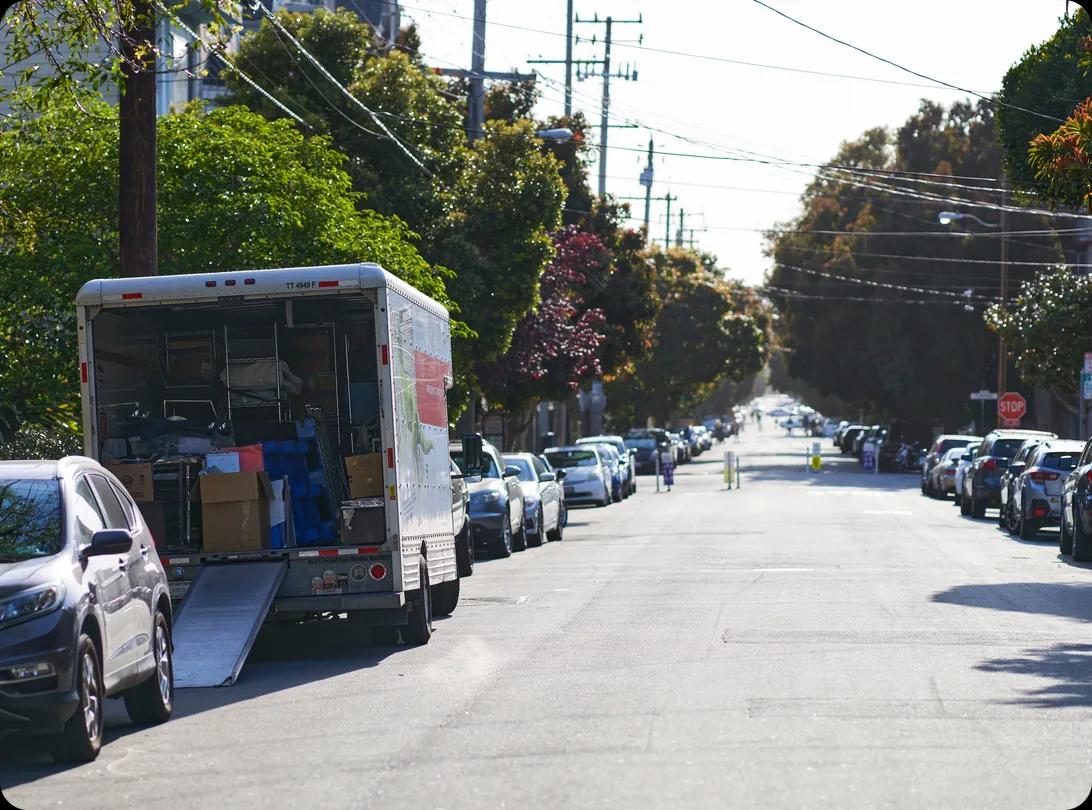
If you’d rather not handle the heavy lifting yourself, you can hire local movers or use HireAHelper's platform. Booking 2 movers for 2 hours is usually enough to disconnect everything, carry it out safely, and load it wherever it needs to go. They bring the tools and dollies, and you don't have to lift a finger.


Benefits of Proper Appliance Disposal

Getting rid of your washer and dryer the right way does more than just free up space. Recycling keeps tons of metal and wiring from ending up in landfills. If your machines still work, donating them means someone else gets to use them instead of buying new ones. Plus, some nonprofits will give you a donation receipt that might help at tax time.

“The EPA says recycling the metal from appliances is way better than letting them rot in a landfill. All that steel, aluminum, and wiring can be recovered and reused, keeping literally thousands of pounds of material out of the ground every year.”

There's also the practical aspects. Clearing out old machines gives you room to install replacements, helps you stage your home if you're selling, or gets rid of equipment that might have rusty edges or sketchy wiring. And since cities have specific rules about bulk items, doing it right means you won't get fined or have your pickup skipped.


Things to Keep in Mind When Getting Rid of Your Washer and Dryer

Even though this whole process helps you out, there are a few details that can make things easier or harder. Some recycling centers charge fees, and city pickups might need to be scheduled weeks in advance. Not to mention, donation centers will only take appliances that actually work, so you'll need a backup plan if yours is leaking or won't turn on.

If you're hauling them yourself, think through the real logistics: do you have a vehicle that can handle the weight? Do you have straps? Enough gas? Enough time? Selling or giving things away online also takes patience. People will have questions, they'll want to come by at odd times, and sometimes they'll flake. Planning for all this ahead of time helps you pick the option that fits your life and timetable.


Comparing Your Disposal Options Side by Side

Each method has upsides and downsides, so think about your timeline, the condition of your appliances, and whether you've got help available. Here's a quick breakdown:

Disposal MethodCostConvenienceEnvironmental Impact
DonationFreeModerateHigh (keeps working units in use)
RecyclingLow fee or freeModerateVery high
Selling or giving awayFree or earns moneyLower: requires more communication and schedulingHigh
Municipal pickupLow fee or freeHigh once scheduledModerate to high
Hiring labor helpPaid hourlyVery highDepends on where items go

Final Steps Before Your Washer and Dryer Leave Home

Right before removal day, double-check that all the cords, hoses, and water lines are completely disconnected. Also, confirm any appointments with donation centers, recycling programs, or the city pickup crew.

And if you realize at the last second that you need extra muscle, don’t panic! You can always check quotes on HireAHelper to book trusted local movers. They can sometimes show up as soon as the next day.


Frequently Asked Questions

Recent Articles

Cardboard moving boxes packed and ready in the bedroom of a new home

Preparing to Move: What You Need to Know Before You Start Packing

Move Planning

Preparing to move starts with planning: outlining your moving needs, setting a budget, and clearing out clutter before you pack a single box. Moving can be emotionally and logistically heavy, and while it’s normal... Read More

Older couple sorting framed photos and keepsakes while packing boxes during a downsizing move

How to Downsize Your Home: The Ultimate Step-by-Step Guide for Moving

Move Planning

If you’ve been wondering how to downsize your home, you’re not alone. With the average home equity around $250,000 for those aged 65 or older, it makes sense that retirees would want to tap into that value and... Read More

image of a checklist

Moving Checklist: A Step-by-Step Timeline for a Smooth Move

Move Planning

Moving an entire home is a major feat, even for the savviest of planners. It's easy to feel overwhelmed, which is why the best moving checklist is a timeline-based one that breaks your move into manageable steps... Read More

A person checking off items on a moving inventory clipboard next to a row of labeled cardboard boxes

How to Create a Moving Inventory List (and Why it Matters)

Move Planning

From missing boxes to unexpected damage, a disorganized move can cost you more than just your patience. That’s why making an inventory list is one of the smartest things you can do before moving day. It’s your... Read More

A couple sits on the steps of a house surrounded by moving boxes, looking into the distance and imagining changes and renovations to their home

Moving Soon? Experts Share the First DIY Upgrades to Tackle Before You Settle In

Move Planning

Moving into your newly purchased house is an occasion worth celebrating, and it's likely you've already identified ways to transform it into your own. The period immediately after closing, but before moving in, is... Read More

A homeowner using clever packing and unpacking life hacks like color-coded labels and reusable bins in a kitchen

Movehacks: How to Unpack and Organize Before, During and After You Open a Box

Move Planning

You've circled your moving date on the calendar, and now it's time to pack. But wrangling everything from your toaster to your toothbrush can be daunting. How do you pack up your home while making the most of every... Read More