1. Declutter and Donate Before You Move
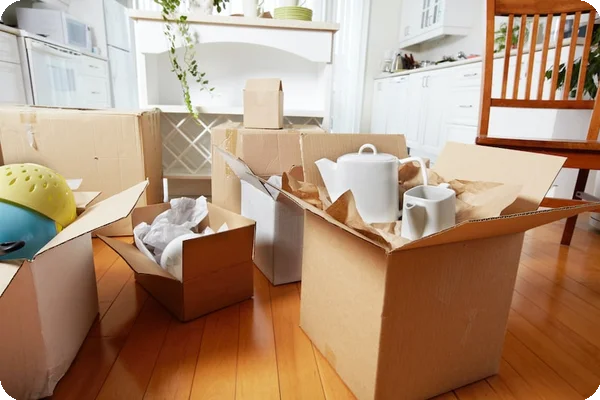
Moving is a great opportunity to go through everything you’ve collected since you moved into your current place. The less stuff you have to move, the cheaper and quicker it will be.
If you’re trying to lower your environmental impact, give yourself plenty of time for this step. That way, you’ll be less likely to toss stuff in the trash just to be rid of it, and instead, you can sort and dispose of anything you need to in a more eco-friendly way.
To start, create separate piles for items that you want to sell, donate, and throw out. You can label a few boxes or designate specific spots for each category.
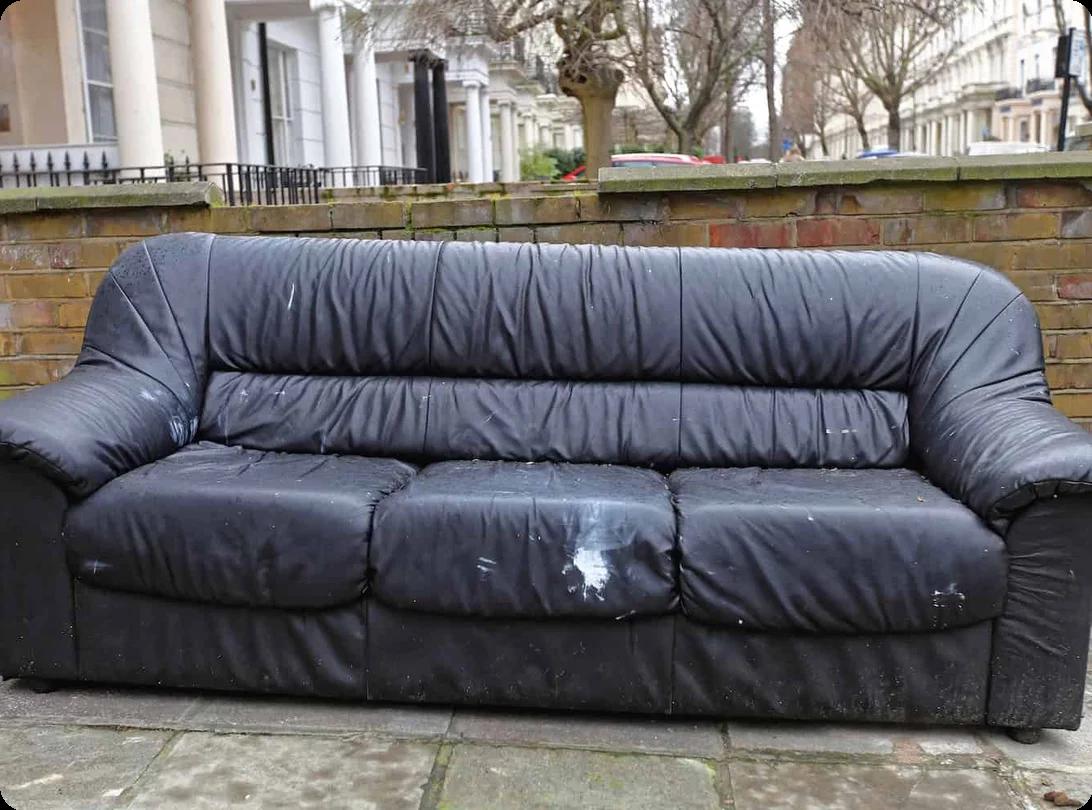
Don't wait until the last minute to deal with donations, either. Many charity organizations offer free pickups for furniture and other large items as long as you schedule in advance. It saves you a trip, and because the driver usually has multiple stops, it reduces overall emissions.
When it comes to things that can't be donated, sold, or given away, consider recycling. It's a great way to reduce your contributions to the landfill. You can recycle a variety of home goods, including:
- Carpeting
- Old mattresses
- Scratched CDs, game discs, and DVDs
- Stained or torn clothing or bedding
- Large and small appliances (dryer, microwave, etc.)
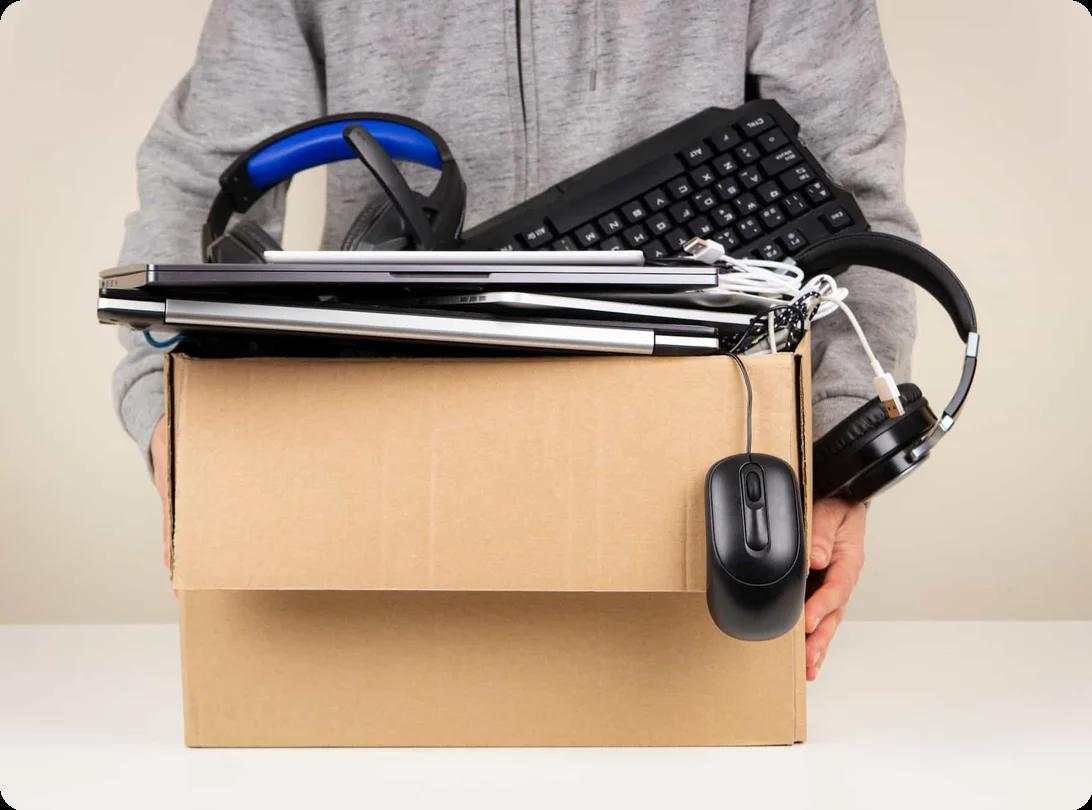
- Old electronics (cell phones, TVs, computers, printers, and stereos)
- Crayons and dry markers
- Ink cartridges
- Working and non-working holiday lights
If you have old paint, cleaners, or fertilizer lying around, don't throw them out; they can cause serious environmental damage if they leach into the ground. Call your local hazmat office and ask where you can drop them off for recycling. You can also recycle hazardous items, including solvents, motor oil, and pesticides.




 Melanie MorrisSep 8, 2026