How To Responsibly Ditch Electronic Waste When You Move

a person holds a box full of electronic waste, which include laptops, a keyboard, headphones, and a computer mouse

The world created a shocking 62 million metric tons of e-waste in 2022 alone, making one thing clear: most people have no idea how to get rid of old electronics.

Typically, there are three ways to get rid of electronic waste when you move. You can recycle it, donate it to a local charity, trade it in with the manufacturer, or sell it.

It's normal to wind up with a pile of old electronics when you're packing up your house. If you don't want to throw them out, there are plenty of more responsible ways to get rid of old devices. In this guide, we'll explain your best options and show you how to get electronics ready to recycle, sell, or donate.


Last updated: May 12, 2025 9 min read
Casey Bond
Written byCasey Bond

Key Takeaways

  • The world generated 62 million metric tons of e-waste in 2022: most of it lost to landfills when it could be recycled or reused
  • Three core options: recycle (most environmentally responsible), donate (if working), or trade-in/sell (if recent and valuable)
  • Five best ways to get rid of old electronics: manufacturer takeback programs, certified recyclers, retailer drop-off, donation, and curbside e-waste pickup (in some cities)
  • Prep electronics before disposal: wipe data, remove batteries, separate cables, and back up anything important
  • Common mistakes: tossing in regular trash (often illegal), donating broken items, and forgetting to wipe data from phones and computers
Casey Bond
Author

Casey Bond

Casey Bond is a reporter covering money, home, and living. Her work has appeared on HuffPost, U.S. News & World Report, Yahoo Finance, MSN, Business Insider, Forbes, and others.

She brings years of personal finance and consumer reporting experience to HireAHelper, helping readers make smart, informed decisions about the costs and logistics of moving.

E-Waste and Why It Matters When You Move

E-waste consists of electronic items that don't work anymore and can't be donated or repurposed. Your personal e-waste might include things like outdated laptops, DVD players, and an old TV that no longer turns on.

“There are plenty of free recycling options out there. Before you pay someone to take your electronics, look for trade-in or free programs.”

But why is e-waste such a big problem? If you're like many people, you deal with e-waste by stuffing it into a drawer or the back of a closet. But when you go to move, you could end up with a pile of old electronics that you don't want to take with you. And they can’t exactly be thrown into the garbage either.

Why You Shouldn’t Throw Old Electronics in the Trash

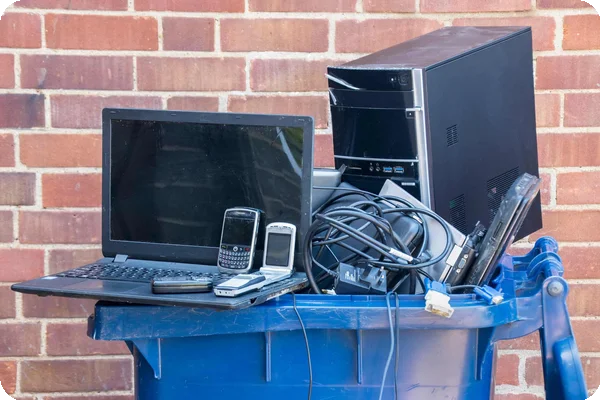
A pile of old electronics including monitors, keyboards, and tangled cables ready to be sorted for recycling during a move

As tempting as it can be, it's usually not a great idea to toss old electronics in the trash. They're made with things that are bad for the planet, such as lead and mercury. If they end up in a landfill, these toxic substances could contaminate the soil and the water system. It’s something worth avoiding, especially if you’re planning an eco-friendly move.

But that's not the only reason. In some states, like Illinois and California, there are laws banning e-waste from landfills, and putting electronics in household trash is illegal. While you probably won't be arrested for throwing out an old TV, you could face hefty fines if someone finds out.

The good news? When you know how to get rid of old electronics responsibly, it's easy to stay on the right side of the law and shrink your carbon footprint at the same time.


How to Get Rid of Old Electronics (5 Best Options)

Here's the thing: it's pretty easy to get rid of your old electronics. Whether you want to make some money or make sure they go to a good cause, here are the best options.

1. Recycle Electronics Responsibly
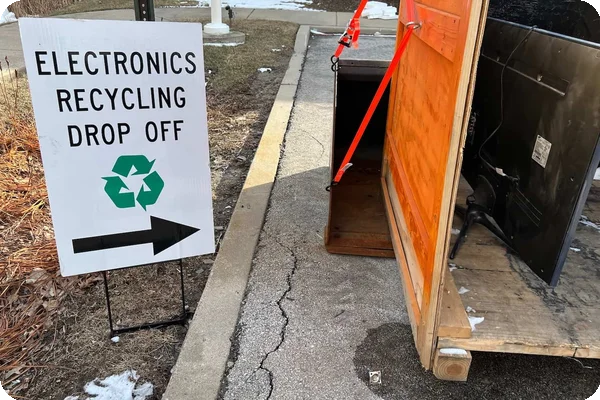
a white sign with black lettering pointing people in the direction of an electronic waste recycling drop off site

If your electronics don't work, recycling is the best way to deal with them. Electronics recyclers remove the toxic components, so they can't get into a landfill. Then, they recycle any materials that can be safely reused.

Your state might have its own e-recycling program. States, including California, keep directories of approved e-waste recyclers and collectors. Check your state's government website for specifics.

If that's not an option in your area, you can look for recycling programs that have the EPA's Responsible Recycling (R2) or e-Stewards certification, such as Greener Gadgets. Many retailers, including Best Buy, Staples, and Home Depot, also accept certain electronics for recycling.

2. Donate or Give Away Working Devices

Donation is a great option when your devices are still working, but you don't want to spend time listing and selling them. You can donate them quickly to a local Salvation Army, Habitat for Humanity ReStore, or Goodwill store. Some charities even pick up donations for free. If you have a working computer, you can donate it to Computers with Causes.

Or, support people in your community by giving your electronics to local shelters or schools. Community programs and organizations that provide job training, educational activities, or childcare might also welcome certain electronics.

Here's what to do before you donate:

  • Back up your data
  • Sign out of your accounts
  • Reset the device to factory settings
  • Wipe your personal information

3. Trade In or Sell for Cash

If your old electronics are working and in good condition, you can make a little cash off them by looking for trade-in programs or selling your electronics online. If you have Apple devices, the Apple Trade In program will give you a credit or gift card to use toward another purchase. Samsung Trade In does the same for Samsung devices.

Credit for trade-ins can vary, so you might be able to make more by selling electronics yourself. Use platforms like Facebook Marketplace, Amazon, eBay, and Gazelle. Also, make sure to reset your device and get rid of all your personal information before you make the sale. It's also a good idea to clean them, especially if they have some dust buildup.

Electronics resale options

The best place to sell really depends on what electronics you’re looking to get rid of, where you are, and how much time you’re willing to spend. Here are the benefits and drawbacks of some common places you can sell your electronics:

ProgramProsCons
Facebook Marketplace
  • Set your own price
  • Sell locally — no shipping required
  • May attract unreliable buyers or no-shows
  • Requires meeting in person, which can be inconvenient or unsafe in some areas
Amazon
  • Access to Amazon's large customer base
  • Built-in payment and shipping tools streamline sales
  • Amazon charges fees and commission
  • Heavier competition with professional sellers
eBay
  • Access to a large customer base and easy listings
  • Secure payments through eBay’s managed system
  • Shipping costs and seller fees can reduce profits
  • Listing and auction setup takes extra time and attention to detail
Gazelle
  • Specializes in electronics and pays you directly
  • Environmentally responsible recycling for non-sellable items
  • Lower trade-in value
  • Limited to select device brands and models

4. Return to Manufacturer or Retailer

When your device isn't worth selling or donating, look for "take-back" programs from manufacturers and retailers. They'll recycle or dispose of it safely.

Check out take-back programs from:

These programs are a great option if you want to figure out how to get rid of old electronics for free. HP and Dell will still accept items even if they’re from a different brand.

5. Attend Local E-Waste Collection Events

If your state has laws about e-waste, it might also offer special collection events. All you have to do is drop off your electronics and be on your way. However, they’re usually on specific days and during specific times, so make sure to check that it matches with your own schedule.

Events might be run through your city or county. New York City, for example, hosts regular community recycling options. Your local waste management agency might list nearby events on its municipal waste calendar, and you can also find drop-off sites through e-Stewards.


How to Prepare Electronics for Recycling or Donation

Your electronics can contain a lot of personal information, including contact details and credit card info. To protect yourself, make sure to prepare each device carefully before you donate or sell it.

  1. Back up data: Download files from the device to a computer or an external hard drive. If you want to transfer everything to a new model, check the manual for instructions on creating a full backup.
  2. Do a factory reset: Reset the device to its factory settings. This option is usually located in the Settings menu, and you can easily find a guide for how to do this online for the make an model of your electronics. The process wipes out all of your personal information and allows a new owner to set up the device using their details.
  3. Remove batteries: If you're recycling, take out the batteries. Depending on the program, you might need to recycle them separately.
  4. Pack the item: Wrap the device in bubble wrap, and place it in a sturdy box. Give it some extra cushioning by filling the empty space with packing paper or packing peanuts. Check with your recycling or trade-in program first, since some will provide shipping boxes and labels for you.

What Happens to Electronics After You Recycle Them

When you recycle electronics, they're transferred to trained professionals who break down the device and carefully remove any dangerous parts, such as the leaded glass in old CRT TVs. Then, they dispose of these materials safely.

Once that's done, the recycler separates the rest of the device and recovers useful materials such as metal and plastic. Anything that can be recycled goes to specialized facilities for processing. There, the material is shredded or melted down and refined into a form that can be used for manufacturing.

“In some states, like Illinois and California, there are laws banning e-waste from landfills, and putting electronics in household trash is illegal. While you probably won't be arrested...you could face hefty fines if someone finds out.”

What happens to the non-recyclable parts? They end up in a landfill, but they take up far less space and are processed to minimize environmental harm.

In addition to its sustainability benefits, electronics recycling helps boost the economy. The process creates jobs, and the recycled materials reduce the need to extract raw materials.


Common Mistakes to Avoid When Disposing of Electronics

It takes time and effort to get rid of electronics responsibly, but the process benefits both people and the planet by reducing pollution and conserving resources. If this is your first time, steer clear of these common mistakes.

  • Throwing in trash or curbside recycling: Most areas don't accept electronics with regular household garbage or recycling. Best-case scenario, the waste collectors leave it behind. Worst case, you could get a fine.
  • Forgetting to wipe data: If you forget to reset the device, it could expose your personal data. It's a good idea to wipe data even if you're recycling, since some companies refurbish and sell usable items.
  • Paying unnecessary disposal fees: There are plenty of free recycling options out there. Before you pay someone to take your electronics, look for trade-in or free programs.
  • Fake programs or scams: Some unverified companies claim to recycle electronics, but actually strip valuable components and discard the rest. Check with the EPA or local government to make sure a company is legit.

Quick Reference: Best Ways to Get Rid of Old Electronics

Wondering about the best way to get rid of specific types of electronics? Check out the table below to find out what to do with it and where to start.

Ways to get rid of common household electronics

DeviceBest Way to Recycle ItExample Resource
SmartphoneTrade in or sellApple Trade In
Laptop or tabletDonate or refurbishGoodwill, Dell Reconnect
Computer towersDonate or recycleDell and HP take-back, local charities
TV or monitorRecycleBest Buy, local events
Battery or cableDrop-offHome Depot, Staples
SmartwatchTrade in or sellApple Trade In, Samsung Trade In
Gaming consoleSellFacebook Marketplace, Amazon
VCR or DVD playerRecycleBest Buy, city events, Dell or HP take-back
Refrigerator or other large applianceRecycleManufacturer take-backs or city programs
Small applianceDonate or sellLocal charities, Goodwill, Facebook Marketplace
Camera or droneSell or trade inApple Trade In, Amazon, eBay

FAQs

Recent Articles

Image of a person holding dirt with a plant coming out of it.

Eco-Friendly Moving: Expert Tips on Zero-Waste Packing, Donating, and Building a Sustainable Life

Green Moving

Moving is often a chance to embrace a new beginning, but it’s also an event that can generate tons of waste. What we purchase and consume during a move, like packing materials, can have a significant impact on the... Read More

moving plants

How To Move Plants Long Distance

Green Moving

Moving long-distance across the country is already a juggling act. You have to get transportation, find movers, and pack up everything — and then there are your beloved plants to think about. You’ve spent years... Read More

eco friendly move

How To Seriously Lessen Your Carbon Footprint When You Move

Green Moving

About 11.8% of Americans moved to a new home in 2024. That’s a lot of relocations — and a lot of extra strain on the environment.

If you're planning a move in 2026, there are ways to reduce the greenhouse gases... Read More

an old black couch is sitting at the curb

How to Get Rid of an Old Couch: 7 Easy & Eco-Friendly Options

Green Moving

In the ranking of household item sizes, sofas are definitely near the top. They take up a lot of cubic feet, and while that might not be a measurement you're concerned about when styling your living space, it... Read More

Reusable plastic moving bins stacked beside a green plant in an apartment

Eco-Friendly Moving Tips: Your Ultimate Guide to a Greener Move

Green Moving

Moving is a fact of life, but traditional moving practices often leave behind a harmful environmental footprint. Increased carbon emissions, packaging waste, and air pollution are just a few of the issues.

Eco-friend... Read More