Tips for Moving Your Solar Panels

a father and daughter move a solar panel by carrying it across a lawn

According to the Solar Energy Industries Association, there are more than 5 million solar installations across the United States, and 97% are on residential roofs. If you're one of those eco-conscious individuals and are planning a move, you may be wondering if it's worth uninstalling your solar panels and relocating them to your new home.

Is it doable? Yes. Is it a hassle? Also yes. But, by doing your research, you're off to a great start.

Our guide will help you make an informed decision based on your situation and budget. We discuss whether relocating your solar panels is possible, how to go about it, and what the alternatives are.


Last updated: Aug 13, 202510 min read
Casey Bond
Written byCasey Bond

Key Takeaways

  • Yes, you can move solar panels – but uninstalling, transporting, and reinstalling typically runs thousands of dollars and may void your warranty
  • Local moves with newer panels make the most sense – long-distance moves and older systems often aren't worth the cost
  • Hire the original installer when possible – they know your system, often preserve warranty coverage, and handle permits and inspections more smoothly
  • Tax credits and state incentives may apply – the federal Residential Clean Energy Credit and state programs can offset reinstallation costs in some cases
  • Consider alternatives – selling the panels with the house, transferring a lease/PPA, or starting fresh at the new home often beats moving the system
Casey Bond
Author

Casey Bond

Casey Bond is a reporter covering money, home, and living. Her work has appeared on HuffPost, U.S. News & World Report, Yahoo Finance, MSN, Business Insider, Forbes, and others.

She brings years of personal finance and consumer reporting experience to HireAHelper, helping readers make smart, informed decisions about the costs and logistics of moving.

Can You Move Solar Panels to a New House?

a technician talks to a couple about the solar panels on their home. She's pointing into the distance at the house.

The short answer is yes, you can relocate solar panels to your new house. There are several ways to accomplish this in fact:

  • Uninstall and reinstall the solar panels yourself. Yes, it's an option, but not a good one.
  • Remove the panels yourself, but have a solar installer reinstall them.
  • Have a solar installer remove the panels, but reinstall them yourself.
  • Hire a solar installer to uninstall and reinstall them.

The big question is whether it's worth it to uninstall the solar panels on your current home and reinstall them on your new one, and that answer is less clear-cut. There are several factors to consider, including the age of the panels, how far you're moving, whether you're doing it solo or have help, and whether you've already paid off the system.

If you're thinking of moving the panels yourself, keep in mind they're not exactly light. Each panel weighs approximately 42 pounds, which is around the average weight of a 5-year-old.


Is Moving Solar Panels a Good Choice for Me?

First, you need to determine whether moving your solar panels makes sense. Ask yourself the following questions to determine if it's doable, within your budget, and worth the effort before putting your current home on the market.

Are you moving to a property nearby or relocating long-distance?

A local move will likely be more feasible, since the company that originally installed your solar panels may be willing to uninstall them and relocate them for you. These experts have the know-how and specialized equipment to properly move solar panels (and all their delicate components and wiring).

“Hire a professional to determine the optimal location for the solar panels. They'll consider the path of the sun and potential obstructions such as trees or buildings.”

If you're moving far away, the original solar panel company probably won't be willing to help with a relocation. So not only will you have to figure out this complex process on your own, but uninstalling the panels may void any warranty still on them. Also, if you're moving to another state, it's important to learn what standards the solar system needs to meet and what permits are required for photovoltaic panel installation.

Will removing the panels damage the roof?

a technician removes tiles on a roof to make way for solar panel rigging

Another issue to consider is the current condition of your roof and how uninstalling the panels will affect it. When your solar panels were installed, mounting hardware was drilled directly into the roofing material.

Removing this hardware and the panels will leave holes that need to be repaired by a professional roofer before you put your home on the market. Repair costs will vary depending on the number of holes and the roofing company's charges.

The color of the roof will also likely be affected, with darker patches where the solar panels protected the material against fading. This may impact the sale price of your home and/or your ability to find a buyer.

Will your panels fit your new home and get proper sun exposure?

solar panels with proper orientation on the roof of a home

Before worrying about fixing damage to your old home, you need to find out whether the solar panel system will even work at your new property. If it's an older home, the roof may not be in good enough condition to withstand the added weight of a solar system. This can vary depending on the system's size, but your original installation contract should specify the weight. If it doesn't, contact the original installer to get this information.

Additionally, solar panel systems are custom-made to the dimensions and orientation of a house. You'll need to be completely sure the existing panels will fit on the roof of your new home and that they'll get enough sun exposure. If there are any structures or trees blocking sunlight, you may need to make changes.

How much is this going to cost?

The cost of moving solar panels can vary widely based on several factors. These include the size and complexity of the solar panel system, the distance of the move, the conditions/layout of the new installation site, and regional labor and permitting costs. Here's what you might consider to get a ballpark estimate of the cost of moving solar panels:

  • Uninstallation: Removing a residential system averages about $300 to $750 per panel. And there's more! You'll probably also have to budget for some roof repairs, which will likely cost you around $1,150.
  • Transportation: The cost of transportation can vary depending on whether you're putting the panels in a moving truck with your other items (not ideal), the solar installer is transporting them for you, or you're shipping the panels. The size and weight of the panels and the distance will influence the cost. If you're shipping them, you'll likely pay a minimum of $200 to $300.
  • Reinstallation: Expect to pay about $500 to $750 to reinstall and reactivate each panel.
  • Permitting and administrative costs: Some communities might waive these fees to encourage energy-efficient upgrades. If you have to pay, costs will vary by state and jurisdictions within them. Call the local government office at your new address to find out what's required and the exact cost.
  • Buffer: Considering there are so many factors involved, play it safe by adding a 20% buffer to your estimate total so you're prepared for unforeseen costs.

Step-by-Step Guide: How to Move Your Solar Panels

Once you decide that relocating your solar panels is worth it, you'll need to create a detailed plan that includes your timeline, budget, and necessary permits or approvals.

1. Disconnect and Remove the Solar Panels

a technician works on removing a solar panel

When uninstalling solar panels, it's best to rely on the company that originally installed them, if possible. At the very least, you should hire experienced technicians who know how to uninstall, transport, and reinstall solar panels.

We recommend you avoid doing this project yourself. We're not exaggerating when we tell you it's a hassle. The panels are heavy, cumbersome, and can easily get damaged. There's also a risk of you falling off the roof or ladder. It’s not something to undertake even if you consider yourself generally handy.

Regardless of what you choose to do, it's best to understand the general procedure. Below are the 4 steps involved in disconnecting and removing solar panels to prepare them for transport:

Prepare for uninstallation

Notify the local utility company about your plan to uninstall the system. If necessary, you may also need to notify your local government, especially if permits are needed for the solar panel system removal.

Take proper safety measures

  • Block off the area where the work will take place to ensure everyone's safety.
  • Use the solar panel system's shutdown procedure, which involves turning off the solar inverter first, then hitting the solar disconnect switch.
  • Disconnect the system by first switching off the DC disconnect (located near the inverter), and disconnecting the wires running to each solar panel.
  • Switch off the AC disconnect (usually situated near the main panel), and disconnect the solar system from the home's main electrical panel.

Unmount the panels

HAH439_body-5.webp

Keep in mind that solar panels are heavy and fragile. Remove the fasteners or bolts holding each panel in place, and carefully lift the panels off their mounts. You'll need to disconnect the wiring between the panels.

It's helpful to label the wires so you have an easier time with reinstallation at the new location. Use nylon zip-tie tags and a permanent marker, so even if they get wet, you can still read the writing.

Dismantle the mounting system

After removing the panels, you can finally take apart the racking system. Then, repair and seal any holes left in the roof to prevent leaks.

2. Transport the solar panels

Once again, we recommend working with a solar system company and technicians who have the right equipment for transporting the panels.

Many moving companies won't take on the liability of transporting something this specialized and delicate. But if you do end up working with movers, let them know in advance that you're planning to relocate solar panels. Verify that they're willing to transport them and they have the specialized knowledge and equipment to do it right.

To prevent damage during transport:

  • Pack the solar panels in pallets vertically
  • Put the first panels in the pallet bottom up
  • Put the last one in front side up
  • Use corner protectors and foam pads across the frames
  • Place a piece of cardboard or plastic between every second panel
  • Strap panels near the corners, not in the middle

3. Tackle site preparation and reinstallation

Reinstalling solar panels at a new site involves following a detailed process so the system operates efficiently and safely. Here's how to go about it:

  • Start with a site assessment: Hire a professional to determine the optimal location for the solar panels.They'll consider the path of the sun and potential obstructions such as trees or buildings. They should also assess the condition and structural integrity of the roof where the solar panels will be installed.
  • Finalize the design and layout: Next, your team should work on a design plan, including a layout for the solar panels, to maximize energy production.
  • Get your permits in order: You must follow local regulations and get the necessary permits for the installation. Notify the local utility company that you're installing the system and find out their requirements for grid-connected solar systems.
  • Prepare to install the panels: Have all necessary materials on hand, including mounting hardware and electrical components. Don't forget about safety. Everyone involved needs to wear the appropriate gear to protect themselves while working on the reinstallation.
  • Complete the installation: Install the mounting hardware and solar panels, making sure everything is securely anchored, aligned, oriented, and properly fastened.
  • Connect the electrical: Finally, get all the wiring connected between panels according to the design. Install the inverter and connect it to the solar panel system.Make sure the system is properly grounded.
  • Test the system: Once everything is wired back up, run some system tests to make sure all the components are functioning correctly. Arrange for necessary inspections by local authorities or utility company representatives.

Solar Panel Laws and Perks

In general, the federal government and individual states encourage homeowners to install solar panels and make other eco-friendly home improvements. For example, on the federal level, homeowners can take advantage of the Residential Clean Energy Credit.

“...[M]ounting hardware was drilled directly into the roofing material. Removing this hardware and the panels will leave holes that need to be repaired by a professional roofer before you put your home on the market.

Many states have their own rebates, tax credits, and exemptions for installing solar panel systems. Some have also instituted net metering, which allows utility companies to credit homeowners for the excess power they produce.

States that provide solar incentives include:

New Jersey

  • Net metering
  • Successor Solar Incentive Program (SuSI)
  • Sales tax exemption
  • Property tax exemption

New York

  • Sales tax exemption
  • NY State Tax credit
  • Property tax exemption
  • Net metering
  • NY-Sun program
  • PSEG Long Island Battery Storage Rewards

California

  • Self-Generation Incentive Program (SGIP)
  • NEM 3.0
  • Solar rebate
  • Property Assessed Clean Energy (PACE) financing
  • Solar stipend
  • DAC-SASH

Minnesota

  • Net metering
  • Property tax exemption
  • Xcel Energy Solar Rewards
  • Minnesota Power SolarSense
  • Sales tax exemption

To learn about the available incentives in the state you're moving to, you can check the Database of State Incentives for Renewables & Efficiency®.


Alternatives to Moving Your Solar Panels

Let's say you decide not to relocate your solar panels. So what do you do with them instead? You have a few options:

  1. Sell the panels with your house. You can factor them into the home's price.
  2. Transfer your lease or power purchase agreement (PPA). If you have a solar lease or PPA, you need to transfer it over to the new homeowner before or at closing. This means the new homeowner takes over the remaining payments and responsibilities.
  3. Install new panels at your new location. Leave the panels where they are, incorporate them into the sale price of your home, and use the extra money to install new panels at your new house.

FAQs

Still have questions about moving your solar panels? Here are some FAQs that might help demystify the process.

Recent Articles

Image of a person holding dirt with a plant coming out of it.

Eco-Friendly Moving: Expert Tips on Zero-Waste Packing, Donating, and Building a Sustainable Life

Green Moving

Moving is often a chance to embrace a new beginning, but it’s also an event that can generate tons of waste. What we purchase and consume during a move, like packing materials, can have a significant impact on the... Read More

moving plants

How To Move Plants Long Distance

Green Moving

Moving long-distance across the country is already a juggling act. You have to get transportation, find movers, and pack up everything — and then there are your beloved plants to think about. You’ve spent years... Read More

eco friendly move

How To Seriously Lessen Your Carbon Footprint When You Move

Green Moving

About 11.8% of Americans moved to a new home in 2024. That’s a lot of relocations — and a lot of extra strain on the environment.

If you're planning a move in 2026, there are ways to reduce the greenhouse gases... Read More

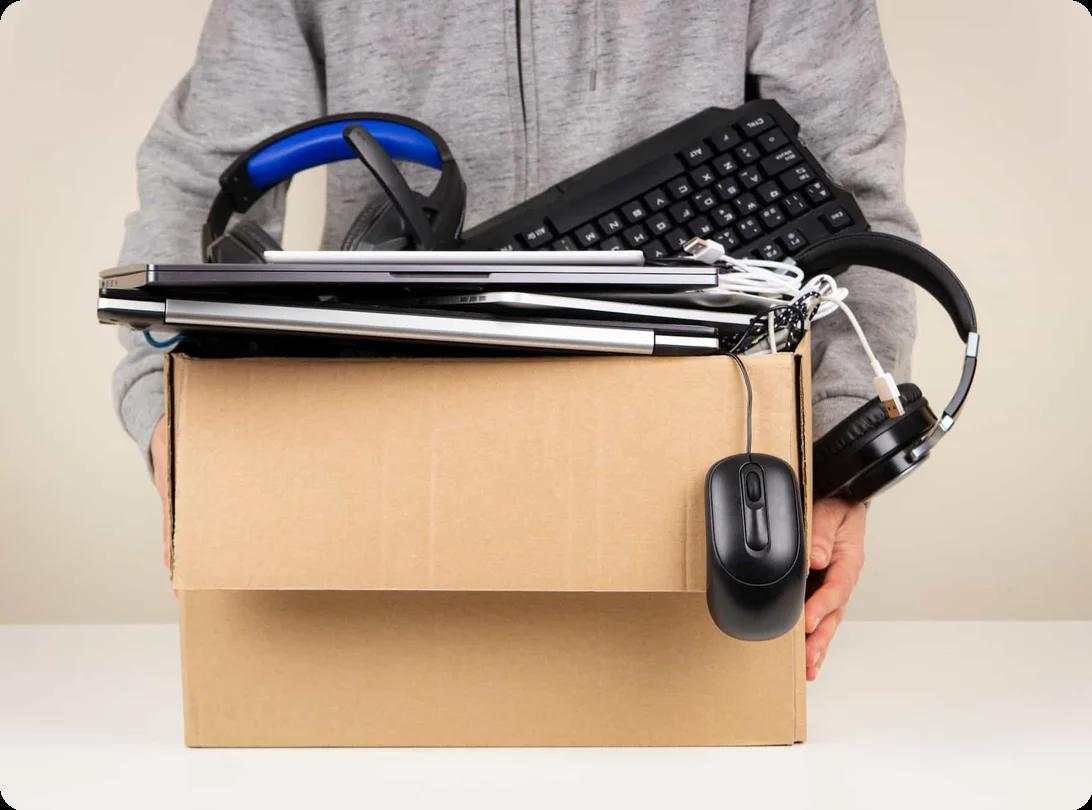
a person holds a box full of electronic waste, which include laptops, a keyboard, headphones, and a computer mouse

How To Responsibly Ditch Electronic Waste When You Move

Green Moving

The world created a shocking 62 million metric tons of e-waste in 2022 alone, making one thing clear: most people have no idea how to get rid of old electronics.

Typically, there are three ways to get rid of... Read More

an old black couch is sitting at the curb

How to Get Rid of an Old Couch: 7 Easy & Eco-Friendly Options

Green Moving

In the ranking of household item sizes, sofas are definitely near the top. They take up a lot of cubic feet, and while that might not be a measurement you're concerned about when styling your living space, it... Read More

Reusable plastic moving bins stacked beside a green plant in an apartment

Eco-Friendly Moving Tips: Your Ultimate Guide to a Greener Move

Green Moving

Moving is a fact of life, but traditional moving practices often leave behind a harmful environmental footprint. Increased carbon emissions, packaging waste, and air pollution are just a few of the issues.

Eco-friend... Read More