Full Expert Q&A
Emily Waddell

Emily Waddell, Founder of The Honest Consumer
Emily Waddell is the founder of The Honest Consumer. The Honest Consumer creates mindful lifestyle content and better buying guides for conscious consumers. Emily has always been passionate about business for good and has a Bachelor of Science in Social Entrepreneurship. She currently lives in Seattle where she practices imperfect sustainable living.
What are your top tips for furnishing or setting up a new home in a sustainable, low-waste way?
One of the most eco-conscious ways to furnish your space is to use what you have. When moving into a new space, it can be easy to feel the urge to buy more stuff, especially if your new space has a different aesthetic.
However, I encourage you to try practicing underconsumption by using what you have or repurposing what you already own. This could include getting furniture reupholstered, giving pieces a new paint job, or completely upcycling items.
This gives you the opportunity to customize a furniture piece or home decor item to match your new space. Plus, it’s more meaningful when you’ve added your own personal touches.
If you’re still hoping to get some new pieces, consider shopping secondhand stores or looking at yard sales in your area. These are sustainable ways to find unique pieces and keep home goods out of landfills.
Repurposing and shopping secondhand are better choices for the planet and for your wallet. Since moving can be expensive, making these sustainable choices can help save money too.
Simona Paganetto

Simona Paganetto, Founder of I'm Plastic Free
Simona Paganetto brings 20 years of commercialization experience, including international brand management with US MedTech multinationals. She is a certified Circular Economy Specialist (Circular Economy Alliance/École des Ponts Business School) and, in 2024, completed Harvard’s Executive Education for Sustainability Leadership, supported by a scholarship from the Chief Executive Women organisation and the Australia New Zealand Banking Group. Learn more at implasticfree.com
How can individuals build eco-conscious habits in their new home after the move?
Moving into a new home offers a great opportunity to start fresh with eco-conscious habits. Based on our experience around trying to live a healthy and plastic-free lifestyle, we’d like to provide some tips.
Let’s start with your kitchen, as it’s one of the areas where we spend most time and where most waste is generated. Ditch any single-use plastics like containers, cling wrap, etc., in favor of reusable glass or stainless containers, cloth towels, and beeswax wraps. Don’t use the microwave with any plastic containers, as these are proven to leach toxic chemicals into your food.
Tip if on a budget: save any large glass jars from your groceries like olives, pickles etc. They will be handy for freezing food, storing dry food, and they will look gorgeous when displayed on a shelf.
Set up a clear recycling and composting system to make sustainable disposal easy from day one. Use a compost caddy on the kitchen bench and transfer the organic waste regularly into your large organic bin outside. Alternatively, opt for a bokashi bin, which is an airtight container that allows you to compost indoors.
Last but not least, opt for natural cleaning products that are also zero-waste, like refillable for-ever bottles as dish washing detergent, tablets for your dishwasher, and natural luffah sponges or coconut scourers, instead of plastic sponges that release microplastic with every use.
Kristen McCalla
Kristen McCalla, Founder of Earth Friendly Tips
Kristen is a sustainable living advocate with years of experience in eco-friendly practices and natural cleaning. She runs Earth Friendly Tips, a popular lifestyle website where she shares practical tips, product reviews, and DIY guides to help others live greener every day. Her mission is to make sustainable living simple, accessible, and inspiring for everyone.
What eco-friendly alternatives do you recommend for traditional packing materials like bubble wrap and cardboard boxes?
If you're looking to reduce waste while packing for a move, there are plenty of eco-friendly alternatives you can use. Instead of using brand-new cardboard boxes, consider reusing old boxes and recycling them when you're done.
One unique option that's starting to become more popular is mushroom packaging, which is made from agricultural waste and mycelium. It's completely biodegradable and sturdy enough to protect fragile items.
Honeycomb-style kraft paper is another good option for protecting delicate items. It stretches and wraps securely without the need for tape. Biodegradable packing peanuts made from cornstarch dissolve in water and are a much safer choice than Styrofoam. Or you can use crumbled newspaper or magazine pages as filler.
Plus, don't forget you can use what you're already packing for protection. For example, you can wrap your glasses and dishes in towels and sheets to keep them protected and cut down on the number of boxes you need to use.
Erin Rhoads
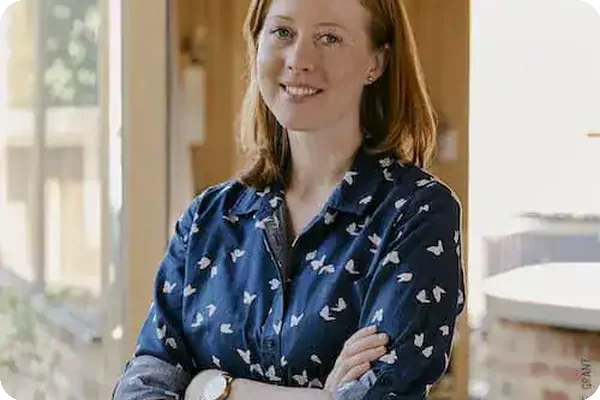
Erin Rhoads, Environmental Writer and Campaigner
Erin Rhoads is a writer, speaker, educator and campaigner who activates community connection through everyday actions specific to reducing plastic and waste. She founded her blog, The Rogue Ginger, in 2013 quickly becoming a go-to resource for sustainable living and published two bestselling books Waste Not: Make a Big Difference by Throwing Away Less and Waste Not Everyday.
What should people know about responsibly recycling items they can’t donate or move with them (e.g. batteries, paints, electronics)?
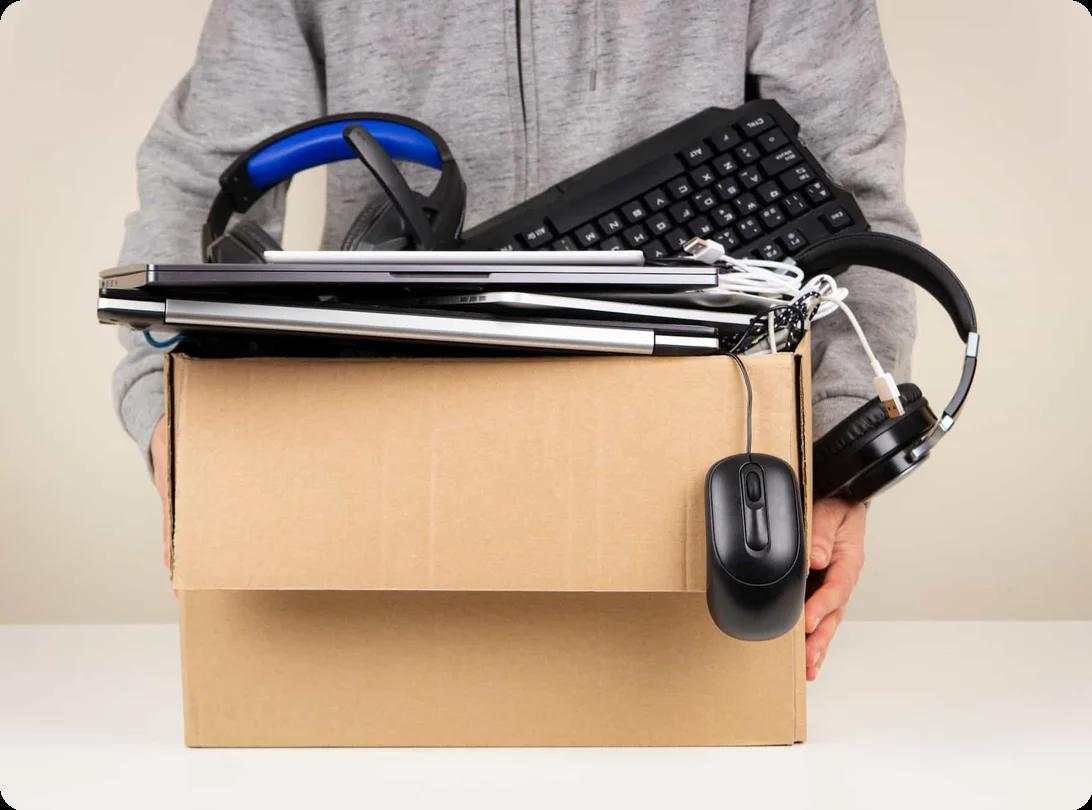
In recent years electronic waste has been steadily growing 3 times faster compared to other waste streams. Electronics are anything with a cord or battery. Many electronics contain valuable materials alongside potentially unsafe components, such as batteries.
When we take the time to responsibly recycle these items we can help reduce the fires caused by batteries when compacted in garbage trucks and also in landfill sites. Recycling batteries helps to reduce lead and nickel contaminating soil and water if they should leach out of landfills.
Electronics can contain precious components that can be reused to make new electronics and minimise the need to mine and manufacture materials. This will help build a truly circular economy, which is better for people and planet.
Contact your local Government to locate special drop off locations for electronics and batteries.
Luke Rooks

Luke Rooks, Head Writer at Greener Ideal
Luke is the head writer at Greener Ideal, where he covers practical ways to live more sustainably. Based in upstate New York, he’s passionate about protecting the planet and making environmental topics easy to understand. Outside of writing, he enjoys hiking local trails with his dog, Max, and finding everyday solutions for a greener future.
How can people assess the environmental impact of their move, and what small changes can make the biggest difference?
Moving is a great opportunity to hit reset — not just on where you live, but on how you live. Start by taking stock of what you own. The less you move, the less fuel you burn (and the less money you spend!). Donate, sell, or recycle anything you don’t truly need.
Next, think about your packing materials. Borrow boxes from friends, local stores, or buy secondhand. Skip the bubble wrap and use towels, sheets, and clothing to protect fragile items.
If you’re hiring movers, look for companies with eco-friendly practices like using biodiesel trucks or offsetting their carbon emissions.
Once you arrive, set up good habits early: energy-efficient lighting, composting, and zero-waste routines can all start on Day 1.
The truth is, it’s the small, mindful choices — taken together — that make the biggest difference. Moving is stressful enough without chasing perfection. Focus on progress, not perfection, and your move will be greener (and a lot more satisfying).
Danielle Alvarado

Danielle Alvarado, Founder of Sustainably Kind Living & Toxic Free Choice
Danielle Alvarado is the founder of Sustainably Kind Living and Toxic Free Choice. A trusted voice in the non-toxic and sustainable living space, she helps families reduce exposure to harmful chemicals, make mindful choices, and create healthier homes. Through education and advocacy, Danielle empowers others to live consciously without compromising on quality, comfort, or style.
Many people declutter before a move. What’s the most sustainable way to donate or dispose of unwanted items like clothing, electronics, or furniture?
When preparing for a move, decluttering can be such a powerful opportunity to practice conscious living. The most sustainable way to donate or dispose of unwanted items is to approach it with intention and care for the item’s next life.
For clothing, start with local organizations that directly support your community—such as women’s shelters, refugee centers, and job readiness programs. If you have high-quality pieces, consider hosting a clothing swap with friends or using resale platforms like Poshmark or ThredUp. And always avoid dumping unwearable items at donation centers; instead, check for textile recycling options in your area or upcycle what you can into rags or DIY projects.
With electronics, sustainability starts with data protection. Wipe everything clean and see if local repair shops, schools, or tech recycling events will accept them. Many municipalities or electronics stores offer e-waste recycling programs—just make sure they’re certified by e-Stewards or R2 standards so you know your old device won’t end up harming a community elsewhere.
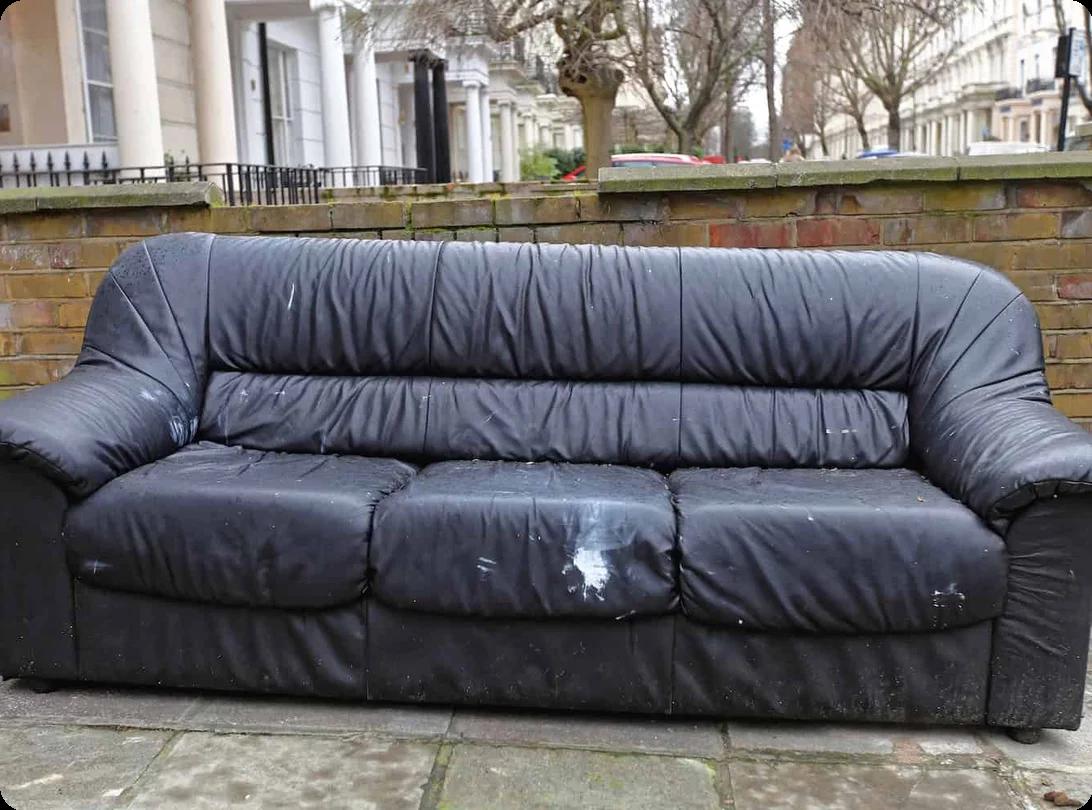
For furniture, local Facebook groups, Buy Nothing communities, or Habitat for Humanity ReStores are fantastic resources. I always recommend listing items with a story—why you’re letting it go and how it could help someone else. It sounds simple, but it helps keep that object in use longer and builds a more connected community in the process.
Ultimately, sustainability isn’t just about avoiding waste—it’s about passing value forward. By thinking locally and being selective with how we give things away, we honor both the item and the planet.
Sarah Cieslinski

Sarah Cieslinski, Founder of ZeroWasteStore
Sarah Cieslinski is the founder of ZeroWasteStore, a mission-driven brand inspired by her love for wildlife, nature, and protecting the planet. With a focus on sustainability and impact, she curates eco-friendly essentials that make low-waste living easy and approachable—proving that small, mindful choices can lead to meaningful change.
What’s one overlooked but impactful tip about zero-waste or sustainable moving that you wish more people followed?
When it comes to moving sustainably, here are two underrated tips that can make a big difference. First, don’t buy new moving supplies if you don’t have to. Check out local 'buy nothing' groups, Facebook marketplace, the Craigslist free section, or even nearby businesses for used boxes, tape, or packing materials. You’d be surprised how many people are giving this stuff away. It cuts down on waste and saves you money.
Second tip: as you pack, create three piles—trash/recycle, donate, and sell. It’s easy to toss everything when you’re in a rush, but lots of things you no longer want could still be useful to someone else. Whether it’s clothes, kitchen supplies, or furniture, try giving it a second life instead of sending it to the landfill.
Kellie Falbo
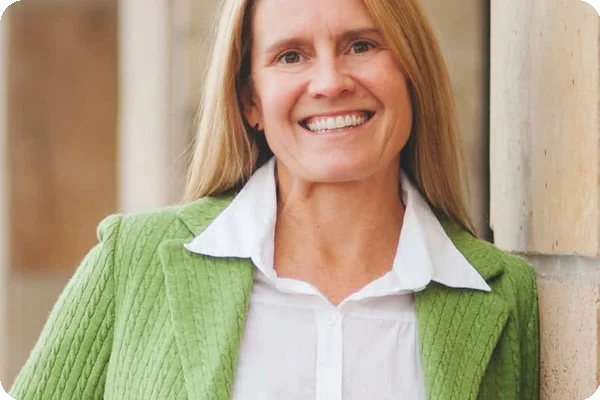
Kellie Falbo, Executive Director and Founder of the Sustainable Living Association
Kellie Falbo, Executive Director and Founder of the Sustainable Living Association, has conceptualized, designed, and implemented programs, projects and events emphasizing sustainability and the triple bottom line for more than two decades. Her leadership has guided this important mission towards adoption into mainstream culture. Her sphere of influence in the community is far reaching and she is widely recognized for her energy and candor.
What are your top recommendations for minimizing waste during a move?
Moving is a great time to rethink what you really need and minimize waste in the process. Start by decluttering early and donating or selling items you no longer use. Instead of buying new boxes, reuse cardboard from local stores or ask friends who’ve recently moved. Pack with purpose using what you already have, think towels, blankets, and storage bins instead of bubble wrap and plastic.
Choose recyclable or compostable materials when possible, and avoid single-use plastics. For anything you don’t want to move, consider hosting a free “take it” day for neighbors or using online platforms like Freecycle or Facebook Marketplace.On moving day, plan ahead to recycle properly and avoid dumping usable items, and if you’re hiring movers, look for eco-conscious companies that use reusable crates and fuel-efficient vehicles. With a little intention, your move can be lighter on both you and the planet.
Kelly Pemberton
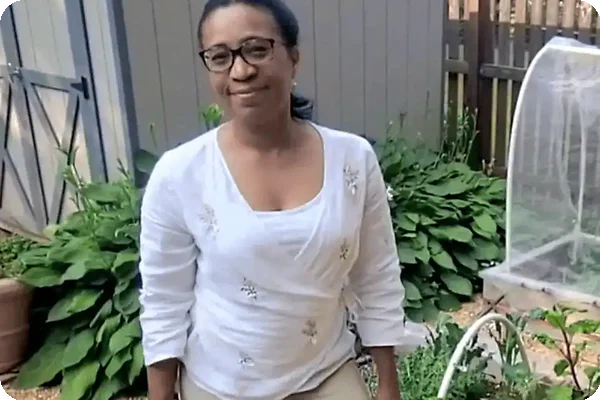
Kelly Pemberton, Professor and Founder of Green and Prosperous
Kelly Pemberton is a professor, gardening educator, writer, and founder of Green and Prosperous, a website and blog dedicated to sharing tools and strategies for eco-conscious living and healthy lifestyles. She lives just outside Washington, D.C., where she’s an avid food gardener. She’s the author of Go Green without Going Broke and The Little Guidebook for Green Moms and Dads.
What mindset shifts do you think are most important for people wanting to live more sustainably during big life changes like moving?
Big life changes like moving are often seen as a time of chaos, but they can also be a time of clarity. One powerful mindset shift you can cultivate is to reframe your relationship with “stuff.” Rather than rushing to pack everything, use the move as a chance to ask yourself: Will this really serve me well in the future? Letting go of excess not only creates more physical space; it also creates mental space for more intentional living.
Sustainability during a move also means thinking in terms of circular, not disposable. That could mean donating, selling, or repurposing what no longer fits your life, and choosing secondhand or reclaimed items for your new space. The goal isn’t to achieve some “perfect” standard, but to reduce waste while keeping useful items in circulation.
Finally, adopting a minimalist mindset during your move can help you discern what’s really important from what might be holding you back. Be thoughtful about what comes with you, how it’s packed, and what habits you want to carry into your new home. Living sustainably isn’t just about what you own. It’s also about how you think, adapt, and become more resilient through change.





 Melanie MorrisSep 8, 2026