Lifehack: How to Pack Big Shelves So You Don't Go Crazy

A homeowner using plastic wrap to bundle books and shelf contents together before packing the entire shelf for a move

Packing a shelf might sound simple until you’re surrounded by stacks of books, tangled cables, and too many mystery power cords to count. But with one brilliant moving hack up your sleeve, you can box everything up while keeping your sanity intact and moving stress to a minimum.


Last updated: Jul 16, 20253 min read
Melanie Morris
Written byMelanie Morris

Key Takeaways

  • Packing big shelves is overwhelming if you do it the traditional way: book by book, knick-knack by knick-knack
  • The pro hack: wrap entire shelf rows with plastic stretch wrap so everything stays in place, then move the shelves as units when possible
  • This works best for: built-in shelves, sturdy bookcases, and entertainment centers with low fragility
  • Skip the hack for: antique shelves, glass shelves, or shelves with very fragile collectibles — those still need individual wrapping
  • Other shelf-packing tips: photograph the original arrangement, group by category, and label both the box and the destination shelf
Melanie Morris
Author

Melanie Morris

Melanie Morris is an editor, writer, and one of the sharpest moving experts at HireAHelper. Seven years spent answering readers' toughest questions and demystifying a process most people dread has made her an authority on what movers actually need to know — and how to explain it without the jargon. Her own relocations around the Southwest and up and down the West Coast give her the firsthand experience to back it up. Whether you're crossing the country or just moving down the block, Melanie makes sure the advice you get is accurate, trustworthy, and easy to act on.

Who Is This Hack For?

Whether you’re dealing with a color-coded bookshelf, a collector’s display, or a kitchen storage unit, packing bulky shelving can turn chaotic fast. However, this easy and effective packing trick is a lifesaver, even for a maximalist. You'll discover how to pack like a pro and avoid unnecessary chaos when unpacking on the other side.

"Use smaller boxes for heavy items like books so they’re easier to lift, and save the big boxes for lighter stuff, such as decor, cushions, or soft and plush items."

This method keeps your setup easy to recreate in your new space, too. It also works wonders for shared shelving systems, where each person has their own zone that needs to stay intact during the move.

Our Pro Hack for Packing Big Shelves

Packing up a shelf that’s full of carefully placed items doesn’t have to mean starting from scratch when you unpack. This hack preserves your layout, saves time, and keeps everything organized by using one key tool: a simple numbering system.

1. Create a Numbering System
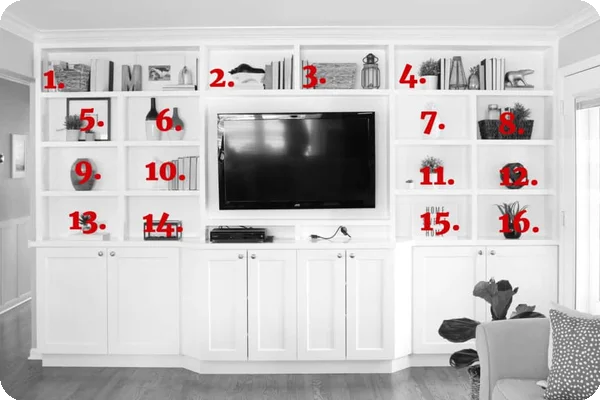
A demonstration of a shelf-packing numbering system

Before you remove a single item, take a picture of the shelf. This will serve as your visual guide when it’s time to reassemble everything. Next, number each section of your shelf from left to right and top to bottom using painter’s tape to mark each zone. Don't worry, painter's tape won't damage your shelves. This system helps you keep items together based on their location, so later, when you unpack box 4, you’ll know exactly where these items go.

2. Start Emptying Your Shelves

It’s best and easiest to clear one section at a time, and make sure you stay focused. Resist the urge to bounce between shelves; finishing Shelf 1 before moving to Shelf 2 will save you serious headaches later.

As you go, place items from each section into their own box or container. Wrap breakables individually (packing paper and bubble wrap are your best friends here), and nest lighter items around heavier ones so nothing shifts during the move. Pop small parts, such as power cables, in a zip bag, tape them to the item they belong to, or add a labeled parts bag to the box.

3. Pack and Label
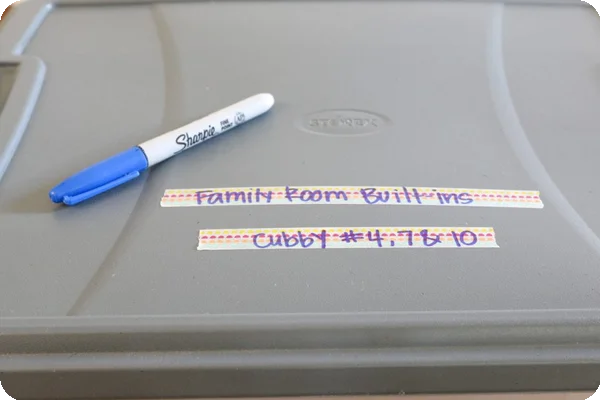
An example of a labeled section of a shelf in a plastic storage tote

When it comes to boxing things up, think smart and simple. Use smaller boxes for heavy items like books so they’re easier to lift, and save the big boxes for lighter stuff, such as decor, cushions, or soft and plush items.

It’s also helpful to jot down a quick inventory on the side of each box. It takes just a minute and means no more guessing games when you’re unpacking. And if you’re bringing in packing help, that extra bit of detail will make their job faster and smoother, especially if you’re working with packing pros through HireAHelper’s marketplace.


Other Tips for Effortless Packing

Don't forget to follow these other useful tips to make packing big shelves easier:

  • Remove LED strips or lighting from your shelves and pack bulbs or remotes separately in padded bags.
  • Use reusable zip ties or cable wraps to keep charger cords, game controllers, or streaming devices bundled and labeled.
  • For display items, layer a sheet of wax paper between stacked objects to avoid sticking or paint transfer.
  • Don’t overpack one box. Group by shelf zone, not by size or type, to make unpacking smoother.
  • Use colored stickers to match each box to a shelf section if you want a visual shortcut during setup.
  • For open shelving in the kitchen, tape lids closed on spice jars or pantry containers to avoid leaks.

Recent Articles

An artist carefully packing brushes, paints, canvases, and art tools into protective boxes for a move

How to Pack Art Supplies for Moving

Packing

Packing an art studio can feel more complicated than packing the rest of the house. Instead of neatly shaped household items, you may be dealing with paints, delicate brushes, unfinished work, fragile ceramics, and... Read More

Mover packing a cardboard box during a move

How Long Does Professional Packing Take?

Packing

Professional packing can take anywhere from 2 hours for a small apartment to a full day or more for a larger home. The actual timeline depends on how much you own and how prepared you are when the crew arrives. In... Read More

Stack of cardboard moving boxes with bubble wrap and packing tape

Do Packers Bring Their Own Boxes and Supplies?

Packing

Packers do not always bring their own boxes, including when you book labor-only packing help directly or through HireAHelper. What supplies they bring depends on the type of packing service you choose. With... Read More

Toiletries and props arranged on a bathroom washbasin

How To Pack Bathroom Items for Moving

Packing

The bathroom can be tricky to pack. It’s one of the last rooms you get to because you use it regularly, and it’s filled with items that can break or spill, but there are techniques to make this area easier to move.... Read More

Woman keeping boots in a cardboard box at home

How to Pack Shoes for Moving: A Step-by-Step Guide (2026)

Packing

You might think shoes are easier to pack than glassware or your TV, but if you just throw them into a large bag without following the proper steps, you might end up with scuffed leather, bent heels, or a moldy pair... Read More

Patio furniture cleaned and wrapped for moving

How To Pack Patio Furniture for Moving

Packing

Patio furniture tends to be heavy, collect dirt from outside, and have irregular shapes that don’t fit well in standard boxes. But packing them for a move isn’t impossible with the right process. If you clean each... Read More