How to Unpack After Moving Like the Pros

A homeowner unpacking moving boxes in a new living room with furniture being arranged on moving-in day

Unpacking can take anywhere from a few days to several weeks. Without a strategy, it's easy to lose motivation or end up living among half-emptied boxes and chaos for months. The best way to unpack after moving is to use a clear plan to stay organized, start with essentials, and work room by room. A structured approach like this can help you settle into your new home faster, reduce stress, and make the entire moving process feel more manageable.

This guide takes you through planning your unpacking effectively, with key tips like tackling each room in order, setting realistic timelines, avoiding unpacking burnout, and deciding when to consider professional unpacking help.


Last updated: Jul 20, 202614 min read
Melanie Morris
Written byMelanie Morris

Key Takeaways

  • Before you start unpacking, make sure to clean your new home, place furniture, and organize your boxes.
  • Prioritize essentials such as main bedrooms and bathrooms, as well as basic kitchen items, so your home becomes functional quickly.
  • Work room by room and focus on small, achievable goals to avoid overwhelm and maintain momentum.
  • Use strategies such as color-coding, timed unpacking sessions, and decluttering techniques to stay on track.
  • Professional unpacking services can save time and reduce stress, especially after large or complex moves.
Melanie Morris
Author

Melanie Morris

Melanie Morris is an editor, writer, and one of the sharpest moving experts at HireAHelper. Seven years spent answering readers' toughest questions and demystifying a process most people dread has made her an authority on what movers actually need to know — and how to explain it without the jargon. Her own relocations around the Southwest and up and down the West Coast give her the firsthand experience to back it up. Whether you're crossing the country or just moving down the block, Melanie makes sure the advice you get is accurate, trustworthy, and easy to act on.

Why Feeling Overwhelmed After Moving Is Normal

Feeling overwhelmed after moving is completely normal. Moving is one of life’s major stressors, so it’s normal to feel overwhelmed during the process. You have to handle packing, decluttering, meeting deadlines, making logistical decisions, looking after children and pets, and adjusting to a new environment. That can really compound the mental and physical exhaustion. And it doesn’t end with moving day. Once you’re in your new home, you still have to unpack everything.

Although feeling overwhelmed is common, you can mitigate a lot of the stress with careful planning, realistic expectations, and breaking down the move into manageable steps.

Plan Before You Start Unpacking

Unpacking like a pro begins with a plan. Hopefully, you packed well, but even if you didn’t, it doesn’t pay to simply attack the box nearest to you and hope it contains your PJs and toothbrush so you can get to bed. Instead, put in a little time and effort to support overall unpacking success.

So before you even get to untaping your first box, you need to do three things to prep your home: clean, place furniture, and stage your boxes.

Step 1. Clean the Space

A deep clean is usually needed to prep a house for sale or to get your rental deposit back, but you should also do an initial clean of your new home before you set it up.

It’s a good idea to give some attention to 5 critical areas:

  • Kitchen cabinets: Wipe down the kitchen cabinets to remove any potential residue.
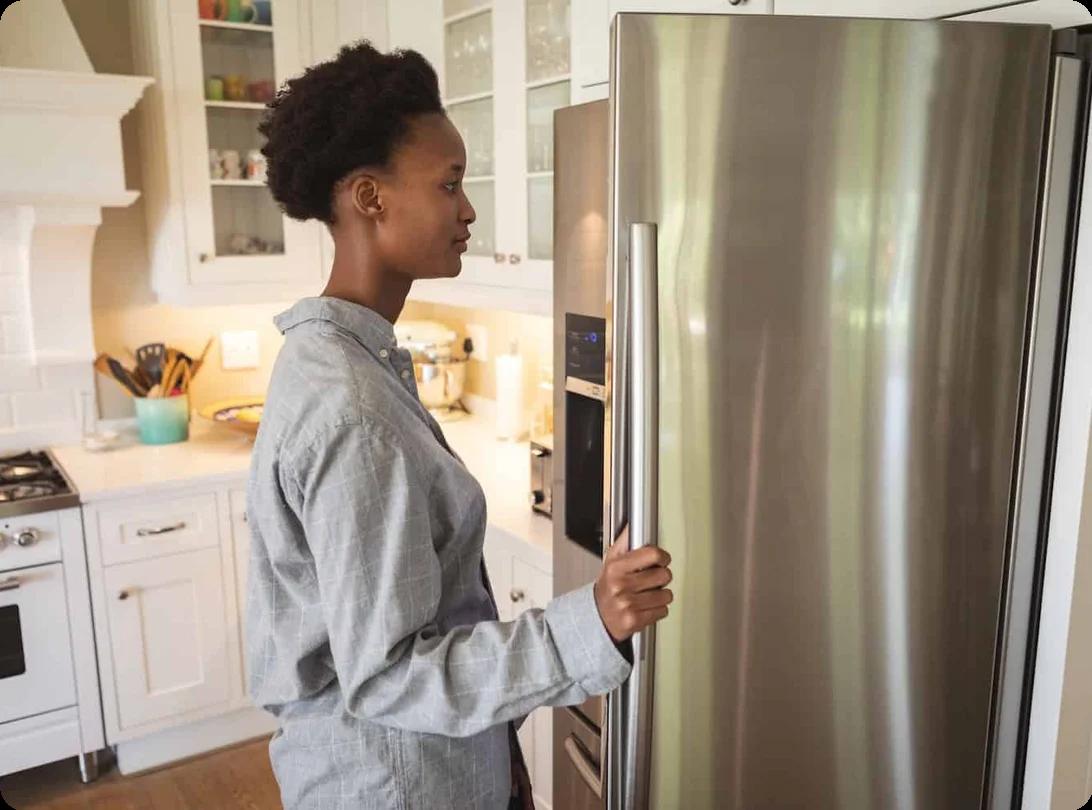
  • Fridge: Clean out anything left in the fridge and wash the shelving and bins.
  • Bathrooms: Clean bathtubs, showerheads, and sinks, including any jets and other appliances.
  • Other shelves and cabinets: Remove any dust or residue you find before putting anything on built-in shelving or in cabinets. It’s much harder to clean once you’ve arranged things on the surface.
  • Stove: Clean the outside and inside of the stove to ensure you don’t end up cooking on anyone else’s old food bits.
  • Washing machine: Run a cleaning agent through the washing machine if it came with the home.

Step 2. Place Your Furniture

Set yourself up for unpacking success by taking photos of your favorite spots in your current home before you pack. That way, you capture the ideal placement of living room furniture and the bookshelf you finally decorated to your satisfaction. Use those pictures for inspiration as you stage your new place.

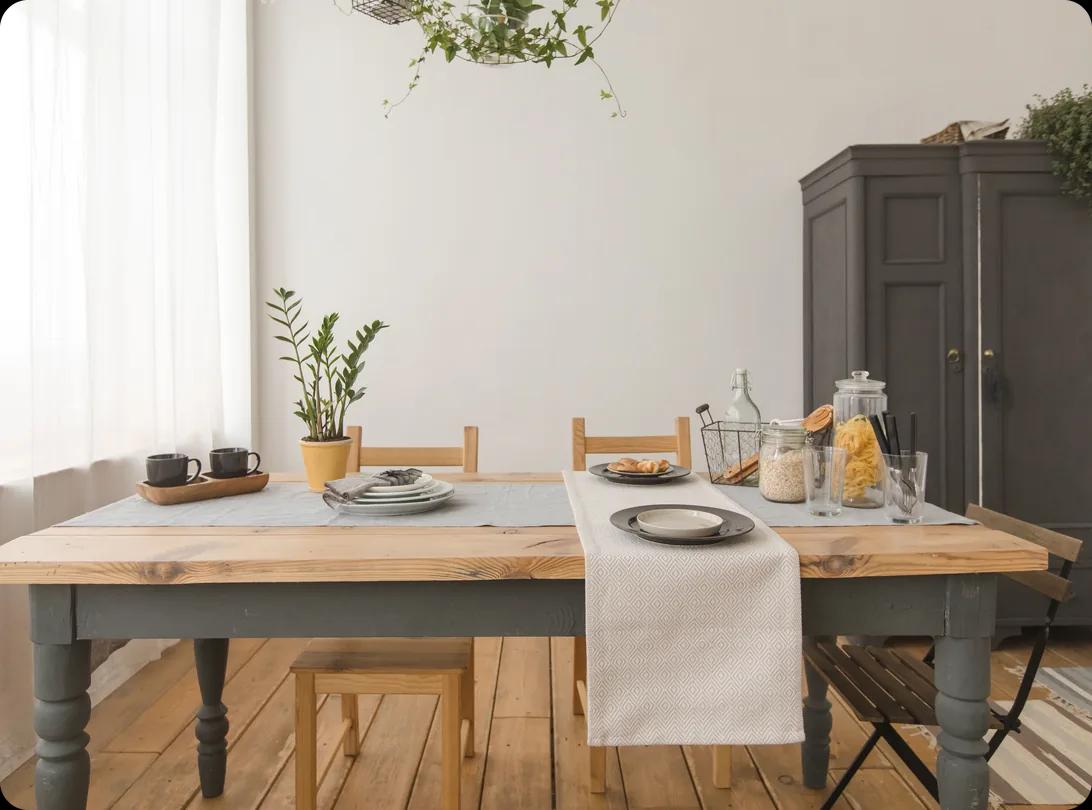
Set up each room or corner before you tackle your boxes. Furniture, like tables and couches, gives you a place to set boxes as you unpack them. When boxes are higher up, you’re not bending or stooping as much.

Having shelves, desks, and hutches in place also helps you take items from boxes and put them exactly where they go. This is when those reference photos really pay off.

Step 3. Stage and Organize Your Boxes

When possible, ensure boxes only hold items from a specific room — avoid putting bedroom stuff in with the kitchen dishes, for example. This helps you stay organized.

A color code is useful for packing more efficiently and finding items you might need right away in your new home. Bold colors on boxes and doors also let your moving help know which rooms to put boxes in when unloading. It’s easier to unpack like a pro if all the boxes are in the right rooms from the start.

Is There a Right Way to Unpack a Moving Box?

There is, actually, a right way to unpack a box. First, be careful when using scissors or a knife to cut away tape. Pushing the blade too deeply could put your belongings at risk.

You also shouldn’t dump out a box unless you know 100% what’s in it. Instead, reach in and remove each item separately to reduce the risk of breaking fragile belongings.

If you come across a box with many small items at the bottom — and you’ve removed everything else — you can pour the items carefully into a bin or bowl. You can sort through them better that way and avoid losing pins, tacks, screws, or other bits on the floor.

Finally, after you empty a box, break it down. It takes less room and is easier to store or recycle when flat.

Start With the Essentials

When planning how to unpack after moving, start by making an essentials box. Items in this box are often the last thing you pack and include toiletries, bedding, device chargers, and some basic kitchen items.

Your essentials box should be tailored to your needs. While necessary items like toothbrushes and your phone charger should be included, consider what other items might be most important to you in the first hours or day in a new home. Must have hot tea or coffee to keep you motivated? Put the kettle or coffeemaker in. Need music to drive your unpacking efforts? Toss a Bluetooth speaker into the box.

Keep this box with you during the moving process. Transport it in your car instead of the moving truck so you always know where it is and can grab essentials as needed.

Unpack Room by Room

While it might be tempting to start with the nearest box, that’s an easy way to get overwhelmed. Instead, take a breath and handle one room at a time. Start with critical spaces for comfort and cleaning, and move through the house at a pace that works for you.

It’s okay if unpacking takes a few days or longer. Taking time to do it right without rushing cuts down on burnout and sets you up for better enjoyment of your home.

Bedrooms & Bathrooms: Comfort and Hygiene Come First

The bedrooms and bathrooms are the two places you need to be up and running to feel comfortable and to get back into your routine. You should get these set up for sleep and hygiene, and then move on. You can spend some time setting up bedrooms with personal belongings and decor later.

Set each bathroom up with toilet paper, hand soap, and a hand towel. Then add toothbrushes, hairbrushes, toothpaste, and other critical personal items. Finally, unpack washcloths and regular towels.

Once beds are set up — including frames and mattresses — find sheets, comforters, and pillows. If you have kids, do theirs first, and don’t forget comfort items like nightlights and stuffed toys.

Kitchen: Time-Intensive but Essential

In most homes, the kitchen takes the longest to unpack fully. You may have hundreds of items, including dishes, appliances, utensils, and food, to set up.

Because it’s so time-intensive, a full kitchen unpack is not an ideal moving day task. Instead, concentrate on a few essential items. Set up the coffee maker for the morning, place a pan on the stove so you can cook breakfast if desired, and ensure you have a few dishes available. You can even use paper plates and cups for the first few days to reduce unpacking stress.

When you do tackle the rest of the kitchen, use a zone strategy. Unpack by category — glasses, cookware, utensils, plates, etc. — and put things into cabinets and drawers as you take them out of boxes. Avoid just stacking things on counters and tables. Organized unpacking is easier if you start with a good kitchen packing plan.

Also, make sure you lay down shelf liners before filling cabinets — it’s much harder later.

Living Area: Stage Furniture Before Unpacking Decor

While a well-appointed living room, dining room, or den can make a home feel truly comfortable, these areas are less urgent to unpack than bedrooms, bathrooms, and the kitchen. Take your time getting to these areas so you have functionality in the rest of the home and can enjoy the process of setting up your new family spaces.

Not sure where furniture might fit well? Measure out large items like couches and media centers. Then, use painter’s tape on the floor to outline where they might go. Walk around these areas to ensure you have sufficient aisles to move in.

Set up seating, lighting, and entertainment centers first, then add decor elements like mood lighting, small tables, and pictures afterward. You might want to unpack electronics, like gaming systems, last to ensure everyone stays on task while setting up the house. And make sure you set up a comfortable seating area early — it boosts morale while you work.

Garage, Storage, & Non-Essentials: Leave for the End

Basements, attics, garages, and other storage areas can typically wait until the rest of the house is functional. As you move boxes into the home, place those with seasonal items like holiday decorations where you plan to store them. Often, you can leave them as is until they’re ready for use. If you plan to donate items, don’t bother unpacking them.

Make sure you label storage bins now — future you will be grateful!

Pro Tips for Room-by-Room Success

Once you’ve got the basics set up, you can work on unpacking everything else. As you go through each room, keep the tips below in mind to support success.

  • Color-code: Use color-coded labels so you know which boxes go in each room. Label boxes clearly with a description of contents, such as “bedding” or “kitchen dishes.”
  • Break down boxes as you go: Keep a utility knife handy so you can break down boxes as you go to reduce unnecessary clutter and confusion.
  • Work one room at a time: Finish one room or space before starting another to reduce chaos and keep yourself on task.
  • Make it fun: Find ways to stay motivated, such as by playing your favorite music or having conversations with friends and family as you work.
  • Ask for help: Ask trusted friends or relatives to join in. More hands make less work for each person, and doing the work together can be more enjoyable.

Beat the Burnout: How to Stay Motivated While Unpacking

Feeling motivated to unpack after a move can be challenging, especially when you're surrounded by boxes and facing a time-consuming task. The process often takes longer than expected, and it's easy to lose enthusiasm and energy once you've completed the logistical move. Putting off decisions, taking frequent breaks, or focusing on other things are common.

Instead of procrastinating, use these tips and strategies to stay focused, build momentum, and make steady progress toward getting your new home sorted.

Set Small Goals and Celebrate Wins

Start by breaking unpacking into small, manageable goals. Rather than aiming to finish an entire room, focus on sorting one category of items, such as glassware, books, or a single cabinet. Completing smaller tasks helps build momentum and makes the overall job feel less overwhelming.

As you make progress, take a moment to acknowledge it. Perhaps compare before-and-after photos of each room to appreciate your progress or treat yourself to your favorite takeout. Focusing on what you’ve accomplished, rather than how much remains, can help keep motivation high until the last box is unpacked.

Use the 45/15 Method

This method involves setting a timer for 45 minutes of focused unpacking, followed by a 15-minute break to recharge. Use breaks to stretch, grab a snack, or check in with friends, but avoid getting pulled into distractions like TV or scrolling on your phone.

Keep Clutter Out of Your New Space

Minimize mental clutter by keeping your unpacking space organized. Flatten empty boxes as soon as they’re unpacked and keep a donation bin nearby for anything you decide doesn’t belong in your new space. You can try the 12-12-12 rule to keep you on track, where you take 36 items and split them into three categories: keep (and put in their rightful place), discard, and donate.

"Set a realistic deadline — 2 weeks, for example — to finish any lingering tasks. Mark it on your calendar and commit to having every room functional and box-free by that date."

Think stray phone chargers, kids’ toys, and loose housekeys for the keep and rehome category. Unused home décor, clothes that no longer fit, and toys the kids no longer play with are ideal candidates for donation, while broken gadgets, chipped mugs, and expired cans of food are good examples of what to trash.

Tips for Unpacking With ADHD

Unpacking after a move can feel especially challenging for people with ADHD. A house full of boxes, countless decisions about where items belong, and the lack of a clear endpoint can make staying focused especially difficult. It's also easy to become distracted by unrelated tasks, jump from room to room, or feel overwhelmed by the volume of work.

A few practical strategies can help make the process feel more manageable:

  • Work in short, focused time blocks, such as 15–30 minutes, with planned breaks in between.
  • Focus on unpacking one box at a time rather than an entire room.
  • Use color-coded labels or visual markers to quickly identify where items belong.
  • Create a simple unpacking schedule with one or two specific goals for each session.
  • Start with high-priority spaces, such as the bedroom, bathroom, or kitchen.
  • Keep a visible list of completed tasks to help maintain momentum.
  • Reduce distractions by limiting phone notifications, television, and visitors while unpacking.
  • Periodically, share your achievements with a loved one.

Small, structured steps can help you make steady progress without feeling like it’s impossible.

How Long Does It Take to Unpack After Moving?

Most people unpack essential items within 1–3 days, with anywhere from 1 to 3 weeks to fully unpack, depending on the size of the move and daily responsibilities. Sometimes, though, people take even longer to find a home for all their possessions.

Factors that can affect unpacking times include:

  • Home size and the number of rooms
  • How many belongings you have
  • Whether family, friends, or movers are helping
  • Work, school, or childcare commitments
  • How organized and clearly labeled your boxes are
  • Whether furniture and storage systems are already set up
  • How much time you spend unpacking each day

Consistent progress, even in small daily sessions, usually helps homes feel settled much faster than waiting for the perfect time to unpack.

Unpacking Help

Sometimes, calling in help is the smartest way to get settled quickly. Here’s some information on when to rely on the pros and what to expect from them.

When Can Professional Unpackers Help?

If you’ve had a large move, are short on time due to work or family obligations, or have physical limitations that make lifting and bending difficult, professional unpackers can take the pressure off your shoulders — literally and figuratively.

What's Included in Unpacking Services?

Unpacking services typically include unboxing items and placing them in cabinets, closets, or shelves. This can also include assembling furniture, removing packing materials, and breaking down boxes for recycling. Some providers might also help with basic organization so your space looks and feels functional right away.

Finding Unpacking Help

To find reliable unpacking help, look for experienced professionals with positive customer reviews and transparent pricing. HireAHelper’s marketplace lets you compare vetted movers who provide unpacking services side-by-side, so you can choose a team that fits your schedule and budget.

Even a few hours of professional assistance can speed up the unpacking process dramatically. That lets you focus on personal touches instead of heavy lifting.

After Unpacking: Organize & Settle In

Once the last box is empty, your work isn’t completely done. Taking a little extra time now to organize, clear out leftovers, and add personal touches can help your new house feel like home and stop clutter from forming in your space.

Donate What You Don't Need

As you unpack, you might come across items that no longer fit your space or lifestyle. Instead of tucking them into a closet, set them aside for donation. Keep a box or bag ready for this purpose and schedule a drop-off with a local charity.

If you’re organizing your belongings while following the 12-12-12 rule, you’ll likely find that you have more to donate than you first anticipated. The golden rule is to donate anything that you no longer have a purpose for, but that could still be useful for someone else.

Recycle or Dispose of Packing Materials

Flatten and recycle cardboard boxes as soon as you’re finished with them. If your area doesn’t offer curbside recycling, check with local recycling centers to drop off your old boxes.

You should also bundle packing paper neatly for reuse or recycling. Discard any damaged or unusable materials promptly to keep your space clear.

Add Finishing Touches

Now it’s time to make the space truly yours! Hang artwork, arrange photos, and add decor pieces that make each room feel warm and inviting. Fresh flowers, cozy throws, or a new welcome mat can make a big difference in how finished your home feels.

Set a Deadline for Wrap-Up

Half-unpacked boxes have a way of sticking around for months if you let them. Set a realistic deadline — 2 weeks, for example — to finish any lingering tasks. Mark it on your calendar and commit to having every room functional and box-free by that date.

Be realistic about the deadline, though. If you have a lot going on or move slowly, it’s okay to take a month to wrap up or commit to having every box unpacked by the end of a season.

Frequently Asked Questions

Recent Articles

two movers in blue shirts and baseball caps move a white couch down a set of stairs

How To Move Heavy Furniture Down Stairs Safely

Loading & Unloading

Figuring out how to navigate a steep flight of stairs with a heavy couch or dresser can quickly become the most stressful part of your move. To carry these items down stairs safely, you need to measure your... Read More

Family unpacking moving boxes from a removal truck

What Order Should You Load a Moving Truck?

Loading & Unloading

The best way to load a moving truck is to load the heaviest items first and save light or fragile items for last. That order gives your belongings a stronger base, helps prevent shifting in transit, and makes the... Read More

Movers carrying cardboard boxes from a house to a moving van

Does It Take Longer to Load or Unload a Moving Truck?

Loading & Unloading

In general, loading takes about 1.5 – 2 times longer than unloading, or about 60% to 75% of the total hours. This is because when loading, you need to take the time to distribute weight carefully, secure items, and... Read More

Spacious backyard with a swing set on a spring day

Will Movers Move a Swing Set

Loading & Unloading

Yes, professional movers can move a swing set. Most will need it taken apart first, and there might be extra charges for things like size, weight, or putting it back together. If you have a solid wooden playset,... Read More

a wooden outdoor barrel sauna

How to Move a Sauna: A Step-by-Step Guide

Loading & Unloading

Figuring out how to move a sauna can feel pretty daunting when you’re looking at such a heavy wooden structure with multiple parts attached to it. However, moving a sauna simply requires disassembling it in reverse... Read More

Home gym equipment being prepared for a move

Will Movers Move a Gym?

Loading & Unloading

Yes, most movers will move home gym equipment, including weights, exercise bikes, treadmills, benches, and squat racks. However, large commercial machines or equipment with complex wiring or cabling may require a... Read More