Packing Supplies and Moving Box Calculator

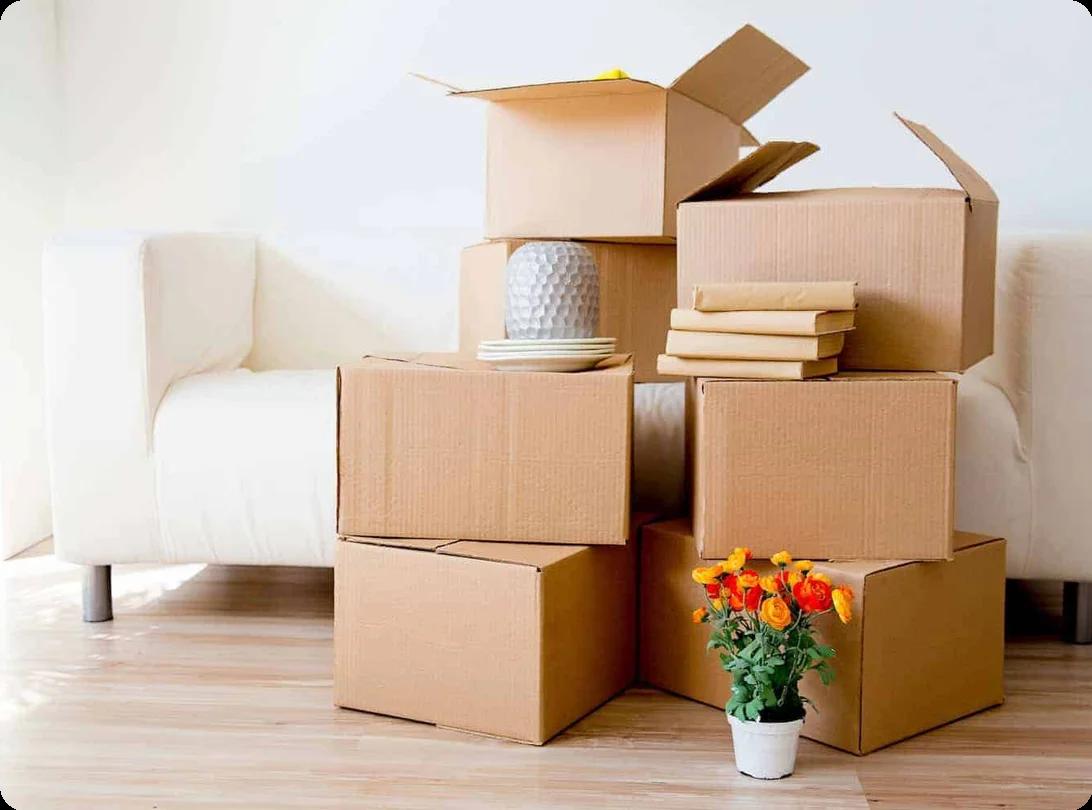
Stacked cardboard moving boxes in a bright living room, ready for a home relocation.

One of the more troublesome steps of moving is figuring out how many boxes you need. Buying too many is a waste of money, and not having enough could send you on a last-minute trip to the store.

That’s why we offer a free moving box calculator you can use right now to estimate everything you'll need for the big day. Whether you're buying boxes or hunting down free ones, knowing your number ahead of time will save you money, time, and stress.

Below, we’ll explain how our calculator works and share practical tips for getting accurate estimates. We'll also help you determine the other supplies you'll need for a hassle-free relocation.



Last updated: Dec 10, 20257 min read
Melanie Morris
Written byMelanie Morris

Key Takeaways

  • Box counts scale with home size — a 1-bedroom apartment averages around 23 boxes, while larger homes can need 60-100+ depending on what you own
  • Use the right box for the right item — small boxes for books and dishes, medium for kitchenware, large for linens, dishpacks for fragile glassware
  • Tape, paper, and bubble wrap are the unsung heroes — budget more tape than you think (plan on a roll per 15-20 boxes) and use plenty of cushioning for breakables
  • Free boxes are everywhere — liquor stores, Costco, grocery stores, U-Haul Customer Connect, Facebook Marketplace, and Buy Nothing groups all post free boxes regularly
  • Add a 10-15% buffer — last-minute items, damaged boxes, and weird shapes mean you'll want a few extras on hand before move day
Melanie Morris
Author

Melanie Morris

Melanie Morris is an editor and writer at HireAHelper, where she uses observational skills honed from over 7 years of experience (and too much detective fiction) to demystify moving and make sure typos remain at a minimum.

Moving from the southwest up and down the west coast and back again has also given her plenty of firsthand moving experience. Now, she makes sure that even if you're just moving down the block, you have the accurate tips and know-how to make your relocation a breeze.

How Does a Moving Box Calculator Work?

A moving box calculator is a simple tool designed to give you a reliable estimate of the packing supplies your move requires. Instead of guessing, you get a data-based recommendation tailored to your specific home. It’s useful for anyone planning a move, from first-time renters to families relocating from larger homes.

“For an eco-friendly alternative [to cardboard moving boxes], consider renting plastic moving bins. These are durable, weatherproof, and require no tape.”

Using our moving supplies calculator helps you create an accurate budget and a smart packing strategy from day one. It helps you avoid overspending on supplies you don't need or underestimating and wasting time running out halfway through packing.

To get your custom estimate, you'll need to provide a few details:

  • Your home size: The number of bedrooms gives a baseline for how much stuff you have.
  • Your household size: How many people live in your home? More people usually means more belongings.
  • The rooms you're packing: Are you packing up a home office, a garage, or a storage shed in addition to the bedrooms, kitchen, and living room? Select all the rooms that apply for a more accurate count.

Based on your answers, the calculator gives you a detailed list of how many small, medium, large, and specialty boxes you're likely to need.


Tips for Using a Moving Box Calculator Effectively

Using a calculator is a good starting point, but your personal habits can influence the final number of boxes you'll have to get. For the most accurate estimate, try to keep these tips in mind:

  • Be realistic about clutter: Take stock of how much you own and how you live day to day. Are you a minimalist, or do you have collections and keepsakes in every room? Adjust your estimate slightly upward if you're not big on decluttering.
  • Account for hidden storage: Don't forget about the attic, basement, garage, and closets. These spaces often hold more than you think, so be sure to include them in your calculations.
  • Add extra boxes: It's always a good idea to adda few extra boxes to your final count. They're perfect for last-minute items you forgot about, a box getting wet or damaged, or for things that don't fit anywhere else.
  • Consider reusable containers: If you plan on using plastic bins or other containers you already own, subtract them from the calculator's final recommendation.
  • Factor in specialty items: You might need special boxes for fragile or bulky items like TVs, mirrors, or framed artwork.

HireAHelper's Moving Box Calculator

Ready to get a personalized estimate? Our calculator is simple, fast, and free. Just answer a few questions about your home, and we'll give you a detailed breakdown of the boxes you'll need.

Estimating Moving Box Needs by Home Size

The table below shows a typical range of boxes needed based on home size. Use it as a quick reference, but keep in mind that how much you own and store can change your total box count.

Home SizeEstimated Boxes Needed
1-bedroom Apartment23
2-bedroom Apartment46
3-bedroom Apartment70
2-bedroom House54
3-bedroom House81
4-bedroom House108
5-bedroom House135

Types of Moving Boxes You'll Need

Using the right box for the right items not only makes packing easier but also keeps your belongings safe during transit. From heavy books to delicate dishes, there's a box designed for everything you own. Here's a quick guide:

  • Small Boxes: Perfect for heavy items like books, tools, canned goods, and other small, dense objects.
  • Medium Boxes: The workhorse of any move. Use them for kitchen items, small appliances, toys, and decor.
  • Large Boxes: Best for bulkier but lightweight items such as linens, pillows, towels, and curtains. Avoid overpacking them with heavy things, since they can collapse or become unsafe to lift.
  • Extra-Large Boxes: Use these sparingly for large but light items like comforters, blankets, and large cushions.
  • Dish Packs: These boxes have built-in dividers to protect fragile items such as plates, glasses, and bowls.
  • Wardrobe Boxes: A tall box with a metal bar for hanging clothes. They make it easy to transfer items directly from your closet to the box.
  • Mattress Boxes: Ideal for long-distance relocations. These boxes help protect mattresses from dirt, moisture, and tears during the move.

For a deeper dive into finding the right box for your belongings, check out Moving Box Sizes: The Complete Guide.


Other Supplies You'll Need Along with Boxes

To pack properly, you'll need a few other key supplies to keep your items secure and organized. Having these on hand before you start will make the entire process go much more smoothly. Add these to your checklist:

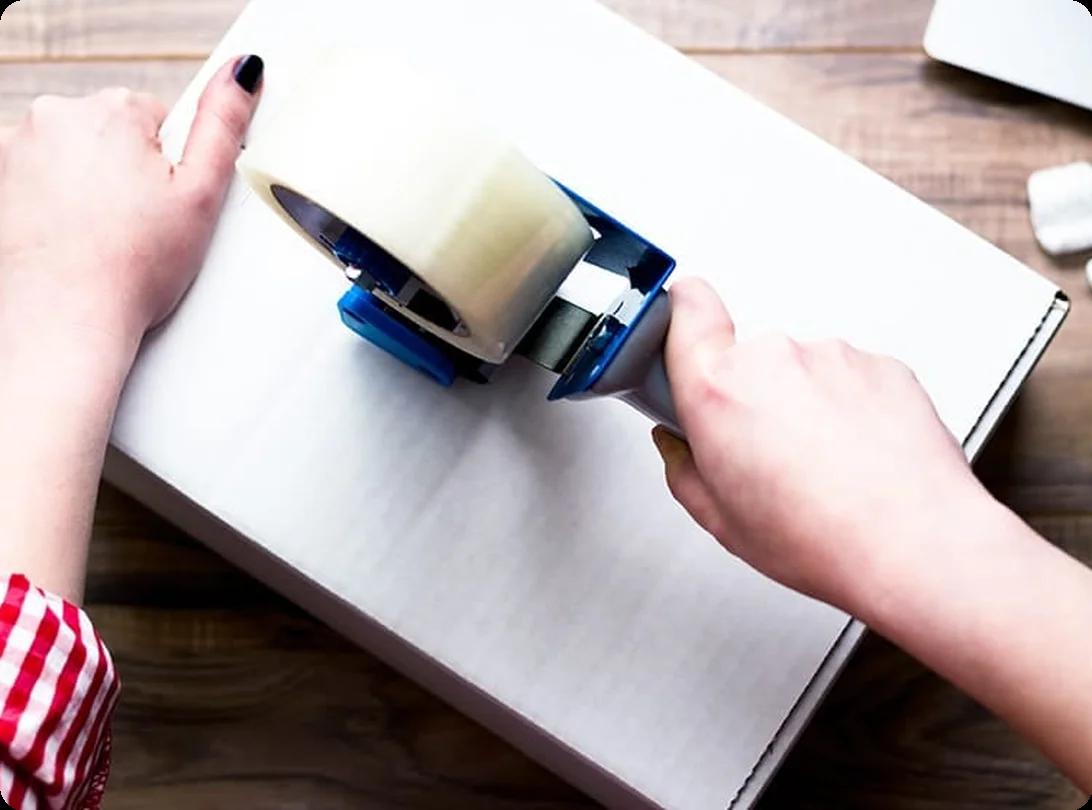
  • Packing Tape: You'll need more than you think. Get several rolls of high-quality packing tape to securely seal every box.
  • Bubble Wrap and Packing Paper: Use bubble wrap for fragile items like glassware. Packing paper is great for filling empty spaces and wrapping dishes.
  • Labels and Markers: Clearly label each box with its contents and the room it belongs in. This will save you a lot of time when unloading.
  • Furniture Covers: These plastic covers protect your sofas, chairs, and other upholstered items from dust and stains.
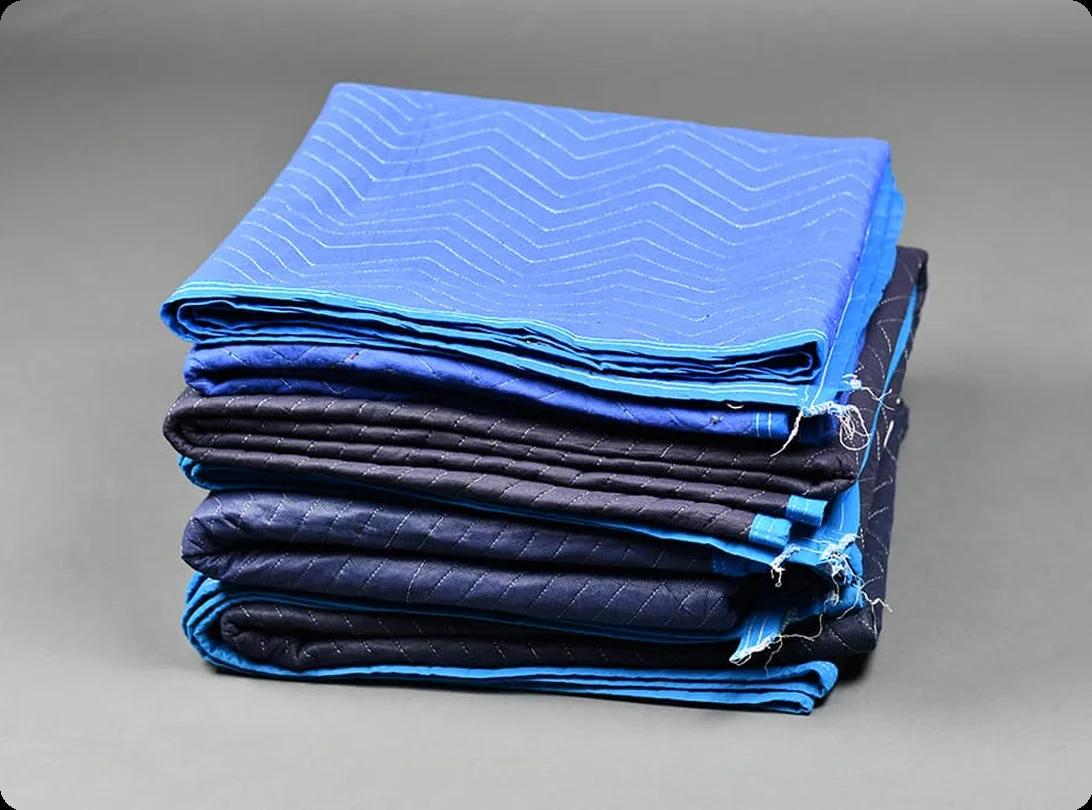
  • Moving Blankets: Great for protecting wood furniture and appliances from scratches, and your walls and floors from damage.
  • Furniture Dollies: These make moving heavy dressers, appliances, and stacks of boxes much easier and safer.
  • Box Cutter: For easily opening all those well-taped boxes once you arrive at your new home.

Don't forget basics like scissors, trash bags, cleaning supplies, and specific boxes for items you're going to donate.


Where to Get Moving Boxes

Once you know how many boxes you need, it's time to start getting them. You have a few options, each with advantages and trade-offs depending on your budget and timing.

  • Find them for free: The most budget-friendly option is to collect used boxes. Check with local grocery stores, liquor stores, and big-box retailers, as they often have plenty of empty boxes they're happy to give away. You can also look at community websites like Craigslist, Facebook Marketplace, and Nextdoor for people willing to give supplies away.
  • Buy them new: If you're short on time, buying new boxes is the most convenient choice. You can find them at home improvement stores like Lowe's and Home Depot, truck rental locations, or online. While it costs more, buying new ensures your boxes are clean, sturdy, and uniform in size.
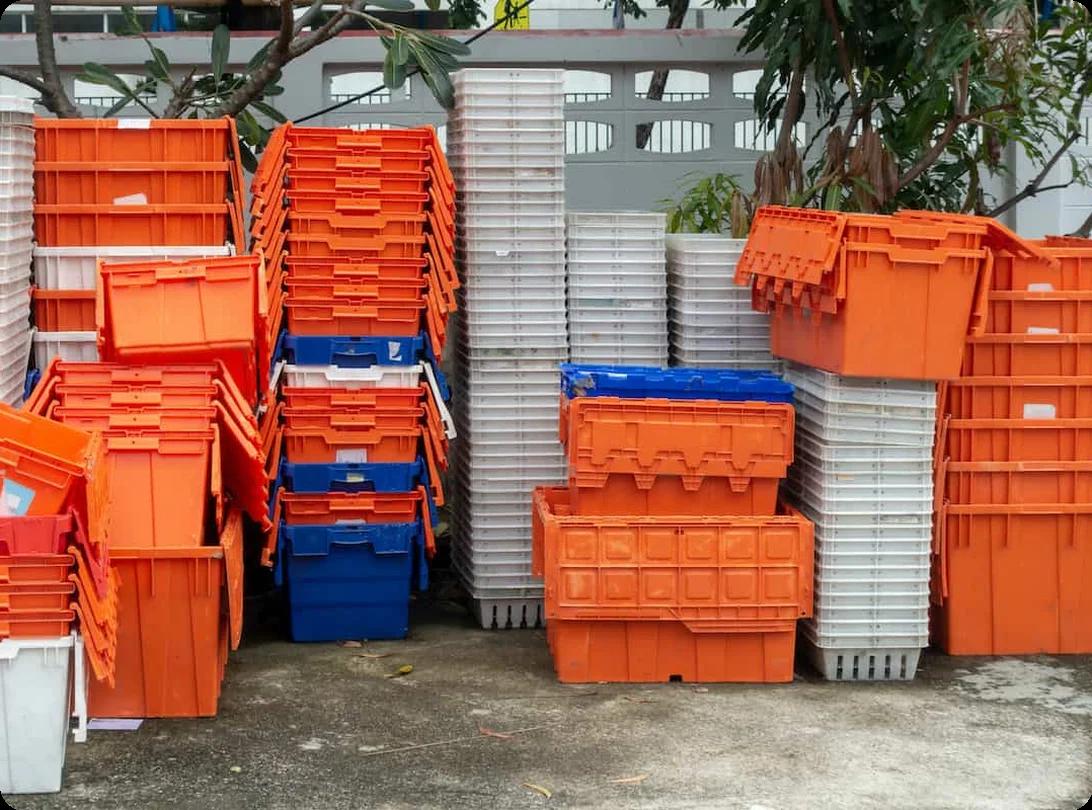
  • Rent plastic bins: For an eco-friendly alternative, consider renting plastic moving bins. These are durable, weatherproof, and require no tape. Companies typically deliver the bins to your home and pick them up from your new address when you’re finished.

Do Professional Packers Bring Their Own Boxes?

Not usually. Most full-service moving companies that also offer packing services as an add-on will not provide packing supplies, and you’ll have to source your own. However, sometimes the companies will sell supplies themselves. However, this convenience comes at an additional cost. The price of the boxes and materials will be added to your final bill.

“It's always a good idea to adda few extra boxes to your final count. They're perfect for last-minute items you forgot about, a box getting wet or damaged, or for things that don't fit anywhere else.”

HireAHelper makes it easy to find the right movers for your needs. You can compare local providers by price, reviews, and available packing services. Most companies clearly list what's covered in their rates, so you can plan ahead without worrying about surprise fees.


FAQs

Recent Articles

moving blanket furniture pad

Why You Really Need Moving Blankets (and Where to Rent or Buy Them)

Moving Supplies

Moving blankets are thick, quilted pads that protect your furniture from scratches, dents, and dirt during a move. You might feel tempted to skip them to save a few dollars, but your wooden items and delicate... Read More

Moving boxes stacked in front of a white couch

Is Buying Moving Boxes Worth It?

Moving Supplies

The short answer is yes — buying new moving boxes can help protect your belongings better. They don't have the wear and tear of used boxes, and it may be worth it to ensure your items are safeguarded during the... Read More

A side-by-side comparison of stacked cardboard moving boxes next to durable reusable plastic moving bins

Moving Boxes vs. Plastic Bins

Moving Supplies

When planning a move, you might consider using plastic bins instead of moving boxes.

Plastic bins, often called totes, are durable and reusable. This makes them a popular alternative to cardboard boxes. However,... Read More

moving boxes of different sizes and types are stacked in the middle of a room

Moving Box Sizes: The Complete Guide

Moving Supplies

Moving box sizes vary widely, and choosing and packing the right size takes some planning. Carelessly tossing all your dishes into an extra-large box spells trouble when it's time for the mover to load it, and the... Read More

A stack of new cardboard moving boxes in various sizes ready for packing

Best Place To Buy Moving Boxes in 2026: Compare Costs at U-Haul, The Home Depot, and More

Moving Supplies

The average cost of moving boxes can range from $1.00 to $10.00 per box, depending on size and type. Typically, you’ll find the cheapest options at Walmart at $1.64 for a typical medium-sized box. And if you are... Read More

a living room packed with various cardboard moving boxes

30 Places to Get Free Moving Boxes

Moving Supplies

Moving on a budget? Free moving boxes can help you cut down on moving costs, and reusing them is an easy way to help save the planet. So instead of buying all your boxes brand new (which can get pricey!), you can... Read More