Specialty Moving Box Sizes and Dimensions
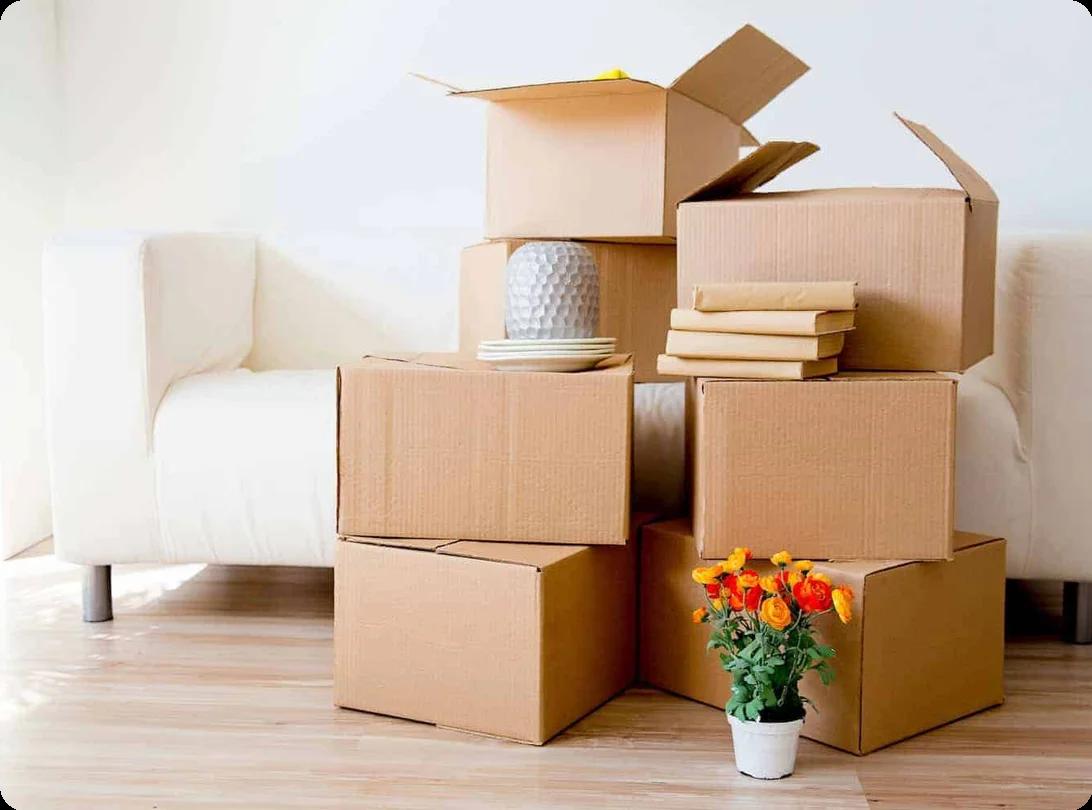
Not all moving boxes are structured the same. Some are made of corrugated cardboard for extra durability. Others have specialized sizes that make them useful specifically for one or two types of items, but they're worth having on hand.
We've broken down the main specialty moving boxes and their common dimensions below.
Wardrobe Boxes
- Dimensions: 18" x 21" x 46" to 24" x 21" x 48"
- Volume: 10 to 14 cubic feet (up to 100 pounds)
What they're for: Clothes on hangers (coats, blouses, skirts, dresses, pants, suits, etc.)
How to pack them:
- Pack a wardrobe box like you would a closet. Hang each piece of clothing on the box's horizontal metal bar.
- Use the bottom of the box for accessories like belts and shoes to maximize space and balance the weight of the box.
Alternatives: Plastic storage boxes or vacuum-sealed bags work well, especially for bulkier coats or winter garments. Or use pieces of casual clothing to cushion other delicate items in boxes.
Dish Pack Boxes
- Dimensions: 24.125" x 12" x 11"
- Volume: 1.85 cubic feet (up to 65 pounds)
What they're for: Plates, bowls, glasses, coffee mugs, other cookware
How to pack them:
- Cushion each item with bubble wrap or newspaper before packing.
- Start with the heaviest, sturdiest plates on the bottom row of the divider. Then nest similarly sized dishes vertically in each slot, and pack each section tightly so the items don't shift during transit.
- Check out this kitchen packing video playlist, our detailed guide to packing dishes, for more tips.
Alternatives: A regular small or medium moving box works in a pinch. Just make sure you label it as fragile. Fill in all gaps so the items can't move around and chip or break.
Glass Pack Boxes
- Dimensions: 18" x 18" x 28"
- Volume: 5.25 cubic feet (up to 120 pounds)
What they're for: Glasses, mugs, champagne flutes
How to pack them:
- Wrap individual items in bubble wrap or foam sheets before packing.
- Place a layer of bubble wrap across the bottom of the box for extra cushioning.
- Insert items in their designated sections in the glass pack box.
Alternatives: Use a regular small or medium moving box, and make sure there’s extra cushion between the items if you’re not using a divider.
Picture Boxes
- Dimensions: 37" x 4" x 27" to 48.25" x 4.31" x 70"
- Volume: 2.3 to 8.42 cubic feet (up to 65 pounds)
What they're for: Photographs, artwork, mirrors, plaques, other framed objects
How to pack them:
- Wrap each item in bubble wrap or a towel to protect the glass.
- Place one wrapped frame flat inside the box. If packing more than one, stack them horizontally with the heaviest on the bottom, and use dividers or padding between each to prevent damage.
- Fill in excess gaps to prevent shifting while moving.
- Got an odd-shaped frame? Follow our guide to packing odd-shaped mirrors. The same process applies to artwork and other framed items.
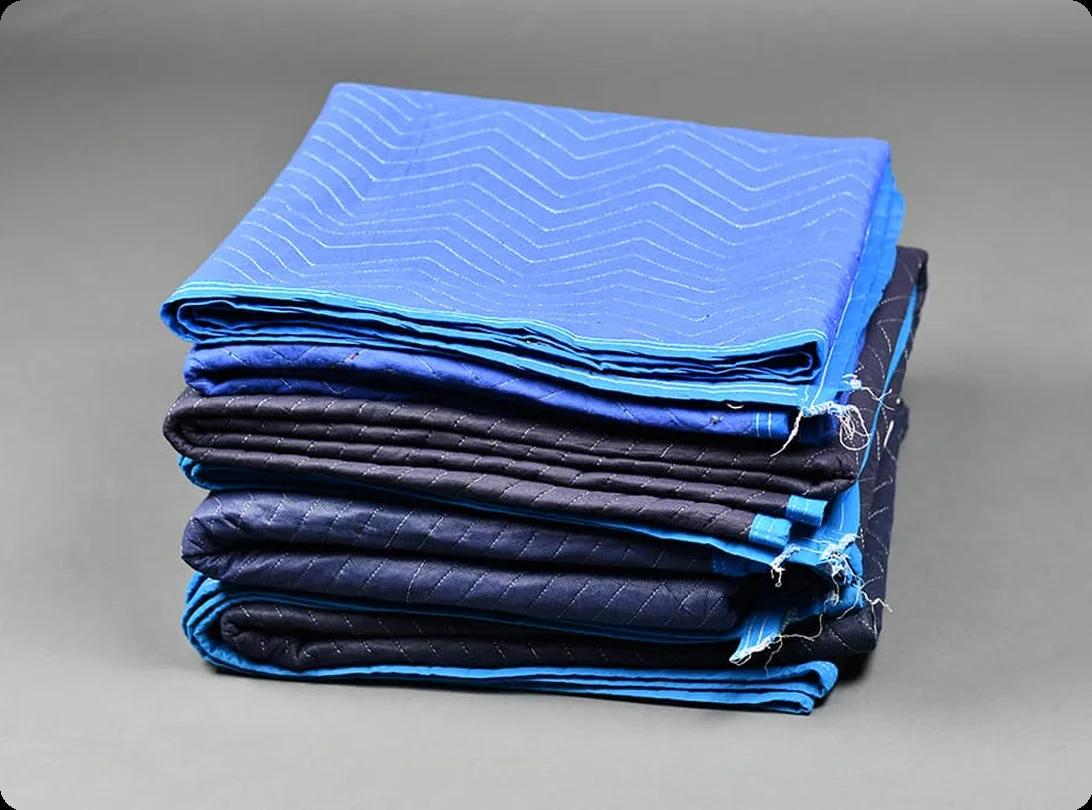
Alternatives: If you don't have boxes that fit the size or shape of your frame, wrap it in a foam sheet or bubble wrap. Use a heavy blanket to double-wrap the frame, then secure it with tape on the corners.
TV Boxes
- Dimensions: 24.5" x 6.125" x 48.75" to 48" x 6.31" x 88"
- Volume: 4.2 to 15.42 cubic feet (between 45 and 120 pounds)
What they're for: Televisions and large computer screens (between 32 and 70 inches)
How to pack them:
- Take a photo of your setup before disassembling. Then, put all cables, remotes, and accessories into a big zipper bag.
- Remove the TV's stand or wall mount.
- Wrap the screen in a foam sleeve, moving blanket, or bubble wrap to prevent scratches.
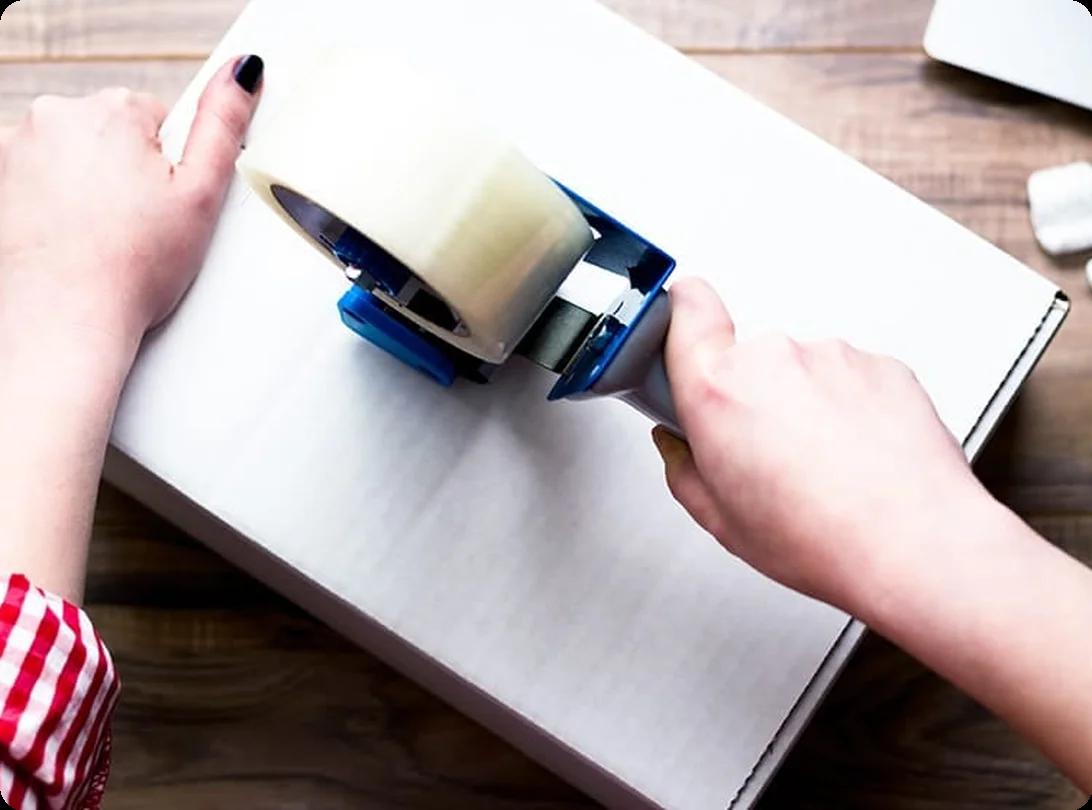
- Place the TV upright on a flat surface. Slide the first half of the box over the top of the TV, then secure it with packing tape. Avoid laying the TV flat, as this can cause internal damage.
- Use furniture pads, towels, bubble wrap, or other soft materials to fill out the gap between the screen and the box's wall.
- Slide the second half of the box onto the TV. Use packing tape to secure the sides of the box.
- Check this guide for everything you need to know about packing and moving a TV.
Alternatives: Carefully wrap the TV with a thick layer of bubble wrap. Use foam cushioning on the corners, then double-wrap the screen in a heavy blanket. Secure the blanket with moving tape. Just keep in mind, this isn't as protective as a box, so move with caution.
Electronics Boxes
- Dimensions: 20" x 20" x 12" to 24.5" x 24.5" x 27.5"
- Volume: 2.8 cubic feet to 9.55 cubic feet (between 65 and 125 pounds)
What they're for: Computers, game consoles, microwaves, stereo systems, and other electronic appliances or devices
How to pack them:
- Remove all batteries or cartridges to prevent leakage and corrosion.
- Place cables and other attachments in a zipper bag, then tape the bag to the appliance.
- Protect the device in bubble wrap, foam sleeves, blankets, or other soft material.
- Load the heaviest items on the bottom, then stack the rest on top for a tight fit to prevent shifting.
Alternatives: Because electronics are delicate (and expensive), sturdy boxes are highly recommended. If you'd rather skip them, standard 3-cubic-foot boxes or large cartons with plenty of cushioning also work.
Book Boxes
- Dimensions: 12" x 12" x 12"
- Volume: 1 cubic foot (up to 65 pounds)
What they're for: Books, board games, photo albums, small picture frames, DVD collections
How to pack them:
- Double-tape the bottom of your book boxes to reinforce them.
- Add a layer of bubble wrap across the bottom for extra cushioning.
- Sort books by size and pack books with similar dimensions together. Lay books flat with spines facing each other.
- Fill any gaps with packing paper or bubble wrap. Then seal the box with tape.
Alternatives: Any box or plastic storage bin works well. Just stick to the smaller sizes to avoid overpacking. Keep in mind that while book boxes can often hold upwards of 60 pounds, regular cardboard moving boxes aren't usually as durable.
Plastic Storage Bins and Totes
What they're for: Cleaning products, office supplies, bathroom items, towels, linens, curtains, tools, miscellaneous accessories
How to pack them:
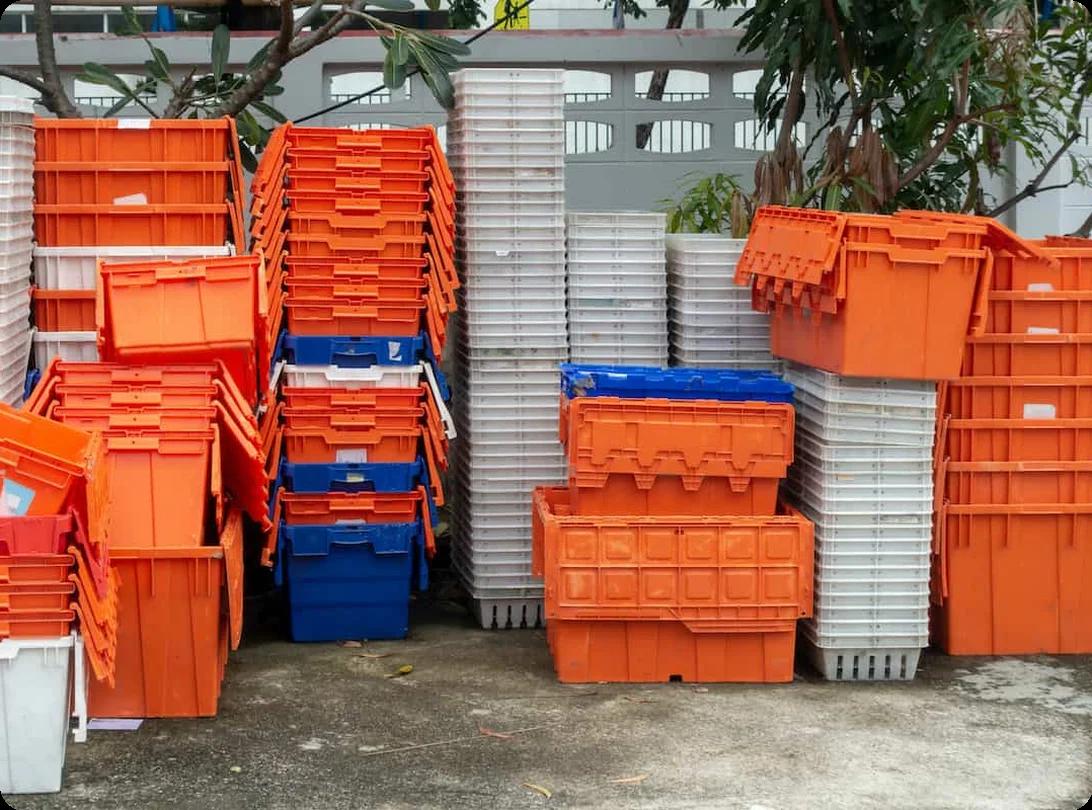
- Plastic bins are durable and reusable, making them ideal for items you’d typically store in them post-move, like cleaning products or bathroom supplies. Just make sure to cushion the contents and seal any liquids in plastic bags to prevent spills or breakage.
- Fold towels and linens and place them on the bottom. Arrange other items on top tightly to avoid excess room that allows for movement.
- Reinforce the bin's lid with moving tape.
Alternatives: Any kind of organizational container can usually substitute for a plastic storage bin. Metal or wood crates, wire baskets, and even spare suitcases, backpacks, or gym bags often fit these items just fine. In a pinch, you can leave lightweight items in your dresser or desk drawers and shrink wrap them shut, although this will make the larger item heavier to lift, so proceed with caution.
Plastic bins come in a wide range of sizes, making them incredibly versatile during a move. Whether you need something small to contain miscellaneous craft or office supplies or you want something large for holiday decorations, you can find a plastic bin that fits. Check out common volumes and their typical dimensions below.
Plastic Storage Bin Size Chart
| Plastic Bin Size | Volume | Typical Dimensions (Height x Width x Depth) |
|---|
| Small | 5 gallons | 9.9" x 13.2" x 17.63" 8.9" x 12.5" x 17.1" 8.6" x 12.3" x 16.4" |
| Medium | 12-20 gallons | 12.5" x 22" x 16.3" (12 gallon) 12.5" x 26.9" x 18" (17 gallon) 16.25" x 17.5" x 23.75" (20 gallon) |
| Large | 20-40 gallons | 15.75" x 18.25" x 23" (20 gallon) 16.09" x 21.92" x 32.42" (30 gallon) 16.4" x 22" x 38.2" (40 gallon) |
| Extra Large | 40-75 gallons | 18" x 21.37" x 36.75" (40 gallon) 23.2" x 21.1" x 46.5" (64 gallon) 22.52" x 23.71" x 46" (75 gallon) |



.png&w=64&q=75) Kevin The MoverSep 1, 2026
Kevin The MoverSep 1, 2026