Room-by-Room Packing Guide
The easiest way to pack is to go room by room, and the easiest way to do that is to start with the spaces you use least, then work toward the rooms you rely on every day. That usually means storage areas and guest spaces first, with kitchens, bathrooms, and daily clothing saved for the final stretch.
A practical order looks like this:
- Storage areas, garage, basement, and attic
- Guest rooms, decor, books, and hobby items
- Dining room and low-use kitchen items
- Living room electronics, shelves, and lamps
- Bedrooms and closets
- Kitchen, bathroom, and everyday essentials
Kitchen
The kitchen is usually one of the hardest rooms to pack because it has fragile dishes, sharp tools, heavy cookware, food, liquids, and appliances you may still need until close to moving day. Start with serving pieces, specialty pans, extra pantry items, and anything you only use once in a while. Save your coffee setup, a few dishes, daily cookware, and basic utensils for last.
A few kitchen packing tips:
- Use smaller boxes for dishes, cans, cookbooks, and cookware so they don’t get too heavy.
- Wrap plates, glasses, mugs, and stemware individually before boxing them.
- Pack knives separately and label the box clearly so nobody reaches in blindly.
- Put liquids in sealed bags before they go in a box.
- Toss expired food before you start packing pantry shelves.
Helpful kitchen packing guides:
Bedroom and Closet
Bedrooms and closets are easier to pack in waves because they include a mix of daily essentials and things you may not touch for weeks. Start with out-of-season clothes, spare bedding, extra shoes, jewelry, accessories, decor, and anything stored under the bed. Save your daily clothes, sleep setup, and medications for the final days.
A few bedroom and closet packing tips:
- Use wardrobe boxes for hanging clothes that wrinkle easily or are hard to fold.
- Pack a small suitcase with the clothes and toiletries you’ll need during the move.
- Keep jewelry, important documents, and valuables with you.
- Use towels, sheets, and soft clothing to cushion lightweight, fragile items.
- Protect mattresses with a mattress bag before moving day.
Helpful bedroom and closet packing guides:
Living Room
Living rooms can take more time than expected because they often include electronics, lamps, framed photos, and sentimental items. Start with books, decor, extra blankets, and anything displayed but not used daily. Save TVs, remotes, chargers, and other daily-use electronics until closer to the move.
A few living room packing tips:
- Take photos of TV and entertainment center wiring before unplugging anything. That way, you know how you set it up before and can do the same in your new home.
- Use original boxes for electronics if you still have them.
- Pack books in small boxes so they stay manageable to lift.
- Wrap lampshades separately from lamp bases.
- Move photo albums, heirlooms, and anything irreplaceable yourself when possible.
Helpful living room packing guides:
Bathroom
Bathrooms are usually packed near the end because you still need toiletries, towels, medicine, and cleaning supplies right up until moving day. Start with extra towels, unopened products, hair tools you rarely use, and anything stored under the sink. Save daily toiletries, prescriptions, toilet paper, shower basics, and hand soap for your essentials bag.
A few bathroom packing tips:
- Toss expired medicine, old makeup, empty bottles, and products you don’t use.
- Bag liquids before boxing them so leaks don’t ruin towels or paper goods.
- Keep prescriptions, glasses, contacts, and medical supplies with you.
- Pack one towel per person somewhere easy to reach.
- Leave out basic cleaning supplies until the final walkthrough.
Helpful bathroom packing guides:
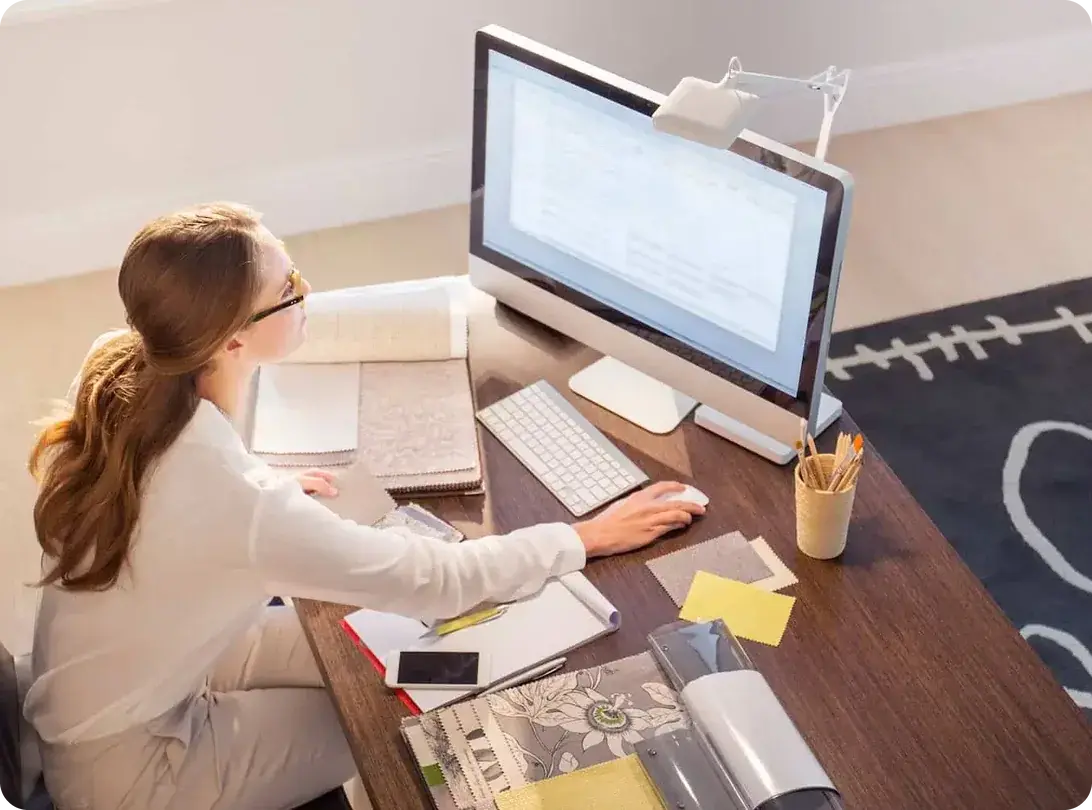
Home Office
A home office needs a little extra planning because it can include items you use every day and want to keep especially safe, like work equipment, monitors, files, cords, office furniture, and sensitive paperwork. Start with decor, books, extra office supplies, archived files, and anything you don’t need for daily work. Save your main computer setup, chargers, current paperwork, and work bag for the final days.
A few home office packing tips:
- Back up your computer before packing it.
- Take photos of cord setups before unplugging monitors, printers, routers, or docking stations so you know how to arrange everything in your new home.
- Use small bags for cords, screws, and desk hardware.
- Keep tax records, legal documents, passports, and sensitive files with you.
- Wrap monitors and electronics carefully, and label those boxes as fragile.
Helpful home office packing guides:
Dining Room
Dining rooms often hold the items people worry about most: china, serving dishes, stemware, candles, table linens, framed art, hutches, and inherited pieces. Start with special-occasion dishes, decor, extra linens, and anything in a buffet, bar cart, or china cabinet. Save anything you still need for meals in the final week.
A few dining room packing tips:
- Wrap china, serving bowls, and glassware individually.
- Use dish boxes or dividers for delicate pieces when you can.
- Pack table linens around fragile items or in their own clearly labeled box.
- Empty hutches, buffets, and bar carts before anyone tries to move them. They’ll be lighter and easier to handle.
- Keep sentimental or high-value pieces with you if you’d be upset to lose them.
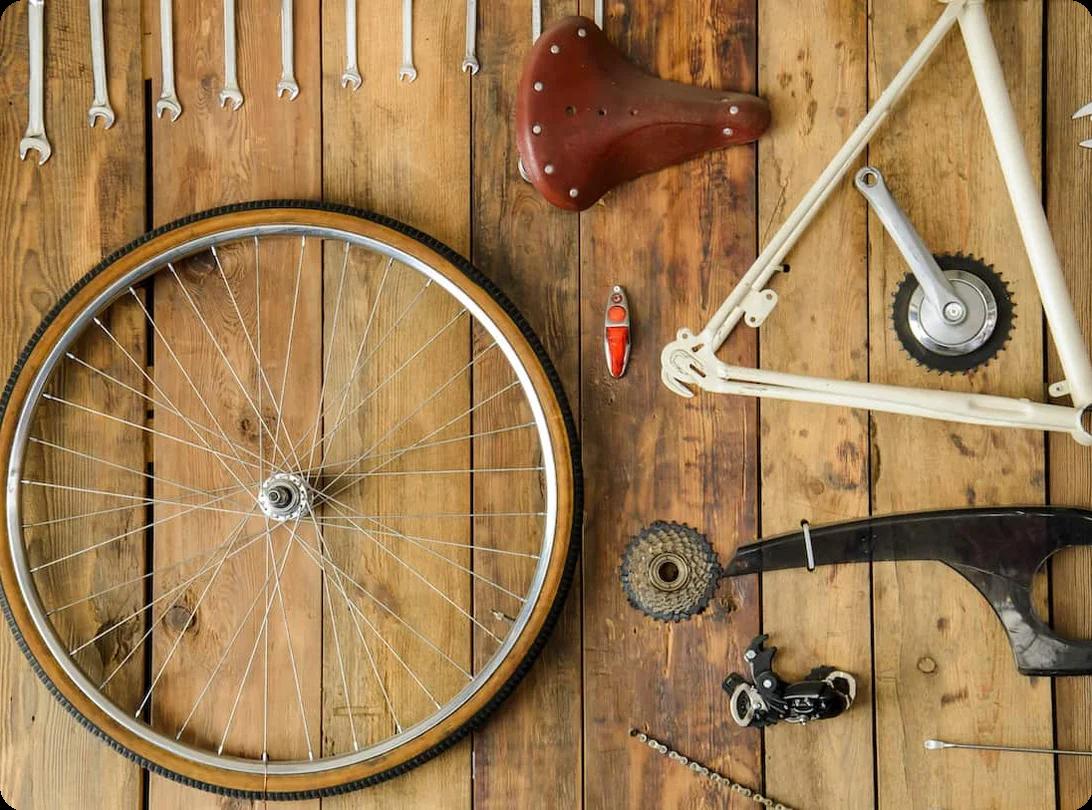
Garage and Outdoor
Garages and outdoor areas should be packed early because they often include things you don’t use daily. Plus, bulky gear, sharp tools, lawn equipment, bikes, plants, chemicals, and items movers may not be able to take need some extra time to sort through. Start by deciding what can be packed, donated, emptied, recycled, or safely disposed of. Save basic tools, cleaning supplies, and anything you’ll need for final home repairs until the end.
A few garage and outdoor packing tips:
- Drain fuel from gas-powered tools before moving day.
- Bundle long-handled tools together so they’re easier to carry.
- Clean bikes, garden tools, planters, and outdoor furniture before loading them.
- Keep paint, propane, pool chemicals, fertilizers, and other hazardous items off the moving truck.
- Plan separately for plants, especially if you’re moving long distance.
Helpful garage and outdoor packing guides:


 Karen BodkinAug 28, 2026