The Stuff That's Illegal to Bring Into Texas

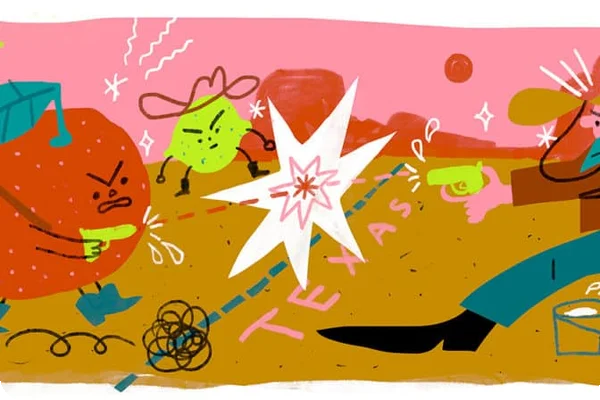
An illustration of a cowboy revolver facing off with an orange at the Texas state border

Thinking about moving to Texas? You’re not alone! According to our latest Migration Report, the Lone Star State ranked as the second most popular relocation destination in the country, accounting for 12.2% of U.S. moves in 2024. That’s a lot of people packing up and heading south.

But before you pack your bags, too, it’s worth knowing that crossing state lines into Texas with certain items can land you in legal hot water. That doesn’t mean those items are necessarily illegal to own in Texas. It just means bringing them into the state from elsewhere might break a few rules. Some of these laws are in place to protect local agriculture, wildlife, and public safety, and they often apply whether you’re moving cross-country or just passing through.

In this guide, we’ll walk you through the laws to know when moving to Texas, including what you can’t bring, what needs declaring, and what to check if you’re making Texas your new home.


Last updated: Jul 11, 20257 min read
Kevin The Mover
Written byKevin The Mover
Sindi Webster
Reviewed bySindi Webster

Key Takeaways

  • Citrus is strictly banned – the Texas Department of Agriculture blocks citrus plants and fruit from infested states like Florida and California to protect local crops
  • Some fruits and vegetables are restricted – apples, peaches, plums, and root vegetables may need inspection or be banned outright depending on origin
  • Houseplants and firewood require certification – uncertified houseplants and untreated firewood are top pathways for invasive pests, so they get extra scrutiny
  • Pets need vaccinations and a CVI – dogs and cats over 12 weeks must be vaccinated against rabies and certified by a vet before crossing into Texas
  • Declare your booze – Texas caps personal alcohol imports at 1 gal liquor, 3 gal wine, and 24 cans of beer per adult without a TABC permit
Sindi Webster
Author

Sindi Webster

Sindi Webster is the Senior Sales Manager for Moving at Porch Moving Group, where she leads the team that helps customers find the right help for their move. Her focus is the quote-to-booking stretch — making sure customers get accurate pricing up front and get matched with the providers best suited to the job.

Sindi has spent seven years in the moving industry and has supported more than 200,000 moves, with deep experience coordinating local labor — loading, unloading, and transportation services nationwide. She brings that perspective to HireAHelper content, helping make sure what readers find here reflects how quoting and booking actually work.

Citrus Plants

a stylized illustration of a cowboy revolver deuling an orange at the Texas border

Love a backyard orange tree or a potted lemon bush? Before you dream of sipping homegrown orange juice on your new deck, you’ll want to check the rules about bringing citrus plants into Texas. It’s unlawful to enter Texas with citrus plants unless they meet specific inspection and certification standards, and even then, there are restrictions.

Why? Texas has a major citrus industry to protect. Diseases like citrus greening and pests like the Asian citrus psyllid can easily hitch a ride on seemingly healthy plants. To guard against crop loss, the Texas Department of Agriculture prohibits the entry of citrus plants from certain states, especially those with known infestations, like Florida and California.

Even if your plant looks fine, you’ll still need to check the USDA’s quarantine zones and obtain certification from your state’s agriculture department before transport. When in doubt, leave citrus behind or buy new ones from a certified Texas nursery once you’ve settled in.

Some Other Fruits and Vegetables

It’s not just citrus you need to worry about when moving to Texas. Plenty of other fruits and vegetables are restricted or outright banned from crossing the state border, depending on where you're coming from. These rules are in place to stop the spread of invasive pests and plant diseases that could devastate local crops.

"While the state has reciprocity agreements with many others, not all out-of-state firearm licenses are recognized. In most cases, you’ll be required to update your firearm licensure if you plan to carry."

For example, apples, apricots, nectarines, peaches, and plums from certain states are restricted if they come with leaves or stems attached. Root vegetables like garlic, onions, and ginger may also be subject to inspection, especially if they haven’t been commercially packaged or treated. Even homegrown produce from your backyard garden can be flagged if you’re traveling through or into Texas with it.

Bringing something in from your garden might not feel like a big deal. However, if you're moving to Texas, things like pests and fungi can hitch a ride in ways that aren’t obvious. It’s safer and often easier to leave it behind if at all possible.

Uncertified Houseplants

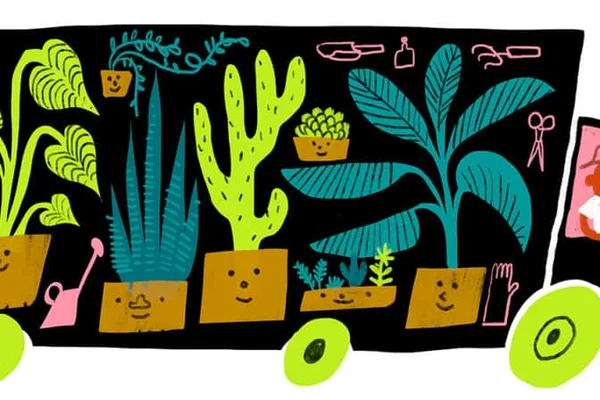
A stylized illustration depicting an x-ray view of a moving truck carrying all kinds of plants

That potted ficus or spider plant on your windowsill may seem harmless, but if it’s coming across state lines, it might not make the trip legally. Texas requires certain houseplants to be inspected and certified before they can enter the state, especially if they’ve been grown outdoors or in areas known for agricultural pests.

What’s the concern? Soil, leaves, and even plant containers can carry harmful insects, fungi, or diseases that aren’t visible to the naked eye. Plants grown entirely indoors and in sterile, soil-free potting mix are usually safe to bring, especially if they were purchased from a certified nursery.

Tip: To avoid delays or confiscation at the border, check with your local Department of Agriculture before loading up the moving truck. When in doubt, repot your plants with clean soil and ditch the dirt.

Firewood

Bringing your firewood might sound like a cozy idea, especially if you’ve got a stash of seasoned wood from your backyard. However, the legal transit of firewood is another important thing to know before moving to Texas.

Firewood is one of the easiest ways for invasive pests to spread, especially wood-boring insects like the emerald ash borer or gypsy moth. Even if your logs look clean, they could be carrying larvae or fungi that pose a serious threat to Texas forests.

That’s why transporting untreated firewood across state lines is heavily regulated. In many cases, it's completely prohibited unless the wood has been heat-treated and certified pest-free. Some states issue stamps or tags to confirm this certification, and Texas may require those documents at entry points or during inspections.

The safest bet? Don’t move firewood. Instead, buy what you need locally once you arrive in Texas. It’s a simple way to protect your new community and avoid fines.

Unvaccinated or Unleashed Dogs and Cats

A stylized image of a fluffy white dog getting pampered

Bringing your pets along on your big move? Great, but make sure they’re up to date on their vaccinations and properly restrained during transit. The Texas Department of State Health Services requires all dogs and cats over 12 weeks old to be vaccinated against rabies before entering the state.

If you’re driving into Texas, law enforcement or animal control officers have the authority to check documentation if they have reason to believe an animal hasn’t been vaccinated. If you’re flying, most airlines won’t allow pets on board without proof of rabies vaccination anyway.

In addition to health regulations, pets must be properly leashed or crated while in public spaces, including rest stops and parks. Texas has leash laws in place to protect both animals and people. Violating them can result in fines, even if your dog is well-behaved.

To avoid stress on the road and at your destination, double-check your pet's vaccination records, keep them secured while traveling, and look into local ordinances for your new city or county once you arrive.

Undeclared Alcohol

If you’re packing up your wine rack or liquor cabinet for the move, be aware that Texas has strict rules about alcohol imports, especially if you’re bringing in more than a personal amount. While you can legally transport alcohol for personal use, you must declare it if you’re crossing the state line with large quantities.

"To guard against crop loss, the Texas Department of Agriculture prohibits the entry of citrus plants from certain states, especially those with known infestations, like Florida and California."

Texas law limits personal imports to 1 gallon of liquor, 3 gallons of wine, and 24 12-ounce cans of beer per adult without a permit. Anything over those limits technically requires a permit from the Texas Alcoholic Beverage Commission (TABC). If you fail to declare it and get caught, your alcohol could be confiscated, and you may be fined.

If you’re using movers, it’s also important to note that many moving companies in Texas won’t transport alcohol at all. To stay compliant, plan to bring your bottles yourself, and know the rules beforehand.


Other Rules and Laws to Check If You’re Moving to Texas

There are plenty of lesser-known legal details that can trip up newcomers, so it’s worth reviewing a few more things before moving to Texas. These aren’t about what you can bring across the border, but rather what you’ll need to do once you arrive.

Firearm Licensure Requirements

If you're a gun owner, you’ll need to check how your existing permits stack up in Texas. While the state has reciprocity agreements with many others, not all out-of-state firearm licenses are recognized. In most cases, you’ll be required to update your firearm licensure if you plan to carry. Texas also has specific storage and transportation laws that vary from those in other states.

Upcoming THC and Cannabis Restrictions

Even if moving to Texas from a state where recreational marijuana is legal, keep in mind that Texas laws are very different. Recreational cannabis is illegal in Texas, and recent legislation aims to crack down on hemp-derived THC products like Delta-8 and Delta-9. These items may be legal where you're coming from, but bringing them into Texas could put you at risk.

Relocating a Business? Know the Requirements

If you run a business and plan to bring it with you, be prepared to register your business with the State of Texas. Requirements can vary depending on your industry and location, but you’ll likely need to file with the Secretary of State, register for taxes, and obtain local permits or licenses.

Texas Driver's License and Car Registration

Handling your vehicle documentation is a key part of relocating. Here’s what you need to know about moving to Texas regarding car registration and licenses:

  • You have 90 days to update your driver’s license once you become a Texas resident.
  • Before you can register your vehicle, it must pass a state inspection at a licensed Texas inspection station.
  • Texas has its own vehicle insurance minimums: $30,000 for bodily injury per person, $60,000 per accident, and $25,000 for property damage.
  • Once inspected and insured, you can register your car with the Texas Department of Motor Vehicles and get your new plates.

It’s also a good idea to carry proof of insurance and residency documents with you until all updates are complete. Delaying these steps could lead to fines, denied insurance claims, or other legal headaches.


Final Thoughts

Relocating to Texas is exciting, but before you hit the road, it’s smart to double-check the rules. If you’re still organizing your move, consider hiring experienced Service Providers through HireAHelper’s marketplace. We make it easy to compare prices, read real customer reviews, and book local movers in Texas, from Dallas to San Antonio and everywhere in between.

Want help packing the right way? Explore our tips for packing help or check out our full library of moving guides. The more you know now, the smoother your Texas move will be.

Recent Articles

snowbird move

The Ultimate Moving Guide for Snowbirds

Long Distance

You might love your northern home during the warmer months of the year, but when snow starts piling up, would you rather be somewhere else? Snowbirds refers to those people who tend to shy away from colder... Read More

A moving truck travels south on a highway approaching the Florida border under a bright sky

The Stuff That's Illegal To Bring Into Florida

Long Distance

You may have heard the jokes about how anything goes in Florida. Despite being portrayed as a lawless state by popular culture, Florida has some strict regulations, particularly when transporting items during a... Read More

An aerial of Downtown Charlotte, North Carolina, USA

Moving from Greensboro to Charlotte: What to Know and How Much it Costs

Long Distance

A lot of people make the jump from Greensboro to Charlotte for work, school, or a new pace of life. In fact, Charlotte attracted 163,096 movers in the past year, making it the top destination in North Carolina for... Read More

Austin Texas Skyline at Morning Golden Hour

Moving from Houston to Austin: What to Know and How Much it Costs

Long Distance

A lot of people in Texas relocate to other cities within the state, and the move from Houston to Austin is a popular one. Some make the jump for work or school, others want more time outside and a smaller-city feel.... Read More

an illustration depicting a line of cars driving through a winding mountain road. The front of the line is stopped at a scanner while a policewoman directs traffic through.

The Stuff That’s Illegal To Bring Into Colorado

Long Distance

Thinking about moving? You’re not alone. Our 2024-2025 Millennial Study shows that 7.7 million millennials moved in 2024, and Colorado had the highest migration rate of this age group relative to the total moving... Read More