Are Storage Units Safe

a woman unlocks the padlock on her storage unit.

Yes, most storage units are safe, especially modern facilities with strong security features. These include things like gated access at the property entrance, security cameras, and controlled entry systems that manage who can access the facility and when. Still, common concerns about theft, fire, water damage, and pests give many people pause when renting a unit.

In this guide, we’ll break down exactly what makes a storage facility secure so you can use it with confidence. We’ll also cover what risks you should be aware of and how to choose the right facility.


Last updated: Jan 30, 20267 min read
Melanie Morris
Written byMelanie Morris

Key Takeaways

  • Most modern storage facilities are safe, with gated access, security cameras, controlled entry, and on-site management protecting your belongings
  • Climate-controlled units add extra protection for paper, electronics, wood furniture, and anything affected by humidity or temperature swings
  • Common risks (theft, fire, water, pests) are rare and largely preventable with the right facility and your own precautions
  • Compare facilities on lighting, lock standards, fencing, monitoring, insurance options, and reviews before committing to a rental
  • Use a high-quality disc lock (much harder to cut than padlocks), avoid storing valuables, and document what's inside for insurance purposes
Thomas O'Sullivan
Author

Thomas O'Sullivan

Thomas O'Sullivan is the Senior Manager of Service Operations at Porch Moving Group, where he oversees the post-booking customer experience for HireAHelper. His expertise is the part of a move most people never see — the logistics, coordination, and accountability that turn a booking into a finished move.

Thomas has spent six years in the moving and relocation industry, starting in corporate relocation and long-distance logistics before stepping into his current role. He's supported more than 130,000 moves across local labor, full-service, commercial, and long-distance work — experience he draws on to make sure HireAHelper content reflects how moves actually go.

Understanding Storage Unit Security Features

The safety of a storage unit depends largely on its security features, starting with physical defenses. Most reputable locations use a mix of tall fencing and bright lighting. They also have a gated entry to keep unwanted visitors out. Modern facilities typically rely on digital tools like 24-hour cameras and alarm systems to provide extra layers of protection, too.

Access Control and Surveillance Work Together

Electronic gate codes are your first line of defense. When you rent a unit, you usually get a unique PIN that lets you through the main gate. This system tracks exactly who enters and exits the property and at what time.

This works in conjunction with security cameras that act as a second set of eyes across the entire property. Many facilities place these cameras at entry points, hallways, and loading docks. If anything out of the ordinary happens, the recorded footage provides a clear record for the managers to use when investigating.

On-Site Staffing and Patrols Add a Human Layer of Security

On-site staff and security patrols help deter unauthorized access and catch issues early, such as unlatched doors. Their presence alone shows that the business is well-managed and that someone is paying close attention to the units.

“[We] recommend keeping a detailed inventory and taking photos of your unit once it’s packed. That way, you have easily referable documents to give to the storage unit staff and your insurance company in case an incident does occur.”

Some facilities even have staff who live on-site to patrol after hours. These patrols look for suspicious activity during the night when the facility is closed to the public, so you can be sure that even during typical off-hours, someone is keeping an eye on your belongings.

Perimeter and Unit Door Security Prevent Unauthorized Access

Strong perimeter and unit-level security make it much harder for unauthorized people to reach your belongings. Look for facilities with tall, sturdy fencing that circles the entire property, and ensure there are no gaps or easy climbing points. A fence combined with a heavy-duty gate allows only customers and staff to access the storage area.

For the unit itself, many modern buildings use individual door alarms. If someone tries to force your unit door open, an alarm will notify facility managers immediately.


Types of Storage Unit Environments

The type of storage unit you choose plays a direct role in how well your items are protected. You can pick between indoor or outdoor units, standard or climate-controlled spaces, and a variety of sizes. Each option offers different levels of protection from people, animals, and weather.

Indoor vs Outdoor Units and How They Affect Security

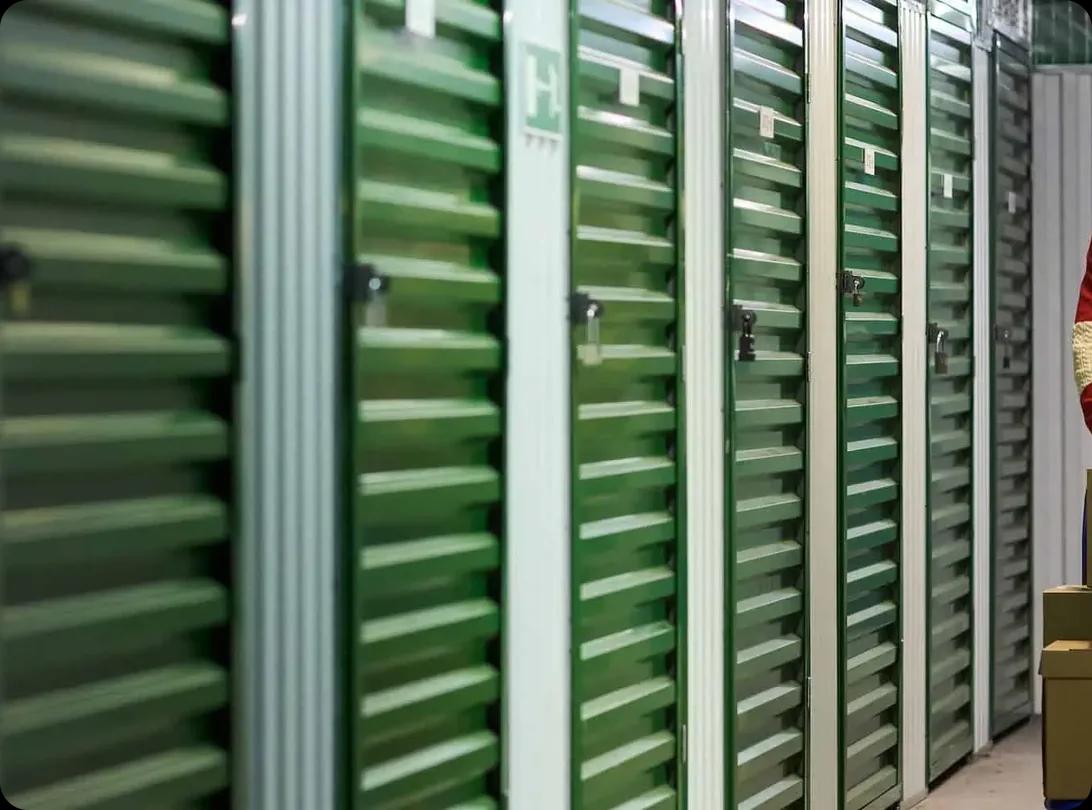
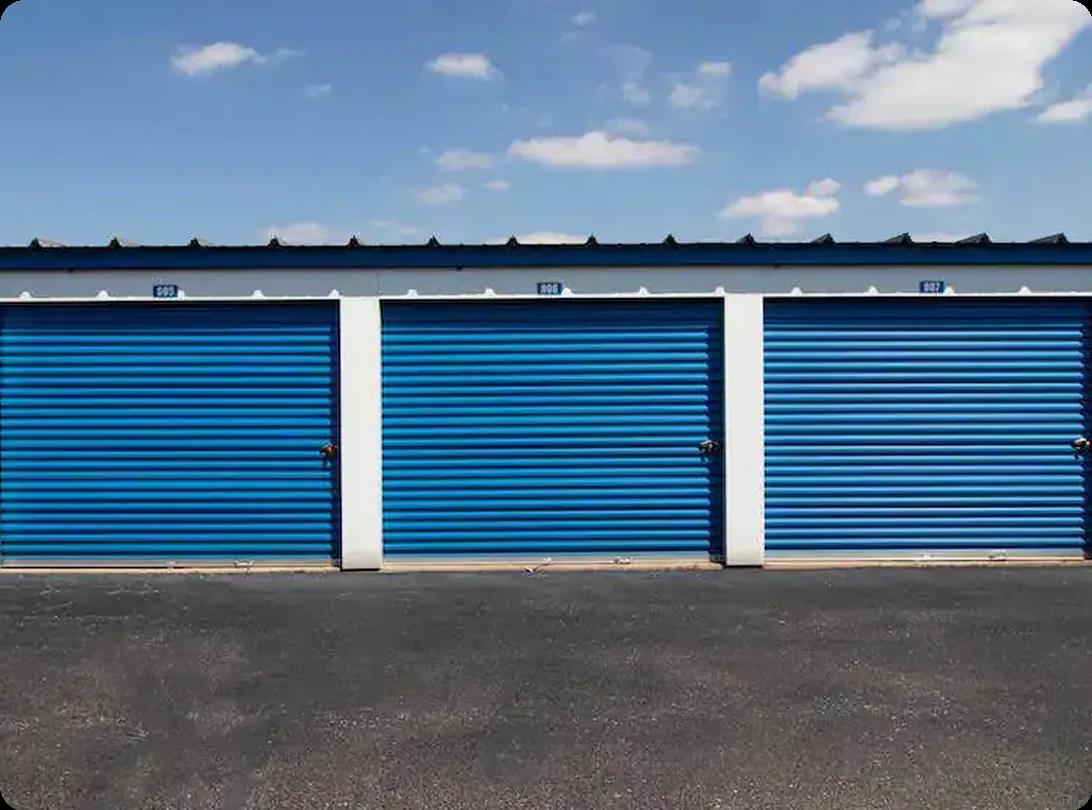
Indoor units are located inside a building and are reached through a hallway. They offer better security because you have to pass through the main door before reaching your unit, and usually some other security checkpoints, too. Outdoor units allow you to drive your truck right up to the door, but may expose items to changing conditions and give easier access to anyone after your things.

TypeProsCons
Indoor
  • Better weather protection
  • Added security
  • Less convenient access
  • Limited hours
Outdoor
  • Easy to load and unload directly
  • Flexible access
  • Greater exposure to elements
  • Less privacy while loading

Standard vs Climate-Controlled Units and When Extra Protection Matters

Standard units work fine for everyday items, but climate-controlled storage units stay within a specific temperature and humidity range. This helps protect wood furniture, electronics, and other sensitive items. It also prevents warping, mold, or damage caused by extreme conditions.

TypeProsCons
Standard
  • Lower cost
  • Good for durable items
  • Vulnerable to heat, cold, and moisture
Climate-Controlled
  • Protects sensitive items
  • Stable environment
  • Higher price
  • Limited availability

Benefits of Secure Self Storage

Secure self-storage provides protection, convenience, and peace of mind beyond just extra space. Those benefits typically show up in a few key ways, including how facilities protect items, handle risk, and make access easier for customers.

  • Enhanced protection: Secure facilities use cameras, gated access, and strong locks to keep items safe and help prevent theft or damage.
  • Insurance options: Most reputable storage locations offer or require insurance plans to provide a safety net if an unexpected incident occurs.
  • Convenience and flexible access: Many sites offer gate access from early morning until late at night, often 7 days a week, so you can visit your unit on your own schedule.
  • Peace of mind: Secure locks and camera monitoring help you focus on your move without worrying about your stored belongings.

Potential Risks and Limitations of Storage Units

No storage unit is completely risk-free, but most common issues are easy to manage with the right precautions. Here are some of the dangers and how to best avoid them:

  • Break-ins: While rare, break-ins can happen. Choosing a facility with cameras, gated access, and strong locks prevents theft and keeps your items more secure.
  • Water or fire damage: Natural events or accidents may cause damage. Make sure to check your insurance plan and store items off the floor using waterproof bins.
  • Pest infestations: Bugs and rodents are attracted to cardboard, dampness, and food. Good facilities use professional pest control. You can help by using plastic bins and never storing food or perishable items inside your unit.
  • Downtime: Sometimes gates fail or office hours change, which can block your access. Check recent reviews to see if other customers mention frequent gate issues or unexpected closures.

While these risks exist, taking the time to choose a top-rated facility significantly lowers your chances of a problem. Time taken to do some research now will save you a lot of trouble later.


Compare Storage Facilities: What to Look For

Before renting a storage unit, it’s best to compare storage facilities carefully to help you avoid security gaps and unexpected problems later. Use the following table for key criteria:

CriteriaWhat to Look For
Security features
  • Look for 24-hour video recording and a gated entrance with unique PIN codes.
  • Bright LED lighting in every hallway and around the exterior of the building.
Customer reviews
  • Read recent feedback to see how staff handle issues.
  • Look for mentions of cleanliness and safety.
  • Avoid places where customers frequently complain about broken gates or unresponsive management.
Pricing transparency
  • Choose facilities that list all costs upfront. These should include administrative fees and security deposits.
  • Ensure the monthly rate is clear so you don’t face unexpected price hikes a few months after moving in.
Access policies
  • Check if the gate hours fit your schedule, especially if you need to visit early or late.
  • Confirm if they allow 7-day access and how they handle entry for third-party moving companies.
Insurance offerings
  • Ask if the facility requires insurance and what the monthly cost will be.
  • Make sure that plans cover theft, fire, and water damage to give you extra protection.

What You Can Do to Keep Your Belongings Safe in Storage Units

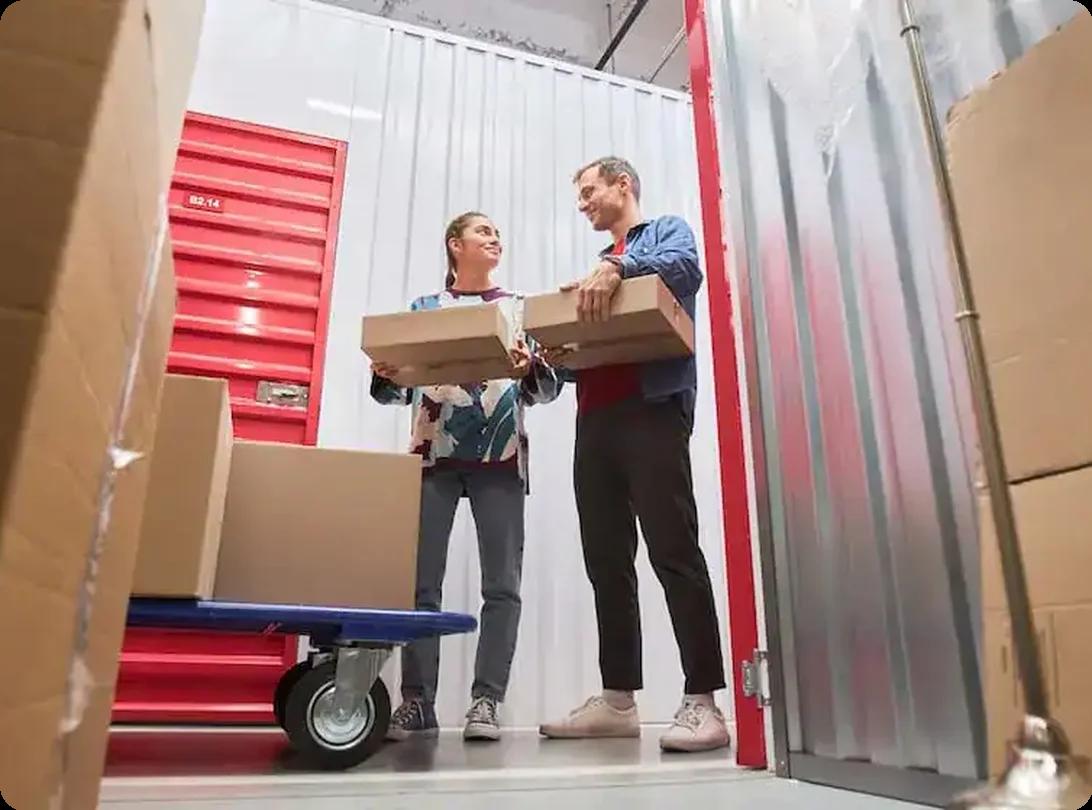
Your actions play a major role in how safe your items are while in storage. For example, using high-quality disc locks. These are much harder to cut than standard padlocks. We also recommend keeping a detailed inventory and taking photos of your unit once it’s packed. That way, you have easily referable documents to give to the storage unit staff and your insurance company in case an incident does occur.

In some cases, moving company coverage may even include short-term storage. However, be sure to ask about this service upfront. HireAHelper’s platform makes it simple to get in touch with local movers who can assist with packing, loading, and securing items inside your unit.


Frequently Asked Questions

Recent Articles

Person accessing storage unit

Self-Storage Security Solutions and Tips

Storage Units

When you're putting your stuff in storage, your primary concern might be getting everything to fit inside. But you should also pay attention to another important part of your unit: security. Storage units get... Read More

a person locks up their storage unit

Will Movers Go to a Storage Unit?

Storage Units

The short answer: it depends. While yes, many movers can go to a storage unit, not all will, and it typically comes down to the company and service type you choose. Movers are no strangers to loading into or out of... Read More

A row of yellow self-storage unit doors lined up under a bright blue sky

Top 10 Things to Ask Your Self-Storage Facility Before Leasing

Storage Units

You're looking for a self-storage unit and have an idea of the size you need, but that’s not all you need to know when renting one. From hidden fees and pest control to security measures and climate options, what... Read More

storage unit

Storage Unit Size Guide: How Big Does My Storage Unit Need to Be?

Storage Units

Estimating what size storage unit you need can be confusing, especially if you want room for everything in your house. Your stuff fits a completely different space than you're used to when it's all boxed and stacked... Read More

A row of self-storage units with blue doors

Storage Insurance: Cost, Coverage, and Convenience

Storage Units

When you place your belongings in a storage unit, you expect them to be safe until you need them again. But, sometimes accidents happen. Fires, theft, or even severe weather can damage what you have in a storage... Read More

Packed storage unit containing containers, boxes, and furniture

How to Store Furniture in a Storage Unit

Storage Units

If you're putting your stuff in storage while you're moving or renovating, knowing how to store furniture in a storage unit is a must. Even your sturdiest pieces can be vulnerable to things like moisture and pests... Read More