Understanding Storage Unit Options
Size isn't the only thing to consider when you're picking out a storage unit. It's also important to think about climate control and whether you need an indoor or outdoor unit.
Indoor vs. Outdoor Storage Units
Indoor units have doors that open inside a building, so you don't have to worry about the weather. Some facilities allow you to drive right in. For others, you'll need to load your stuff onto a cart and bring it inside.
Pros of indoor units:
- Better moisture and humidity protection
- Enhanced security
Cons of indoor units:
- Higher price
- Limited accessibility
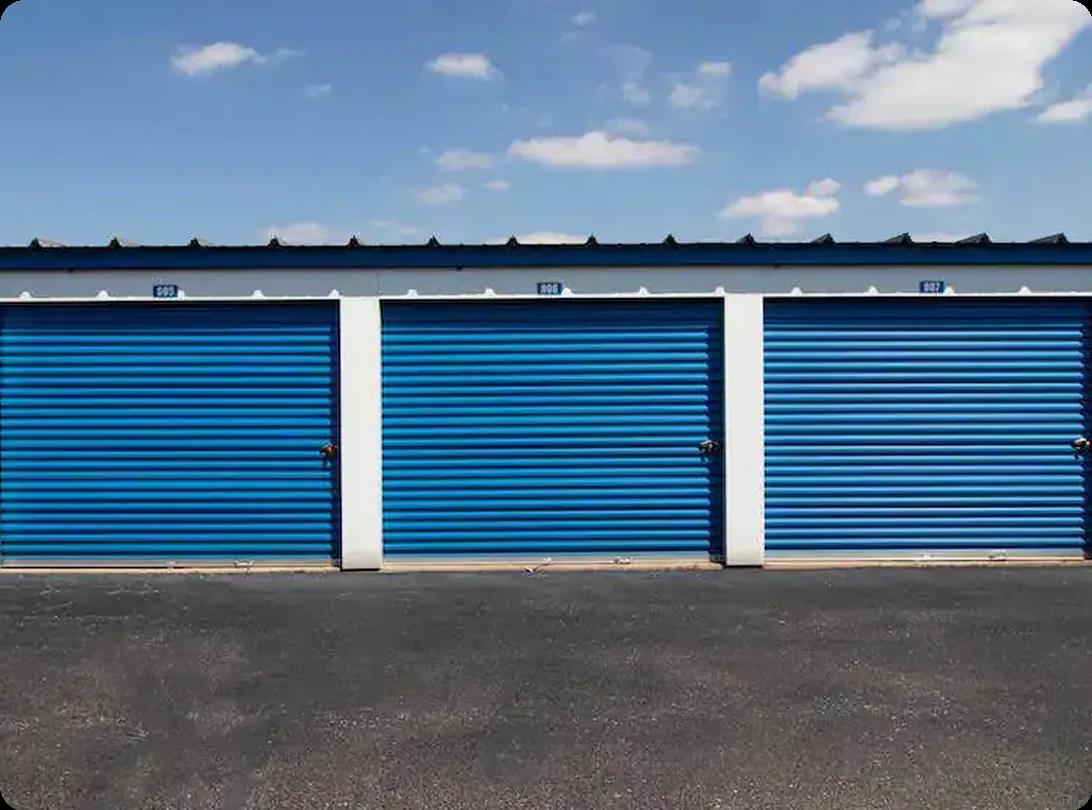
Outdoor units open directly to the outside. You can drive right up to the door for quick loading, but your items will be exposed to weather, including humidity and temperature swings.
Pros of outdoor units:
- More affordable pricing
- Easy access
Cons of outdoor units:
- No temperature or humidity control
- Greater risk of moisture damage
In general, indoor units are great for valuables and items sensitive to temperature and moisture. Outdoor units are cost-effective and convenient for boats, vehicles, tools, and sturdy items.
Climate-Controlled vs. Regular Storage Units
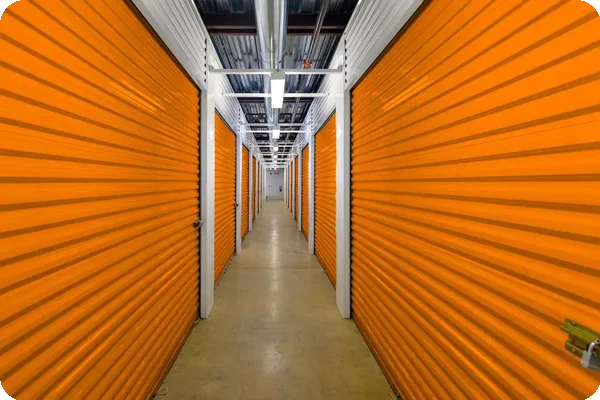
Climate-controlled storage stabilizes temperature and humidity, which is perfect for protecting your electronics, photos, important papers, and wood furniture. It can also protect fabric-covered furniture and mattresses from mold and mildew.
In a regular storage unit, the temperature and humidity can vary based on the weather. These units are usually best for durable items, like your tool collection, patio furniture, and recreational vehicles. If your area has extreme seasonal weather, make sure your belongings can withstand big temperature swings.
Regular storage units vs. climate-controlled storage units
| Feature | Regular Unit | Climate-Controlled Unit |
|---|
| Temperature | Varies with the weather | 55° - 80°F |
| Best for | Tools, outdoor gear | Electronics, photos, fabrics |
| Cost | Lower | +25% - 40% premium |


 Karen BodkinJul 20, 2026