What Is Climate-Controlled Storage? Benefits and Uses

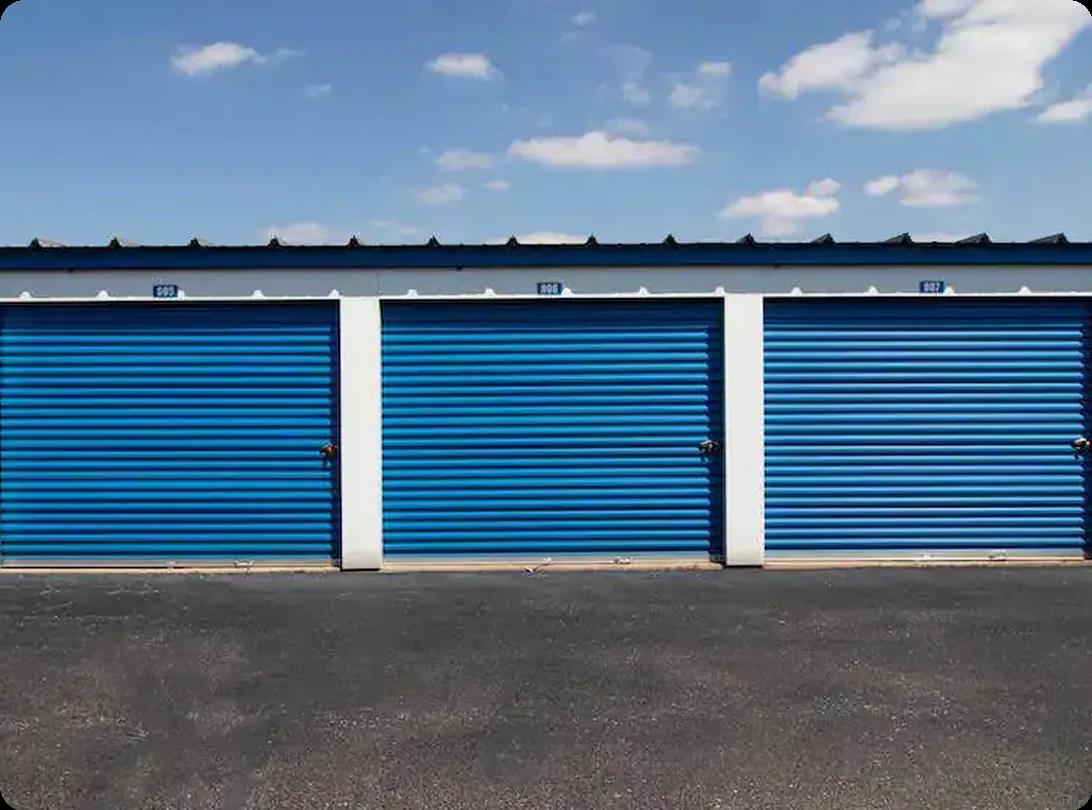
Corridor of climate-controlled self-storage units with blue doors

Climate-controlled storage means your storage unit is inside a building and maintains a consistent temperature, typically between 55 and 85°F, while actively regulating humidity.

A climate-controlled storage unit helps maintain the condition of your favorite belongings in both seasonal and long-term storage. Just remember to ask the right questions, because not all temperature-controlled storage companies offer humidity control. Some companies might use "climate control" and "moisture control" interchangeably, while others treat them as separate upgrades. Depending on what you're storing, it's worth asking the facility exactly how they handle humidity before you book.

After over a decade in the moving business, we at HireAHelper have seen exactly what it takes to keep belongings safe. This guide gives you the rundown on climate control — from how it actually works to whether you truly need it. If you are just starting your search, you can learn how to rent a storage unit by checking out our comprehensive guide.

Last updated: 24 Jun 202611 min read
Karen Bodkin
Written byKaren Bodkin

Key Takeaways

  • Climate-controlled storage facilities can manage indoor temperature, humidity, or both to protect your belongings from extreme weather.
  • You'll want to upgrade your storage for sensitive items like electronics, wooden furniture, and important documents, so you can prevent permanent damage such as warping or mold.
  • You can expect to pay a bit more for a regulated environment, but the peace of mind makes it a highly worthwhile investment for long-term storage or harsh regional climates.
  • Tougher items like outdoor patio furniture and metal tools normally handle standard outdoor units just fine as long as you clean and dry them before packing.
Karen Bodkin
Author

Karen Bodkin

Karen Bodkin is a writer at HireAHelper who's passionate about helping people navigate their moves with less stress and more confidence. She empowers readers by turning the many overwhelming parts of moving into clear, actionable guidance.

Karen draws from a broad writing portfolio that includes home improvement, health, and travel. Her work reflects a deep understanding of life's transitions and a genuine drive to make moving feel more manageable for everyone.

Climate Controlled Storage vs. Regular Storage: What's the Difference?

Think of a regular storage unit just like your garage at home. If it is hot and humid outside, your belongings sit in that same heat and moist air.

Climate-controlled storage alters the environment by managing indoor temperature and humidity. Keeping the air at the right temperature is the best way to prevent mold and mildew from growing on your belongings. This also creates a safe area for sensitive items like electronics and wooden furniture.

Since these facilities run constant air and heating systems, which adds an extra cost to the process, you can expect to pay roughly 20% to 50% more for this upgraded storage.

If you're interested in climate control, you might see a few different terms while shopping around for a unit. Here is how they break down:

  • Temperature-controlled storage: This option manages heat and cold but may not regulate humidity.
  • Air-cooled storage: These units blow cool air into the space but do not actively remove moisture from the environment.
  • Heated storage: Facilities use a heating system to keep your belongings warm and safe during freezing winters.
  • Humidity-controlled storage: This feature focuses solely on maintaining balanced moisture levels inside the unit.

Benefits of Climate-Controlled Storage Facilities

Moving your whole life from one home to another sometimes means there's not enough room for everything at once, so renting a climate-controlled storage unit can provide a little peace of mind during your transition. Knowing that your valuable belongings rest in a stable, indoor environment lets you focus on settling into your new place instead of worrying about them.

Choosing this type of facility comes with some perks that keep your items in pristine condition:

  • Weather protection: Your items stay safe from extreme temperatures and wild weather.
  • Moisture management: Proper humidity control stops moisture buildup right in its tracks.
  • Mold and mildew prevention: Keeping the air balanced removes the damp conditions that mold loves to grow in.
  • Safety for fragile items: Sensitive belongings such as electronics, wood furniture, artwork, important documents, and collectibles are protected from permanent damage.
  • Cleaner spaces: Indoor units actively block out pesky dust, outdoor debris, and unwanted pests.
  • Better air quality: Constant air circulation keeps the indoor environment fresh.
  • Longer lifespan for your things: Stable conditions help maintain the longevity of your favorite items.
  • Enhanced security: Indoor facilities typically include additional layers of protection. If you find yourself wondering how well these buildings protect your belongings, learning more about whether storage units are safe can really put your mind at ease.

What Happens Without Climate Control?

Skipping the climate control feature might save a few dollars upfront, but remember that standard outdoor units are essentially metal boxes. And how hot do storage units get in the summer? Without proper insulation, the inside of a standard unit can easily soar past 120 °F. When winter arrives, that extreme temperature flips the other way.

But can the cold really damage your wood furniture? Or can that extreme heat really ruin your electronics? Yes, those soaring temperatures will quickly cause internal plastic parts to start melting, completely destroying your devices. High heat combined with stale air also causes leather on your furniture to crack and leaves your photographs permanently faded.

As for the cold, freezing temperatures force wood to contract. Once spring brings warmth, the wood rapidly expands. This ongoing cycle causes severe wood damage, including permanent warping.

Finally, these wild temperature swings produce condensation damage inside the unit. And under these conditions, mold can grow in storage units. Lingering moisture creates the ideal breeding ground for mold and mildew to take over your fabrics and mattresses.

When Is Climate-Controlled Storage Necessary?

Deciding if you actually need this upgraded feature comes down to your local environment and how long you plan to rent the space. If you live in an area that experiences extreme temperature fluctuations between seasons or faces harsh year-round weather, upgrading is your smartest bet.

For example, places like Florida and other Southeastern states experience high humidity nearly year-round, making indoor, climate-controlled storage essential to keep your belongings safe from moisture.

"Some items can withstand the outdoor elements. A good rule of thumb is that if you would feel comfortable leaving an item in your garage at home, it is probably fine in a regular unit."

You also have to consider regions with intense sun. Places like Arizona and Texas face blazing summer temperatures that require an indoor, regulated unit to protect your valuables from the harsh regional climate. And if you live in the Midwest or the Northeast, the freezing winter weather makes a heating unit essential for protecting your fragile belongings.

So, when is an indoor unit totally optional? If you happen to live in a very mild, temperate region with consistent weather all year long, you can likely skip the upgrade. A standard unit is also a perfectly fine choice if you only plan to store durable items for a couple of short weeks.

Here is a breakdown of different regional climates and the situations that require specialized storage:

Climate Types Requiring Climate-Controlled Storage Facilities

RegionClimateMain RisksItems Recommended For Climate-Control
Southeast, Gulf CoastHot and humid-Mold
-Mildew
-Rust
-Extreme wood warping
-Electronics
-Wood furniture
-Important documents
-Leather goods
-Mattresses
-Clothing
Southwest, Desert areasHot and dry-Melting
-Severe drying
-Cracking
-Dust
-Plastics
-Artwork
-Vinyl records
-Wine
-Cosmetics
-Electronics
Midwest, NortheastCold and freezing-Freezing liquids
-Snapping wood
-Cracking leather
-Condensation
-Antiques
-Liquids
-Wine
-Musical instruments
-Wood furniture
-Electronics
Mountain regions, PlainsHigh fluctuation-Severe condensation
-Structural warping from expanding and contracting
-Photographs
-Antiques
-Musical instruments
-Wood furniture
-Sensitive fabrics

What Items Need Climate-Controlled Storage Units?

Items sensitive to extreme heat, cold, or high humidity absolutely require climate-controlled storage. If a belonging can easily warp, melt, crack, or grow mold, you should definitely place it in a regulated indoor space.

How do you know for sure if your stuff needs this extra protection? You can ask yourself a few simple questions:

  • Is this item highly valuable or deeply sentimental?
  • Would intense heat or lingering moisture ruin it permanently?

If you answer yes to either, climate control is your best bet. The table below breaks down exactly why certain belongings require that specialized indoor environment:

Which Items Benefit From Climate-Control

Item CategoryCommon ExamplesWhy It Needs Climate Control
Highly Sensitive-Electronics
-Computers
-Vinyl records
High heat melts plastic components and causes battery failure.
Organic Materials-Wood furniture
-Antiques
-Musical instruments
Temperature swings cause wood to warp, crack, and snap.
Delicate Surfaces-Leather items
-Artwork
-Photographs
Humidity causes leather to crack and photos to stick or fade.
Paper & Records-Important documents
-Collectibles
High moisture leads to yellowing, mold, and permanent paper decay.
Consumables-Cosmetics
-Wine
-Medication
Extreme heat causes these to spoil, separate, or lose effectiveness.
Large Appliances-Refrigerators
-Washing machines
For long-term storage, stable air prevents internal mechanical parts from rusting.

Items That Do Not Need Climate Control

Some items can withstand the outdoor elements, so these tougher belongings usually do just fine sitting in a standard storage unit. A good rule of thumb is that if you would feel comfortable leaving an item in your garage at home, it is probably fine in a regular unit.

These items generally handle temperature swings:

  • Outdoor patio furniture
  • Camping gear
  • Metal tools
  • Durable plastic bins
  • Lawn equipment and garden tools
  • Kitchen items like sturdy pots and pans
  • Durable holiday decorations made of plastic or metal

Even though these things are hardy, they can still succumb to risks like mold growing on a tent or rust forming on metal wrenches if they are packed away while damp. To keep them safe, make sure everything is completely clean and dry before moving day. Tossing a few moisture absorbers into your plastic bins can also help catch any lingering dampness.

Are Climate-Controlled Storage Units Worth It?

Yes, climate-controlled storage units are worth the money if you plan to store valuable, fragile, sensitive, or sentimental belongings. The peace of mind alone makes the investment incredibly worthwhile.

Generally speaking, you can expect to pay roughly 20% to 50% more for one of these specialized units compared to a standard storage unit. This price premium exists because the facility runs constant commercial-grade heating and cooling systems to keep the indoor environment perfectly stable.

Is it worth it for long-term storage? Yes, especially if you plan to store your belongings for 6 months or more, because your items will go through several changing seasons, depending on where you live. A regulated indoor unit protects them through every single weather change.

"Without proper insulation, the inside of a standard unit can easily soar past 120 °F, and those soaring temperatures will quickly cause internal plastic parts to start melting, completely destroying your electronic devices."

If you need to store sensitive items in the middle of a hot, humid summer, even just a month outdoors can cause permanent damage. The extra cost makes total sense for this short period of time when you need to protect high-value items like expensive electronics or antique wood furniture.

Here is a quick breakdown to help you decide if the extra cost makes sense for your specific situation:

When Climate-Control Is Worth The Extra Cost

SituationRisk LevelWorth Climate-Control?
High-value itemsHighYes
Long-term storage (6+ months)HighYes
Short-term storage (1-2 months)Low to MediumMaybe
ElectronicsHighYes
Wood furnitureMedium-HighYes
Important documents and photosHighYes
Durable plastic itemsLowNo
Metal tools and patio gearLowNo

Frequently Asked Questions

Recent Articles

Person accessing storage unit

Self-Storage Security Solutions and Tips

Storage Units

When you're putting your stuff in storage, your primary concern might be getting everything to fit inside. But you should also pay attention to another important part of your unit: security. Storage units get... Read More

a person locks up their storage unit

Will Movers Go to a Storage Unit?

Storage Units

The short answer: it depends. While yes, many movers can go to a storage unit, not all will, and it typically comes down to the company and service type you choose. Movers are no strangers to loading into or out of... Read More

A row of yellow self-storage unit doors lined up under a bright blue sky

Top 10 Things to Ask Your Self-Storage Facility Before Leasing

Storage Units

You're looking for a self-storage unit and have an idea of the size you need, but that’s not all you need to know when renting one. From hidden fees and pest control to security measures and climate options, what... Read More

storage unit

Storage Unit Size Guide: How Big Does My Storage Unit Need to Be?

Storage Units

Estimating what size storage unit you need can be confusing, especially if you want room for everything in your house. Your stuff fits a completely different space than you're used to when it's all boxed and stacked... Read More

A row of self-storage units with blue doors

Storage Insurance: Cost, Coverage, and Convenience

Storage Units

When you place your belongings in a storage unit, you expect them to be safe until you need them again. But, sometimes accidents happen. Fires, theft, or even severe weather can damage what you have in a storage... Read More

Packed storage unit containing containers, boxes, and furniture

How to Store Furniture in a Storage Unit

Storage Units

If you're putting your stuff in storage while you're moving or renovating, knowing how to store furniture in a storage unit is a must. Even your sturdiest pieces can be vulnerable to things like moisture and pests... Read More