Types of Storage Units and When You Need Them

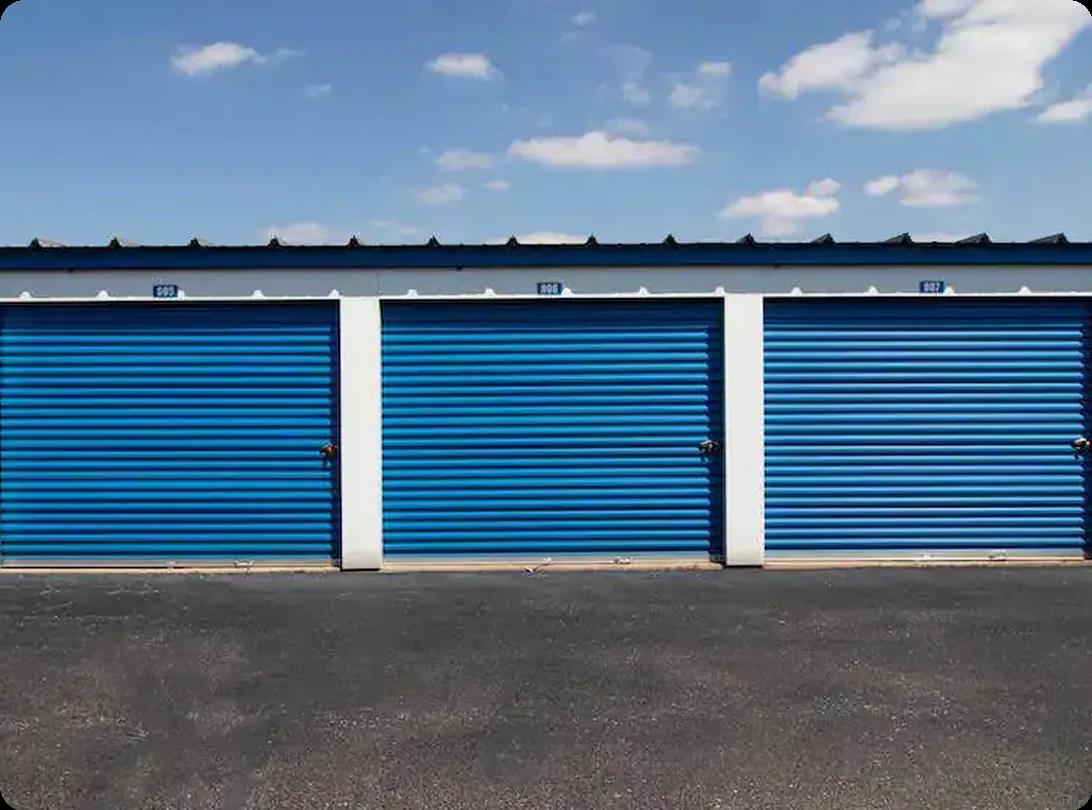
Row of self-storage units at a facility

Choosing a storage unit can get confusing once you start comparing indoor and outdoor units, drive-up spaces, climate control, lockers, and specialty storage. The right option usually depends on what you are storing, how often you need access, how long your belongings will be there, and whether they need protection from changing temperatures or humidity.

HireAHelper has helped coordinate more than half a million moves, including moves into and out of all types of storage facilities. We know the features, benefits, and drawbacks of each, and this guide will walk you through how the main types of storage units compare, what they are best suited for, and what to consider before signing a rental agreement.


Last updated: Jul 20, 202614 min read
Karen Bodkin
Written byKaren Bodkin

Key Takeaways

  • Indoor storage offers added protection from weather, while drive-up units are easier to load and unload.
  • Climate control may be worth the added cost for wood furniture, electronics, artwork, documents, and other sensitive belongings.
  • Storage lockers work well for small amounts of clothing, sports gear, or college belongings, but they cannot hold furniture.
  • Unit size, location, access hours, security, and rental fees can matter just as much as the type of unit.
  • Specialty storage is available for vehicles, wine collections, business inventory, and other belongings with specific space or environmental needs.
Karen Bodkin
Author

Karen Bodkin

Karen Bodkin is a writer at HireAHelper who's passionate about helping people navigate their moves with less stress and more confidence. She empowers readers by turning the many overwhelming parts of moving into clear, actionable guidance.

Karen draws from a broad writing portfolio that includes home improvement, health, and travel. Her work reflects a deep understanding of life's transitions and a genuine drive to make moving feel more manageable for everyone.

What Are the 4 Main Types of Storage Units?

The four main types of storage units are indoor units, drive-up units, climate-controlled units, and storage lockers. Many facilities offer more than one type, although the sizes, features, and access arrangements vary by location.

Before comparing facilities, it may help to review how to rent a storage unit and what is normally included in the rental process.

1. Indoor Storage Units

Indoor storage units are located inside a larger building rather than opening directly onto a parking lot. Reaching the unit may involve entering through a secured door and using a hallway, elevator, or loading area.

Because the units are inside, belongings have another layer of protection from rain, snow, wind, dust, and outdoor temperature changes. Many indoor facilities also use keypad access, security cameras, and individually alarmed units, although security features differ from one property to another.

"Vehicle storage… can also provide an alternative when a homeowners association does not allow RVs, boats, trailers, or extra vehicles to remain in a driveway."

Indoor storage can work well for boxes, household goods, furniture, clothing, and personal belongings. It may also be more comfortable when you expect to visit the unit regularly or plan to keep things in storage for several months.

Keep in mind that where the unit sits inside the building can make a noticeable difference on moving day. A ground-floor unit near the entrance may be only a short walk from the truck, while an upper-floor space could involve elevators and longer hallways. Many facilities have carts or dollies available, though it helps to find out what will be there before you arrive.

2. Drive-Up Storage Units

A drive-up unit opens directly onto the facility’s driveway, so a car, van, or moving truck can usually park close to the door. That shorter path can be especially helpful when you are storing appliances, furniture, tools, or a large number of boxes.

Drive-up facilities often have gated entry, cameras, lighting, and locks on the individual units. Since these spaces open outdoors, take a moment to look at the door, floor, and surrounding pavement. Signs of past water entry, gaps around the door, or drainage problems may be worth asking about before you rent.

3. Climate-Controlled Storage Units

Climate-controlled units are designed to keep conditions more consistent than a standard storage space. They are usually inside an enclosed building and often cost a little more because the facility is heating, cooling, or otherwise managing the indoor environment.

The added protection can matter for belongings that may warp, crack, fade, corrode, or develop mold when exposed to heat, cold, or moisture. Common examples include:

  • Wood or leather furniture
  • Electronics
  • Musical instruments
  • Artwork
  • Photographs
  • Books and documents
  • Antiques
  • Collectibles
  • Some fabrics and clothing
  • Wine, when the facility is designed for wine storage

Be aware that the meaning of “climate-controlled” can vary between facilities. In some places, it refers only to temperature, while others also monitor humidity. A quick question about the temperature range and humidity controls can give you a clearer idea of what you are paying for.

A standard unit may be perfectly suitable for sturdy items such as plastic totes, metal tools, patio furniture, or belongings stored for a short time. The added cost of climate control tends to make more sense for things that would be expensive, difficult, or impossible to replace.

4. Storage Lockers

Storage lockers are smaller than standard storage units and may be only a few feet wide and deep. Some are also shorter than full room height, with another locker stacked above or below them.

Their smaller size usually makes them one of the least expensive storage options. They can be useful for:

  • Seasonal clothing
  • Holiday decorations
  • Sports equipment
  • Camping gear
  • Files and documents
  • Luggage
  • College belongings between semesters
  • A small number of moving boxes

A locker may be enough when you need to clear a closet, store a few items during a temporary move, or keep dorm-room belongings over the summer.

The smaller size makes storage lockers affordable, but it also limits what can fit inside. Most will not hold furniture, appliances, or oversized boxes, and stacked lockers may require a ladder or rolling staircase. Be sure to look at the height as well as the floor dimensions, since a 5-by-5 locker may be much shorter than a regular 5-by-5 unit.

3 Types of Specialty Storage Options

Some belongings need more than a standard household storage unit. If you’re planning on storing a car, you’ll need a unit with enough room and suitable access. Wine, business inventory, and other specialty items also need particular temperatures, security features, or loading arrangements.

1. Vehicle, Boat, and RV Storage

Vehicle storage usually comes in three forms: an uncovered outdoor space, a covered space, or a fully enclosed indoor unit.

  • Uncovered parking is generally the most affordable choice. Your car, boat, trailer, or RV stays within the storage property, but it is still exposed to weather, sunlight, and falling debris.
  • Covered storage adds a roof or canopy. It still has open sides, but it provides some protection from direct sun, precipitation, and falling debris.
  • Indoor vehicle storage places the car, motorcycle, boat, or RV inside a garage-style unit or enclosed building. This usually costs the most but offers the greatest protection from weather and public view.

Vehicle storage may be useful during a long trip, military deployment, home renovation, or a seasonal period when a boat or RV is not in use. It can also provide an alternative when a homeowners association does not allow RVs, boats, trailers, or extra vehicles to remain in a driveway.

When choosing a vehicle storage space, make sure you account for more than the vehicle’s basic length and width. For RVs and trailers, factor in mirrors, roof-mounted equipment, turning room, and the extra space needed to back in safely.

"A nearby facility can be convenient, but the closest option is not always the best value. If you rarely expect to visit, a facility farther outside the city may offer more space for less money."

Also keep in mind that each facility sets its own rules for vehicle storage. Some ask for current registration and insurance, while others have requirements related to fuel levels, vehicle condition, or maintenance on the property.

2. Wine and Other Temperature-Sensitive Items for Storage

Wine storage provides more precise temperature and humidity control than a typical household unit. Keeping conditions steady can help protect the cork and preserve the wine’s quality over time.

Purpose-built wine storage may include individual lockers, bottle racks, backup power, restricted access, and monitoring systems. These spaces are most common in larger cities and wine-producing areas, so they may not be available at every self-storage facility.

Other belongings that may benefit from specialized temperature or humidity control include:

  • Fine art
  • Antiques
  • Film and photograph archives
  • Rare books
  • Important paper collections
  • Certain musical instruments
  • Collectibles made from wood, paper, fabric, or leather

A regular climate-controlled unit may offer enough protection for many household valuables. Fine wine, archival materials, rare art, and other highly sensitive collections may need a facility with tighter environmental controls. The actual temperature and humidity range will tell you more than the name of the storage option.

3. Business and Commercial Storage

Business storage gives companies a place to keep inventory, tools, records, supplies, or equipment when there is not enough room at the office, storefront, or home. It can be useful for several types of businesses, including:

  • Retail and e-commerce businesses that need space for extra merchandise, packaging materials, or seasonal inventory.
  • Contractors who need to store tools, ladders, materials, and equipment between jobs.
  • Home-based businesses that need to move stock out of a garage, spare bedroom, or shared living space.

Businesses that handle large or frequent shipments may need oversized doors, higher ceilings, electrical service, or loading docks.

For businesses that visit the unit often, access can matter as much as size. A ground-floor or drive-up space can make regular pickups easier, and some facilities offer extended hours or accept deliveries. Those services are not available everywhere, so they are worth asking about when comparing locations.

Before renting, check whether the agreement allows commercial use and whether there are limits on deliveries, employees, customer visits, electricity, or work performed inside the unit.

Storage Unit Sizes: A Quick Guide

The right storage unit size depends on the amount and shape of what you are storing. A 5-by-5 unit may hold boxes and small furniture, while a 10-by-20 unit can often accommodate the contents of a multi-bedroom home.

Storage Unit Sizes and Their Equivalent Space

SizeDimensionsBest ForEquivalent Space
Small5 x 5 or 5 x 10 ft.
  • Boxes
  • Seasonal items
  • Sports gear
  • Dorm belongings
  • A studio apartment
Closet to small bedroom
Medium5 x 15, 10 x 10, or 10 x 15 ft.
  • One- to two-bedroom apartment
  • Furniture
  • Appliances
  • Moving boxes
Small bedroom to half a garage
Large10 x 20, 10 x 25, or 10 x 30 ft.
  • Two- to four-bedroom home
  • Appliances
  • Business inventory
  • Some vehicles
One- to two-car garage

Keep in mind that two units with the same floor dimensions may not hold the same amount if their ceiling heights or door openings differ. A simple list of your largest furniture pieces, appliances, and estimated number of boxes can make the facility’s size guide easier to use.

For a closer look at common dimensions, see how to choose the right storage unit size.

How to Choose the Right Storage Unit

Choosing a storage unit comes down to four questions: What are you storing, how long will it be there, how often will you need access, and what fits your budget?

Those answers can help narrow down the type, size, location, and features that matter most. Before signing a lease, these questions to ask a self-storage facility can help you compare the details.

Question #1: What Are You Storing?

The belongings going into storage are the best place to start when deciding on a unit because they determine how much space and protection you need.

  • Sensitive items: Wood furniture, artwork, documents, electronics, and musical instruments may be better suited to climate-controlled storage.
  • Large or heavy items: Appliances, bulky furniture, and equipment are often easier to manage in a ground-floor or drive-up unit.
  • Small personal items: Clothing, holiday decorations, files, and sports gear may fit in a locker or small indoor unit.
  • Household contents: A standard indoor or drive-up unit may be suitable for boxes, furniture, and other everyday belongings.
  • Vehicles, boats, and RVs: These need a dedicated parking space or an enclosed vehicle unit with enough height and clearance.
  • Business inventory: Frequent access, delivery policies, and loading areas may matter more than climate control, depending on the products.

Be mindful that fragile and unusually shaped belongings often use more space than expected because they cannot always be stacked. Taking furniture apart may help, but wood and upholstered pieces still benefit from a little breathing room and enough space for protective covers.

HireAHelper’s guide to storing furniture in a storage unit explains how to protect larger pieces during storage.

Question #2: How Long Do You Need Storage?

How long you need storage can change which features matter most. A short stay may only require convenience and easy access, while longer storage may make climate control, security, pest control, and insurance more important. It also helps to think about whether you will need to remove and replace items during the rental period, such as seasonal decor, sports gear, or business inventory.

  • Short-term storage: 1-3 months. This is common during a move, renovation, home sale, or gap between leases. For a short stay, easy access and a convenient location may matter more than premium features.
  • Medium-term storage: 3 months to 1 year. Belongings will sit through more temperature changes, so indoor or climate-controlled storage may be worth considering for furniture, electronics, books, and clothing.
  • Long-term storage: 1 year or longer. Over that time, temperature, humidity, pest control, security, and insurance can carry more weight. It is also a good idea to visit occasionally so you can check for damage and make sure the unit still fits your needs.

Most storage rentals are month-to-month, but the price advertised at move-in may be temporary. Before signing, look for details about future rate changes and how much notice the facility requires when you are ready to leave.

Question #3: What About Location, Access, and Security?

A nearby facility can be convenient, but the closest option is not always the best value. If you rarely expect to visit, a facility farther outside the city may offer more space for less money. Regular access may make a closer location worth the extra cost.

Access hours differ from one facility to another as well. Some allow entry around the clock, while others open the gates only during set daytime or evening hours. The office may keep a separate schedule, so someone may not be available to help even when you can still enter the property.

Other details to compare include:

  • Ground-floor or upper-floor location
  • Elevator size and availability
  • Distance from the loading area
  • Availability of carts or dollies
  • Lighting
  • Fencing and gate controls
  • Security cameras
  • Individual unit alarms
  • On-site staff
  • Pest-control and maintenance practices

No storage facility can remove every risk, but a clean, well-maintained property with controlled access may offer more reassurance. Learn more about whether storage units are safe and which self-storage security features are worth looking for.

Question #4: What Are the Budget Considerations?

The monthly price reflects more than the size of the unit. Location, local demand, climate control, indoor or ground-floor access, and added security features can all affect what you pay.

Storage options often fall into these general price ranges:

  • Storage lockers: Usually the lowest-priced option because they hold much less than a full unit.
  • Standard indoor units: Often reasonably priced, though reaching an upper-floor unit may take more time during loading and unloading.
  • Drive-up units usually fall in the low to middle range, depending on size and location.
  • Climate-controlled units: Cost more because the facility has to operate heating, cooling, and sometimes humidity-control systems.
  • Vehicle storage: Outdoor parking may be relatively inexpensive, while covered and enclosed spaces cost more.
  • Specialty storage: Wine storage, commercial units, and humidity-controlled spaces tend to carry the highest rates because they provide more specific features.

Recent national storage data puts the average price of a 10-by-10 non-climate-controlled unit at about $119 per month, with climate-controlled units averaging about $134. Actual prices vary significantly by city, and your rate may also change after an introductory offer.

Promotional rates can make one facility look much less expensive at first. To compare the real cost, include the regular monthly rate along with administration fees, locks, insurance, taxes, and any required notice period. A discounted first month may not save much if the price rises soon afterward.

Tips for Using Storage During a Move

Storage can be useful when closing dates do not line up, renovations are unfinished, or you would rather unpack the new home gradually. Organizing the unit around what you will need first can save you from shifting boxes around every time you visit.

  • Choose the unit before loading the truck so you know how much space is available.
  • Make a separate inventory of everything going into storage.
  • Label boxes on more than one side so the contents remain visible after stacking.
  • Place items you may need soon near the entrance.
  • Leave a narrow walkway when you expect to visit the unit regularly.
  • Use shelving when permitted rather than stacking every box from floor to ceiling.
  • Keep an electronic copy of the rental agreement, unit number, access code, and insurance information.
  • Avoid using plastic directly against wood or upholstered furniture for long periods, since trapped moisture can cause damage.
  • Check the facility’s prohibited-items list before loading the truck.
  • Photograph valuable belongings and the packed unit for your records.

Whether you are putting belongings into storage or bringing them back home, HireAHelper makes it easy to compare local moving crews that can help load or unload your truck or storage unit.

Frequently Asked Questions

Recent Articles

A row of self-storage units with blue doors

Storage Insurance: Cost, Coverage, and Convenience

Storage Units

When you place your belongings in a storage unit, you expect them to be safe until you need them again. But, sometimes accidents happen. Fires, theft, or even severe weather can damage what you have in a storage... Read More

Couple organizing moving boxes inside a self-storage unit

How to Rent a Storage Unit

Storage Units

If you're looking to join the 18% of Americans who keep stuff in storage, it's important to know how to rent a storage unit that fits your belongings and budget.

While there are a few steps, the process usually... Read More

a woman unlocks the padlock on her storage unit.

Are Storage Units Safe

Storage Units

Yes, most storage units are safe, especially modern facilities with strong security features. These include things like gated access at the property entrance, security cameras, and controlled entry systems that... Read More

A man pushing a cart of boxes into a self-storage unit

How To Find Storage Unit Deals Online

Storage Units

The best way to find storage deals online is to compare prices across aggregator sites, check facility websites for promo codes, and time your search for the winter months. Monthly storage unit costs add up fast,... Read More

An empty self-storage unit with the roll-up door open

What Happens If You Stop Paying for Your Storage Unit?

Storage Units

If you stop paying for your storage unit, the facility may eventually auction your belongings, and any remaining debt could damage your credit score. However, this won't happen with just one missed payment. That's... Read More

Corridor of climate-controlled self-storage units with blue doors

What Is Climate-Controlled Storage? Benefits and Uses

Storage Units

Climate-controlled storage means your storage unit is inside a building and maintains a consistent temperature, typically between 55 and 85°F, while actively regulating humidity.

A climate-controlled storage unit... Read More