How To Move a Pellet Stove Safely

A red pellet stove in a living room

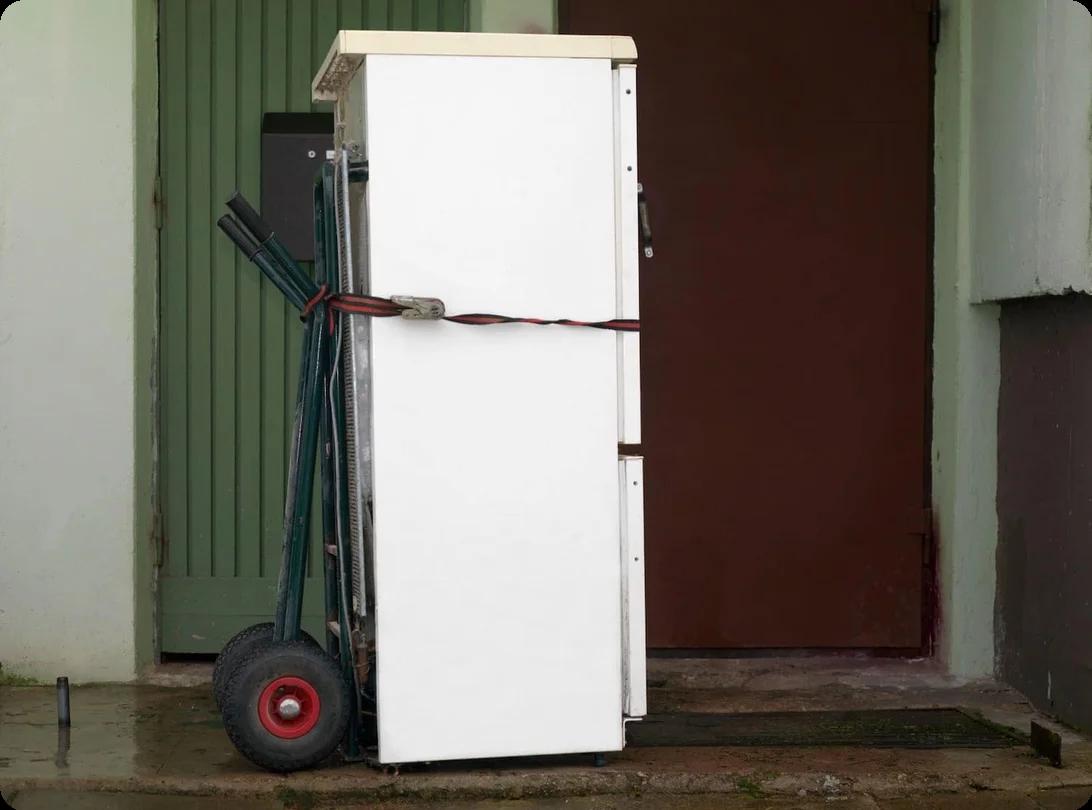
Many pellet stoves weigh as much as a commercial refrigerator, so they’re not easy items to move. But it is possible with the right technique and preparation. To move a pellet stove safely, you’ll need to unplug the unit, take out the internal parts, and use a heavy-duty dolly to get it to a new location or load it onto a truck.

HireAHelper connects people with local movers who have the right tools and experience for moving heavy items, so we know all the tips and methods to get the job done.. In this guide, you’ll learn how to move a pellet stove step by step and find out when to hire help.


Last updated: Jul 06, 20269 min read
Melanie Morris
Written byMelanie Morris

Key Takeaways

  • Pellet stoves are heavy (200–500+ pounds) and need careful handling to avoid damage.
  • Empty the hopper and vacuum all ash to prevent soot from staining your home.
  • Remove detachable parts like the glass door and burn pot to reduce weight.
  • Use a furniture dolly on flat floors and an appliance dolly with stair climbers for stairs.
  • After moving, check clearances, reconnect venting, and test the auger before full use.
Melanie Morris
Author

Melanie Morris

Melanie Morris is an editor and writer at HireAHelper, where she uses observational skills honed from over 7 years of experience (and too much detective fiction) to demystify moving and make sure typos remain at a minimum.

Moving from the southwest up and down the west coast and back again has also given her plenty of firsthand moving experience. Now, she makes sure that even if you're just moving down the block, you have the accurate tips and know-how to make your relocation a breeze.

Why Pellet Stoves Are Tricky To Move

Pellet stoves are much heavier than they look. Most standard models weigh between 200 and 400 pounds. Larger units made of solid cast iron can even exceed 500 pounds. Plus, their weight is often unevenly spread, making them hard to balance.

Moving these units also requires handling several delicate parts and systems:

  • Permanent electrical wiring: Some stoves are hardwired or require specific grounded outlets, which complicates the process of disconnecting the power safely.
  • Direct-vent exhaust: Detaching the sealed pipe system requires precision to avoid denting the metal or ruining the airtight wall seals.
  • Sensitive electronic controls: Modern stoves use circuit boards that can break if the unit suffers sharp impacts or drops.
  • Complex mechanisms: The internal motor that feeds pellets can shift out of alignment during a rough move.
  • Fragile glass panels: The viewing windows are heat-resistant but brittle, making them prone to shattering if the frame twists or bends.

That’s why it’s important to prepare and have a plan in place when moving one. Before you start, check your owner’s manual regarding the warranty. Some brands void your coverage if a certified professional doesn’t perform the disconnect.

Should You Move a Pellet Stove Yourself or Hire Help?

You might be able to handle the move on your own if the stove is a smaller model and the path it needs to travel is clear and short. Consider a DIY move in these cases:

  • You have a lightweight model: Stoves under 200 pounds are easier for 2–3 strong people to handle with basic equipment.
  • You have the right gear: You already own or can rent a heavy-duty appliance dolly with straps to secure the unit.
  • You’re moving a short distance: The stove stays on the same floor and doesn’t need to go up or down any stairs.

For many, single-item movers are the safer choice. You should look for professional help in the following situations:

  • You’re dealing with stairs: Carrying hundreds of pounds up or down flights of stairs increases the risk of damage or injury.
  • You lack proper gear: You don’t have a ramp or a vehicle with a lift gate to load the heavy stove.
  • You want to avoid damage: Your stove brand may require a professional to handle the internal parts to keep your repair coverage active.

At HireAHelper, we can connect you with local, experienced moving companies through our marketplace. Most crews bring dollies, straps, and blankets to protect your stove and floors.

How To Prepare Your Pellet Stove for Moving

Because pellet stoves are so heavy and awkward to move, prepping them ahead of time is especially important. Taking the time to make sure you have the right equipment and that everything is properly disconnected and disassembled will keep you, the stove, and your home safe.

1. Gather the Essential Equipment You Will Need

Before you learn how to move a pellet stove, you need to find the right supplies. Having these items on hand keeps you safe and prevents damage to the stove or your home:

  • A heavy-duty furniture or appliance dolly with a 1,000-pound capacity
  • Strong ratchet straps to secure the stove to the dolly
  • Thick moving blankets to protect the finish and glass
  • Plywood sheets to lay over floors and prevent scratches
  • Durable work gloves to protect your hands from sharp metal edges
  • A screwdriver set and basic hand tools for disassembly
  • An ash vacuum or shop vac to remove all dust and debris
  • Painter’s tape to secure any loose cords

2. Disconnect Power and Venting

Unlike traditional wood stoves, pellet stoves rely on electricity to run their internal motors. You need to handle both the power source and the specialized exhaust system with care. Follow these steps to disconnect your unit properly:

  • Unplug the unit: Remove the power cord from the wall outlet and coil it neatly to avoid tripping during the move.
  • Check the vent type: Look closely or check the manual to see if you have a direct-vent wall pipe or a vertical chimney.
  • Loosen the pipe clamps: Use a screwdriver to carefully undo the metal bands holding the exhaust pipes together.
  • Detach the exhaust pipe: Gently wiggle the metal vent pipe away from the back of the stove unit.
  • Seal the vent openings: Use heavy tape or caps to cover the open pipes so soot does not spill onto your floors.

Make sure the stove is completely off and cold to the touch. Wait at least 4–6 hours after the last fire before you begin any work.

3. Empty the Hopper and Clean Ash

Any remaining pellets or ash inside the stove adds weight and might even spill out during transit. Ash can also hold heat and potentially start a fire. Everything needs to be cleaned before moving, so complete these tasks to prepare the unit for the road:

  • Clear the hopper: Scoop out all unused wood pellets and store them in a dry bucket to keep the internal motor clear.
  • Vacuum the firebox: Use a specialized ash vacuum to remove fine dust from the burn pot and the inner walls of the stove.
  • Empty the ash pan: Slide out the metal pan below the firebox. Dump the ash into a metal container.

Don’t use a standard household vacuum to clean your stove. These machines usually can’t filter the fine particles found in wood ash.

4. Remove Detachable Parts To Reduce Weight

Taking out the interior components makes the unit lighter and prevents parts from rattling or breaking during the drive. Many of these items come off by hand or with basic tools. Here’s what you can remove:

  • The burn pot: Lift this metal cup out of the base and wrap it in paper to keep soot from spreading.
  • The ash pan: Slide this empty metal tray out of the bottom and pack it separately to prevent it from sliding out.
  • Heat exchange tubes: Take out these metal pipes if your model allows it, and pack them tightly using bubble wrap.
  • The glass door panel: Unbolt or unlatch the glass door. Wrap it in a moving blanket.
  • Decorative trim or legs: Unscrew any side panels or feet that stick out so the stove fits better through narrow doorways or halls.

4 Ways To Move a Pellet Stove

How you move your pellet stove depends on the distance and path. A short slide across the room is very different from a trip across town. Below, we cover how to handle 4 common scenarios, ranging from simple room changes to the challenge of moving a stove upstairs.

1. Moving a Pellet Stove Within the Same Room

The best way to move a stove across a single room is to slide the unit carefully rather than carrying it. This works well for small layout changes or cleaning. Follow these steps:

  • Clear the path: Remove all rugs and furniture to create a straight line to the new location on the floor.
  • Protect the floor: Tilt the stove slightly and slide thick pieces of plywood or hard plastic sliders under the base.
  • Push gently: Have a partner help you push from the sides, keeping the stove upright. Use short, slow pushes.
  • Position and level: Once it’s in place, remove the sliders. Check that the stove is level or use shims to adjust the legs.

You can move a pellet stove just a few feet with this method, as long as the floor is smooth and you use sliders. For longer distances, using a furniture dolly is a safer option.

2. Moving a Pellet Stove to Another Room

When taking your pellet stove into a completely different room, using a dolly is your best choice. This tool helps you navigate tight hallways and sharp corners safely. Here’s what to do:

  • Wrap the stove: Cover the entire unit in moving blankets and secure the padding with plenty of packing tape or plastic wrap.
  • Load the dolly: With the help of a friend, tilt the stove back carefully, slide the dolly plate underneath, and center the weight before leveling it out.
  • Secure with straps: Tighten ratchet straps around the stove and the dolly frame to keep the heavy unit from shifting or falling.
  • Roll slowly: Have one person push the handle while a second person spots the front to guide the unit through doorways.
  • Unload the unit: Lock the dolly wheels, loosen the straps, and gently tilt the stove back down onto its new floor protector.

Measure your doorways before you start rolling. If the fit is tight, turn the stove so the narrowest side enters the opening first.

3. Moving a Pellet Stove to a New House

Moving a heavy stove over long distances is more complicated because you’ll have to load it onto a truck or trailer for transport. You will need ramps or a lift gate, plus extra people to handle the weight. Here’s how to move a pellet stove to your new house:

  • Roll it outside: With another person helping, tilt the stove back, load it onto the dolly, and strap it in place. Then you can roll it safely out of your house..
  • Load the vehicle: Use a sturdy ramp or a truck with a hydraulic lift gate to move the unit up into the cargo area.
  • Secure the stove: Keep the machine upright and strap it to the truck wall. Don’t remove it from the dolly for easier unloading.
  • Prepare the destination: Make sure the new room is completely clear, and the hearth pad is firmly in place before you arrive.
  • Unload the unit: Reverse the loading process to get the stove out. Slowly guide the dolly down the ramp with the help of a partner.

4. How To Move a Pellet Stove on Stairs

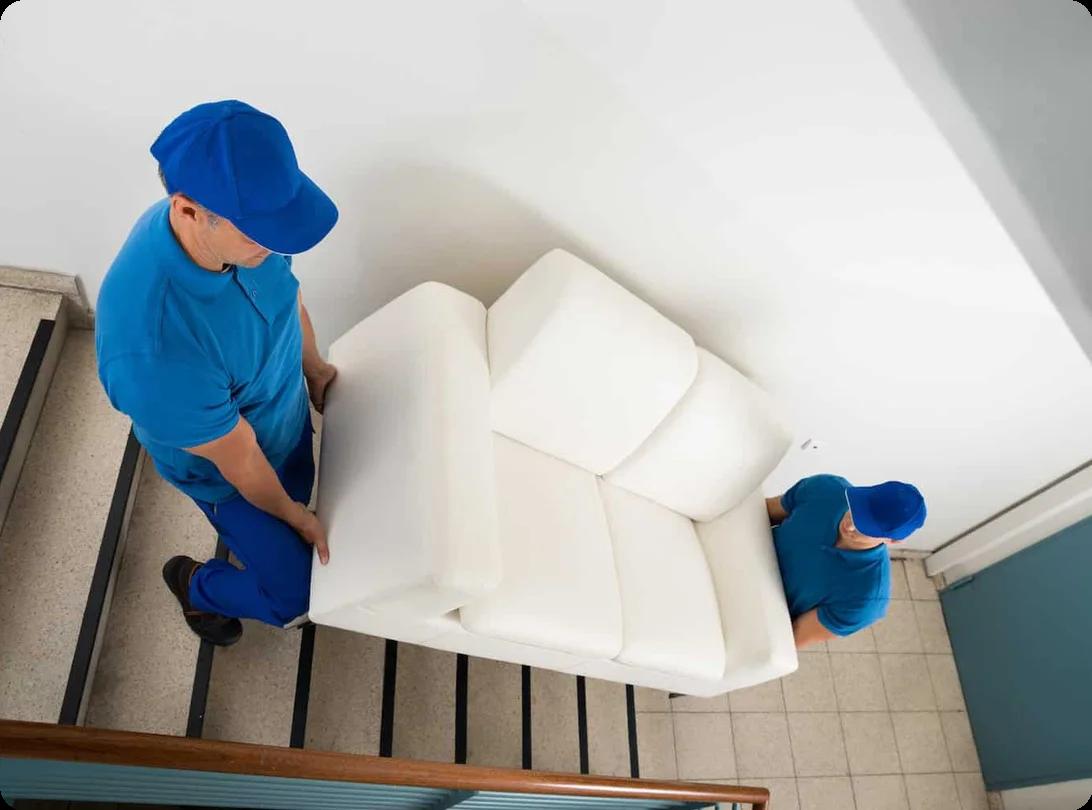
If you’re moving a pellet stove up or down a flight of stairs, you have to use an appliance dolly equipped with stair-climbing tracks or extra wheels. You’ll also need at least 3 strong people to do it safely. Follow the next steps:

  • Wrap and secure the stove: Cover the stove with moving blankets and strap it tightly to the appliance dolly.
  • Position your team: Two people take the lower position (below the stove). The third person stays at the top to control the descent.
  • Tilt and balance: Tilt the dolly back onto its stair-climbing tracks. Keep the stove’s weight centered over the tracks at all times.
  • Move one step at a time: Lower the dolly slowly onto the first step. Pause, then move to the next. Don’t rush or skip steps.
  • Maintain a slow, steady pace: Guide the dolly with controlled movements. Let the stair climbers do the work. Don’t let the stove tip forward.

If your move involves more than one flight of stairs, you should think about hiring professional help. You can read our guide on how movers handle stairs to better understand how the process works.

Reinstalling Your Pellet Stove After a Move

Once the stove is in its new spot, you need to reconnect everything safely. Follow these steps to get it up and running without problems:

  • Check clearances first: Measure the space around the stove and follow your manual’s distances from walls, furniture, and drapes for where to place it. You should also check local building codes if you have moved to a new city or county.
  • Reconnect the exhaust vent pipe: Slide the vent pipe back into the stove’s exhaust collar. Tighten the clamps or screws so no gaps remain.
  • Reattach all removable parts: Put the burn pot, ash pan, heat exchange tubes, and glass door back in place. Reinstall any legs or trim you removed.
  • Plug it in and test it: Turn on the stove. Listen for the motor and fan. Add a few pellets to confirm they feed correctly.
  • Run a full test cycle: Let the stove run for 15 minutes. Watch for strange noises, smoke coming from the wrong places, or error codes on the display.

Many furniture movers can assist with the heavy lifting and positioning. If you feel unsure about any part of the reinstallation, hire a professional to check your work.

Recent Articles

A white chest freezer with its lid open

How to Move a Chest Freezer

Loading & Unloading

Figuring out how to move a chest freezer can be tricky — they're wide and often weigh 100 pounds or more. Plus, they feature sealed cooling systems that are easily damaged in transit. However, you can move one if... Read More

Two people using moving straps to safely lift a heavy dresser in a living room

A Pro's Guide to Moving Heavy Furniture Without Hurting Yourself

Loading & Unloading

If you've ever tried to figure out how to move furniture up stairs, you know that it can be a minefield of injuries and scratched walls. But you can maneuver those tight spaces and awkward corners without injuring... Read More

An elliptical machine in a home gym

How To Move an Elliptical Machine: Step-by-Step Guide

Loading & Unloading

Most ellipticals weigh between 100 and 350 pounds, making them one of the heaviest pieces of home gym equipment to move, but it’s possible with the right process. To move an elliptical machine short distances, tilt... Read More

A golf cart parked on a golf course

How to Move a Golf Cart

Loading & Unloading

Moving a golf cart requires more than just a standard trailer and a few straps to tie it down. To move your cart safely, you’ll need to choose the right transportation method, like a utility trailer or truck bed,... Read More

A trampoline with a net sits in the corner of a backyard with a green lawn and trees

How to Move a Trampoline

Loading & Unloading

Moving a trampoline is often cited as one of the most physically demanding parts of a backyard relocation because of its awkward size and heavy steel frame. To move one, you can either move it a short distance with... Read More

A four-wheeled furniture dolly with a padded top, ready to support heavy furniture during a move

What’s a Furniture Dolly, and How Do I Use It for Moving?

Loading & Unloading

Your first glance at a furniture dolly might evoke memories of middle school gym class, where kids sat on scooter boards and pushed themselves after a ball. But this humble tool can make a big difference when... Read More