Common Moving Day Questions For A Stress-Free Move

An older woman in a checkered shirt holds a pencil and notepad while planning her move in a new apartment

Waking up on moving day can be anxiety-inducing because of everything you have to keep track of and do in just 24 hours, but having a well-laid-out plan keeps things on track. To have a smooth moving day, you'll need to finalize your packing early, keep an essentials bag handy, and know what to expect when the moving truck arrives

HireAHelper is a resourceful marketplace for moving services that's been in the business for over a decade. Let's get into the most commonly asked moving-day questions and build your moving checklist, so you can be fully prepared for your big day.


Last updated: Jun 25, 20266 min read
Karen Bodkin
Written byKaren Bodkin

Key Takeaways

  • Most moves take 6 to 8 hours to complete.
  • Movers usually arrive between 8 a.m. and 10 a.m. to start loading.
  • Keep an essentials bag with toiletries, medications, and chargers with you in your car.
  • The night before your move is the best time to finish packing and clean your empty rooms.
  • Clear communication with your moving team prevents delays and reduces everyone's stress.
Karen Bodkin
Author

Karen Bodkin

Karen Bodkin is a writer at HireAHelper who's passionate about helping people navigate their moves with less stress and more confidence. She empowers readers by turning the many overwhelming parts of moving into clear, actionable guidance.

Karen draws from a broad writing portfolio that includes home improvement, health, and travel. Her work reflects a deep understanding of life's transitions and a genuine drive to make moving feel more manageable for everyone.

What Is a Typical Moving Day Schedule?

Moves usually take around 6 to 8 hours to complete. That's a long day, which is also why movers tend to arrive in the morning, between 8 and 10 a.m. You'll want to get an even earlier start at 6 a.m. to 7 a.m. so you have time to finish any last-minute tasks before the movers show up.

Once the moving team arrives, they'll first do a quick walkthrough of your home to see what needs to go onto the truck. Next, they load the heaviest furniture to create a solid base, followed by your packed boxes. You can do your part by making sure every box has strong tape and clear labels. Being ready when the truck pulls up keeps the entire process on schedule and prevents delays.

What Should You Do on Moving Day?

On moving day, you should manage the logistics, oversee the process, and stay out of the workers' way. Before your movers arrive, check that your walkways are clear of tripping hazards and clear a spot for the truck to park. You also need to coordinate with the movers by showing them which fragile items need special care.

"[Don't] forget to reserve the elevator or parking space for the moving truck well in advance. These errors cause delays and create frustration for everyone involved."

There are plenty of ways to make your movers' lives easier, but the best approach is letting the experts do their jobs. You do not need to supervise every second of the loading process, as hovering slows the team down. Instead, just be available to answer questions.

Once the truck is full, your final walkthrough entails checking every closet, cabinet, and drawer to ensure nothing gets left behind. In the rare event of a delay, knowing what to do if your movers do not show up on time helps you stay calm while you contact the dispatch office.

What Should You Not Pack on Moving Day?

A young man unpacks boxes after moving into a new apartment

Federal laws prohibit companies from transporting flammable items, perishable food, or hazardous chemicals in a moving truck.

But besides things that are outright forbidden, you should not pack your daily essentials, sensitive documents, or irreplaceable valuables onto the moving truck. These include things like jewelry, laptops, birth certificates, and financial records.

You'll also want to pack your toiletries in a separate bag that travels in your personal car, too, along with an essentials bag. These are items you want and need immediate access to.

A good moving day survival guide on what to keep with you always includes the items you need for the first day in your new home. Pack these items in your essentials bag:

  • Prescription medications and a basic first aid kit.
  • Phone chargers and important electronics.
  • A change of clothes for each family member.
  • Basic toiletries like toothbrushes, toothpaste, and soap.
  • Important personal documents and identification.
  • Snacks and bottled water for the trip.
  • Toilet paper and a shower curtain.

What Should I Do the Night Before Moving?

The night before moving, you should finish packing your final boxes, clean the areas you already emptied, and prepare your essentials bag. Knocking out these tasks beforehand makes moving day much easier.

To get ready for the movers, unplug all your electronics and roll up the cords. You should also pack your bedding and the clothes you plan to wear on moving day last. It helps to prepare the home for the new tenants or owners by gathering all the house keys to hand over, cleaning the inside of your refrigerator, wiping down the kitchen counters, and sweeping the floors in the empty rooms. Handling these chores prevents you from being in the way while the movers are loading the truck.

What Are Common Moving Day Mistakes?

Common moving day mistakes typically happen when you don't finish packing before the movers arrive, forget to do a final walkthrough, or fail to keep an essentials bag close by. You should also avoid packing boxes too heavily or scheduling utility shutoffs for moving day itself, instead of a few days prior. And don't forget to reserve the elevator or parking space for the moving truck well in advance. These errors cause delays and create frustration for everyone involved.

A lot that's out of your hands can go wrong on moving day, too, from severe weather to unexpected traffic jams, but these delays can be mitigated or prevented by having a backup plan in place well ahead of time.

Clear communication and thorough preparation keep your moving day running smoothly.

How Do You Make Moving Day Less Stressful?

To make your moving day less stressful, it's important to accept that minor issues will happen, trust the professionals to do their jobs, and stick to your schedule as best you can. Moving takes hard work, but keeping a positive attitude makes the experience better for you and the moving crew.

Keeping your cool is much easier when you focus on one task at a time rather than looking at the entire house. For example, the loading phase tends to feel the most overwhelming because your space quickly fills up with boxes and movers. To handle this, you should create a staging area in your garage or entryway where you can organize furniture and boxes before the truck arrives. Establishing a loading plan allows you to delegate tasks to family or friends so the process stays organized and manageable.

"Moves usually take around 6 to 8 hours to complete…You'll want to get an even earlier start at 6 a.m. to 7 a.m. so you have time to finish any last-minute tasks before the movers show up."

One of the best ways to make the day easier is booking professional labor through HireAHelper to handle the loading and unloading for you. Not only do you avoid straining your back, but the pros are efficient experts at an otherwise really frustrating part of the move. Managing moving and stress effectively requires you to stay hydrated, eat regular meals, and take short breaks when you need them to keep a level head.


Frequently Asked Questions

Recent Articles

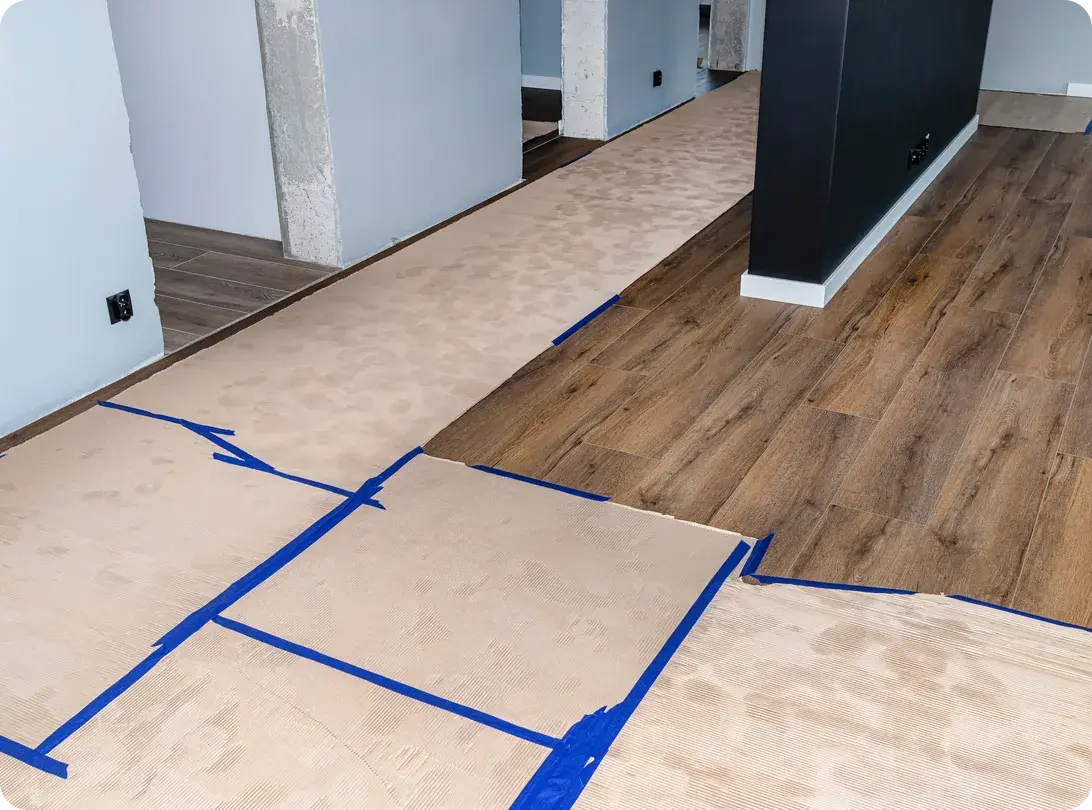
Protective covering laid over flooring during a home project

How To Protect Floors When Moving

Moving Day Tips

Your floors might be the last thing on your mind during a move, but when you're hauling heavy furniture around, they can get dented, scratched, and otherwise damaged, which could jeopardize your security deposit.... Read More

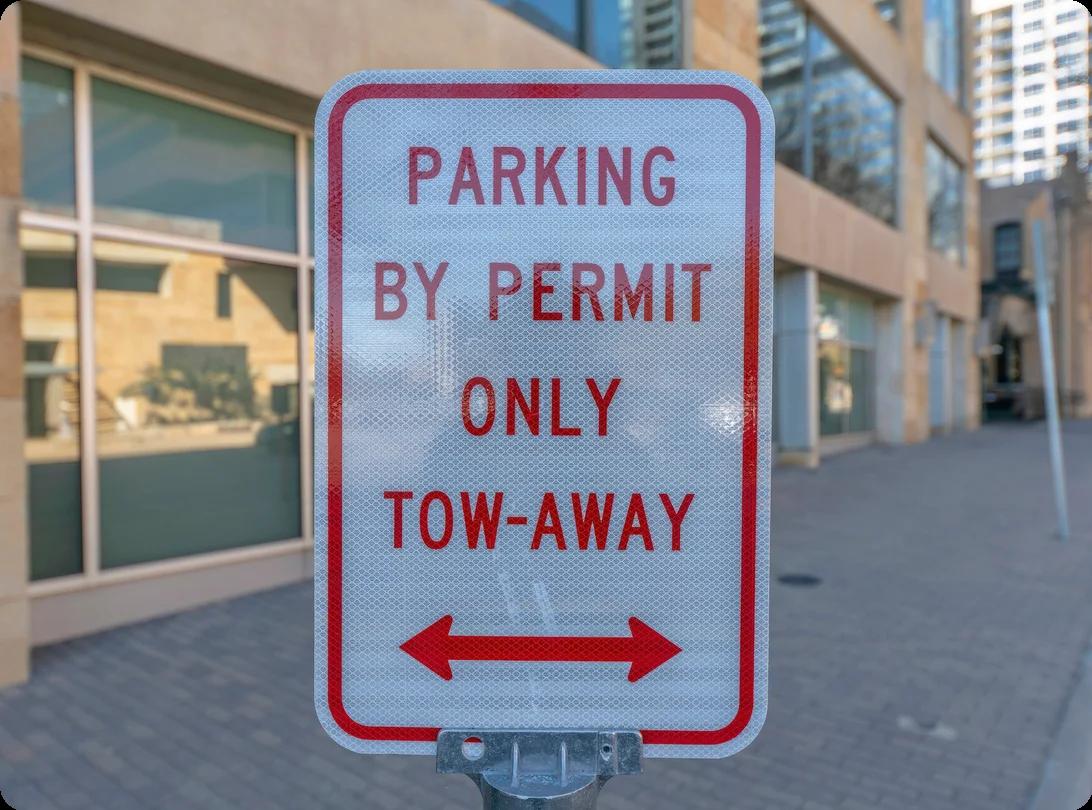
a red and white sign that says the area is only for parking with a permit

Moving Permits 101: How To Get a Parking Permit for Moving

Moving Day Tips

A moving permit is official permission from the local government that allows you to park a moving truck legally. It's usually for a specific day, but it may be longer, depending on the terms.

If you live in a major... Read More

Woman cleaning fridge interior with gloves and spray bottle

Move-Out Cleaning Checklist: Room-by-Room Steps

Moving Day Tips

A move-out cleaning checklist is important for getting your security deposit back, preparing the space for the next tenant, and helping you keep track of often-forgotten cleaning tasks like scrubbing baseboards,... Read More

A pile of boxes filled with various items. Shoes and pillows are stacked on top of some of them

Moving Day Survival Guide: What Should I Keep With Me?

Moving Day Tips

Moving into a new home is an exciting milestone, but it can also be overwhelming. Proper preparation can make the transition smoother and help you settle in quickly.

One of the most important steps in this process... Read More

A homeowner unplugging an electronic device and labeling cords before movers arrive

Preparing for Moving Day: 10 Ways to Make Your Movers' Lives Easier

Moving Day Tips

There are a lot of tips and tricks out there to streamline your move, but ultimately, the best way to prepare for movers is to have everything organized and ready to go before your movers arrive. This not only... Read More

A person spreading rock salt onto an icy driveway after a winter storm

Should You Use Salt or Sand on an Icy Driveway?

Moving Day Tips

Although summer is the most popular moving season for several reasons, moving in the winter also comes with plenty of advantageslike scoring lower rates thanks to off-peak season pricing.

However, there's one... Read More