Moving Day Survival Guide: What Should I Keep With Me?

A pile of boxes filled with various items. Shoes and pillows are stacked on top of some of them

Moving into a new home is an exciting milestone, but it can also be overwhelming. Proper preparation can make the transition smoother and help you settle in quickly.

One of the most important steps in this process is knowing what to keep on hand during the move and what to pack for your first few nights. This guide will help you plan and organize everything you need to make your move-in day a success.


Last updated: Jan 16, 20265 min read
Melanie Morris
Written byMelanie Morris

Key Takeaways

  • An "essentials box" or bag is non-negotiable: what you keep with you on moving day determines whether the day goes smoothly
  • Must-haves: important documents (IDs, leases, contracts), prescriptions, phone chargers, wallet/cash, and basic toiletries
  • First-night essentials: change of clothes, bedding for one bed, toilet paper, soap, towels, coffee maker, basic cookware
  • Keep it with you: in your car, not the truck — so a delayed truck doesn't strand you without basics
  • Make one per family member: with their personal items so everyone has what they need without digging through boxes
Melanie Morris
Author

Melanie Morris

Melanie Morris is an editor and writer at HireAHelper, where she uses observational skills honed from over 7 years of experience (and too much detective fiction) to demystify moving and make sure typos remain at a minimum.

Moving from the southwest up and down the west coast and back again has also given her plenty of firsthand moving experience. Now, she makes sure that even if you're just moving down the block, you have the accurate tips and know-how to make your relocation a breeze.

What to Keep With You When Moving

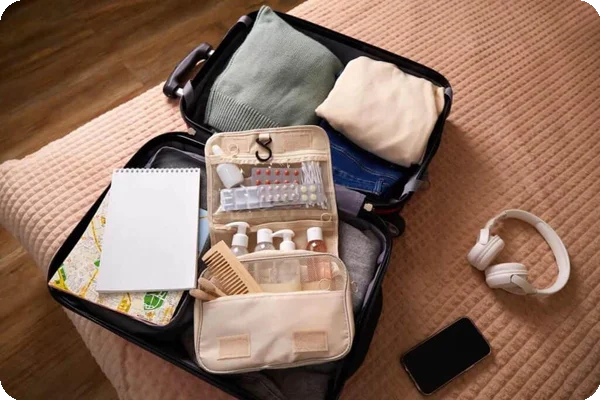
A suitcase filled with clothing, notebooks, and toiletries that include medication

One of the biggest mistakes you can make on moving day is packing away items you'll need immediately, so it's important to distinguish between what should stay with you during the move and what can wait until you’re ready to fully unpack.

Food and medicine should generally stay close to you and be immediately accessible when you get to the new place. Your antique tea set, on the other hand, can probably stay safely packed in a box until you have time to find a place for it later on.

Here's a comprehensive list of items you should have readily accessible on your moving day:

Clothing and Personal Care:

  • Comfortable, closed-toe shoes
  • A change of clothes (in case of a spill or accident)
  • Glasses or contact lenses
  • First aid kit
  • Medications
  • Hand sanitizer
  • Sunscreen (depending on the weather)

Important Documents:

  • Personal documents
  • Lease or purchase agreement
  • Identification

Contacts:

  • Emergency contacts
  • Moving company contact information
  • Realtor

Insurance Information:

  • Health insurance card
  • Home or renters insurance details

Food and Hydration:

  • Water
  • Snacks
  • Paper towels
  • Trash bags

Valuables:

  • Prized or sentimental items (e.g., jewelry, collectibles)

What to Pack for Yourself When Moving

There are two important groups of items you should prepare before your moving day. One is a first-night box containing everything you need to settle in comfortably without rummaging through packed boxes. Preparing one ensures immediate access to necessities without added stress after a long day of moving.

The other is an essentials box, which will carry must-have items you'll need in the first few weeks as you unpack and organize. These boxes help you maintain a sense of normalcy while adjusting to your new space.

"An essentials box is helpful for local moves, but it’s even more important for long-distance moves...to make your new home more comfortable and functional during the early days..."

Beyond these, you need to personally transport valuables, important documents, and irreplaceable items. Movers do their best to handle belongings with care, but keeping these critical items in your possession minimizes risk and ensures they're available when needed. Additionally, mobile devices, medications, and personal-care items should be within reach for safety and convenience.

If a family member is helping you pack, share this list of items with them so they don't accidentally miss anything you'll need on day one of your move.

What Is a First-Night Box?
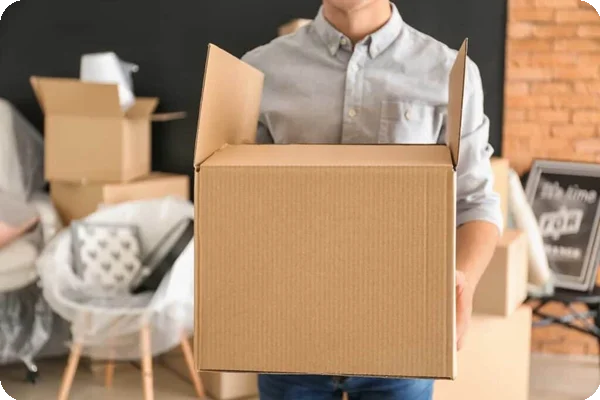
A man carrying a cardboard box. In the background, there is a chair wrapped with shrink wrap and several more boxes

A first-night box is a great way to organize your must-have items for the first night in your new house. This box contains all the immediate necessities you'll need right after moving in. Carry this box to your new residence in your personal vehicle, or make it the last item you load into the moving van so it's the first thing you can pull out when you start to unpack.

To make your first-night box easy to find, label it with a special marker or color-code it. Keep your box in an accessible, designated place that's not in the way of your other unpacking activities.

The point of the first-night box is to have a single container you can reach into for the various odds and ends you'll need to make yourself comfortable immediately after you’ve moved in. Here are some example items to include:

Bedding and Comfort:

  • Two sets of sheets per person
  • Towels

Kitchen Essentials:

  • Dishes or disposable plates, and cutlery
  • Some cookware, such as a pot, pan, spatula, and egg beater
  • Salt, pepper, cooking oil

Toiletries and Personal Care:

  • Toothbrush and toothpaste
  • Shampoo and soap
  • Toilet paper
  • Hairbrush and other grooming tools

Cleaning Supplies:

  • Disinfectant wipes
  • Multi-surface cleaner
  • Sponges and dish soap
  • Trash bags

What Do You Put in Your Essentials Box When Moving?
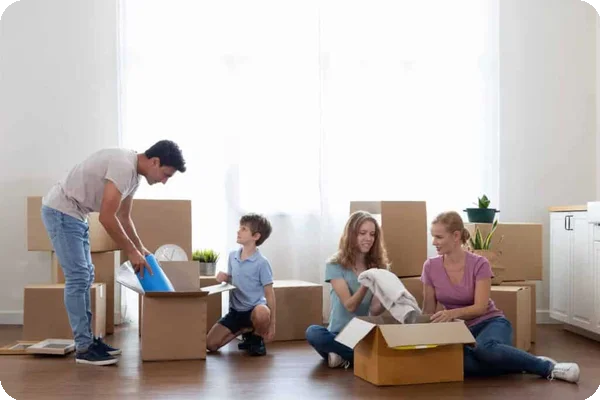
A family packs boxes with towels and other necessities

The essentials box differs from the first-night box in that it contains items you'll need beyond the first day, potentially lasting up to a month. While there may be some overlap between the two, the essentials box should be tailored to your specific needs during the early days in your new place.

Since your belongings may arrive at different times depending on the distance and moving service, pack accordingly. Additionally, unpacking may take longer than expected, so having this box on hand ensures you have everything necessary while settling in.

"One of the biggest mistakes you can make on moving day is packing away items you'll need immediately...Food and medicine should generally stay close to you and be immediately accessible when you get to the new place."

An essentials box is helpful for local moves, but it’s even more important for long-distance moves. When you're in a new place, far from your former support systems, having a box of essentials to make your new home more comfortable and functional during the early days can make a world of difference during a transition period.

Here's what you should include in your essentials box:

Clothing and Personal Items:

  • Enough outfits for a week
  • Extra socks and underwear
  • Pajamas
  • Comfortable shoes

Kitchen and Food Supplies:

  • Coffee maker or kettle
  • Non-perishable snacks and easy meals
  • Can opener
  • Basic seasonings and condiments
  • Reusable water bottles

Toiletries and Bathroom Necessities:

  • Extra toilet paper
  • Towels and washcloths
  • Deodorant, lotion, and shaving supplies
  • First aid kit with bandages and pain relievers

Cleaning and Maintenance:

  • Vacuum or broom and dustpan
  • Laundry detergent and stain remover
  • Toolset with screwdriver, hammer, and nails

Electronics and Office Supplies:

  • Chargers for phones, laptops, and tablets
  • Extension cords and power strips
  • Notebooks, pens, and scissors

Moving Essentials List

A couple surrounded by boxes looks over something on a clipboard as well as their laptop

Preparing each step beforehand will make you feel much more confident after your move, so here's a handy checklist that outlines everything you need for the days, weeks, and months after your moving day.

During the Move

Moving day can be hectic, but having the right things with you will take some of the stress off. Packing a small bag with key items will help you stay prepared for unexpected situations.

Here are the key items you'll need during the move:

  • Comfortable clothing and shoes
  • Important documents
  • Medications and a first aid kit
  • Snacks and water
  • Valuables and personal items

The First Night

Your first night in a new home should be as relaxing and stress-free as possible. A designated box with necessary items will save you from having to dig through more boxes or making store runs—and help you get a good night's rest.

Here are the key items you'll need during the first night:

  • Bedding and towels
  • Toiletries and hygiene products
  • Simple cookware and eating utensils
  • Basic cleaning supplies

The First Month

As you settle into your new home, you'll gradually unpack and organize everything you need for daily living. The first month is about creating a functional and comfortable space so you can transition into unpacking the rest of your things.

Here are the key items you'll need during the first month:

  • Clothing for various occasions
  • More in-depth kitchen setup
  • Electronics, chargers, and power accessories
  • Laundry and cleaning supplies

No matter how carefully you plan, moving can still feel overwhelming even days and weeks after you've settled in.

By planning ahead and organizing your moving essentials, you can significantly reduce stress and ensure a seamless transition.

Recent Articles

Woman cleaning fridge interior with gloves and spray bottle

Move-Out Cleaning Checklist: Room-by-Room Steps

Moving Day Tips

A move-out cleaning checklist is important for getting your security deposit back, preparing the space for the next tenant, and helping you keep track of often-forgotten cleaning tasks like scrubbing baseboards,... Read More

A homeowner unplugging an electronic device and labeling cords before movers arrive

Preparing for Moving Day: 10 Ways to Make Your Movers' Lives Easier

Moving Day Tips

There are a lot of tips and tricks out there to streamline your move, but ultimately, the best way to prepare for movers is to have everything organized and ready to go before your movers arrive. This not only... Read More

A person spreading rock salt onto an icy driveway after a winter storm

Should You Use Salt or Sand on an Icy Driveway?

Moving Day Tips

Although summer is the most popular moving season for several reasons, moving in the winter also comes with plenty of advantageslike scoring lower rates thanks to off-peak season pricing.

However, there's one... Read More

Moving truck - avoid theft during your move

Avoid Theft During Your Move

Moving Day Tips

Moving to a new place can feel liberating. Still, there’s one concern that can overshadow that excitement: someone walking off with your belongings during the move. Fortunately, a handful of best practices, like... Read More

two movers in work overalls sit in the bed of a truck and look at the camera

Can You Ride with Your Movers?

Moving Day Tips

The short answer is: no, you normally can’t ride with your movers in their truck. Most moving company policies prevent it because of liability concerns and insurance limitations.

Also, many moving trucks only have... Read More

A professional mover using tools to disassemble a bed frame for transport

Do Movers Assemble and Disassemble Furniture?

Moving Day Tips

Yes, many professional movers will provide furniture assembly services. They’ll disassemble furniture before a move and reassemble it at your new home. However, certain items might not qualify. Movers handle... Read More