A commercial truck carries cargo for profit and usually must stop if it weighs over 10,000 pounds. Since these trucks are part of a business, they face stricter safety and weight checks than a person moving their own furniture.
However, even if your move is personal, requirements may change once you hit a certain weight. We suggest checking the rules for each state on your route to avoid any surprises.
2) What Size Truck Are You Renting?
The weigh station rules for your rental truck depend on its Gross Vehicle Weight Rating (GVWR). This is the maximum weight a truck can handle, as set by the manufacturer. It’s not the weight of your load.
GVWR is the strict safety limit. You can find the GVWR on the driver’s side door sill, in the manual, or by asking the rental representative. Your truck’s actual weight with cargo, on the other hand, is called the Gross Vehicle Weight (GVW).
Many states that enforce weigh stations use GVWR to decide which trucks must stop. The rules apply to large commercial vehicles and, sometimes, big moving trucks. If your rental truck’s GVWR hits the state’s limit, you may need to pull over even if the truck is partly empty.
3) How Much Does My Specific Rental Truck Weigh?
The GVWR of your rental truck depends on the brand and size of the vehicle you choose. Most small trucks weigh well under 10,000 pounds, while large box trucks can reach up to 26,000 pounds. Here’s what you can usually expect from the 3 biggest rental companies.
U-Haul GVWR by Truck Size
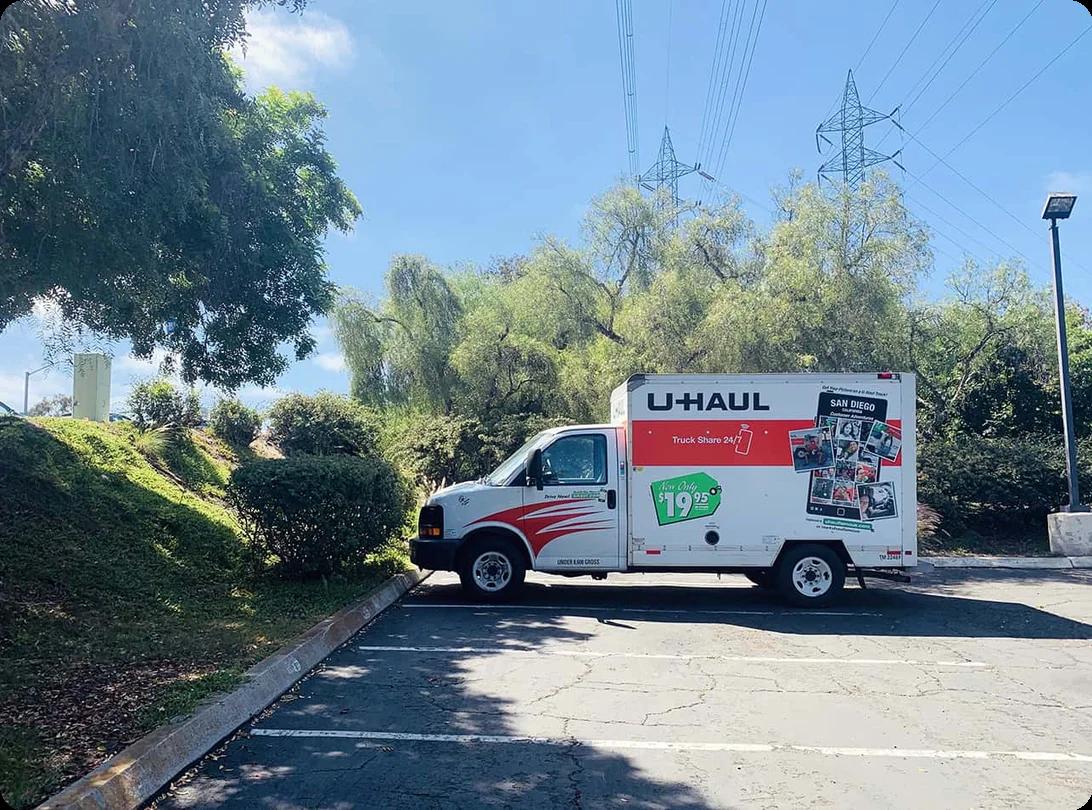
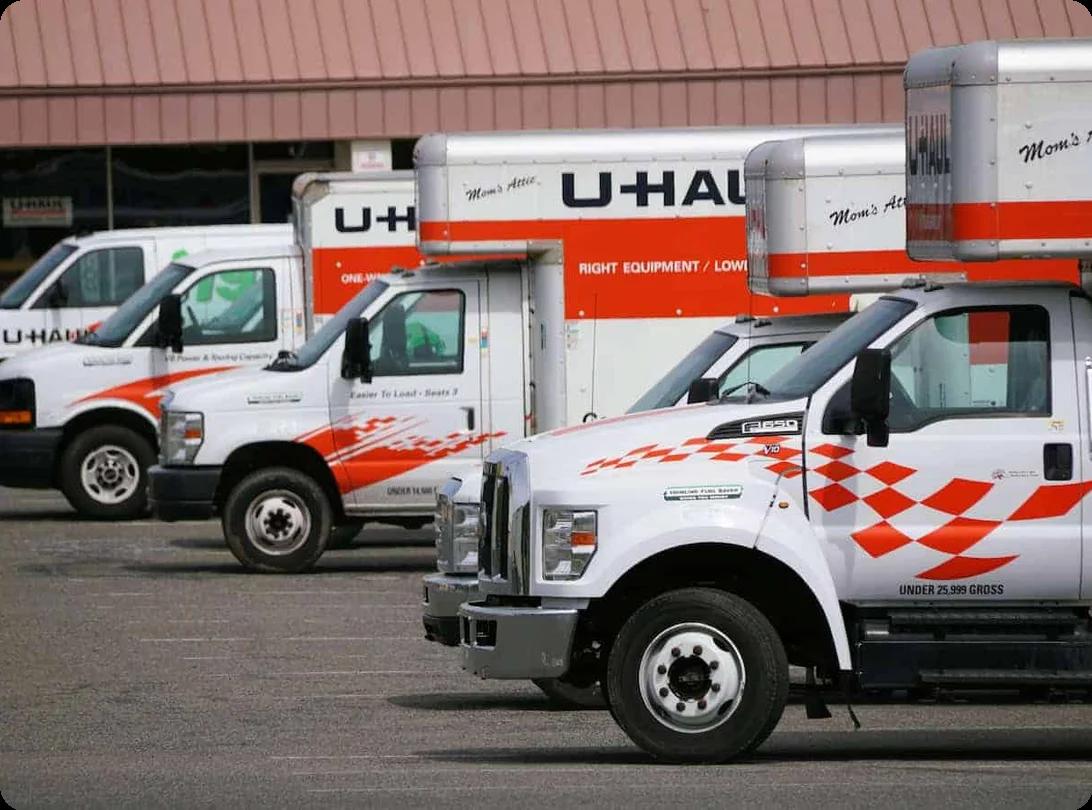
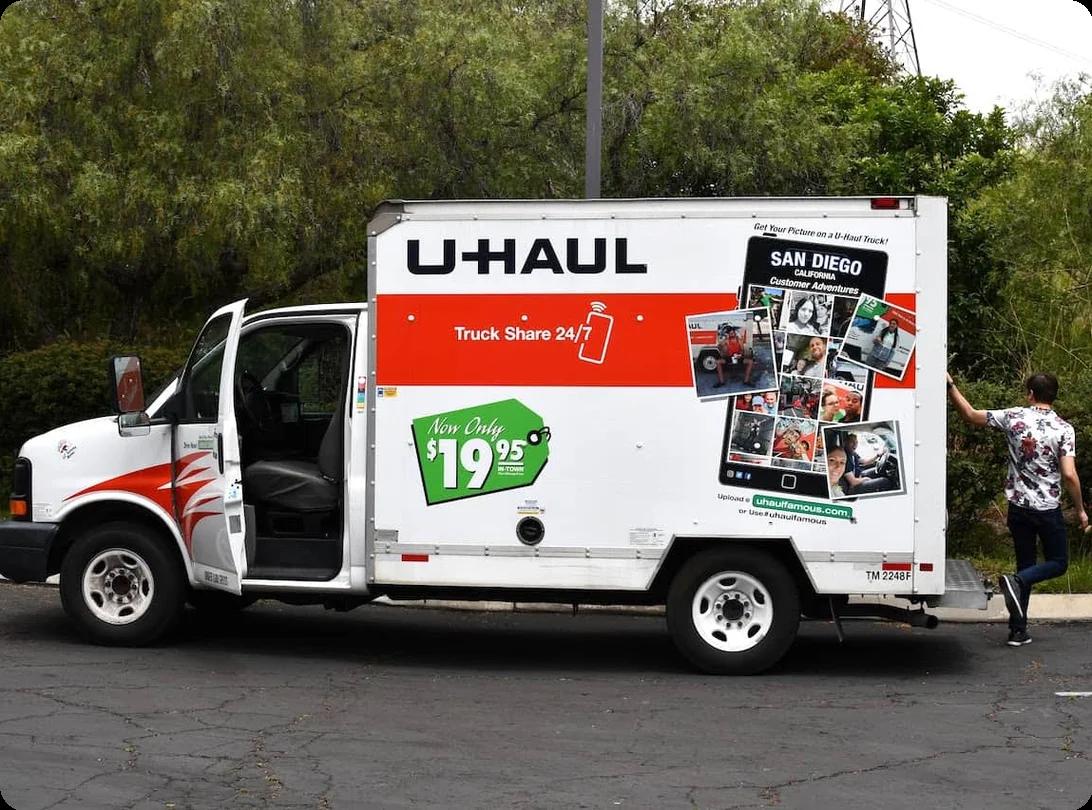
U-Haul trucks have different weight ratings based on their size. A small 10-foot truck has a GVWR of 8,600 pounds. The largest 26-foot truck is rated at 25,999 pounds.
U-Haul GVWRs
| Truck Size (feet) | GVWR (weight while empty/max load allowed in pounds) |
|---|
| 10’ | 8,600 lbs. (5,790/2,850) |
| 15’ | 14,500 lbs. (8,115/6,385) |
| 17’ | 14,500 lbs. (8,340/6,160) |
| 20’ | 14,500 lbs. (8,800/5,700) |
| 26’ | 25,999 lbs. (12,859/13,140) |
Penske GVWR by Truck Size
Penske trucks also vary in weight by model. Their 12-foot truck has a rating of 9,900 pounds. The larger 22-foot and 26-foot trucks both reach a maximum of 26,000 pounds.
Penske GVWRs
| Truck Size (feet) | GVWR (weight while empty/max load allowed in pounds) |
|---|
| 12’ | 9,900 lbs. (6,800/3,100) |
| 16’ | 12,500 lbs. (8,200/4,300) |
| 22’ | 26,000 lbs. (14,000/10,000) |
| 26’ | 26,000 lbs. (16,000/10,000) |
Budget (and Other) GVWR by Truck Size
Budget trucks start with a rating of 10,050 pounds for their 12-foot model. Their largest 26-foot truck reaches 26,000 pounds. Since many states use 10,000 pounds as a cutoff, even a small Budget truck might require a stop at a weigh station.
Budget GVWRs
| Truck Size (feet) | GVWR (weight while empty/max load allowed in pounds) |
|---|
| 12’ | 10,050 lbs. (6,440/3,610) |
| 16’ | 12,500 lbs. (8,040/4,460) |
| 26’ | 26,000 lbs. (16,000/9,180) |
Box trucks from Ryder and Enterprise generally fall in the same GVWR ranges. Check each company’s rental agreement or door sticker for exact figures before you drive.
4) What State(s) Are You Driving In?
Most states don’t require a stop if your personal rental truck is under 10,000 pounds. However, 7 states require all rental trucks to pull over at open stations: California, Florida, Kansas, Nebraska, Pennsylvania, South Carolina, and Vermont.
Even if you did your research and think you can skip a stop, keep an eye out for signs at each weigh station. If a road sign tells you to pull over, you should follow it to avoid costly fines.

.png&w=96&q=75)


.png&w=64&q=75) Kevin The MoverJun 24, 2026
Kevin The MoverJun 24, 2026