How to Transport a Riding Lawn Mower, Step-by-Step
If you've decided to take your mower with you, you'll need the right prep, equipment, and patience. These steps outline how to get your mower from yard to truck bed or trailer safely, without injury, spills, or damage to your vehicle. Think of this as your all-in-one loading guide, whether you’re going across town or across the state.
Step 1. Prep Your Lawn Mower for Transport
You should start by making your mower transport-ready. Thorough preparation makes the actual moving day a lot easier, so be sure to follow these steps:
- Drain fuel and oil: Gas and oil expand with heat, which can cause leaks or even fires during transport. Run the mower until it stalls or siphon any remaining fuel into an approved container.
- Disconnect the battery: Prevent accidental starts by removing the negative terminal first. Tape the ends with electrical tape to prevent sparks.
- Remove attachments: Detach baggers, snow blades, decks (if removable), and any tow-behind accessories. These add unnecessary weight and can shift during the trip, damaging the mower or other items.
- Check tire pressure: Inflate tires to the recommended PSI. You can find that number in your mower manual. Doing this keeps the mower balanced and easier to steer on ramps.
- Clean the mower: Dirt, clippings, and mud can make ramps slick and dangerous. Take the time to wipe down the tires and undercarriage.
- Label and store small parts: Place bolts, pins, or caps in a sealed plastic bag labeled “Mower Parts” and tape it to the steering wheel or seat.
Pro tip: If you’re prepping for a long-distance move, wrap the seat and control panel in plastic wrap to protect them against rain and road debris.
Step 2. Choose the Right Vehicle or Trailer
The right transport method depends on your mower’s size and how far you’re moving. There are 4 major options to get your mower where it needs to go. Here’s more detail on each:
Pickup truck
A solid choice for local moves. A standard half-ton truck (like a Ford F-150 or Chevy Silverado) can handle most lawn tractors, but make sure the tailgate and bed can support the combined weight of the mower and ramps. Most beds can handle up to 1,200-2,000 lbs distributed evenly.
Utility trailer
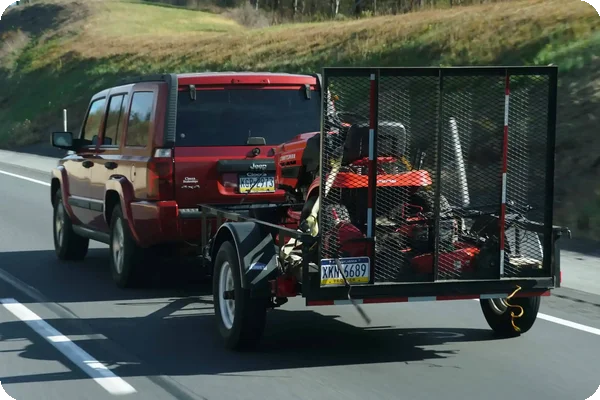
These make loading safer and easier, especially with wide or zero-turn mowers. Look for one with a built-in gate ramp and a capacity that easily handles your mower's weight. Secure the tongue to your hitch ball properly, and cross the safety chains underneath for stability.
Rental truck
A 10’ or 15’ truck from companies like U-Haul or Budget often includes a loading ramp with a gentle angle. This is the easiest DIY option for long-distance moves.
Professional movers
If your mower is expensive or part of a large household move, let professionals handle the heavy lifting. Movers have liftgates, rated straps, and insurance coverage, making it a safer choice. Be sure to verify coverage and equipment before booking.
Can a riding lawn mower fit in your truck bed?
Here’s a quick look at which trucks can safely handle moving your mower. You should always check the specifications of a rented vehicle or one you own before committing to using it for your mower’s transport.
| Truck Bed Size | Lawn Tractor | Zero-Turn | Garden Tractor |
|---|
| 5.5 ft. | ✅ | ❌ | ❌ |
| 6.5 ft. | ✅ | ✅ | ❌ |
| 8 ft. | ✅ | ✅ | ✅ |
If your mower doesn’t fit, removing the deck and any other protruding parts can reduce the width and make fitting easier.
Step 3. Load the Riding Lawn Mower
Improper loading is a common cause of mower-related moving accidents, so this part requires the most care. Follow these steps to ensure your mower is loaded safely for your move:
- Park on a flat surface: Engage the truck or trailer brake.
- Set up ramps: Look for ones that are rated to safely exceed your mower’s weight. Steel loading ramps with safety straps are best.
- Align the ramps evenly: Make sure they’re secured to the bed or trailer to prevent slipping.
- Shift the mower to low gear: Drive slowly up the ramps, and never in reverse.
- Walk beside the mower: Don't sit on it! Keep one hand on the steering wheel and one on the seat for control.
- Center the mower: Evenly distribute the weight in the truck or trailer.
- Chock the wheels: Use blocks if the slope of the bed or trailer is uneven.
If your ramps are steep, consider backing the truck’s rear wheels onto low wooden blocks to reduce the ramp angle.
Step 4. Secure Your Riding Mower for Transport
Once loaded, secure your mower to keep it from shifting. Even a small bounce can loosen a strap or cause minor damage to your vehicle.
- Use heavy-duty ratchet straps: Look for a WLL rating that exceeds the mower's weight, and attach one at each corner of the frame.
- Anchor straps: These should connect to metal points on the truck or trailer, not plastic bumpers or thin rails.
- Lower the mower deck: This is to create a wider, more stable base.
- Compress the suspension: You should tighten the straps until the suspension is slightly compressed to prevent bouncing.
- Check strap tension: Recheck tension after 10–15 minutes of driving and at each stop.
Pro tip: If using an open trailer, cover the mower with a lightweight tarp to prevent gravel or debris from hitting paint or controls.
Step 5. Unload the Mower Safely
When it's time to unload your mower, take the same care and precaution as when you loaded it.
- Park on a flat surface: This is to make sure the truck or trailer is secure and stable enough for unloading.
- Reattach your ramps: Double-check that they’re locked in place.
- Back the mower down slowly: Stay in low gear, and never coast down the ramp.
- Ensure ramps are secured with safety straps: Have a helper spot from the side as you guide the mower down slowly.
- Move slowly off the ramps: Stop and inspect for any strap or tire damage before driving away.
If you’re unloading on gravel or grass, place plywood sheets at the ramp base to prevent sinking or slippage.



 Melanie MorrisSep 8, 2026




.png&w=64&q=75)