What Order Should You Load a Moving Truck?

Family unpacking moving boxes from a removal truck

The best way to load a moving truck is to load the heaviest items first and save light or fragile items for last. That order gives your belongings a stronger base, helps prevent shifting in transit, and makes the truck safer to drive.

At HireAHelper, we’ve helped thousands of people book loading and unloading help for rental trucks, containers, and storage moves. Here’s how to load your truck in the right order, protect your stuff, and know when it makes sense to bring in loading help.


Last updated: Jul 24, 202614 min read
Karen Bodkin
Written byKaren Bodkin

Key Takeaways

  • Load heavy items first and as the base of the stack in the truck, including appliances, dressers, heavy boxes, and large furniture.
  • Spread the weight evenly from side to side.
  • Build the truck in tight tiers, starting at the front wall closest to the cab.
  • Use cargo straps, moving blankets, mattresses, and soft items to keep each tier secure.
  • Keep valuables, medication, documents, and first-night essentials in the cab with you.
Karen Bodkin
Author

Karen Bodkin

Karen Bodkin is a writer at HireAHelper who's passionate about helping people navigate their moves with less stress and more confidence. She empowers readers by turning the many overwhelming parts of moving into clear, actionable guidance.

Karen draws from a broad writing portfolio that includes home improvement, health, and travel. Her work reflects a deep understanding of life's transitions and a genuine drive to make moving feel more manageable for everyone.

What Order To Load a Moving Truck

You’ll get the safest, easiest load by working from heavy to light. Start with the pieces that need the most support, like appliances, dressers, large furniture, and your heaviest boxes. These should go low in the truck, near the front wall closest to the cab. From there, build out with medium boxes and smaller furniture. Save lighter items, bedding, lamps, cushions, and fragile boxes for the end.

That order gives the whole load a sturdier base. It also keeps heavy items from crushing lighter boxes and makes it easier to fill gaps as you go. HireAHelper’s guide to loading basics and pro tips has even more advice on how movers think through weight, stacking, and truck space.

What You Need Before You Start Loading

The right tools and enough helping hands make the whole loading process safer and smoother. Before anyone starts carrying furniture, gather your moving equipment and protective supplies, and make sure you have at least two people who can safely lift heavy items.

It also helps to choose one person to work inside the truck. That person can stack, organize, and build each tier while everyone else brings items out.

Loading Gear and Supplies

You do not need every moving tool on the market, but the right gear helps you move heavy pieces safely, protect furniture, and keep the load from shifting on the road.

Have these supplies ready before you start:

  • 2-wheel hand truck or dolly for boxes and stacked items
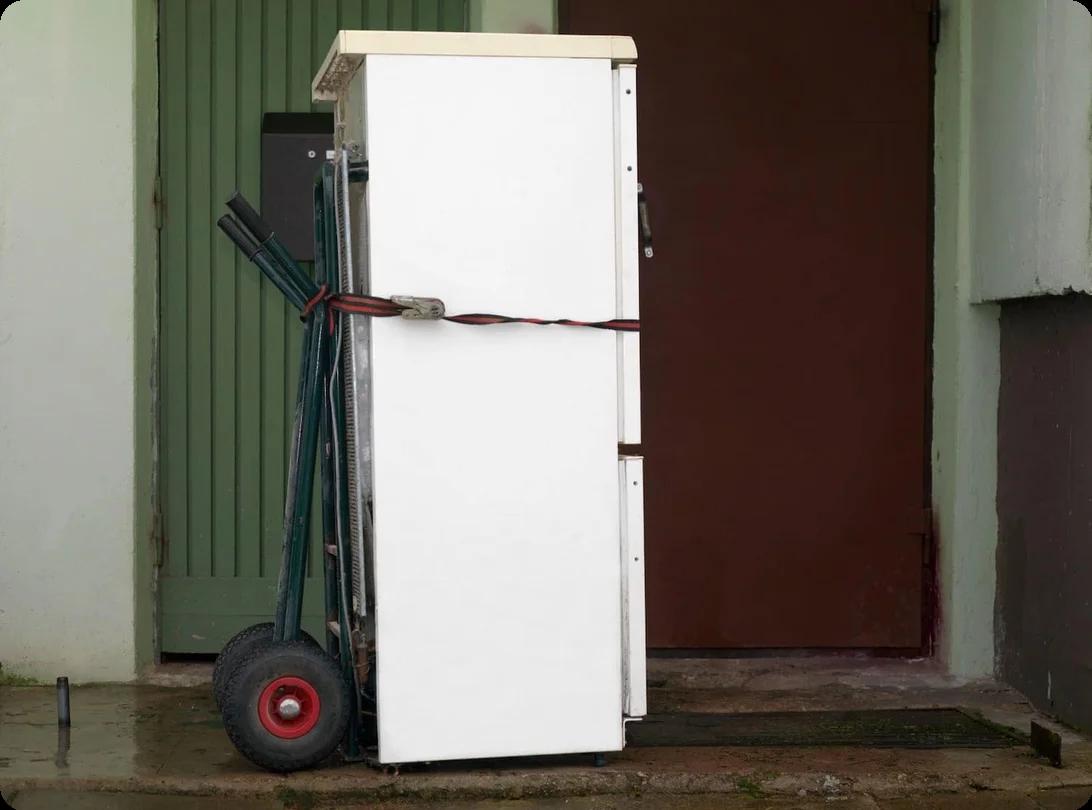
  • Appliance dolly for refrigerators, washers, dryers, and other heavy appliances
  • Moving blankets or furniture pads to protect wood, fabric, glass, and corners
  • Stretch wrap to hold drawers, cushions, blankets, and loose parts in place
  • Cargo straps or ratchet straps to secure each tier
  • Rope or tie-downs as backup, though straps are usually easier to tighten evenly
  • Mattress bags to keep mattresses and box springs clean
  • Corner protectors for mirrors, artwork, and glass tabletops
  • Work gloves for better grip
  • Basic tools for removing legs, shelves, bed frames, or doors

You can usually rent or buy this gear from rental truck locations, moving supply stores, and home improvement stores. If you are hiring loading help through HireAHelper, ask what your crew brings and what they expect you to have ready.

How Many People You Need To Move and When To Hire Help

Most moves need at least two able-bodied people, even for a smaller truck. A larger home, stairs, heavy appliances, or a 20- or 26-foot truck usually calls for three to four people.

One person should stay in the truck to build the load. The rest of the crew can carry items from the home to the truck. This keeps the work moving and prevents everyone from piling boxes inside with no plan.

If you do not have enough help, labor-only movers can make the day much easier. HireAHelper lets you book hourly moving labor for the loading and unloading while you handle the truck, schedule, and transportation. It is a good middle ground when you want to DIY your move but do not want to wrestle a couch, washer, or dresser into the truck by yourself.

Loading Zones: Where Each Item Belongs in the Truck

A moving truck is easier to load when you think of it in zones. The main zones are the front wall, the middle of the truck, the back of the truck, and Mom’s Attic over the cab (if your rental truck has one).

Each zone of the truck has a purpose, and some items are safer and easier to load in certain areas.

The "Mom's Attic"

The Mom’s Attic is the small raised storage space above the cab in some rental trucks. Not every truck has one, but it can be useful for light, awkward, or easily damaged items.

Good items for the Mom’s Attic include:

  • Light boxes
  • Pillows
  • Bedding
  • Lampshades
  • Seasonal decor
  • Lightweight and/or fragile items in sturdy boxes
  • Small electronics packed in protective boxes
  • Avoid putting these items in the Mom’s Attic:
  • Heavy boxes
  • Liquids
  • Loose items
  • Unwrapped glass
  • Items that can roll or fall
  • Anything you need during the drive

Think of the Mom’s Attic as a protected shelf for delicate items or things not easily placed elsewhere, not bonus space for heavy boxes.

Front Wall (Closest to the Cab)

The front wall is the space at the very front of the truck, directly behind the cab. This is where your first tier starts, so it should hold your heaviest and strongest items.

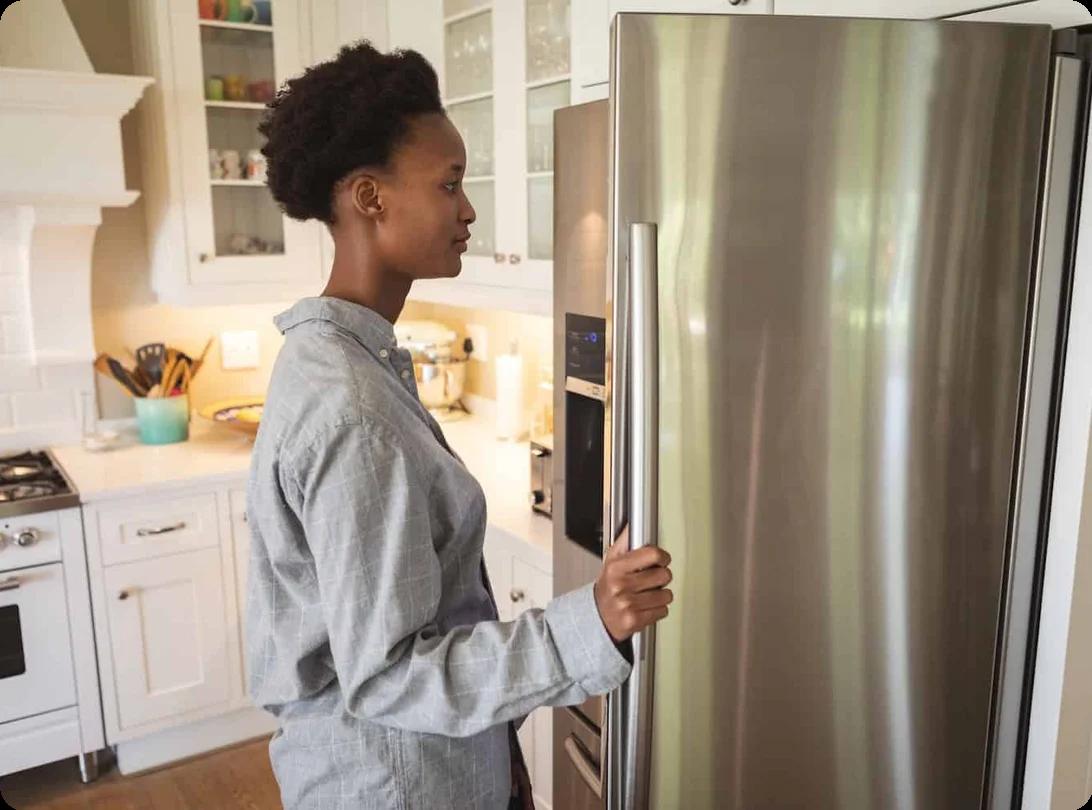
Start with appliances, large dressers, heavy boxes, bookshelves, desks, bed frames, and sturdy furniture. Place the heaviest pieces on the floor and tight against the front wall. If you are loading a washer, dryer, refrigerator, or heavy tool chest, this is usually the right spot.

"It may be worth hiring loading help if you do not have at least two people who can safely lift heavy items, or if you are moving pieces over 100 pounds."

Putting weight near the front helps the truck feel more stable while driving. It also gives you a solid wall to build against as you load the rest of your belongings.

Just make sure you distribute the weight evenly and keep heavy items low. A stack of book boxes sitting high in the truck can shift, fall, or crush whatever is underneath.

Middle of the Truck

The middle of the truck is where most of your belongings will go. This area is ideal for medium-weight boxes, smaller furniture, chairs, nightstands, bins, rolled rugs, and well-wrapped household items.

Use the middle to keep building strong tiers, and place medium boxes on top of heavier boxes. Then, you can tuck smaller furniture, rolled rugs, or any other long items into open spaces and narrow gaps where they fit securely.

Try not to treat the middle of the truck like a catch-all. Every item should either add support, fill space, or stay protected. The tighter the middle section is, the less your load will shift during the drive.

Back of the Truck

The back of the truck is the section closest to the roll-up door or ramp. It is the last part you load and the first part you unload.

Use this area for lighter boxes, pillows, cushions, bedding, lamps, outdoor items, cleaning supplies, and anything you want to reach right away. This might include a tool kit, step stool, vacuum, or first-night essentials box.

Make sure the roll-up door can close without pressing hard against your belongings. You also need a clear, safe path at the end of the load so nobody has to climb over loose items to unload the truck.

Avoid saving heavy furniture for the very back unless you have no other choice. Too much weight near the door can make the load less stable and more awkward to unload.

Weight Distribution and Balance

Weight distribution is one of the biggest safety concerns when loading a moving truck. An uneven load can make the truck sway, lean, or feel harder to control on turns and stops.

The safest approach is simple: spread weight evenly from left to right, keep the heaviest items on the floor, and secure each tier before moving on to the next one.

Side-to-Side Balance

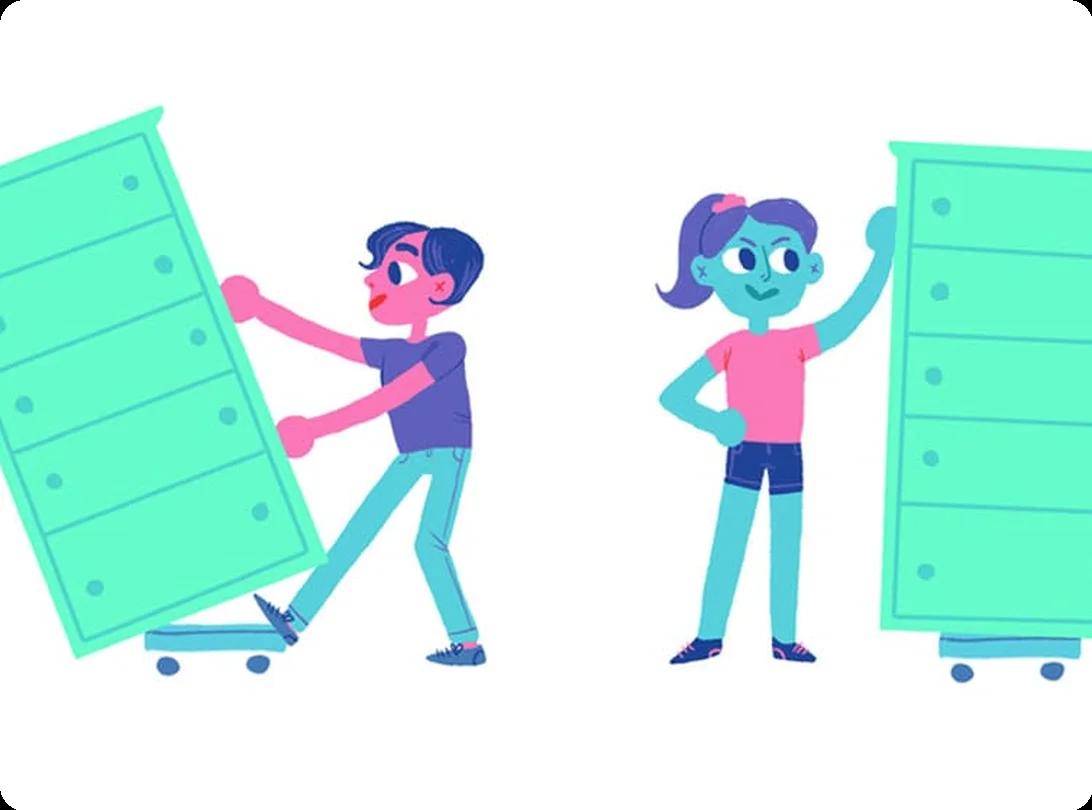
Side-to-side balance means the left and right sides of the truck should carry roughly equal weight. You do not have to make both sides look identical, but you should avoid putting all the heaviest items on one wall.

For example, if the washer and dryer are on the left side, balance them with a heavy dresser, desk, or stacked book boxes on the right. If a sofa runs along one wall, place heavier boxes or a sturdy cabinet across from it.

Pause after each tier and look at the truck before strapping it down. Does one side look packed with dense furniture while the other side is mostly pillows and lamps? If so, move a few items around before you keep loading. It is much easier to fix the balance halfway through than after the truck is full.

Keeping the Center of Gravity Low

Keeping the center of gravity low means keeping the heaviest weight close to the floor. This makes the truck more stable and helps prevent heavy items from falling or crushing lighter boxes.

And don’t forget, just because a box is small doesn’t mean it’s light. Ones packed with books, tools, dishes, records, or canned goods should always stay on the floor. A small, heavy box can still do a lot of damage if it falls.

A good rule is that if a box takes two people to carry, it is too heavy to stack high. Put it on the truck floor and build lighter items above it.

How To Build a Tier Like a Pro

A tier is a tight vertical section of items that runs from the floor toward the ceiling and from one side of the truck to the other. Movers use tiers because they keep the truck organized and help stop items from shifting.

Start the first tier at the front wall by putting your heavy, sturdy items on the bottom. Then add medium-weight boxes and furniture above or beside them. Fill any small gaps with soft items like pillows, blankets, cushions, or bags of linens.

Once the tier feels tight, strap it to the truck wall, and you’re ready to start building the next tier directly behind it. Keep working this way until you reach the back of the truck.

Step-by-Step Load Order: Heavy to Medium to Light

The best load order is heavy, then medium, then light. That structure gives the truck a stable base and keeps delicate items away from anything that could crush them.

If you want more detail on packing and loading strategy, HireAHelper’s guide on how to pack a moving truck is a helpful companion as you plan the full truck layout.

Step 1: Load the Heaviest Items First: First Tier

This first tier becomes the foundation for the rest of the truck and includes items such as appliances, large dressers, heavy boxes, tool chests, bookcases, desks, bed frames, and sturdy furniture. Stand tall furniture upright when you can, and wrap finished wood or fabric pieces with moving blankets.

If you are loading a refrigerator, washer, or dryer, keep it upright and strap it securely. Do not place heavy boxes on top of anything fragile, uneven, or soft. This first tier should feel solid before you move on.

Step 2: Load Medium-Weight Boxes and Furniture: Second Tier

After the heavy base is in place, load medium-weight boxes and furniture. This second tier can include nightstands, dining chairs, small tables, office chairs, plastic bins, medium boxes, and lighter dressers.

Stack similar-size boxes together so they sit evenly, and use soft items to fill any remaining gaps to prevent too much movement.

This is also a good time to load items that are sturdy but not extremely heavy. Think small bookshelves, ottomans, wrapped chairs, and smaller cabinets. The goal is to keep building structure without putting too much weight up high.

Step 3: Load Light and Fragile Items Last: Third Tier

Load light and fragile items last, usually near the back of the truck or on top of secure tiers. This includes lamps, lampshades, framed artwork, lightweight boxes, cushions, bedding, decor, and fragile kitchen boxes.

Fragile boxes should be clearly labeled and placed where they will not be crushed. Keep them upright if the box says “This Side Up,” and do not stack anything heavy on top.

The last section of the truck is also a good place for items you want first at the new home, such as basic tools, cleaning supplies, bedding, and your first-night box.

Securing the Load: Straps, Walls, and Gap Fill

A good loading order helps, but it is the securing that keeps everything in place. As you load, use straps, blankets, mattresses, sofas, rugs, and soft items to tighten the load and fill empty spaces. Also, don’t wait until the truck is full to think about securing it. Strap each tier as you go.

Creating Walls With Mattresses and Sofas

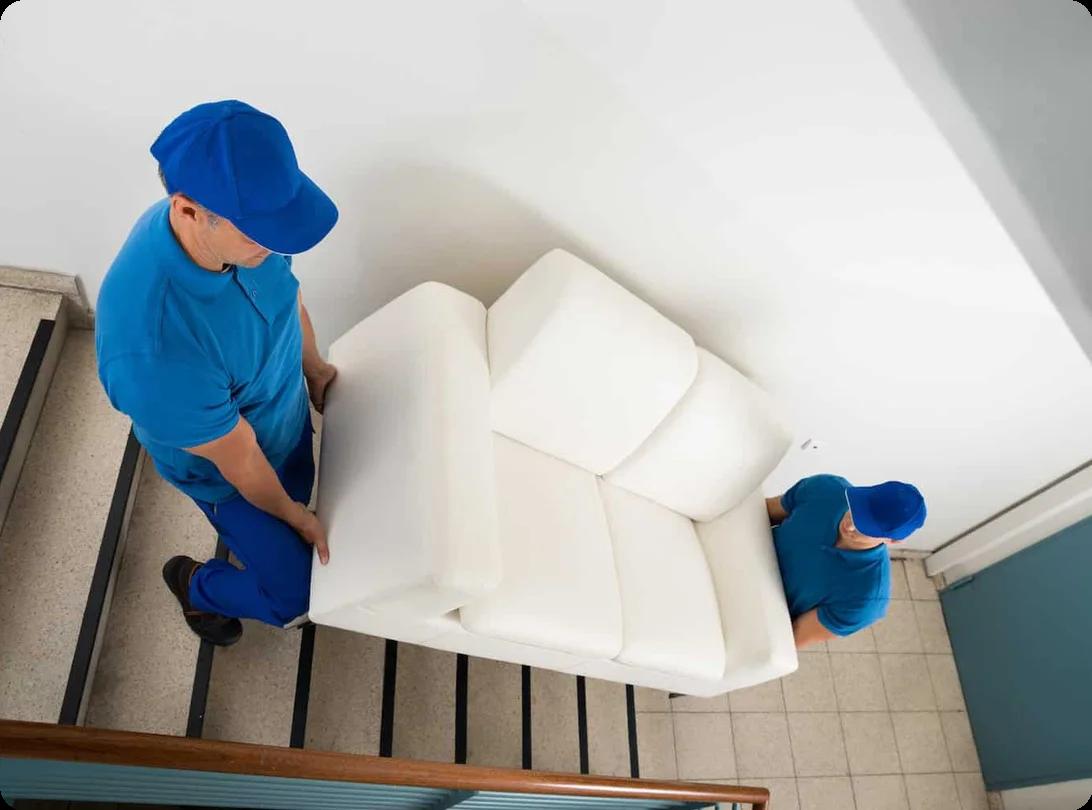
Mattresses, box springs, and sofas can act like padded walls inside the truck. They are large, soft, and helpful for separating fragile or finished items from harder furniture.

Stand mattresses and box springs upright along the side walls, or place them between tiers for cushioning. Use mattress bags to keep them clean. Sofas can also create a soft barrier, especially when they are wrapped in moving blankets or stretch wrap.

Keep in mind that these pieces should support a good load, not hold back a loose one. If boxes and furniture are already shifting, a mattress will not fix the problem. Tighten the tier first, then use soft pieces for padding and separation.

Filling Gaps to Stop Shifting

Gaps give your belongings room to move, which means they can slide, rub against other items, or tip over during the drive.

Fill gaps with soft, flexible items. Use pillows, cushions, towels, bedding, blankets, comforters, rolled rugs, and bags of linens. Do not use fragile boxes, loose glass, plants, liquids, or valuables as gap fillers. Also, avoid forcing items so tightly that they bend, crack, or crush. The goal is a snug load, not a jammed one.

Strapping Each Tier

You should make sure each tier is secure and strapped down before you build the next one. This keeps the load from slowly pushing toward the back of the truck while you drive.

To do this, run a cargo strap across the tier from one side of the truck to the other. Tighten it until the tier feels secure, but not so much that cardboard boxes buckle or furniture starts to bend.

If a strap is pressing into boxes, add a moving blanket, a flat piece of furniture, or another sturdy surface to spread out the pressure.

For a large truck, plan to use several straps. One strap at the end of the load is not enough for a full household move.

Fragile and Special Items

Fragile and special items need a little more thought. Pack them carefully, label them clearly, and place them where heavier items cannot fall into them.

Also, some items should not go in the back of the truck at all. Keep valuables, medication, documents, and irreplaceable items in the cab with you. If you are moving antiques or delicate pieces, HireAHelper’s guide on whether moving companies move fragile antiques can help you decide what needs extra care.

Mirrors, TVs, and Glass

Mirrors, TVs, glass shelves, framed artwork, and glass tabletops should be packed upright and protected on all sides. Use packing paper, foam, moving blankets, corner protectors, and a picture/mirror box whenever possible.

"Side-to-side balance means the left and right sides of the truck should carry roughly equal weight. You do not have to make both sides look identical, but you should avoid putting all the heaviest items on one wall."

Never lay a flat-screen TV, mirror, or glass tabletop flat under other items. Pressure from above can crack the screen or glass. Instead, keep these pieces upright between mattresses, box springs, or padded furniture.

You should also label these items on more than one side so they can be seen from any angle in the truck. Use clear notes like “Fragile,” “Glass,” “TV,” “Mirror,” and “Keep Upright.” This helps everyone loading and unloading know what needs extra care.

For more packing-specific help, HireAHelper also has guides on packing glasses, wine glasses, and glass plates, as well as on using dish packs for fragile glassware.

Items You Should Carry in the Cab Instead

Some things should travel with you, not in the back of the moving truck. This includes anything valuable, personal, temperature-sensitive, or hard to replace.

Keep these items in the cab:

  • Medication
  • Wallets and purses
  • Passports, birth certificates, and Social Security cards
  • Lease, closing, or moving paperwork
  • Jewelry
  • Cash
  • Laptop and phone chargers
  • Pet supplies
  • Baby supplies
  • Basic toiletries
  • A change of clothes
  • First-night essentials
  • Snacks and water
  • A small tool kit

Once the truck is loaded, it may be hard to reach anything in the back. Keep the items you truly need within arm’s reach.

Does Truck Size Change the Loading Order?

Truck size does not change the basic loading order. You still load heavy items first, medium items next, and light or fragile items last.

What changes is the number of tiers you need to build and how carefully you need to manage balance.

Truck size does not change the basic loading order, but it does affect how many tiers you will build. A 10- or 12-foot truck may hold only two or three tiers, while a 15- or 16-foot truck usually holds several. In a 20- or 26-foot truck, filling gaps becomes even more important. These larger trucks give you plenty of space, but that can work against you if the load isn’t packed tightly enough.

If you are still choosing a truck size, HireAHelper’s rental truck size guide can help you think through how much space you actually need.

Common Loading Mistakes to Avoid

Most loading mistakes happen because people rush, get tired, or start loading whatever is closest to the door.

Make sure you and all your helpers have the loading plan in mind at all times, and avoid these common problems:

  • Loading light items first and leaving heavy items for the end
  • Putting all the heavy furniture on one side of the truck
  • Stacking heavy boxes on top of light boxes
  • Building tiers too short and leaving empty space above them
  • Skipping cargo straps until the truck is full
  • Leaving gaps between furniture and boxes
  • Packing TVs, mirrors, or glass flat under other items
  • Blocking the roll-up door
  • Forgetting to keep essentials with you

A little planning at the beginning can save you from a lot of shifting, damage, and frustration later.

When to Hire Loading Help Instead of Doing It Yourself

Some moves are doable with a few friends and a rented truck. Others get hard fast, especially when you add heavy furniture, stairs, tight hallways, or a long walk from the door to the driveway.

It may be worth hiring loading help if you do not have at least two people who can safely lift heavy items, or if you are moving pieces over 100 pounds. A 3-bedroom home, a 20- or 26-foot truck, or a move with lots of stairs can also be a lot to take on without help.

Loading-only movers can be a practical middle ground. You still rent the truck and handle the drive, but a crew takes care of the lifting, stacking, and tier-building. Through HireAHelper, you can compare local loading crews, read verified reviews, and book help by the hour, so you are not paying for a full-service move when you only need muscle.

Frequently Asked Questions

Recent Articles

two movers in blue shirts and baseball caps move a white couch down a set of stairs

How To Move Heavy Furniture Down Stairs Safely

Loading & Unloading

Figuring out how to navigate a steep flight of stairs with a heavy couch or dresser can quickly become the most stressful part of your move. To carry these items down stairs safely, you need to measure your... Read More

Movers carrying cardboard boxes from a house to a moving van

Does It Take Longer to Load or Unload a Moving Truck?

Loading & Unloading

In general, loading takes about 1.5 – 2 times longer than unloading, or about 60% to 75% of the total hours. This is because when loading, you need to take the time to distribute weight carefully, secure items, and... Read More

Spacious backyard with a swing set on a spring day

Will Movers Move a Swing Set

Loading & Unloading

Yes, professional movers can move a swing set. Most will need it taken apart first, and there might be extra charges for things like size, weight, or putting it back together. If you have a solid wooden playset,... Read More

a wooden outdoor barrel sauna

How to Move a Sauna: A Step-by-Step Guide

Loading & Unloading

Figuring out how to move a sauna can feel pretty daunting when you’re looking at such a heavy wooden structure with multiple parts attached to it. However, moving a sauna simply requires disassembling it in reverse... Read More

a gray home safe sits open

How to Move A Heavy Safe

Loading & Unloading

You bought a safe to protect your most valuable possessions. But now that it is time to move, that steel box becomes less of an asset and more like a tricky problem to solve. Moving a safe is not like moving a... Read More

Two people using moving straps to safely lift a heavy dresser in a living room

A Pro's Guide to Moving Heavy Furniture Without Hurting Yourself

Loading & Unloading

If you've ever tried to figure out how to move furniture up stairs, you know that it can be a minefield of injuries and scratched walls. But you can maneuver those tight spaces and awkward corners without injuring... Read More