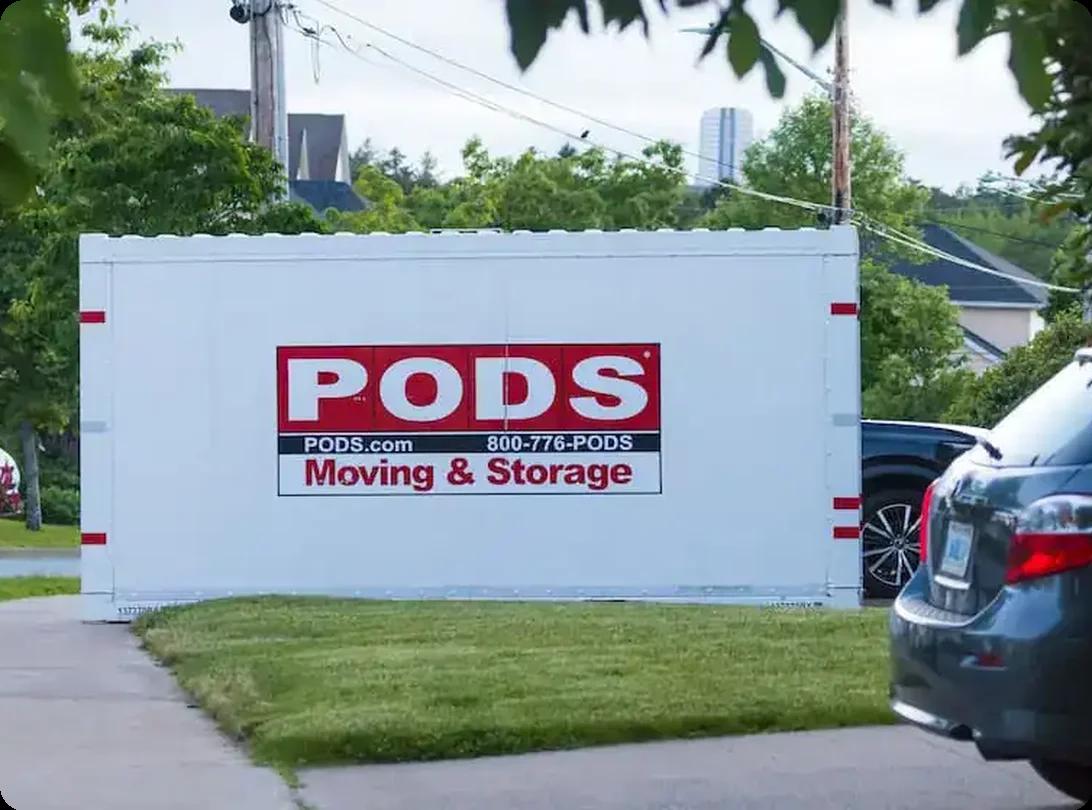
Step-by-Step Guide: How to Use a Moving Container for a Long-Distance Move
Because moving containers are a different process than renting a truck, which more people might be familiar with, we broke down how to use moving containers into an easy-to-follow plan. Follow these steps for a stress-free move.
1. Choose a Moving Container Company
Using the right container company sets the tone for your entire move. When you're ready to commit, read reviews to help determine which companies have solid reputations and provide the services and perks you need. PODS, U-Pack, and 1-800-PACK-RAT are popular options.
Once you have a list of potential providers, you’ll need to contact each one. Ask about their service area, container sizes, and availability. Make sure that the company you choose operates in both your origin and destination areas.
Finally, compare equipment options and pricing. Be sure to ask if there are fuel charges, permit fees, rescheduling charges, or other costs you should know about.
2. Order the Right Container Size
Choosing the right container size can help you avoid major headaches during the loading process. To estimate your needs, take a quick inventory of your belongings. Start with large items, such as furniture and appliances. Then estimate how many boxes you're likely to have for each room. Many container companies also have their own online estimation tools.
If you’re worried that your belongings won't fit in the container, go up one size. It's okay if you end up with a little extra space, as it prevents overpacking, protects fragile items from being crushed, and spares you the stress of realizing on moving day that everything doesn’t fit.
3. Schedule Delivery
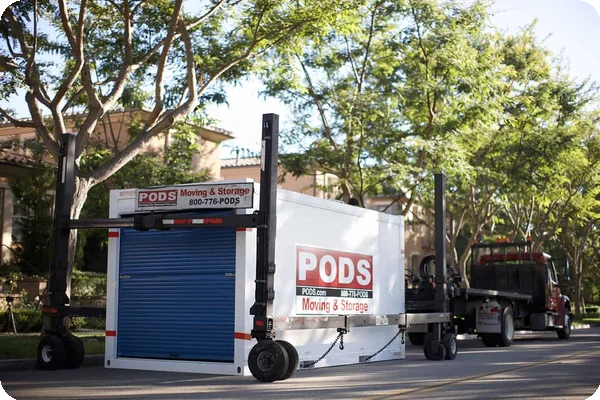
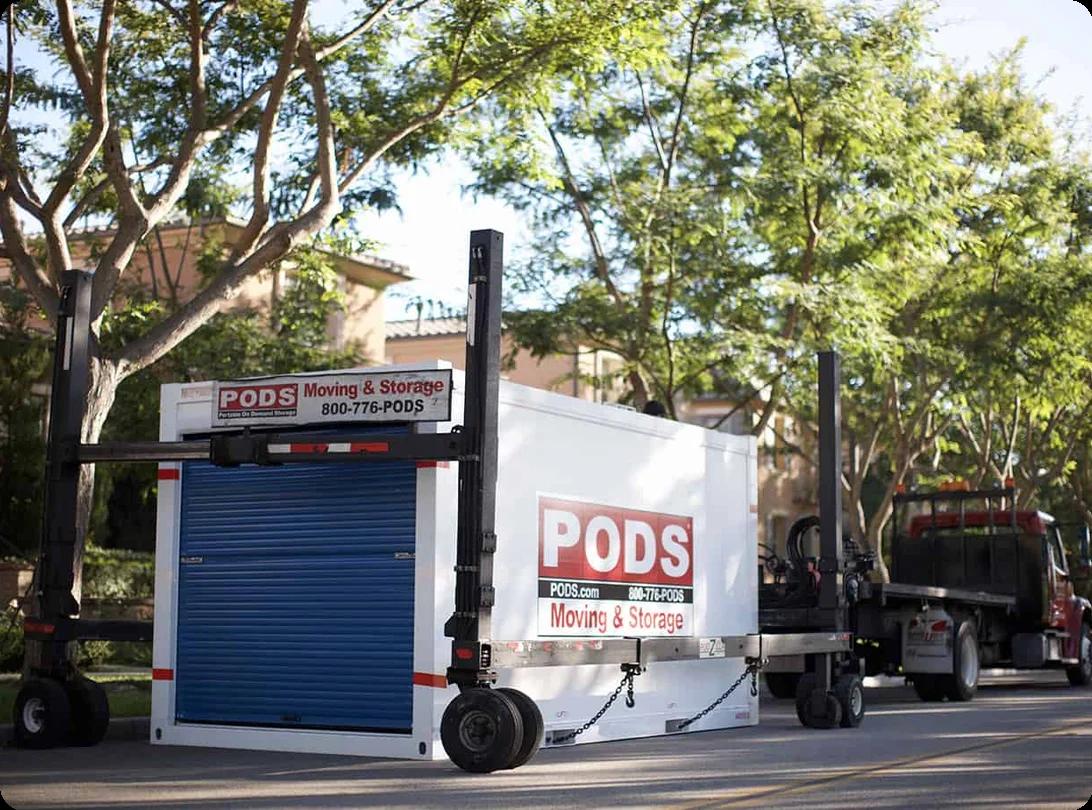
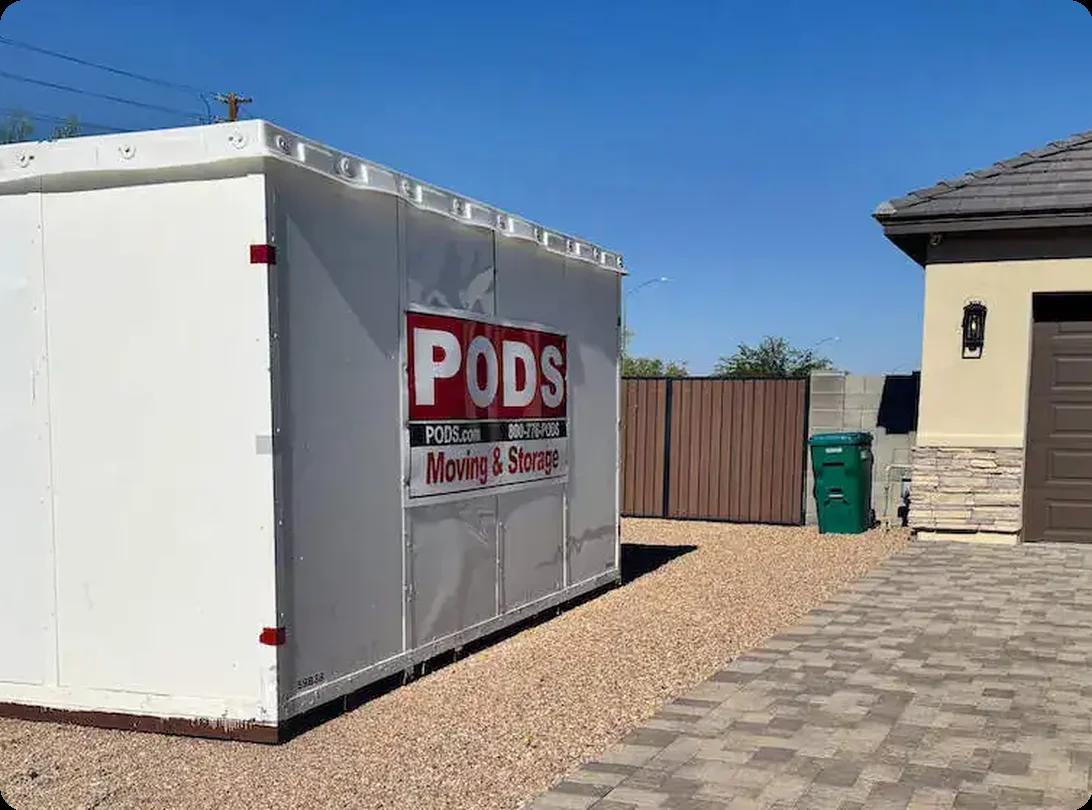
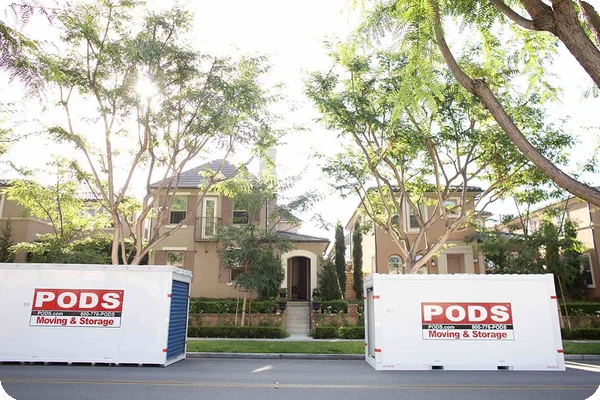
You can have the container delivered anywhere from 3 to 30 days before moving day, which gives you plenty of time to organize and load your belongings. When you book, let the rental company know if you need the container dropped in your driveway, on a concrete pad, or in a reserved space.
If you live in an apartment building or condo, double-check the length, width, and overhead maximums. The last thing you need is for your moving container to get stuck under a pedestrian bridge or wedged in a narrow alley. You may also need a municipal permit or permission from your HOA to have the container delivered to your home.
4. Load the Container Safely
Before you start moving items, set up a loading zone. Have bubble wrap, stretch wrap, moving blankets, ratchet straps, and furniture pads at the ready. Ratchet straps are essential for securing heavy cargo.
Now you're ready to fill the container. Follow these tips for a seamless loading process:
- Start by placing heavy items at the bottom of the moving container. This includes furniture, appliances, and boxes filled with books. Heavy items serve as a foundation for lighter belongings. You should also distribute weight evenly so the container doesn’t tilt or your belongings shift.
- Prevent furniture damage by removing drawers, taping doors shut, and wrapping each piece with bubble wrap or a moving blanket. If you're loading a mattress, wrap it or place it in a mattress bag. Stand the mattress on its side instead of placing it flat on the floor.
- Fill in any empty space with things like couch cushions, pillows, and blankets. Soft items provide extra cushioning and can prevent your belongings from tipping over during transit.
5. Lock and Secure the Container
For extra peace of mind, use your own lock to secure the container. You can use a padlock, but a disc lock is way more secure. Disc locks have an enclosed, round shackle, so it's more difficult to remove them with bolt cutters or other tools. Unlike padlocks, disc locks also have a circular mechanism, making them harder to pick.
Some rental companies offer tamper seals or GPS tracking for an additional fee. Tamper seals provide visible proof if someone has tried to access your container, while GPS lets you monitor its location throughout the trip.
6. Pick-Up and Transportation
On pickup day, keep the area around the moving container clear, and make sure there are no objects blocking pathways. If necessary, clear overhead obstructions such as branches, and keep the gate open to your property.
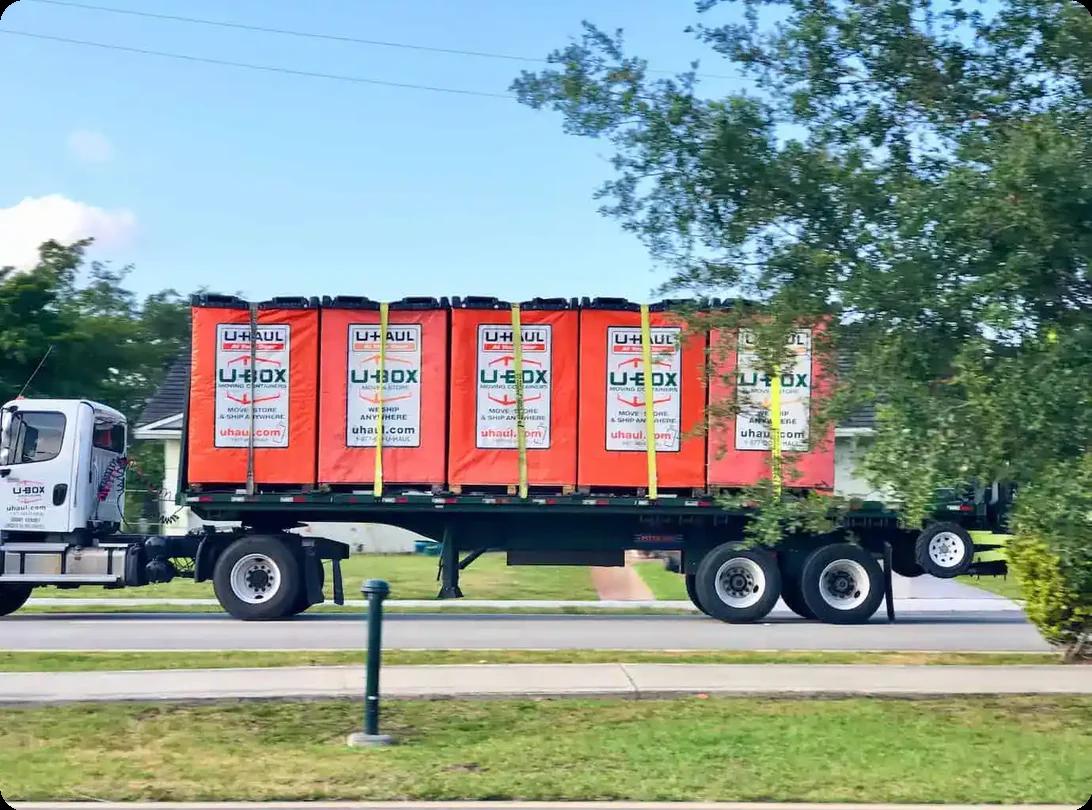
After pickup, the container company handles transport. You don't have to navigate busy streets, worry about traffic congestion, or drive a huge truck under an overpass.


 Karen BodkinAug 28, 2026