How to Load a Pod or Moving Container

A homeowner carefully loading boxes and furniture into an open PODS moving container parked in the driveway

Fitting your entire life inside an empty moving container can feel overwhelming. It can be difficult to know where to start, but the best way to keep your belongings safe and maximize your space is to load your pod strategically by wrapping your furniture, planning your layout, and building tight layers from the floor to the ceiling.

At HireAHelper, we help coordinate thousands of moves every year, so we know what it takes to pack a storage container safely. In this guide, we'll show you a simple, step-by-step process for preparing your items and loading your pod like a pro. And if you're still exploring your options, you can read more about moving containers to see if they fit your needs.


Last updated: Jun 25, 202612 min read
Kevin The Mover
Written byKevin The Mover

Key Takeaways

  • Build your container in vertical tiers from the floor to the ceiling, mixing furniture and boxes to keep each layer stable.
  • Distribute heavy items, such as appliances and solid-wood furniture, evenly across the floor to maintain a level center of gravity.
  • Use high-quality moving straps to anchor every tier to the built-in wall rings, preventing your load from shifting during transit.
  • Fill every empty space with soft items like blankets or cushions to eliminate settle room that can lead to damage.
Kevin The Mover
Author

Kevin The Mover

Kevin Kato is a travel and home services writer with over 20 years of experience as a professional mover.

Having been both a professional mover and a crew leader, Kevin has seen it all in the world of moving: hectic moves, unique packing, bizarre accident claims, truck mishaps, or just run-of-the-mill moves as advertised; there is virtually no situation Kevin hasn't managed. Today, Kevin provides his insights as Kevin The Mover for professional movers and "movees" everywhere.

Step-by-Step: How to Load a Pod or Moving Container

Loading a portable unit comes down to preparing your home, making a strategy, protecting your items, loading the container properly, and securing everything in place. Here is a quick look at the best way to load a moving container:

  • What goes in first: Always start with your heaviest furniture to build a strong base.
  • How to stack boxes: Stack your boxes from the floor to the ceiling to create tight layers.
  • How to distribute weight: Try your best to keep the weight balanced evenly from left to right and front to back.
  • How to secure items: Tie everything down using moving straps attached to the wall hooks.

If you are planning a big relocation, check out our guide on how to use a moving container for a long-distance move. You can also download a checklist that helps you avoid common mistakes when loading a PODS or other moving container by clicking the button below. 

Step 1: Prepare and Plan

A successful move starts long before you pick up your first box, so taking a little time to prepare your home will save you hours of frustration later.

Know What Cannot Be Moved in a Pod

Before you start packing, remember that storage containers have strict rules about what can go inside. Keep out anything hazardous, perishable, or illegal, and check with the company if you have any uncertainty about anything you are thinking of loading.

  • Flammables and explosives: Matches, oil, gasoline, fireworks, ammunition, propane, and aerosols.
  • Hazardous chemicals: Paint, car batteries, lawn fertilizers, and household cleaners.
  • Living or perishable things: Plants, potting soil, fresh food, and animals.
  • Organic materials: Firewood and untreated wood that could hide pests.

Clear a Path

Pro Tip: Look up! Pay attention to low doorways, sloped ceilings, hanging light fixtures, and smoke detectors before you carry tall furniture through the house.

For safety, you need a totally clear walkway from your rooms all the way out to the container. Here is what to check:

  • Remove all tripping hazards like loose rugs, stray packing tape, or kids toys.
  • Prop open your interior and exterior doors so you do not have to fumble with knobs while holding heavy boxes.
  • Sweep your floors to prevent slipping on dust or debris.

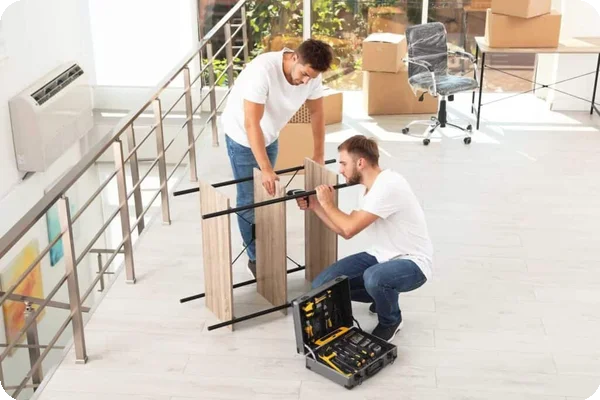
Disassemble What You Can

two people disassemble a shelf with tools. A toolbox sits next to them.

Pro Tip: Keep a small cardboard box just for hardware. Put the screws and bolts for each piece of furniture into separate plastic baggies and label them clearly.

Taking apart bulky furniture makes everything lighter and saves valuable space in your PODS container. Plus, it reduces the risk of delicate parts breaking in transit. To stay organized, read up on why taking pictures is a smart move when you move, so you know how to put it all back together.

Here is what you should break down:

  • Beds and tables: Take apart your bed frames and unscrew all dining table legs.
  • Removable parts: Remove unattached shelves from bookcases and glass doors from cabinets.
  • Protruding attachments: Take off dresser mirrors and unbolt television stands so nothing sticks out and snaps off.
  • Chairs: Disassemble bulky dining or office chairs, if possible, to save space.

Step 2: Protect and Stage

With your path clear and your furniture taken apart, you need to wrap your items safely and organize them outside before the heavy lifting begins.

Cover and Wrap Everything

Pro Tip: Protect glass cabinets by taping a thick piece of cardboard directly over the glass before wrapping the whole piece in a furniture pad.

Taking the time to wrap your furniture keeps your items safe and prevents accidental scuffs on your walls and floors. Gather your materials before you start so you have everything within reach. You can find a complete moving supplies list on our blog, but here are the essentials:

  • Furniture pads: Wrap these thick blankets around your furniture to prevent scratches and dents.
  • Shrink wrap: Wrap this tightly around your furniture pads to keep them from slipping off. Avoid using shrink wrap directly on wood, leather, or vinyl surfaces to prevent damage, and always leave small gaps so your upholstered items can breathe.
  • Mattress bags: Slide these plastic covers over your beds to keep away dirt and moisture.
  • Moving straps: Keep these nearby so you can tie your heavy items to the container walls as you build each layer.

Stage Items Outside

Pro Tip: Clear a specific spot in your garage or driveway to serve as your staging area before you begin.

Carrying items straight from the house to the PODS container is a common mistake. Instead, stage your belongings outside first so you can load everything in the correct order. This lets you see what you have and makes the loading puzzle easier to solve.

Bring out your heaviest base items first. These include dressers, desks, and appliances. Next, bring out your sturdy square furniture, like bookcases and nightstands. Save your lighter boxes, awkward items, and fragile pieces for last so they do not get crushed under the heavy loads.

Protect Fragile Items

Moving containers can bounce and sway on the back of a truck, so your delicate items need extra care. Pack your plates and glassware in specialized boxes called dishpacks. These boxes have thick walls and dividers to keep your fragile items separate and safe. You can learn more about this in our fragile glass dishpacks packing tip guide.

"Road vibrations cause your entire load to vibrate and settle, meaning items can shift inside your container. If you leave empty gaps between your boxes, your belongings will slide around in those spaces."

You should always fill any empty spaces inside your boxes with crushed packing paper to keep things from shifting. For more advice on keeping your valuables safe, check out our guide on the most damaged items during a long-distance move.

Step 3: Make a Loading Strategy

With your preparations complete, now you have to safely fit your belongings into the moving container. There's a definite method to getting everything you own into a box — even a box as large as a moving container. Here are some helpful terms and concepts to help you get started.

Tiers

Tiers are vertical layers of furniture and boxes that extend to the roof of your container. You should aim to build up tiers, one at a time, using a mix of furniture and boxes in each one.

  • Plan to build up your load one vertical tier at a time.
  • Mix furniture and boxes across every layer to keep things stable and maximize space.
  • Use tall items like mattresses, entertainment centers, or bookcases as flat walls between your tiers to add strength.
  • Plan to use the built-in wall rings to tie down each tier with your moving straps before you start building the next one.

Base

The base is the strong foundation at the bottom of every tier. A solid base keeps the rest of the layer from shifting or collapsing during transit.

  • Start your first tier with a solid base of sturdy, heavy furniture.
  • Use long dressers or solid desks at the very bottom.
  • Stack medium boxes right on top of this foundation, and finish with your lightest items near the ceiling.

Weight Distribution

This refers to how you balance your load from side to side and front to back.

  • Do your best to keep the weight spread out evenly to prevent heavy items from knocking into and breaking your lighter boxes.
  • Balance out heavy appliances by placing them on opposite sides of the container.
  • Make sure you do not have all your heavy furniture clustered at the very back or on just one side.

Density

Density means safely packing your items tightly to eliminate empty space. Just like a half-empty cardboard box will tend to get crushed, empty space in a loaded pod leaves room for everything to move around and possibly get damaged.

  • Fill open spaces between boxes with wrapped table legs or small shelves.
  • Stuff sofa cushions, rolled blankets, or sleeping bags into empty spaces to make your tier denser.
  • Use these soft items to add extra protective padding where you need it most.

Step 4: Load the Pod

With your strategy in place, it is time to start moving your items inside. Follow these expert techniques to build a secure and stable load from the back wall to the front door.

Load Heavy Items First

You might be tempted to stack boxes neatly in the back corners first, but you always want to start with your heaviest furniture. Building your base with these large items creates a solid foundation, so your fragile boxes are not crushed. If you need help safely lifting these pieces, check out our heavy furniture moving guide.

  • Bring in your long dressers and solid desks to form the bottom of your first tier.
  • If possible, stand large couches upright on one end to save floor space, and use furniture pads under the armrests to protect them.
  • Place large, flat items, such as headboards and padded dining tables, against the side walls.

Distribute Weight Evenly

Keeping the weight balanced across the entire container is vital for safety. If the front or one side is too heavy, the container can become unstable on the truck, and lighter items will get crushed by shifting furniture.

  • Place heavy appliances on opposite sides of the container to balance the left and right.
  • Spread your heaviest furniture evenly from the back wall all the way to the front door.
  • Mix heavy boxes of books with lighter boxes of clothes so one area does not become too heavy.

Stack Boxes Floor to Ceiling

Stacking just boxes sounds easy until you run out of them and have to pile awkward items together, which is a recipe for disaster. Build each tier with a mix of furniture, boxes, and loose items from the floor up to the roof. This proper method prevents towers from tipping over and keeps your load stable.

  • Place your heaviest boxes directly on top of your solid furniture base, or tucked under desks and other furniture on the container floor.
  • Stack your medium-weight boxes right in the middle.
  • Save the free space near the ceiling for light items, folding chairs, and small tools.
  • Make sure each completed tier slopes gently downward toward the door so it properly supports the tier behind it.

Fill Gaps and Eliminate Air Space

Empty floor space or gaps between items give your belongings room to shift, fall, or break while the container is in motion. Filling every bit of air space keeps your tiers tight and your belongings highly secure.

  • Slide flat items, like mirrors or picture frames, securely into the gaps between your tiers.
  • Stuff sleeping bags, pillows, or rolled towels into holes between odd-shaped furniture.
  • Lock each completed tier to the side walls with your moving straps so nothing shifts while the truck is driving.
  • Make sure there is no empty floor space between your final tier and the roll-up door, as everything will crash forward into that empty area.

Step 5: Secure Your Stuff

Since you have been strapping your tiers to the side walls as you go, you just need to lock down this final layer before closing up.

Secure Everything

A common issue people face when they receive their pod at their new home is a jammed roll-up door caused by loose items shifting during the move. You can avoid this situation by strapping off your final tier. Place a large mattress or a tall bookcase at the very front of your load and strap it tightly across the container to create a solid barrier.

Do a Final Safety Check

Before you pull the door down and add your padlock, take a few minutes to look over the load and check the straps to make sure they are holding strong. Look for any small empty spaces near the top of your tiers and toss in a few extra rolled towels or pillows to keep things tight. Sweep out any dirt or debris near the door track so it closes smoothly. Once you feel confident that nothing can wiggle or fall, you are ready to lock it up for pick up.


What a Properly Packed Pod Should Look Like

Before you pull the door down for good, do a quick visual check to ensure your container is ready to be moved to your new home. Here is what you should see:

Heavy Furniture Placed Against the Walls

Instead of grouping all your bulky pieces together, a well-packed unit will have heavy furniture spread out along the left and right side walls. This wall-to-wall loading logic creates a strong perimeter. Heavy items should be distributed evenly across the entire length of the container, not to one side or another, so the load stays balanced and the truck does not sway on the highway.

A Structured and Fully Stacked Center

When looking down the middle, you should see tight, organized items extending from the floor to the ceiling. The center must remain structured and not empty. When figuring out where to put appliances, always keep them flat on the floor as your base. Then, use the space above and between them to stack your boxes safely.

Couches Stored Upright

A couch takes up a tremendous amount of floor space if left sitting normally. To properly place a couch in a pod, you should place it standing safely at one end against a side wall. It should have a thick furniture pad beneath the bottom armrest for protection, with plenty of moving straps holding it tightly in place.

No Visible Gaps or Empty Spaces

To prevent shifting in a storage container, simply eliminate all empty space. A properly packed unit will have no large gaps between the tiers. If you see space between your boxes, the easiest trick is to shove rolled towels, spare blankets, or couch cushions into those small holes until everything feels completely solid.

A Dense and Secure Front Door

So, how full should a storage pod be? Ideally, it should be packed tightly from the back wall to the front door track. The last tier should slope gently downward and feature a large, flat item, such as a mattress, strapped securely across the opening. This final barrier ensures that absolutely nothing can shift forward and jam the door during transit. Your final view, right before closing up, should be a dense, stable wall.


Should You Pack a Pod Yourself or Hire Help?

Deciding whether to pack a moving container yourself or hire professionals comes down to your budget, timeline, and physical ability. While loading it yourself keeps costs low, hiring moving labor saves you a tremendous amount of time and spares your back from heavy lifting.

Here is a quick breakdown to help you compare your options:

Loading Pods DIY vs. Using Moving Labor vs. Moving Truck

Decision FactorDIY Loading a PodHiring Moving LaborDIY Renting a Truck
Upfront Cost$$$$$
Time to LoadDaysHoursDays
Physical EffortHighZeroHigh
Risk of InjuryHighLowHigh

Load the Pod Yourself

Taking the DIY route is a great choice if you are on a tight budget, have a smaller home, and have a few strong friends willing to help out.

Pros:

  • You control the pace and can load your items over several days.
  • It is the most cost-effective option for your move. To see what you might spend, check out How Much Does a PODS Move Cost?

Cons:

  • You take on the full physical strain and the risk of injury.
  • It takes significantly longer to finish without professional experience.

Hire Moving Labor

Bringing in the pros makes sense if you have a large household, own heavy furniture, or simply want to avoid the exhausting physical work.

Pros:

  • Professional movers know how to maximize space and pack your items efficiently.
  • You completely eliminate your chance of getting hurt.

Cons:

  • It costs a bit more up front than doing it entirely yourself.
  • You have to coordinate your day around a specific scheduled arrival window.

To help weigh all your choices, read our guides comparing pods vs moving company and moving trucks vs moving containers.


Common Mistakes When Loading a Moving Container

Even with a solid plan, it is easy to make a few mistakes when loading a storage container. Steering clear of these common errors is the best way to keep your belongings safe and secure.

Leaving Air Gaps

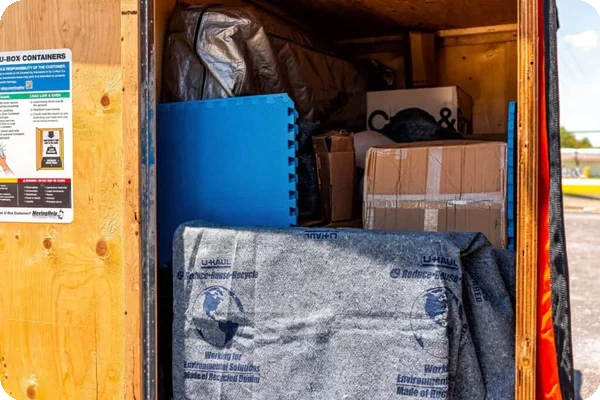
a moving pod packed with furniture and boxes. There is remaining space at the top.

Road vibrations cause your entire load to vibrate and settle, meaning items can shift inside your container. If you leave empty gaps between your boxes, your belongings will slide around in those spaces. You also need to make sure the inside of every cardboard box is packed completely to the brim. If a box has empty air space at the top, the weight of the boxes above it will eventually cause it to cave in and crush.

Throwing Off the Center of Gravity

Knowing how to avoid overloading a pod is crucial because the tow motor has to lift the container while it's level. If you overload one side or the deep back, the container becomes highly unstable when it is being lifted. Try to visualize the pod floor as a grid, and spread your heaviest pieces evenly across it.

Not Using Moving Straps

Forgetting to tie down your layers is a huge mistake. Moving straps lock your items to the wall rings and keep your vertical layers from collapsing forward and jamming the roll-up door. Using heavy-duty ratchet straps or thick nylon rope secured to the wall rings helps avoid damage when loading a pod.

Stacking Boxes by Weight and Material

It is easy to lose track of what is in every box during a long day, but placing a heavy box of books on top of a lighter box of linens is a recipe for a collapse. Additionally, cardboard naturally softens when exposed to humidity changes inside a sealed container.

To protect your belongings, always build your tiers from the heaviest items on the bottom to the lightest at the ceiling. For extra peace of mind, you might consider using plastic storage bins for the bottom layer of your tiers, as they won't buckle under pressure or soften in the heat.

Leaving Tall Furniture Freestanding

Not bracing tall furniture like bookcases or wardrobes poses a risk of damage to those items and the items around them. To protect furniture in a moving container, you need to sandwich tall pieces tightly and strap them directly to the side walls.

"You might be tempted to stack boxes neatly in the back corners first, but you always want to start with your heaviest furniture. Building your base with these large items creates a solid foundation, so your fragile boxes are not crushed."

Furthermore, always secure drawers and cabinet doors shut with shrink wrap so they do not fly open. If any of your furniture has glass doors, remove them entirely or tape a thick layer of protective cardboard over the glass before wrapping the whole piece in a furniture pad.

Rushing the Heavy Lifting

Trying to lift awkward appliances by yourself or rushing the process is how moving injuries when loading a container happen. Tackle the heaviest items first while you have the most energy, wear closed-toe shoes with a solid grip, and never hesitate to ask a friend for help.


Frequently Asked Questions

Recent Articles

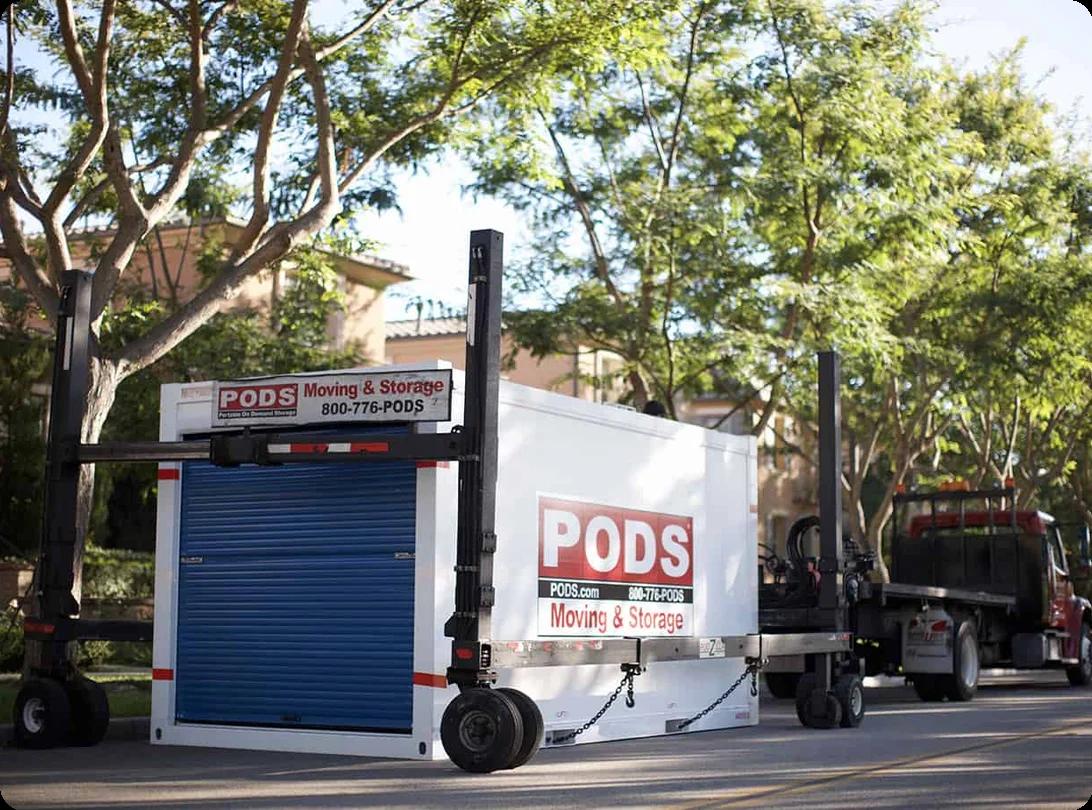
PODS moving and storage container placed in front of a home

UPack vs. PODS: Which Container Should You Rent?

Container Moves

Moving containers have become a popular alternative to rental trucks and full-service movers. They offer flexibility, storage options, and a way to move without having to drive a big vehicle. But which container... Read More

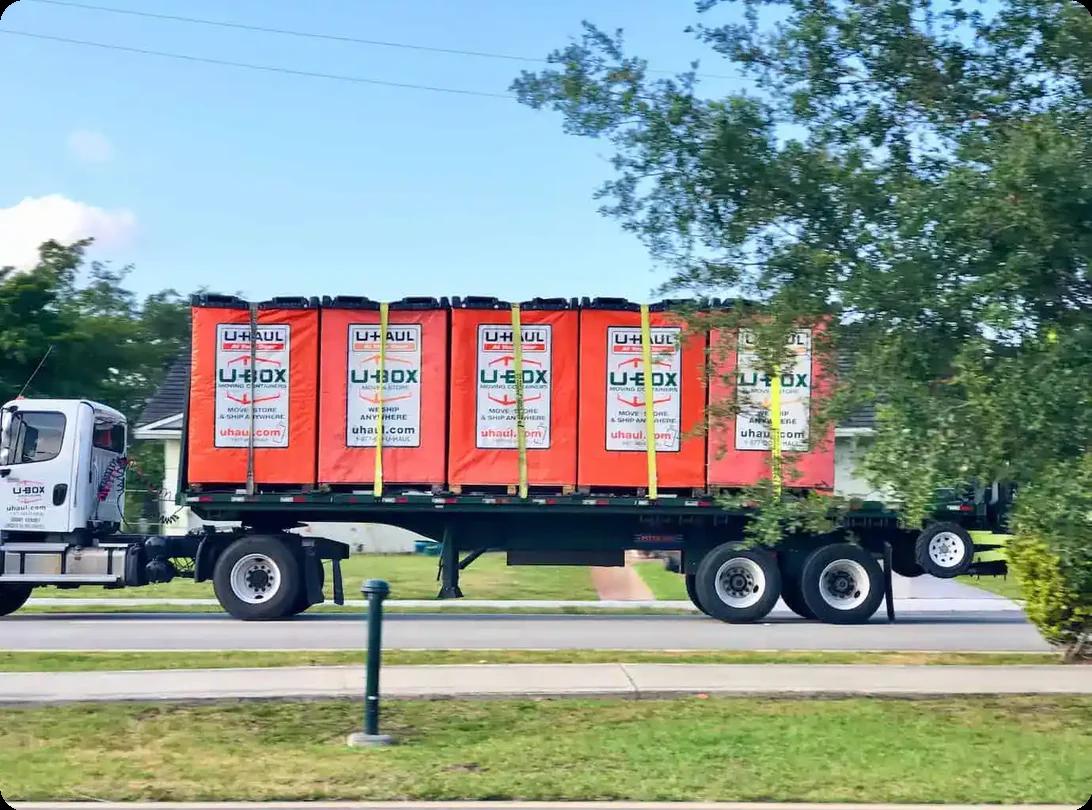
U-Haul U-Box moving containers loaded on flatbed truck for transport

U-Box vs. PODS: Which Container Should You Rent?

Container Moves

Portable moving containers have become a go-to alternative to rental trucks and traditional movers. Instead of rushing through a move in a single day, you can instead load at your own pace and let the company... Read More

An image of four U-box units set in a row on a curb

Upack vs. U-Box: Which Container Should You Rent?

Container Moves

Moving containers are a flexible alternative to rental trucks and full-service movers, giving you more control over your timeline and budget. Among the most popular options are U-Pack, known for its ReloCubes and... Read More

A PODS moving and storage container placed in a residential driveway

PackRat vs. PODS: Which Container Should You Rent?

Container Moves

In general, our research shows PODS is the best container solution for most households, but both PODS and PackRat are legitimate, popular options for portable storage. Both companies will deliver a... Read More

A PODS moving and storage container in residential area

PODs vs. a Moving Company: Do You Need Both?

Container Moves

Moving takes time, money, and plenty of decisions, starting with how you’ll actually get your things from one home to the next. Should you hire a traditional moving company, try something else like a PODS... Read More

U-Haul moving truck parked beside a PODS moving container in a residential neighborhood

Moving Trucks vs. Moving Containers: Which Do You Need?

Container Moves

Between trucks, containers, and everything in between, sorting through moving options can feel overwhelming. It’s tough to know what’s worth your time and money. Both moving trucks and moving containers like PODS... Read More