5 Tips for How to Organize Packing for a Move

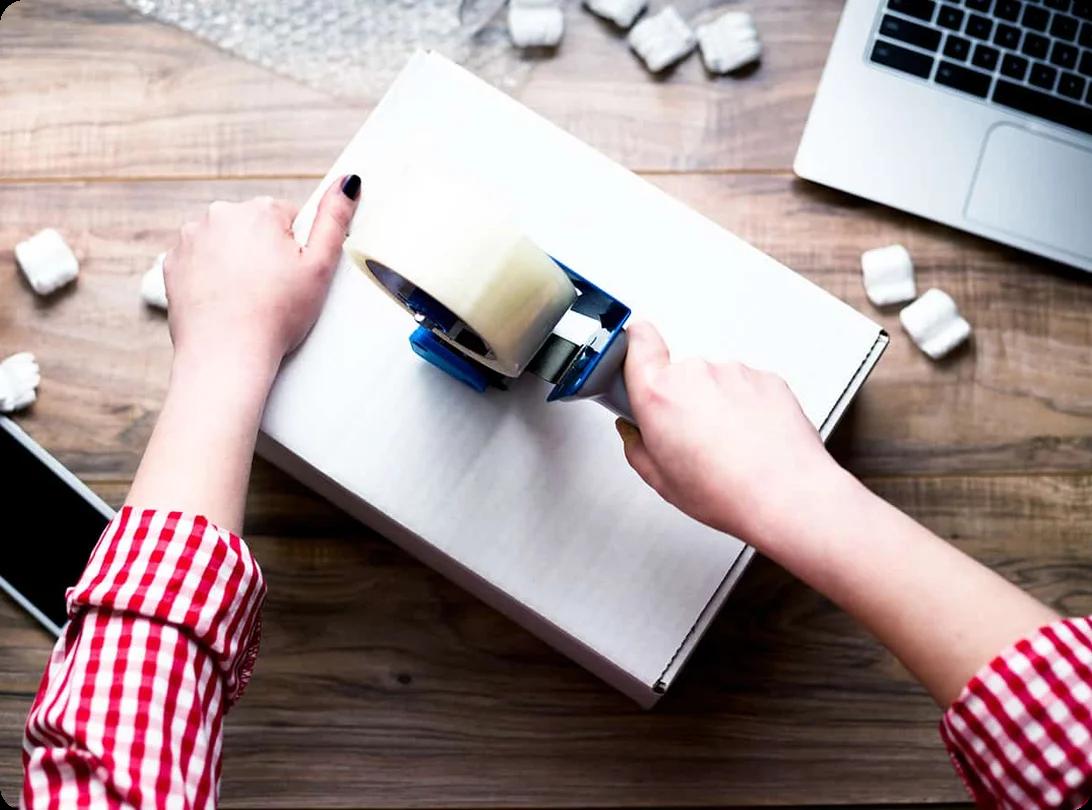
A couple works on packing and taping moving boxes shut

While no move goes exactly as planned, a solid packing strategy helps protect your belongings, cut costs, and better prepare you for those inevitable surprises, from forgotten keys to sudden downpours.

This collection of packing organization tips is compiled from years of experience and thousands of moves. It relies on practical, proven strategies that can transform a hectic moving day into one that feels (nearly) effortless.


Last updated: Jun 27, 20254 min read
Melanie Morris
Written byMelanie Morris

Key Takeaways

  • Declutter and condense first: fewer items mean less to pack, less to ship, and a smaller bill on moving day
  • Pick a packing strategy upfront: (by room, by category, or essentials-first) so you're not improvising mid-move
  • Label early and often: every box gets the destination room and a brief content list to make unpacking faster
  • Use a color-coding system: for unloading day so movers know exactly where each box goes without asking
  • Get your packing team on the same page: with a shared plan, supply list, and timeline before boxes start filling up
Melanie Morris
Author

Melanie Morris

Melanie Morris is an editor, writer, and one of the sharpest moving experts at HireAHelper. Seven years spent answering readers' toughest questions and demystifying a process most people dread has made her an authority on what movers actually need to know — and how to explain it without the jargon. Her own relocations around the Southwest and up and down the West Coast give her the firsthand experience to back it up. Whether you're crossing the country or just moving down the block, Melanie makes sure the advice you get is accurate, trustworthy, and easy to act on.

Tip 1: Declutter & Condense

Two women look through clothing and other items to organize them into donation boxes

Before you even think about which box to start with, take a moment to declutter your space. Not only will this reduce the number of boxes you need (and lower moving costs), but it will also make unpacking in your new home easier.

Start by going room-to-room and sorting everything into five categories: keep, donate, recycle, sell, or toss. Focus on purging items you haven’t used in a while or no longer need.

Pro Tip: Do you have a half-used bottle of floor cleaner or a nearly empty tube of moisturizer? Now's the time to use them up.

Tip 2: Choose Your Packing Strategy

A woman with her hands on her hips stands with her back to the camera looking over a room filled with boxes and furniture

Once you’ve lightened the load, it’s time to decide how you’ll pack. There are two main ways to go about it.

1. Pack Room-by-Room

If your new home will be set up similarly to your current one, this is often the most intuitive approach. Pack each room’s contents together, and label the boxes accordingly. This way, when you’re unpacking, you can go room by room without playing a guessing game about what’s in each box.

2. Pack Similar Items Together

If you're putting things in storage, moving into a very different space, downsizing, or want to rearrange your decor and furniture in your new place, consider grouping similar items together, regardless of which room they’re coming from. For example, you might pack all your office supplies together or group all electronics in one set of boxes.

No matter which strategy you choose, sticking to one method will help everything stay consistent, trackable, and less likely to confuse you later on.



Tip 3: Label Early and Often

A woman writes a label in black marker on the side of a moving box

Labeling boxes keeps things organized and helps ensure everything ends up in the right place. This strategy is especially useful if you're hiring a moving team to load and unload your stuff. Clear labels tell them where each box goes and which ones need extra care.

For best results, label the top and at least two sides of each box. If you’re following a room-by-room approach, try a format like: "Kitchen | Glassware & Mugs". If you’re going the category route, you could label it: "Office Supplies | Cables & Chargers".

However, for boxes that will go into storage or won’t be unpacked immediately, labels that have more itemization are better. You don’t want to be wondering what’s inside 6 months from now.

Try not to overthink it! Just label as early, clearly, and consistently as you can.


Tip 4: Create a Color Code for Unloading

Color coding is one of the easiest ways to speed up the unloading process and reduce confusion, especially if multiple people are helping with your move. It keeps everybody in the loop as to where everything needs to go and helps you when it comes to unpacking.

"[Decluttering] not only...reduce[s] the number of boxes you need (and lower moving costs), but it will also make unpacking in your new home easier."

Use colorful packing tape, stickers, or labels to assign each space in your new home a color. Then, apply that same color to every box that belongs in that space. You can even hang a color chart near the front door so everyone helping knows where things should go.

Keep in mind that color coding only needs to indicate where a box should be unloaded, not where it will ultimately end up. For example, if your spare bedroom is getting painted, consider placing those boxes in the garage for now.


Tip 5: Get Your Packing Team on the Same Page

a group of young adults chats and laughs in a room full of moving boxes

Everyone has their own idea of how to organize packing during a move. One person might toss items in a box and tape it shut. Another might wrap every individual spoon in bubble wrap. And if you’re not clear about your expectations, chaos can creep in fast.

Whether it’s family, friends, or full-service movers, getting everyone aligned is one of the most overlooked parts of an organized move.

Here’s how to avoid that:

  • Explain your packing strategy (room-by-room or item groupings).
  • Share your labeling system so everyone follows the same format.
  • Assign roles (e.g., one person handles kitchen items, another tackles the garage).
  • Use a checklist to track what’s been packed and what’s left.

Pro Tip: Having a quick meeting or starting a group text thread before packing can make all the difference.

Final Thoughts

There’s no such thing as a perfect move. However, learning how to pack like a pro gives you peace of mind that your belongings are secure and organized. Plus, it's another thing you can check off your moving checklist.

Here’s a quick recap of the 5 packing organization tips you’ll be glad you followed:

  1. Declutter and condense to cut down on clutter and moving costs.
  2. Choose a packing strategy that fits your needs and home setup.
  3. Label clearly and consistently, especially for storage-bound boxes.
  4. Use color coding to simplify unloading on move-in day.
  5. Get your team aligned to keep things efficient and low-stress.

Remember, organizing your move early is the single best thing you can do. But even if you’re short on time, using these packing organization tips will help bring order to the chaos and make your move smoother.

Recent Articles

An artist carefully packing brushes, paints, canvases, and art tools into protective boxes for a move

How to Pack Art Supplies for Moving

Packing

Packing an art studio can feel more complicated than packing the rest of the house. Instead of neatly shaped household items, you may be dealing with paints, delicate brushes, unfinished work, fragile ceramics, and... Read More

Mover packing a cardboard box during a move

How Long Does Professional Packing Take?

Packing

Professional packing can take anywhere from 2 hours for a small apartment to a full day or more for a larger home. The actual timeline depends on how much you own and how prepared you are when the crew arrives. In... Read More

Stack of cardboard moving boxes with bubble wrap and packing tape

Do Packers Bring Their Own Boxes and Supplies?

Packing

Packers do not always bring their own boxes, including when you book labor-only packing help directly or through HireAHelper. What supplies they bring depends on the type of packing service you choose. With... Read More

Toiletries and props arranged on a bathroom washbasin

How To Pack Bathroom Items for Moving

Packing

The bathroom can be tricky to pack. It’s one of the last rooms you get to because you use it regularly, and it’s filled with items that can break or spill, but there are techniques to make this area easier to move.... Read More

Woman keeping boots in a cardboard box at home

How to Pack Shoes for Moving: A Step-by-Step Guide (2026)

Packing

You might think shoes are easier to pack than glassware or your TV, but if you just throw them into a large bag without following the proper steps, you might end up with scuffed leather, bent heels, or a moldy pair... Read More

Patio furniture cleaned and wrapped for moving

How To Pack Patio Furniture for Moving

Packing

Patio furniture tends to be heavy, collect dirt from outside, and have irregular shapes that don’t fit well in standard boxes. But packing them for a move isn’t impossible with the right process. If you clean each... Read More